
So, what exactly is a bonded title? Think of it as a safety net for vehicle ownership. It's a special kind of title backed by a surety bond, which is essentially an insurance policy that guarantees your right to the vehicle. You need one when you legally own a car but can't prove it with the standard paperwork, like a lost or botched title certificate.
Understanding a Bonded Title
Let's imagine a common scenario. You found the perfect classic car and bought it from a private seller. Everything went smoothly, but the seller disappeared before properly signing over the title. Now you have the car, but without that piece of paper, you can't register it, get plates, or legally sell it down the road. You're stuck.
This is exactly where a bonded title comes to the rescue. It creates a secure, legal path to full ownership.
At the heart of it all is the surety bond. Now, this isn't insurance that protects you. Instead, it's a financial guarantee for the state and any potential previous owners. It protects them from losing money if someone with a legitimate, older claim to the car suddenly appears after your bonded title is issued.
When Is a Bonded Title Necessary
A standard vehicle title is like the deed to a house—it’s the definitive proof of ownership. To get a feel for what this document represents, you can look at its equivalent in other countries, like the UK's What is a V5C document (UK log book). When that core document is missing or defective here in the U.S., a bonded title is usually your next step.
Here’s a quick breakdown of the common situations that land people in this boat.
Common Scenarios That Require a Bonded Title
This table quickly breaks down the real-world situations where a bonded title becomes necessary, helping you see if your problem fits the solution.
| Scenario | What Happened | Why a Bonded Title Is the Solution |
|---|---|---|
| Lost or Missing Title | You bought a vehicle, but the original title was lost before it was signed over. | It bridges the gap in the paperwork, allowing the DMV to issue a new title under your name despite the missing original. |
| Improperly Assigned Title | The seller made a mistake on the title—like a wrong date, a missing signature, or scratched-out info. | It bypasses the invalid document, providing a legal alternative for proving you are the rightful new owner. |
| No Title from Seller | The seller never had the title in the first place or simply failed to provide it after you paid. | It offers a formal, state-approved process to claim ownership when the seller has failed to provide the necessary legal document. |
| Inherited Vehicles | You inherited a vehicle from a relative, but the title is nowhere to be found. | It establishes a clear chain of ownership, allowing you to legally register and take possession of the inherited asset. |
These are the classic "paperwork nightmares" that a bonded title is designed to solve, giving you a clear path forward.
How the Surety Bond Works
The surety bond is the engine that makes this whole process work. It’s what gives the DMV the confidence to issue a title when the usual proof is gone. It's a three-way agreement between you (the principal), the surety company that issues the bond, and your state's DMV (the obligee).
If a previous owner with a valid claim pops up later, the surety company pays them for their financial loss. You are then responsible for repaying the surety company. This system creates a buffer, protecting all parties involved and is surprisingly common—in 2025, U.S. states issued over 50,000 bonded titles. You can dig into the specifics of how different state DMVs handle the process on their official websites.
Navigating the Bonded Title Process Step by Step
Getting a bonded title might sound like a huge headache, but it’s really just a structured process with a clear finish line. Think of it less as a bureaucratic maze and more like building a case to prove you’re the rightful owner—once you have your evidence in order, the DMV is ready to listen.
Your first move, always, is to call your local DMV. They are the final authority and will tell you point-blank if a bonded title is the right path for your situation. They'll also hand you the official forms and a checklist, which saves you from guessing what you need to do next.
This simple graphic really breaks down the journey from having a car with no title to getting a fresh, legal one.

As you can see, the surety bond is the key. It’s the bridge that turns a messy ownership problem into a legitimate, state-recognized title.
Preparing Your Application and Documents
Once the DMV gives you the go-ahead, it’s time to gather your paperwork. The exact requirements change a bit from state to state, but there's a core set of documents you’ll almost certainly need to prove you own the vehicle.
Here’s what that usually looks like:
- A Completed Bonded Title Application: This is the official form you get directly from your state's DMV or motor vehicle agency.
- Proof of Vehicle Value: Most states demand a bond worth 1.5 to 2 times the car's appraised value. You might need a formal statement from a licensed dealer or a printout from a recognized source like Kelley Blue Book.
- Bill of Sale: Even if the title was never signed over, a bill of sale is powerful proof that you actually bought the vehicle.
- VIN Inspection Certificate: You'll need a law enforcement officer or a certified DMV official to physically inspect the Vehicle Identification Number (VIN). This confirms the vehicle isn't stolen and the VIN hasn't been tampered with.
A clean, complete application is your secret weapon for a fast approval. The number one reason for delays? Missing information or sloppy mistakes. Double-check every single detail before you even think about submitting it.
Securing the Surety Bond
With your documents lined up, the next step is to buy the surety bond. Let's be clear: this is not car insurance. It’s a financial guarantee you purchase from a surety company that backs up your ownership claim.
The good news is you don’t pay the full bond amount. You only pay a small premium, which is often just $100 to $200 for a bond covering a vehicle worth up to $10,000. Finding a company is easy—many insurance agencies and specialized bond providers offer them. They'll look over your application and, once you’re approved, issue the official bond you need for the DMV.
Final Submission and Approval
This is the home stretch. You’ll take your completed application, all your supporting documents, and the original surety bond and submit the whole package to the DMV.
After that, it's a waiting game. The processing time can be anywhere from a few weeks to a couple of months. Once they approve it, the state will mail you a branded, bonded title. Just like that, you have legal ownership. You can register it, get it insured, and legally drive or sell the vehicle. You've successfully turned a paperless problem into a protected asset.
How State Rules Shape Your Bonded Title Journey
If there’s one thing to know about bonded titles, it’s this: there is no single, nationwide rulebook. The process is anything but one-size-fits-all.
Instead, each state’s Department of Motor Vehicles (DMV) writes its own script. This means securing a bonded title in Texas can be a completely different ballgame than it is in California or Florida. These aren't just minor tweaks in paperwork; the differences can dramatically change your costs, timeline, and the hoops you need to jump through.
For anyone operating a specialty business—say, an owner of a jewelry business buying vehicles for secure transport—getting a handle on these local nuances isn't just helpful, it's absolutely critical for asset management and proper insurance for a jewelry business.
Key Differences in State Requirements
So, what actually changes from one state to the next? The biggest variables usually boil down to two things: the required bond amount and how long the "bonded" brand stays on your title.
One state might be perfectly fine with a bond worth 1.5 times the vehicle's value. But cross the border, and the neighboring state could demand double that amount.
Take Tennessee, for example. They peg the bond at 1.5 times the car's appraised value, and the title stays branded as "bonded" for three years. Meanwhile, Nevada streamlined its process after 2017, cutting wait times from months down to just weeks. That simple change led to a 25% jump in usage, which just goes to show how much these state-level rules matter. You can discover more insights about how these state systems work and see how they stack up.
Assuming the rules are the same everywhere is the fastest way to get your application denied. Always start with your local DMV.
Bonded Title Requirement Snapshot Across States
To really see these differences in action, let's put a few states side-by-side. This quick comparison shows exactly why you need to verify your local DMV's rules—it’s a non-negotiable step in the process.
| State | Bond Amount Formula | Typical Bond Duration | Primary Processing Agency |
|---|---|---|---|
| Texas | 1.5 times the vehicle's value | 3 Years | Department of Motor Vehicles |
| California | 100% of the vehicle's value | 3 Years | Department of Motor Vehicles |
| Florida | 2 times the vehicle's value | 3 Years | Department of Highway Safety and Motor Vehicles |
Think about what this means in real dollars. For a vehicle appraised at $20,000, you’d need a $30,000 bond in Texas. But in Florida, that same vehicle requires a $40,000 bond.
That difference directly impacts the premium you pay the surety company, making your location a huge factor in the total cost. Never rely on what you’ve heard or read in a general guide. Go straight to the source—your state's DMV website or a local office—to get the exact rules that apply to you.
What to Know Before Buying a Car with a Bonded Title
Seeing “bonded title” on a car listing can feel like a big, flashing warning sign. And while it doesn’t have to be a complete deal-breaker, you need to understand that the car comes with a complicated backstory. It’s a signal to proceed with extreme caution.
A bonded title is a perfectly legal form of ownership. But its very existence tells you one thing for sure: at some point, the official ownership paperwork was either lost or messed up. Think of the "bonded" brand on that title as a temporary, but critical, warning label for any potential buyer.

This status isn’t forever, but it introduces a very specific risk during what’s known as the claim period.
Understanding the Claim Period Risk
The biggest gamble with a bonded title comes down to this claim period. It's a window of time, usually three to five years, where the surety bond is active and things can get messy.
During this period, a previous owner with a legitimate claim could show up out of the blue. If they can prove they are the rightful owner, they can file a claim against that bond. If their claim holds up, the surety company pays them for their loss, and you could lose the car entirely.
"Trust takes years to build, seconds to break, and forever to repair." This isn't just for people—it’s the perfect way to think about a car’s title history. A bonded title is the repair process, but you have to be careful until that original break in the ownership chain is fully healed.
While a successful claim isn’t an everyday occurrence, it can happen. That potential for an ownership battle is exactly why these vehicles often sell for less. It’s a calculated risk, and you have to be comfortable taking it.
How to Protect Yourself as a Buyer
If you’re still considering the car, your best friend is due diligence. A bonded title doesn't hide the vehicle's past; it just adds another chapter to it. A few practical steps can dramatically lower your risk.
- Run a Comprehensive Vehicle History Report: Get a VIN report from a trusted service like Carfax or AutoCheck. It might uncover old title brands, accident history, or other red flags that explain why the original title vanished in the first place.
- Ask for All the Paperwork: The seller should have the original bonded title application, the bill of sale, and any other documents they used to get the bond. This paperwork tells the story of how the title issue came to be.
- Know the Remaining Bond Period: This is huge. A car with only six months left on its bond period is a much safer bet than one where the three-year clock just started ticking. Find out the exact expiration date.
- Get a Professional Inspection: Never skip this. A pre-purchase inspection from a mechanic you trust ensures you aren’t buying a car with hidden mechanical nightmares on top of the title headache.
Once that bond period is over and no one has made a claim, the "bonded" brand can finally be removed. The owner can then go to the DMV and apply for a standard, "clean" title, which wipes away the ownership risk and brings the car's market value back up to where it should be.
How a Bonded Title Affects Insurance and Vehicle Value
Think of a bonded title as more than just paperwork. It's a temporary red flag attached to your vehicle, and it has a very real impact on how much it’s worth and how easily you can get it insured. That "bonded" stamp changes the game for both insurers and potential buyers.
Getting standard auto insurance can suddenly become a challenge. Many carriers see a bonded title and immediately think "higher risk." Why? Because there's a lingering, even if tiny, possibility that a previous owner could show up and make a claim on the vehicle. That slight chance is often enough to make insurers pause, quote you a much higher premium, or even deny coverage altogether.
This gets even more complicated for a business that relies on vehicles. For instance, a jewelry business using an armored car for transport needs more than a standard policy. Specialized coverage like Jewelers Block insurance becomes essential to ensure the asset is properly protected, regardless of its title history. An experienced Jewelers Block Insurance Agency can navigate these complexities.

Impact on Resale Value
The most direct hit you'll take is on the vehicle's resale value. In the marketplace, a bonded title is a clear signal that there was a problem somewhere in the ownership chain. That uncertainty almost always means a lower price tag.
Any smart buyer will see the bonded status and know they're taking on a small risk during that bond period. To make it worth their while, they're going to expect a serious discount.
You know how an audit is meant to prove your financial statements are reliable? A bonded title does the exact opposite for a car’s history. It announces that, at one point, the ownership record was completely unreliable.
The price drop can be significant, often anywhere from 20% to 40% below what the same car with a clean title would sell for. The exact amount of that hit depends on a few things:
- Vehicle Desirability: A rare classic or a highly sought-after model might not lose as much value as a common, everyday car.
- Remaining Bond Period: A car with just a few months left on its bond is a much safer bet—and will fetch a better price—than one just starting a three-year term.
- State Regulations: The local rules and the length of the bond period in your state can also influence how risky buyers perceive the deal to be.
At the end of the day, that lower value is simply the price of the temporary cloud hanging over the vehicle's ownership.
Restoring Value and Insurability
The good news? The financial sting from a bonded title isn't permanent. The entire goal is to get through the bonding period—usually three to five years—without anyone coming forward to make a claim.
Once that clock runs out, you can go back to the DMV and apply for a standard, or "clean," title. The moment that new title is in your hand, the "bonded" brand is gone for good. That simple administrative step restores the vehicle’s full market value and makes getting normal insurance at a fair price a breeze.
Of course, bonded titles aren't the only ones to watch out for. It’s just as important for buyers to understand other types, which you can learn about in What Is Salvage Title and How It Affects Your Car. For any owner, though, clearing that bonded brand is the final—and most financially rewarding—step of the whole process.
Bonded Title FAQ: Your Top Questions Answered
Even with a roadmap, it's natural to have a few more questions pop up. I get it. Let's tackle some of the most common things people ask when they're navigating the bonded title process. Think of this as clearing up the last few details before you move forward.
How Much Is This Really Going to Cost Me?
There isn’t one flat fee, but it’s almost certainly less than you think. Your total cost is a mix of the surety bond premium, your local DMV fees, and maybe a vehicle appraisal. The biggest piece of that puzzle is the bond premium, which is typically just 1-3% of the bond amount your state requires.
Let’s put that in real numbers. If you need a $15,000 bond, you’re not paying $15,000. You’re likely paying a one-time premium of around $150-$450. When you weigh that against securing legal ownership of a valuable asset, it’s a smart investment every time.
Can I Use This Process for an Abandoned Vehicle?
This is a big one: generally, no. A bonded title is designed for a very specific problem—you legally bought a vehicle but the paperwork is either missing or defective. It’s not a backdoor way to claim a car that was simply left on a property.
States have entirely separate, and much stricter, procedures for dealing with abandoned vehicles. Those almost always involve getting law enforcement involved and often end in a public auction. To get a bonded title, you need to prove you have a legitimate ownership claim, like a bill of sale or a canceled check.
What If the Old Owner Shows Up and Files a Claim?
This is the exact reason the surety bond exists. It's a safety net. If a previous owner with a legitimate claim surfaces during the bond period (usually three years), they can file a claim against your bond.
From there, the surety company steps in to investigate. If they find the claim is valid, they’ll pay that person for their financial loss, up to the full bond amount. But—and this is critical—it doesn't end there. You are then on the hook to repay the surety company for every dollar they paid out.
Think of a surety bond as your financial promise to the state. You're guaranteeing that if your claim to ownership turns out to be wrong, there's money set aside to make the true owner whole without leaving them or the state empty-handed.
The system is designed to protect everyone, but it’s a powerful reminder to be absolutely certain you have a right to the vehicle before you start this journey.
How Do I Get a "Clean" Title After the Bond Is Done?
Once that bond period ends without any drama, you’re in the home stretch. You can finally apply to your state’s DMV for a standard, or "clean," title. You'll just need to provide proof that the bond term has officially expired without any claims.
After they approve your application, the state issues a brand-new title that no longer has the "bonded" brand on it. This is the final, crucial step. It fully restores the vehicle’s market value and makes selling it or insuring it down the road a whole lot easier.
For a jeweler, getting that title cleared is essential for securing the best insurance for a jewelry store. A comprehensive jewelry store insurance policy hinges on having clean, undisputed ownership of all business assets—right down to the delivery van.
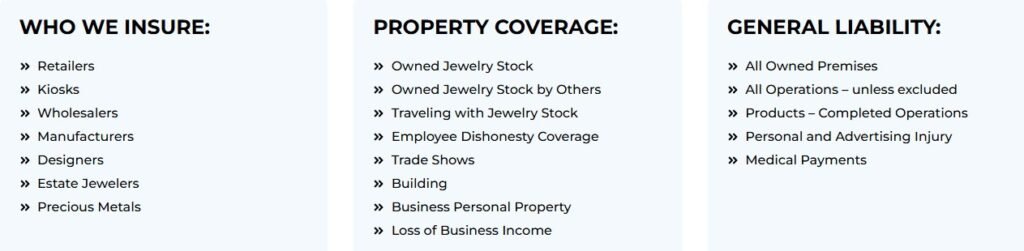
Navigating title issues is just one piece of the asset protection puzzle. When your business is built on high-value inventory, having the right insurance partner changes everything. First Class Insurance specializes in crafting policies that cover your operation from every angle, from your stock and showcases to your vehicles. Get a Quote for Jewelers Block and secure your peace of mind today.