
There's nothing quite like the dread of getting that call—a high-value shipment is gone. But the nightmare truly begins when you realize your "insurance" won't cover it. Relying on standard shipping insurance is a gamble, and for a jeweler, the stakes are just too high. True jewelry shipping insurance is built differently; it’s designed specifically to shield your assets while they're in transit, so a lost package doesn't turn into a devastating financial blow.
Why Standard Insurance Is a Risk for Your Jewelry Business
One of the biggest—and most common—mistakes jewelers make is confusing a carrier's "declared value" with actual insurance. It feels like you’re protected, but it’s a false sense of security.
Think of it this way: declared value isn't an insurance policy. It's just the carrier agreeing to accept more liability if something goes wrong. The problem is, their rulebooks are filled with fine print and exclusions written to limit what they pay out, especially for high-value goods like jewelry. Your claim can be denied over something as simple as using the wrong shipping tier or an obscure packaging rule you never knew existed.

The High Stakes of Unprotected Shipments
Every time a package leaves your hands, you’re taking on a massive financial risk. This is true whether you are:
- A designer sending a custom engagement ring to a client.
- A wholesaler moving millions in inventory between your suppliers and retailers.
- A retail store shipping a piece to a customer across the country.
Without the right protection, a single lost or stolen package could wipe out months of profit. In the worst-case scenario, it could threaten your entire insurance for jewelry business needs. This is why specialized coverage isn't a luxury; it's a core cost of doing business in our industry. You can learn more about protecting specific high-value pieces like a diamond ring on a black background from First Class Insurance.

The Professional Solution: Jewelers Block Insurance
This is where a real, professional-grade solution comes in. Instead of trying to navigate the minefield of carrier liability, the industry standard is a Jewelers Block insurance policy. This isn't just a shipping add-on; it's a comprehensive policy built from the ground up to handle the unique risks jewelers face.
A proper Jewelers Block policy from a specialist like First Class Insurance Jewelers Block Agency is designed to cover your inventory "from vault to display and back again," including the crucial transit phase. It closes the gaps left open by standard carriers.
Unlike the flimsy coverage of declared value, a Jewelers Block insurance policy offers seamless protection that understands the way you actually work. It’s the difference between hoping for the best and knowing you’re covered.
Understanding Jewelers Block: The Industry Gold Standard
If you're relying on basic shipping insurance, you're patching holes in a sinking ship. A Jewelers Block insurance policy is the only real answer for any serious jeweler. This isn't just an add-on for shipping; it’s the foundational coverage that protects your entire business from the ground up.
Think of it this way: a standalone shipping policy is like only insuring the tires on your car. A Jewelers Block insurance policy, on the other hand, covers the whole vehicle—engine, body, and all—whether it's parked in the garage, on the road, or at the mechanic's.
The All-In-One Coverage Your Business Needs
The real power of a Jewelers Block insurance policy is its "all-risk" design, which protects your inventory no matter where it is. In the jewelry trade, high-value pieces are always on the move, and this policy creates a single, unbroken safety net that moves with them.
This comprehensive approach covers the big four:
- Stock on Premises: Your entire inventory is protected against theft, fire, and other disasters while it's in your store, workshop, or vault.
- Items on Memo or Consignment: When you send pieces out to other retailers, appraisers, or repair shops, your policy's protection follows them.
- Travel and Trunk Show Stock: Your inventory stays covered while your sales reps are on the road, at trade shows, or meeting with clients.
- Inbound and Outbound Shipments: This is the crucial link for jewelry shipping insurance. The policy covers goods you ship to customers and pieces you receive from suppliers, closing the dangerous gaps left by standard carrier liability.
Why Jewelers Block Is Superior to Standalone Shipping Policies
Juggling separate insurance policies for each shipment is a recipe for disaster. You end up with a confusing patchwork of different terms, limits, and exclusions—a perfect setup for a denied claim right when you need the coverage most.
The biggest advantage is having one unified claims process. Instead of fighting with multiple carriers, you have a single point of contact and one set of rules. It makes getting a resolution much faster and simpler if a loss happens.
With the boom in e-commerce, shipping volumes have skyrocketed, and so has the risk of theft, damage, and mysterious disappearance. A robust Jewelers Block insurance policy is built specifically to handle these threats. For over 30 years, we at First Class Insurance Jewelers Block Agency have been crafting these policies, often delivering a custom quote within 24 hours to give jewelers like you the security you need. You can find more insights on the growing need for shipping security on freightamigo.com.
Customized Protection for Your Unique Operation
No two jewelry businesses are the same, so your insurance shouldn't be either. Whether you’re a major wholesale distributor or an independent artisan needing a jewelry store insurance policy, a specialist can build coverage that fits your exact risks.
A good agent will work with you to understand your business inside and out, then source coverage from top-tier underwriters, including those who are part of esteemed global insurance markets.

This process looks at key factors like:
- The total value of your inventory.
- The security you have on-site (safes, alarms, cameras).
- Your annual shipping volume and average package values.
- The carriers and destinations you use most often.
By digging into these details, an agent can lock in the best possible terms and pricing for your insurance for a jewelry store. When you're ready to Get a Quote for Jewelers Block, working with an expert ensures your policy is more than just a piece of paper—it’s a true partner in protecting your assets, your reputation, and your livelihood.
Declared Value Versus True Insurance: A Critical Comparison
In the jewelry business, there’s a common and costly mistake that trips up even seasoned professionals: confusing a shipping carrier’s “declared value” with actual insurance. It's one of the most dangerous misconceptions out there, and understanding the difference is the key to protecting your assets.
Let’s get straight to the point: declared value is not an insurance policy. All it does is raise the carrier’s standard liability limit—which is often a paltry $100—in exchange for an extra fee. If your package goes missing, you haven't bought protection. You've only bought the right to file a claim for a higher amount, and you still have to prove the carrier was at fault. That’s a notoriously difficult battle to win.
The Illusion of Protection
The fundamental problem is that shipping carriers are logistics experts, not insurers. Their contracts are packed with fine print designed to limit their exposure, especially for high-value goods like jewelry. Even if you pay for a high declared value, they can—and will—deny your claim for a long list of reasons. Maybe you used the wrong service tier, or your packaging didn’t meet their obscure and rigid standards.
True jewelry shipping insurance, particularly when it’s part of a comprehensive Jewelers Block insurance policy, works completely differently. It’s a separate financial contract with one purpose: to make you whole after a covered loss.
With a proper insurance policy, you are the client. With declared value, you are just a claimant asking the carrier for a refund. The difference in the claims process, the burden of proof, and your odds of getting paid fairly is night and day.
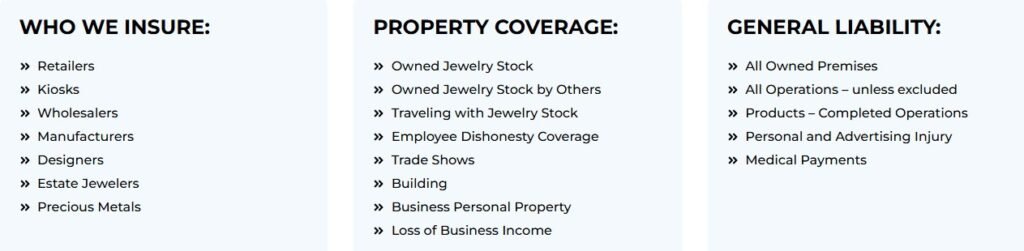
This map shows how a true Jewelers Block policy acts as a shield for your business at every stage—covering your inventory, items on consignment, and those crucial shipments in transit.

As you can see, shipping is just one piece of a complete security strategy. That’s why relying on piecemeal carrier options just doesn't cut it.
Declared Value vs. Jewelers Block Shipping Coverage
Let's put these two options side-by-side. When you break it down feature by feature, the gamble you take with declared value becomes crystal clear.
| Feature | Carrier Declared Value | Jewelers Block Insurance |
|---|---|---|
| Nature of Protection | The carrier’s limited liability for loss. | A true insurance contract that indemnifies you. |
| Coverage Scope | Filled with exclusions for jewelry, cash, and high-value items. | Broader, all-risk coverage that often includes "mysterious disappearance." |
| Claim Process | You must prove the carrier was negligent; an often adversarial process. | You file a claim with your insurer, who advocates for you. |
| Burden of Proof | Extremely high; you must follow all carrier rules to the letter. | Based on your policy terms, not carrier loopholes. |
| Payout Scenario | Capped at the declared value, if your claim is approved. | Pays the actual cash value or agreed-upon value of your item. |
| Cost | Often more expensive per shipment for inferior protection. | Far more cost-effective for regular shippers as part of a larger policy. |
The table says it all. For any serious jeweler, relying on declared value is a major risk. A dedicated jewelry store insurance policy isn't just a good idea—it's the only professional choice.
A Real-World Scenario
Picture this: you ship a $10,000 diamond ring overnight. You do everything right, paying the carrier’s fee to declare the full $10,000 value. But the package vanishes. When you file a claim, the carrier denies it, pointing to a rule that prohibits using a box with a subtle logo. You’re now out the entire $10,000.
Now, imagine the same shipment is covered by your Jewelers Block insurance policy from a provider like First Class Insurance Jewelers Block Agency. The package disappears. You call your agent, provide your shipping receipt and invoice, and your insurer starts processing the claim. Because your policy covers "mysterious disappearance," you get a check for the ring’s value. You’re made whole.
That’s the difference between a gamble and a guarantee. It’s why experts will always recommend true insurance for a jewelry store. Don’t wait until it’s too late to find the gaps in your coverage. Get a Quote for Jewelers Block and secure the real protection your business deserves.
How Your Jewelry Insurance Costs Are Calculated
Figuring out what you'll pay for jewelry shipping insurance can feel like a black box. But it’s not some number an underwriter just pulls out of thin air. There's a structured process behind it, designed to match the price to your specific level of risk.
Think of it like this: when a bank gives you a loan, they look at your income and credit score to set your interest rate. Insurers do the same thing for your jewelry business, examining a handful of key factors to calculate the cost of your policy.

Key Factors That Drive Your Premiums
The first step to managing your insurance costs is knowing exactly what the underwriters are looking at. They're building a complete picture of your operational risk, and every detail matters.
Here are the main drivers of your insurance premiums:
- Total Inventory Value: This is the big one. The higher the value of your stock, the larger a potential claim would be, and that directly influences your premium for insurance for a jewelry store.
- Annual Shipping Volume and Value: It’s a simple numbers game. A business shipping 50 high-value packages a month has far more exposure to transit risk than one shipping just five.
- Shipping Destinations and Methods: Where and how you ship is critical. Sending goods internationally to high-risk zones will always cost more than using secure domestic options like USPS Registered Mail or an armored carrier.
- On-Site Security: Your physical security is your first line of defense. Things like UL-rated safes, central station alarms, and HD surveillance show an insurer you're serious about preventing loss, which can earn you a significantly lower rate.
The Role of Your Deductible
Just like with your personal car or health insurance, your deductible is one of the most powerful tools you have for controlling the cost of your Jewelers Block insurance. This is the amount you agree to pay out-of-pocket on a claim before the policy kicks in.
When you opt for a higher deductible, you're telling the insurer you're willing to take on a bigger piece of the risk. In exchange, they’ll reward you with a lower annual premium. It’s a strategic balancing act—you have to pick a deductible your business could actually afford to pay if a loss occurred.
Partnering with an expert from an agency like First Class Insurance Jewelers Block Agency allows you to model different deductible scenarios. They can help you find that sweet spot between premium savings and manageable financial risk.
While many jewelers worry about the cost, modern policies are more accessible than you might think. Premiums typically fall in the 1-3% range of the total insured value, and a specialized Jewelers Block insurance policy goes far beyond just shipping. It protects your on-site tools and showcase inventory, giving you the comprehensive coverage a specialist agency can build around your budget. You can learn more about jewelry insurance market trends on businessresearchinsights.com.
This approach turns your insurance from a simple expense into a core part of your risk management strategy. When you're ready, it's easy to Get a Quote for Jewelers Block to see how these factors apply to your business. You can also explore our guidance on insuring high-value watches.

Best Practices for Secure Shipping and Preventing Claims
Your jewelry shipping insurance policy is a fantastic safety net, but it's not a substitute for smart, preventative action on the ground. Think of your shipping protocols as the last line of defense. A weak link here can render your vault security and your insurance for jewelry business policy totally useless.
Following these best practices isn't just good business—it's often a strict requirement to keep your coverage valid.

Packaging Your Shipment Like a Professional
How you box up a piece of jewelry is your first—and best—chance to avoid a problem. The goal is to make your package look completely boring and unremarkable, giving thieves absolutely no reason to take a second look.
- Always Double-Box: This is non-negotiable. Your piece goes in a small inner box, which then goes inside a larger, plain shipping box. Fill any empty space with bubble wrap or foam so nothing rattles or shifts.
- Go Incognito: Never use branded packaging. A box with your jewelry store's logo or a name associated with luxury goods is like putting a target on its back. Stick to plain brown or white boxes.
- Use Nondescript Labeling: Address the package to a specific person, not a business name like "ABC Diamonds." When describing the contents for shipping or customs, use generic terms like "fashion accessories" or "costume jewelry" if your insurer allows it. Always, always follow the specific instructions from your insurance policy.
Maintaining a Strict Chain of Custody
A documented chain of custody is the paper trail that proves you handed off the package safely. Without it, a claim is almost certain to be denied.
The single most critical moment in shipping is the handoff. Dropping a five-figure package into a public dropbox is a recipe for disaster. You must always get a physical receipt from a clerk showing the acceptance scan.
That one piece of paper establishes the transfer of liability from you to the carrier. It's the timestamped proof that separates a paid claim from a denied one.
Choosing the Right Shipping Services
Not all shipping options are built for high-value goods. Your Jewelers Block insurance policy will almost certainly dictate which carriers and service levels you are required to use.
- USPS Registered Mail: For decades, this has been the gold standard for security. It operates on a closed chain of custody, meaning every single person who touches the package has to sign for it. It’s ideal for domestic shipments up to $50,000 where security is a higher priority than speed.
- FedEx and UPS: These carriers are known for speed and excellent tracking. Approved shippers can often get declared value coverage up to $100,000. The key is to always require an adult signature upon delivery to confirm the package arrived safely.
Adding another layer of security, like advanced tamper evident packaging solutions, can be a powerful deterrent against theft and a smart way to minimize claims.
This is where the pros really shine. They secure volume discounts and use precise valuations to manage costs and protect their inventory. At First Class Insurance Jewelers Block Agency, our 24-hour quoting process helps jewelers of all sizes get this same level of protection. We can help you build a secure shipping strategy that protects you from loss and mysterious disappearance without breaking your budget.
How to File an Insurance Claim and Get It Approved
No matter how careful you are, losses are a part of this business. When a high-value shipment disappears or shows up damaged, that sinking feeling is quickly followed by one critical question: what now?
Knowing how to file your jewelry shipping insurance claim correctly is the difference between a quick, fair settlement and a long, frustrating ordeal. A smooth, well-documented process is your best path to getting a claim approved.
The moment you even suspect a package is lost, you have to move fast. Don’t waste time hoping it will just turn up. The clock is ticking on the official notification process, and you need to get started immediately.
Your Immediate Action Plan
As soon as a shipment is confirmed lost or you receive a damaged package, your first two calls are critical. First, notify the shipping carrier—whether it's FedEx, UPS, or USPS—to get an official report and a case number on file.
Second, and just as important, call your insurance provider right away. An expert broker, like First Class Insurance Jewelers Block Agency, will immediately walk you through your policy’s specific steps. They act as your advocate from day one, making sure you don’t take a wrong turn that could put your claim at risk.
The Essential Document Checklist
A claim is only as good as its paperwork. Your insurer needs a complete file to prove the item's value and confirm the details of the loss. You should know exactly where these documents are long before you ever need to file.
Be ready to gather the following to support your claim:
- Proof of Value: This means the original invoice from your supplier or a formal appraisal document for the piece.
- Shipping Records: The carrier’s airbill or shipping receipt is non-negotiable, especially the copy showing the clerk's acceptance scan.
- Communication Records: Keep a log of every conversation and email with both the carrier and the intended recipient about the shipment.
- Proof of Loss: For a suspected theft, you’ll need a police report. For a damaged item, you need clear photos of the original packaging and the item itself.
A clean, organized paper trail can turn a long, painful investigation into a quick payout. The burden of proof is always on you, and solid documentation is your single most important tool.
What to Expect During the Investigation
Once your claim is filed, two parallel investigations begin. The shipping carrier will start an internal trace, checking scans and interviewing their staff to locate the package. At the same time, your insurance adjuster will review all your documents and may reach out with follow-up questions.
How long does it take? It depends. A straightforward domestic loss with perfect paperwork might be settled in just a few weeks. But an international shipment or a case involving potential criminal activity could easily take several months to resolve.
This is where working with a responsive insurance for jewelry business specialist really pays off. An expert from First Class Insurance Jewelers Block Agency knows the carriers, understands the urgency, and can help push the process forward. They cut through the red tape and fight to get you a fair settlement as quickly as possible, giving you the support you need when it matters most.
Your Questions on Jewelry Insurance Answered
When it comes to shipping high-value pieces, a lot of questions come up. It's only natural—you're dealing with immense risk and need to be sure your assets are protected. Let's walk through some of the most common questions we hear from jewelers to give you the clarity you need to make the right call.
Does My Jewelers Block Policy Cover Shipping?
Yes, almost always. A properly written Jewelers Block insurance policy is built to cover your inventory while it's in transit. In fact, that's one of its most critical features and what sets it apart from other, less comprehensive policies.
But here’s the crucial part: you have to check your "transit" limits. Make sure they are high enough to cover the actual value of what you're sending out the door. It’s a good habit to review your policy details every year with your agent at First Class Insurance Jewelers Block Agency to confirm your coverage is still aligned with your shipping frequency and destinations.
How Do I Get a Quote for a Jewelers Block Policy?
Getting a quote for your insurance for jewelry business is actually quite straightforward. When you work with an agency like First Class Insurance Jewelers Block Agency, the first step is a detailed application. You'll provide the specifics of your operation—things like your inventory values, the security you have on-site, and your typical shipping practices.
Our team takes that information and gets to work, building a precise risk profile for your business. From there, we tap into our network of top-tier underwriters to put together a custom proposal. We take pride in getting this done quickly, often delivering a complete quote for your jewelry store insurance within 24 hours.
Can I Insure Just One High-Value Shipment?
Absolutely. While a Jewelers Block insurance policy is the most economical way to go for businesses that ship regularly, sometimes you just need to cover a single, high-value shipment. This is typically handled with what’s called a "trip transit" policy, which covers one specific journey from point A to point B.
Keep in mind, these one-off policies tend to be more expensive on a per-shipment basis, but they're a great solution for jewelers who only occasionally ship big-ticket items. You can also explore various shipping insurance options that are available directly from product providers. Our team at First Class Insurance Jewelers Block Agency can help you run the numbers to figure out the most cost-effective approach for your situation.
Ready to secure your business with the right protection? The experts at First Class Insurance Jewelers Block Agency are here to build a policy that fits your needs. Get a Quote for Jewelers Block and discover how affordable true peace of mind can be by visiting https://firstclassins.com.