
A fine art insurance broker is more than just a policy provider—they are your personal advocate in the high-stakes world of art protection. Unlike a general agent tied to a single insurance company, a specialist broker works for you. They use their deep market knowledge to secure coverage that truly understands and protects your collection from real-world risks like transit damage, theft, and even mysterious disappearance.
For collectors, galleries, and jewelers, they are an indispensable partner in risk management.
Why You Need a Specialist Fine Art Insurance Broker
Would you ask your family doctor to perform open-heart surgery? Of course not. While both are doctors, a high-stakes situation demands a specialist. The same logic applies to protecting your art.
A standard homeowner's policy just isn't built for the job. It often caps coverage at a mere $2,500 and is riddled with exclusions for the very perils that keep collectors up at night. A dedicated fine art insurance broker, on the other hand, operates in an entirely different league. They live and breathe the art market, understanding everything from volatile valuations to the specific dangers of shipping a piece overseas.
Expertise Beyond General Insurance
A general agent simply can’t match the focused expertise of a fine art insurance broker. A specialist brings a unique skill set to the table, addressing critical risks that standard policies completely miss.
- Transit and Exhibition Risks: They secure "nail-to-nail" coverage, a policy that protects your art from the moment it leaves the wall until it's safely back home. This covers the entire journey—shipping, storage, and time on display.
- Unique Perils: They design policies that cover risks you might not even think of, like a mysterious disappearance, damage from improper handling, or even title disputes that could cloud your ownership.
- Valuation Accuracy: They connect you with certified appraisers to lock in an "Agreed Value" for each piece before a loss ever happens. This prevents frustrating disputes with the insurance company when you file a claim.
This level of specialization is more critical than ever. The global fine art insurance market, valued at $459.11 billion in 2025, is expected to skyrocket to $838.41 billion by 2034. With private collectors now driving 62% of global art investments, the need for proper protection has never been greater.
A fine art insurance broker isn't just selling a policy. They're giving you access to a specialized network of underwriters, appraisers, conservators, and claims adjusters who are experts in the art world. Their advocacy is your single greatest asset when something goes wrong.
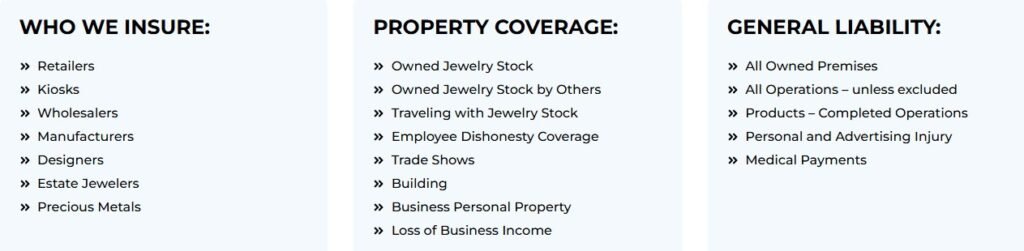
For jewelers expanding their inventory to include fine art, this partnership is essential. An expert broker—especially one like First Class Insurance Jewelers Block Agency who already understands high-value assets—can build a seamless policy. They ensure there are no dangerous gaps between your Jewelers Block insurance coverage and your fine art protection.
Whether you're a private collector or a gallery owner, a specialist broker is your first and best line of defense. They are there to safeguard both your passion and your investment. You can read also about our participation in key industry events.

Understanding Your Fine Art Insurance Policy

If you’re serious about protecting your collection, you have to look past the fine print of a standard commercial or homeowner’s policy. Those policies simply aren't built for the kind of risks that come with high-value art. This is where a specialist fine art insurance broker becomes your most important asset, helping you navigate the world of specialized coverage.
Think of it this way: a standard insurance policy is a checklist of “named perils.” It only covers a specific list of disasters, like fire, theft, or a burst pipe. If something happens that isn't on that list? You're out of luck. For delicate, high-value assets, this leaves some dangerous gaps.
The Gold Standard: All-Risk Coverage
A true fine art policy completely flips the script. It operates on an all-risk basis. Instead of listing what is covered, it covers literally everything except for a handful of specific exclusions. The difference is night and day, giving you far broader and more reliable protection.
If you own an insurance for jewelry business, you’re already familiar with this level of protection. The comprehensive coverage you get from a Jewelers Block insurance policy is conceptually the same. A broker who understands both worlds, like one from First Class Insurance Jewelers Block Agency, knows your art collection deserves the same high-level security as your jewelry store insurance.
The difference is huge. A named-perils policy probably won’t cover a sculpture accidentally knocked over at a gallery opening. An all-risk policy almost certainly will. It’s the undisputed gold standard for any serious collector or gallery.
Wall-to-Wall Protection: The Journey of a Sculpture
Picture a valuable bronze sculpture making its way from a gallery in New York to an art fair in London. The second it’s taken off the wall, it’s vulnerable. It faces risks during handling, packing, shipping, customs, unpacking, and installation. This is where "wall-to-wall" or "nail-to-nail" coverage is critical.
This specialized clause, a hallmark of a genuine fine art policy, protects your piece from the moment it leaves its original spot until it's safely back. It doesn't matter if the damage happens in a truck, on a plane, or at the exhibition. The art is covered. A good broker ensures this continuous protection is locked in, because nearly 50% of art damage occurs during transit.
This seamless coverage is the key difference between amateur and professional protection. Without it, you are left navigating a patchwork of separate transit, storage, and exhibition policies, each with its own limitations and potential for gaps in coverage.
Understanding Key Exclusions and Terms
Even with an "all-risk" policy, there will always be exclusions. A great fine art insurance broker will walk you through these terms so there are no surprises. For any collector or business owner seeking insurance for a jewelry store or art gallery, this clarity is non-negotiable.
Here are a few common terms you’ll see:
- Inherent Vice: This is damage from a flaw in the artwork itself. For example, if a painting’s canvas deteriorates because of the acidic materials the artist used, the policy likely won't cover it. It’s a problem with the piece, not an external event.
- Mysterious Disappearance: This covers a loss when you can’t prove what happened. If a small sculpture vanishes from a secure room with no sign of a break-in, this clause lets you file a claim. It’s a crucial feature often missing from standard policies.
- War and Terrorism: Damage from acts of war, civil unrest, or terrorism is almost always excluded.
- Improper Restoration: If a piece is damaged while being cleaned or repaired by a conservator, your policy might not cover it. This underscores just how important it is to work with vetted, proven professionals.
By getting a handle on these distinctions, you can look at any policy and know exactly where you stand. A fine art insurance broker turns confusing jargon into real-world insight, giving you the power to secure the right protection for your irreplaceable assets.
The Art and Science of Proper Valuation
In the world of fine art insurance, the single biggest point of conflict isn't theft or damage—it's value. The number one reason claims turn into disputes is an argument over what a piece was actually worth.
Value in the art market is a moving target, constantly shifting with an artist’s reputation, market trends, and an item's history. A specialist fine art insurance broker is your expert guide, making sure your policy reflects an asset's true financial standing before a loss ever happens.
This isn't just about ticking a box; it's about preventing the devastating discovery that you're underinsured when it's already too late. For a jewelry business branching out into fine art, getting this right is just as vital as having solid Jewelry store insurance.
Agreed Value vs. Current Market Value
The entire foundation of a strong fine art policy is built on how it defines value. A general property policy might use "Actual Cash Value," which tragically deducts for depreciation—a disaster for art that often appreciates over time.
Instead, the fine art world operates on two specialized methods. Your broker should steer you directly toward an Agreed Value policy, which is the gold standard for both fine art and Jewelers Block insurance.
With an Agreed Value policy, you, your broker, and the insurer all agree on a piece's specific value before the ink is dry. That value is locked in. If a total loss occurs, there’s no debate or last-minute appraisal; the insurer pays that exact, pre-negotiated amount.
This removes all the guesswork and is the only smart choice for a serious collection. The alternative, a "Current Market Value" policy, pays whatever the piece is worth at the time of the loss. While that might sound good in a booming market, it leaves you dangerously exposed if that artist's market has cooled, potentially paying you far less than your initial investment.
Comparing Valuation Methods for Fine Art Insurance
Understanding the two primary valuation methods in fine art insurance is essential. Choosing the right one is the key to preventing disputes and truly protecting your investment.
| Valuation Method | How It Works | Best For | Potential Pitfall |
|---|---|---|---|
| Agreed Value | The value of each item is determined and agreed upon by you and the insurer before the policy begins. This amount is fixed. | High-value, unique items like fine art, antiques, and significant jewelry where value is subjective and appreciates. | Requires an upfront, professional appraisal, which has a cost. The policy must be updated regularly to reflect appreciation. |
| Current Market Value | The insurer pays the value of the item in the open market at the time of the claim. | Less common for fine art; sometimes used for more fungible collectibles or in policies with less detail. | Puts you at the mercy of market fluctuations. A soft market for an artist could result in a payout lower than your purchase price. |
Ultimately, the certainty of an Agreed Value policy provides peace of mind that a market-based approach simply can't match.
The Broker’s Role in Solidifying Value
A top-tier fine art insurance broker doesn't just sell you a policy. They build the case for your asset's value, creating an ironclad file that stands up to scrutiny. This is where a firm like First Class Insurance Jewelers Block Agency brings the same rigorous process used for six-figure jewels to your art collection.
Their work involves:
- Connecting You with Certified Appraisers: They tap into their network of qualified, USPAP-compliant appraisers who live and breathe your specific corner of the art world. This ensures the valuation is both credible and defensible.
- Documenting Provenance: Your broker helps organize ownership history, exhibition records, and sales receipts. A strong, clear provenance doesn't just support value—it increases it.
- Negotiating with Underwriters: Armed with a professional appraisal and airtight documentation, your broker presents your collection as a well-managed, low-risk asset, not a gamble.
This foundational work is what separates a basic policy from true financial protection. Just as with high-end jewelry, strong documentation is your first and best line of defense, a concept you can explore further in this guide to how proper documentation protects your antique jewelry and art.
A Look into the Underwriting Process
Insurers care about more than just the art's value; they care about how you protect it. An underwriter's entire job is to measure risk, and your broker's job is to prove that you've minimized it.
They will absolutely want to know about your security, from central station alarms to your camera setup.
Key underwriting questions will focus on:
- Physical Security: Do you have professional alarm systems? What about secure locks, safes, or on-site staff for a gallery?
- Fire Suppression: Are smoke detectors in place? What kind of suppression system do you have? A traditional water sprinkler can cause as much damage as the fire it's meant to stop.
- Climate Control: Is the environment stable? Wild swings in temperature and humidity can cause "inherent vice"—damage that happens from within the object itself.
A knowledgeable broker anticipates these questions. By helping you present your professional-grade protections, they can negotiate better terms and more competitive premiums, ensuring you can Get a Quote for Jewelers Block and fine art that rewards your proactive risk management.
What to Do When You Need to File a Claim
An insurance policy is a promise on paper. The claims process is where that promise gets put to the test, providing real support when something goes wrong. It can feel overwhelming, but with a specialist fine art insurance broker in your corner, it becomes a professional, managed process.
Picture this: you've loaned a valuable painting for a local charity gala. In the middle of the event, it's accidentally knocked off its display, leaving a gash in the canvas. The moments after a discovery like that are critical. Your first call should be to your broker.
Immediate Actions and Documentation
Your broker will immediately guide you on how to contain the situation and start building your case. Getting this initial response right is the key to a smooth claim.
- Secure the Artwork: Carefully get the piece to a safe location where it won't be at risk of more damage.
- Document Everything: This is non-negotiable. Take clear, high-resolution photos of the damage from every angle you can think of. Also, photograph the surrounding area where it happened.
- Gather Information: Get contact details from anyone who saw what happened. If a report was filed with the event organizers or police, get a copy.
- Preserve Evidence: Don't try to fix anything yourself. Don't throw away the broken frame, the hanging wire, or anything else involved.
This immediate evidence is the bedrock of your claim. Your broker will take this documentation and use it to formally notify the insurance carrier, stepping in as your single point of contact and advocate.
This is where all your upfront work on valuation really pays off.

As you can see, solid appraisal and documentation aren't just for buying a policy—they are what prevent disputes and headaches long before a claim ever happens.
The Broker as Your Claims Advocate
This is where a specialist firm like First Class Insurance Jewelers Block Agency truly proves its worth. They don't just forward your paperwork and hope for the best; they actively manage the entire claims journey from start to finish. This is especially vital for professionals in the jewelry business, who know just how complex a high-value claim can get, whether it's for fine art or a Jewelers Block insurance policy.
Your broker handles all the moving parts for you:
- Liaising with the Insurer: They manage every phone call and email with the insurance company, presenting your claim in the strongest possible light.
- Managing the Loss Adjuster: They work directly with the adjuster the insurer sends out, making sure their assessment of the damage is fair, accurate, and complete.
- Engaging Restoration Experts: They tap into their network of trusted art conservators to provide an expert opinion on the damage, restoration costs, and any loss in value.
A specialist broker turns what could be an adversarial fight into a collaborative resolution. They negotiate on your behalf to secure a fair settlement, ensuring your interests are the absolute priority.
This level of expert intervention makes a real difference. One recent analysis found that 54% of fine art claims get complicated because the art was underinsured, often due to poor valuation. More importantly, specialist brokers are shown to reduce claim denial rates by 30% and help settle claims 25% faster simply because they know the process and the people involved. You can read more about these fine art insurance market findings.
Ultimately, your broker is there to make sure the promise of your policy is kept, turning a stressful crisis into a professional, managed solution.
How to Select the Right Fine Art Insurance Broker
Picking a fine art insurance broker is every bit as crucial as choosing the art you collect. This isn’t just about buying a policy. It’s about finding a true advocate who will protect your collection with specialized knowledge and unwavering focus.
You wouldn’t ask a general family doctor to perform open-heart surgery. So why would you trust a standard insurance agent with an irreplaceable, high-value art collection? You need a specialist.
Your broker is your personal risk advisor in the complicated world of fine art. They need to understand the logistics of a traveling exhibition, the precise security needed for a private collection, and even the new risks cropping up around digital art.
For a jeweler, this means partnering with someone like First Class Insurance Jewelers Block Agency, who brings the same rigorous standards of Jewelers Block insurance to the fine art space. The right broker doesn't just hand you a policy; they deliver genuine peace of mind.
Moving Beyond the Obvious Questions
When you’re vetting a potential broker, you have to push past the surface-level questions. "How long have you been in business?" is a start, but it tells you almost nothing about their actual ability to protect you.
True expertise is revealed in how they handle complexity, navigate niche insurance markets, and go to bat for you when things go wrong. A great broker is your quarterback, coordinating everything and everyone—appraisers, underwriters, and claims adjusters—to work in your favor.
A truly exceptional fine art insurance broker stands on three pillars: specialized expertise in the art market, deep market access to underwriters who understand high-value assets, and unwavering client advocacy, especially during the claims process. Their role is to be your trusted partner, not just a policy vendor.
Probing for True Expertise and Advocacy
To really gauge a broker's depth, you need to ask questions that force them to give specific examples and show their strategic thinking. The goal is to get past the sales pitch and into a real discussion about how they operate.
Try asking tough, direct questions like these:
- Claims Handling: "Tell me about a difficult or unusual claim you handled for a client. What was the situation, what role did you play, and what was the final outcome?"
- Underwriter Relationships: "How do you use your relationships with underwriters to get better terms for a complex collection—say, one with both fine art and high-value jewelry?"
- Emerging Risks: "How do you advise clients on new risks? For example, what’s your approach to insuring digital or NFT art, or dealing with threats like climate change affecting storage facilities?"
Their answers will tell you everything you need to know. You'll quickly see whether they’re just a reactive policy-pusher or a proactive partner who manages risk. Listen for confident, detailed answers rooted in real-world experience, not vague promises.
Checklist for Vetting Your Broker
Finding the right specialist requires a structured approach. Use this checklist as a framework to evaluate potential brokers, making sure you end up with a true expert who can protect your collection the way it deserves.
| Area of Inquiry | Essential Questions to Ask | What to Listen For (Green Flags) |
|---|---|---|
| Specialized Experience | Can you describe your experience with collections like mine in terms of value, medium, and complexity? How do you stay current on art market trends and risks? | Specific examples of insuring similar collections. Mention of ongoing education, art market publications, or industry conferences. |
| Market Access | Which insurance carriers do you work with for fine art? Are they specialists in this area? How do you ensure you're getting the most competitive terms? | Names of well-known, A-rated fine art insurers. A clear process for shopping the market and presenting multiple options. |
| Claims Advocacy | Walk me through your process when a client needs to file a claim. Who is my primary point of contact, and how will you act as my advocate? | A client-first process where the broker leads all communication with the insurer, coordinates with adjusters, and fights for the client’s best interest. |
| Risk Management | Beyond the policy, what risk management advice do you provide? Do you have referrals for appraisers, shippers, or security consultants? | Offers of proactive advice on security, transit, and storage. A network of vetted, trusted professionals they can connect you with. |
Ultimately, choosing a fine art insurance broker is an investment in your collection’s future. For anyone managing a diverse portfolio—from private art to a successful jewelry business—this decision is absolutely critical.
An expert broker provides more than a policy. They build a shield of protection based on expertise, access, and advocacy. Before you make a final decision, be sure to Get a Quote for Jewelers Block and fine art coverage to see exactly how a specialist can design a superior plan for your unique needs.
Partner with First Class Insurance to Protect Your Collection
If this guide has shown you anything, it's that you absolutely cannot leave the protection of your high-value assets to chance. Choosing the right fine art insurance broker is, without a doubt, the single most important move you'll make to safeguard your collection. At First Class Insurance Jewelers Block Agency, that’s a principle we've built our business on for over 30 years.
Our deep roots are in crafting ironclad Jewelers Block insurance policies, and we bring that same obsessive attention to detail to the world of fine art. This is a huge advantage for our many jewelry clients now diversifying into art. You get a seamless experience with a partner who already knows your business, understands your risk profile, and operates at the high standard you expect. We close the dangerous gaps that can open up when you have separate policies with different carriers.
An Integrated Approach for Jewelers and Collectors
If you're a professional in the jewelry business or already have insurance for a jewelry store, you know just how critical specialized coverage is. We simply extend that same level of forensic protection to your fine art, bringing your entire portfolio of valuable assets under one expert roof. With nationwide licensing and a non-negotiable commitment to responsive, personal service, we deliver genuine peace of mind.
Partnering with an expert who understands both the art and jewelry markets ensures that no detail is overlooked. We bridge the gap between standard jewelry store insurance and the nuanced world of fine art, providing a single, cohesive shield for your investments.
Getting started is simple. Our team is ready to put together a custom quote, often in less than 24 hours. Let us show you what it feels like to have the confidence that comes from knowing your collection is protected by an expert who is fluent in both worlds. We know how to protect irreplaceable assets, whether they’re hanging on a gallery wall or sitting in a display case.
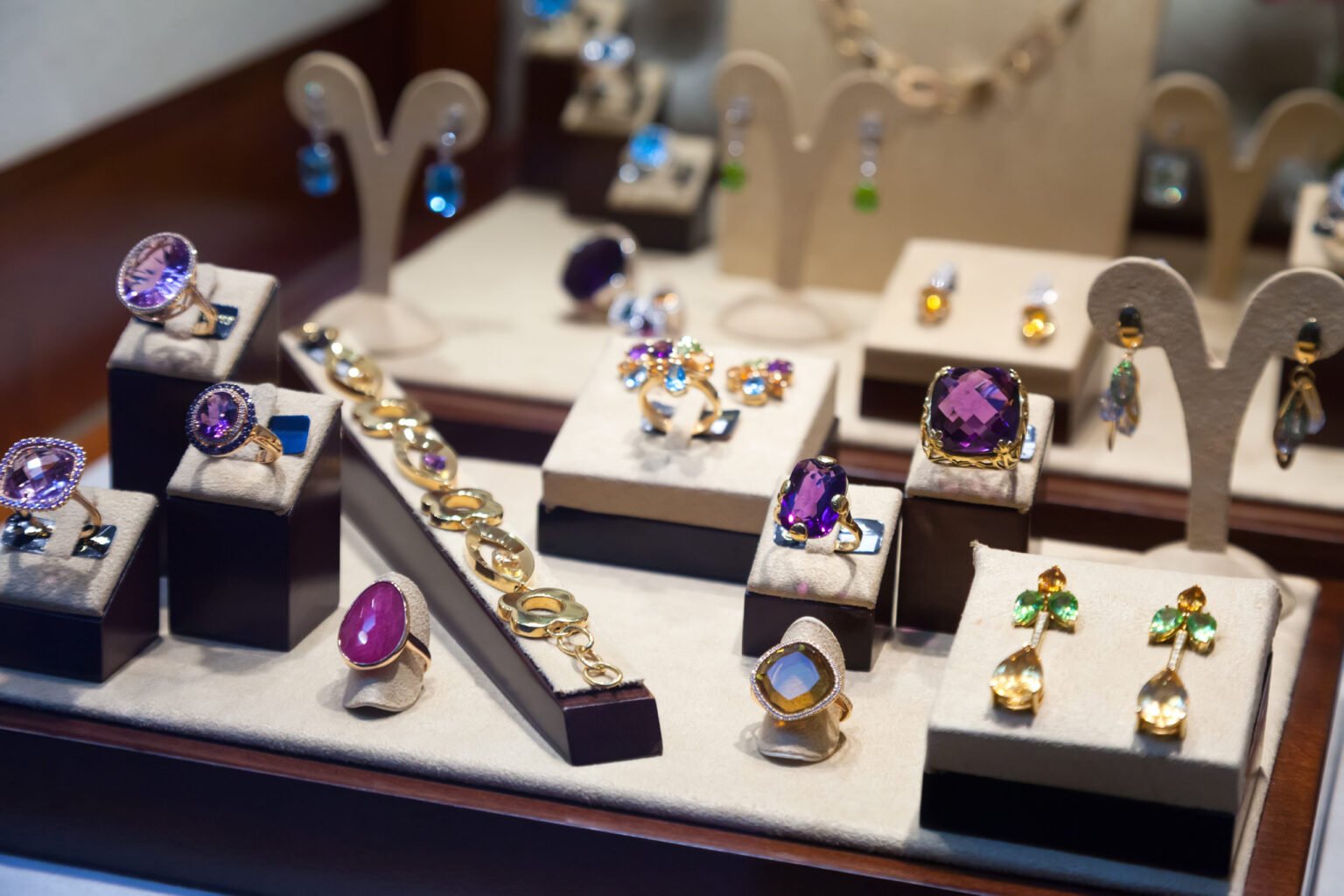
To see the kind of stunning pieces we help protect, take a look at how we insure high-value diamond jewelry. Don’t leave your collection vulnerable for another day—let's secure its future together.

Frequently Asked Questions
When it comes to protecting high-value art, a lot of questions come up. Whether you're a private collector, a gallery owner, or a jeweler with fine art pieces, getting straight answers is the first step toward getting the right coverage.
Here are some of the most common questions we hear—and the answers you need.
How Much Does Fine Art Insurance Typically Cost?
The cost of a fine art policy isn't a flat fee; it’s a direct reflection of your collection's value and risk. Expect the annual premium to fall somewhere between 0.15% and 1.0% of your art's total insured value.
So what determines your exact rate? An underwriter looks at everything from the total value and your security measures to geographic risks like theft or natural disasters. Your own claims history also plays a big role. This is where a specialist fine art insurance broker earns their keep—they use their deep market knowledge to negotiate the best possible rate based on your specific situation.
Is My Art Covered Under My Homeowner's Policy?
Almost certainly not. Relying on a standard homeowner's policy for serious art is one of the biggest, and most common, mistakes we see. These policies usually cap coverage for valuables at a tiny amount, often around $2,500.
Worse, they almost never cover common risks like damage during shipping and pay claims based on "actual cash value," meaning they subtract for depreciation. A dedicated fine art policy protects the full "agreed value" of your art with "all-risk" coverage, making it an absolute necessity, just as specialized Jewelry store insurance is for a high-value inventory.
What Is the Difference Between a Broker and an Agent?
This isn't just a technicality—it’s the most important choice you'll make when protecting your assets. It all comes down to who they work for.
- An insurance agent works for one insurance company. They can only sell you that company’s products.
- A fine art insurance broker works for you.
A broker from a firm like First Class Insurance Jewelers Block Agency is your independent advocate. We have access to the entire market and can shop multiple insurers to find the absolute best terms and pricing for your needs, whether that's for fine art or Jewelers Block insurance. For specialized assets, a broker's expertise is your single most valuable tool.
At First Class Insurance, we know that protecting your entire collection—from precious metals to fine art—needs to be a seamless, expert process. Our deep roots in the insurance for jewelry business give us a powerful foundation for safeguarding all of your valuable assets. Get a Quote for Jewelers Block and Fine Art coverage today.