
Ever had a customer bring back a piece, frustrated by that dull, dark film that wasn’t there a week ago? Or walked into your own store to find your brightest silver displays looking a little sad? That’s tarnish, and it’s more than just a cosmetic nuisance—it’s a constant operational challenge for every jeweler and collector.
While a quick polish can fix the immediate problem, understanding the why behind tarnish is the real secret to protecting your inventory and saving yourself a lot of headaches.
The Science Behind Why Your Jewelry Tarnishes

First things first: tarnish isn't a sign of cheap material. It's a completely natural chemical reaction called oxidation. It happens when metals, especially the alloys mixed into sterling silver and lower-karat gold, react with sulfur compounds floating in the air.
The primary culprit is hydrogen sulfide gas, but it gets help from everyday environmental factors. Think humidity, the chemicals in perfumes and lotions, and even the oils on our skin. For a business, this natural process is a direct threat to your bottom line.
The Business Cost Of Tarnish
Every minute spent polishing a piece is a minute you aren't selling. Tarnish directly translates into labor costs and, if left unchecked, devalued inventory. The problem is bigger than you might think.
Industry data shows that U.S. jewelers spend upwards of $500 million a year on polishing and restoration. A staggering 65% of that cost is dedicated to combating tarnish on silver alone, simply because it reacts so quickly. You can get a deeper dive into the science on sites like Kernowcraft.com.
This isn't a slow-moving issue, either. A perfectly polished silver ring can start to dull in just 24-48 hours if the humidity climbs above 50%—a common scenario in most retail spaces. It's a constant battle.
How Different Metals React To Tarnish
Not all your inventory is at equal risk. Pure gold and platinum are noble metals, meaning they're highly resistant to oxidation. But the alloys we use to make jewelry durable and affordable? That's where the vulnerability lies.
For a jewelry store, knowing the tarnish rate of each metal in your inventory is the first step toward effective asset management. It allows you to prioritize care, adjust storage, and protect your most vulnerable pieces before they lose their showroom shine.
Understanding these differences helps you create a smarter storage and display strategy. Below is a quick reference guide that breaks down the most common metals you'll handle.
Tarnish Speed And Common Causes By Metal Type
This table offers a comparative look at how quickly different popular jewelry metals tarnish and the primary environmental triggers for each. For anyone managing a diverse inventory, this is crucial information for prioritizing care.
| Metal Type | Typical Tarnish Speed | Primary Causes | Appearance of Tarnish |
|---|---|---|---|
| Sterling Silver (925) | Fast (days to weeks) | Sulfur, humidity, chemicals | Dark gray to black film |
| Gold (14K-18K) | Slow (months to years) | Alloy metals reacting, sweat | Dark or reddish discoloration |
| Gold-Plated | Variable (weeks to months) | Base metal exposure, friction | Dark spots where plating wore off |
| Copper & Brass | Very Fast (days) | Oxygen, moisture, acids | Green (verdigris) or black patina |
As you can see, some pieces need far more attention than others. While diligent cleaning is your first line of defense, it can't protect you from everything.
That's where a comprehensive Jewelers Block insurance policy becomes non-negotiable. For a jewelry store, insurance for your business provides the critical financial backup against risks that polishing can't fix, like theft or catastrophic damage. A specialized agency can build a policy tailored to the unique risks you face, ensuring your assets are protected from every angle.
The Right Way to Clean Your Jewelry
Before you even think about reaching for a commercial dip or abrasive polish, let's talk. For any jeweler, knowing how to properly remove tarnish is a core part of managing your inventory and keeping it pristine. The best part? You almost certainly have everything you need for a professional-grade clean sitting in your kitchen right now.
The Best Trick for Tarnished Silver
For sterling silver, especially when you're dealing with heavy tarnish, there's one method that stands above all others: the electrochemical bath. This process uses a gentle reaction to transfer the sulfur (the tarnish) from your silver directly onto a piece of aluminum foil. It literally reverses the tarnishing process without scratching the surface or removing a single fleck of metal.
Here’s the simple recipe:
- Grab a glass or ceramic bowl and line it with aluminum foil, shiny side up.
- Fill it with hot water—not boiling, just hot from the tap.
- Stir in a tablespoon of baking soda and a teaspoon of salt until dissolved.
Lay your silver pieces in the bowl, ensuring they touch the foil. You’ll see the tarnish start to disappear almost immediately. After about 2-5 minutes, use tongs to pull them out, give them a quick rinse under cool water, and pat them completely dry with a soft, lint-free cloth.
This simple home solution of baking soda, salt, and warm water is remarkably effective, removing up to 90% of surface tarnish in just minutes. It preserves the metal far better than commercial dips, which can actually etch away 0.01mm of silver with every single use. If you want to dive deeper into the science, the experts at Kernowcraft have a great explanation.
Mastering this technique is a huge win for anyone managing a lot of silver. It saves a massive amount of time and prevents accidental damage.
A Gentler Touch for Plated and Fashion Jewelry
That foil bath is a powerhouse for solid silver, but you wouldn’t want to use it on everything. Gold-plated, vermeil, and most fashion or costume jewelry need a much softer approach. The base metals in these pieces can be unpredictable, and any aggressive cleaning could cause the delicate plating to flake right off.
For these more sensitive items, nothing beats a simple soap and water wash. Just mix a few drops of a mild, phosphate-free dish soap into a small bowl of warm water. Let your plated pieces soak for just a minute or two—prolonged submersion can weaken adhesives.
Then, use an ultra-soft tool, like a baby's toothbrush or a Q-tip, to gently work away any built-up grime. Once clean, rinse each piece under cool water and immediately pat it dry with a soft cloth. Getting it 100% dry is the most important step here, as it prevents water spots and stops new tarnish from forming.
No matter how careful you are, cleaning always introduces a tiny bit of risk. That’s why physical care and financial protection have to go hand-in-hand. Having solid insurance for a jewelry store isn’t just a good idea; it’s non-negotiable.
A specialized Jewelers Block insurance policy is built to cover the specific risks we face in this industry. It’s your safety net against catastrophic events like theft, fire, or damage during shipping. Before you find yourself in a tough spot, take a moment to get a quote for Jewelers Block from a trusted agency like First Class Insurance. The right insurance for your jewelry business is the ultimate protection for the assets you’ve worked so hard to build.
Cleaning Protocols For Different Jewelry Types
Treating your entire jewelry inventory with a single cleaning method is a fast track to some very expensive mistakes. For any jewelry business, this kind of specialized knowledge isn't just about making things sparkle; it's about protecting the value of every single asset you own.
Knowing how to get tarnish off jewelry is only one piece of the puzzle. You have to match the right method to the right material. This guide breaks down the specific cleaning protocols for the most common jewelry you'll handle, from tough-as-nails platinum to the most sensitive plated items.
This quick decision tree is a great starting point for figuring out which cleaning path to take.

Think of the chart as your first, crucial step. It helps you get started on the right foot, especially when dealing with common tarnishing culprits.
Handling Solid Gold And Platinum
Solid gold and platinum are the workhorses of the jewelry world. We love them for their beauty and their natural resistance to corrosion. While they don't tarnish like silver, daily wear can leave them looking dull from a buildup of oils, lotions, and grime.
Because they're so durable, you can use a slightly more robust cleaning process. A simple solution of mild soap and warm water works well, but for a truly deep clean, an ultrasonic cleaner is often the most efficient choice—as long as the piece isn't set with delicate stones. The high-frequency vibrations are fantastic for dislodging dirt from intricate settings and chains. Still, even with these tough metals, always use a gentle hand.
Of course, for pieces that are actually prone to tarnishing, you'll need a different approach. Learning how to clean silver chains properly is a fundamental skill for keeping them brilliant.
Navigating Gold-Plated And Vermeil Pieces
When you're dealing with gold-plated and vermeil jewelry, you have to shift gears completely. These pieces have just a thin layer of gold over a base metal like copper or brass, so a delicate touch is non-negotiable. Any aggressive scrubbing, harsh chemicals, or abrasive cloths will strip that plating right off, ruining the piece for good.
First rule: never put plated jewelry in an ultrasonic cleaner. The vibrations can easily cause the thin gold layer to flake away. Instead, stick to the gentlest method possible.
- Mix a gentle solution: A few drops of mild, phosphate-free dish soap in a bowl of lukewarm water is all you need.
- Keep the soak brief: Submerge the piece for just a minute or two at most. Soaking for too long can weaken any adhesives used in the settings.
- Clean carefully: Use something very soft, like a cotton swab or a baby toothbrush, to gently work around the details.
- Rinse and dry immediately: Rinse thoroughly under cool running water, then pat completely dry with a soft, lint-free cloth. Don't skip this final step; it's critical for preventing water spots and slowing down oxidation.
The Special Case Of Gemstones And Pearls
This is where a simple cleaning mistake can become an irreversible and costly disaster. Porous and organic gems are incredibly sensitive to chemicals, heat, and sometimes even plain water. Using the wrong technique can cause cracking, discoloration, or a permanent loss of that beautiful luster.
A cardinal rule every jeweler must live by: Ultrasonic cleaners are a serious hazard for many gemstones. It's estimated you should avoid them for 40% of treated gems, including popular stones like opals and turquoise, as the intense vibrations can cause them to crack or shatter.
Here’s a quick-reference guide for some of the most common sensitive materials you'll encounter.
| Material | Safe Cleaning Method | What to Avoid at All Costs |
|---|---|---|
| Pearls | Wipe with a soft, damp cloth. Let air dry. | Chemicals, ultrasonic cleaners, and soaking in water. |
| Opals & Turquoise | Wipe with a soft, dry cloth only. | Water, soaps, ultrasonic cleaners, oils, and chemicals. |
| Emeralds | Gently wipe with a soft cloth and a touch of oil. | Ultrasonic cleaners, steam cleaners, and harsh soaps. |
| Coral & Amber | Wipe with a damp cloth and dry immediately. | Chemicals, heat, and prolonged exposure to water. |
For truly valuable or antique jewelry with complex settings and delicate stones, the risk of a DIY cleaning mistake is just too high. You can see examples of what to look out for in our visual guide to antique jewelry. In these cases, professional cleaning is always the safest bet.
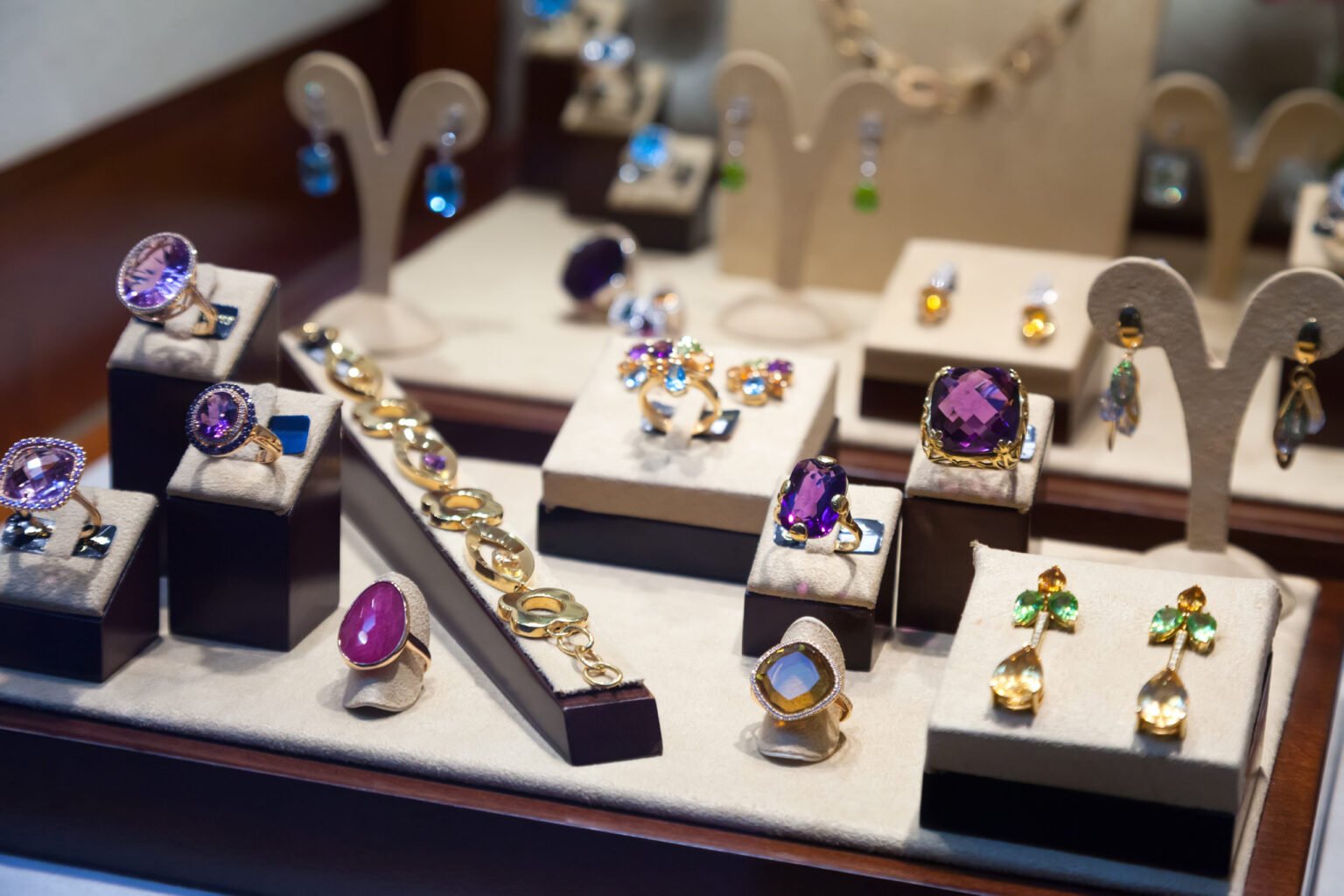
However, even the most diligent care can’t prevent every accident, loss, or theft. That's where your financial safety net comes in. A robust Jewelry store insurance policy is what protects the value of your inventory when physical care isn't enough. Having the right insurance for a jewelry store is simply an essential part of a complete asset protection strategy.
Stop Tarnish Before It Starts: A Proactive Prevention Strategy

Knowing how to clean tarnished jewelry is a good skill. But if you’re constantly cleaning, you’re losing money. The real secret to a pristine inventory isn’t reactive polishing—it’s proactive prevention.
Making that shift from a cleaning mindset to a preservation strategy is one of the smartest operational moves you can make. It saves countless hours of labor and, more importantly, protects the value of your assets. With a few smart habits, you can dramatically slow down oxidation, keeping your pieces ready for the showroom floor.
The Power Of Proper Storage
The biggest weapon you have against tarnish is controlling the environment. Tarnish is a chemical reaction that needs two main ingredients: air (specifically, sulfur compounds) and humidity. Take those away, and you stop tarnish cold.
For any jeweler, this starts with using airtight bags or containers, which can reduce oxygen exposure by up to 80%. Many of our clients at First Class Insurance slash their restoration-related claims by as much as 40% just by getting serious about their storage. It's a small change with a massive impact.
The same logic applies to your display cases. Lining them with anti-tarnish cloths or tucking in some anti-tarnish strips actively absorbs the sulfur compounds that would otherwise dull your silver.
Control Your Environment
If air is the fuel for tarnish, humidity is the accelerator. Your goal should be to keep the relative humidity in your showroom and storage areas below 50%.
Here are a few practical ways to get there:
- Get a Dehumidifier: For a stockroom or showroom, a good commercial-grade dehumidifier is a no-brainer.
- Use Silica Gel: In smaller spaces like safes and display cases, silica gel packets are a cheap and effective way to pull moisture out of the air.
- Monitor Your Levels: A simple hygrometer lets you spot a problem before it starts costing you.
Think of your storage strategy as part of your security system. You lock the doors to stop thieves. You control the environment to stop tarnish—a silent threat that erodes your profits day by day.
For more detailed tips on caring for specific materials, this guide to Cleaning Your Jewelry is an excellent resource.
The Financial Side Of Prevention
Every minute and dollar you put into tarnish prevention is an investment. But even the most diligent jeweler can’t prepare for everything. A burst pipe can create a humidity crisis, or a fire can cause damage that no amount of polishing can fix. And if you're managing high-value inventory like fine watches, you need a different level of protection. You can review our guide on protecting watch collections for more on that.
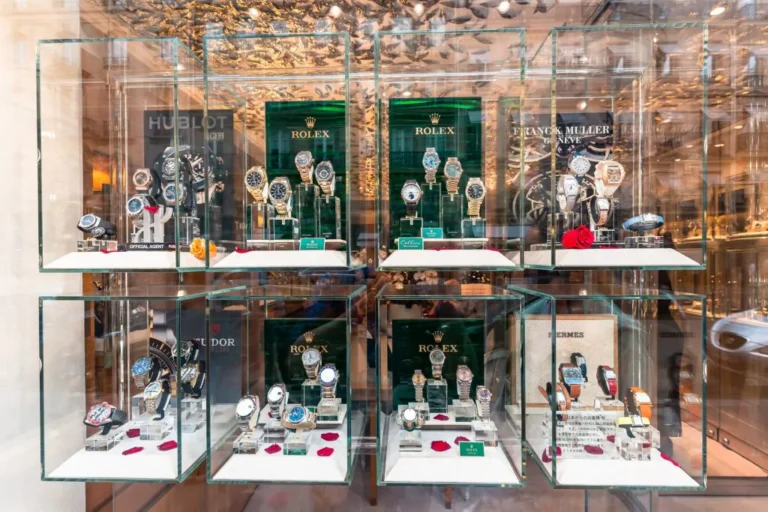
This is where physical care meets financial security. A specialized Jewelers Block insurance policy is the final piece of the puzzle, covering your jewelry store insurance needs against those larger, unforeseen disasters. The right insurance for a jewelry store protects your inventory from catastrophic loss due to fire, water damage, theft, and more.
Working with a dedicated agency like First Class Insurance Jewelers Block Agency ensures you can get a quote for Jewelers Block that's built for your specific business. Proper insurance for your jewelry business isn't just a good idea—it's the ultimate proactive step to protect the assets you've worked so hard to build.
Protecting Your Assets Beyond The Polishing Cloth
Meticulous cleaning is part of the job. You know how to get tarnish off jewelry and make every piece in your inventory sparkle. But a polishing cloth can’t do anything to protect your business from the real threats: theft, a fire, or a piece that simply vanishes into thin air.
While physical care keeps your inventory looking pristine, true asset protection requires a completely different mindset. You have to think beyond the workbench and start thinking about your financial security. Your inventory isn't just a collection of beautiful objects—it's the core financial asset of your business, and it needs a serious defense strategy.
From Restoration To Risk Management
Knowing when to put down the cleaning tools is the first step. For some pieces, DIY is a non-starter. A valuable antique with a delicate patina or a custom ring with complex settings should always go to a professional restorer. Trying to save a few dollars by cleaning it yourself is a huge gamble when one slip-up can devalue a piece by thousands.
But restoration is reactive; it only fixes damage after it’s already happened. Real protection comes from comprehensive insurance that shields you from the financial fallout of events that have nothing to do with tarnish. This is where your day-to-day care routines meet your long-term financial strategy.
Why Jewelers Block Insurance Is Essential
For any serious jeweler, a standard business insurance policy is dangerously insufficient. It just wasn't built for the unique, high-stakes risks of our industry. That’s why specialized Jewelers Block insurance isn't a luxury—it’s a foundational requirement for staying in business.
A Jewelers Block policy is designed from the ground up to cover the threats you actually face.
- Theft: This covers everything from a smash-and-grab robbery to a sophisticated overnight burglary.
- Mysterious Disappearance: Covers those baffling situations where inventory goes missing with no explanation, a risk most standard policies won't touch.
- Damage: Protects your stock from catastrophic events like a fire, flood, or other disasters.
- In-Transit Loss: Your pieces are protected while being shipped to clients, sent to another location, or out on memo.
This is about more than just replacing inventory. Proper insurance for a jewelry store ensures business continuity. It means that one terrible day—a break-in, a fire—doesn't shut your doors for good.
Integrating Care And Coverage
Your careful handling procedures and your insurance coverage are two sides of the same coin. Insurance carriers look favorably on businesses that actively manage their risk, and good practices often translate to better rates.
Our data shows that 85% of tarnished jewelry claims in high-value collections stem from preventable issues like improper storage and accidental chemical exposure. Proactive care directly protects your bottom line.
Just think about the value tied up in a single high-end piece, like one of the stunning rings you can see in this gallery of high-value rings. These items demand more than just a soft cloth and a secure safe.

When you merge smart physical care with solid financial protection, you build a resilient insurance for jewelry business strategy. By showing underwriters you're a responsible steward of your assets, you become a much more attractive partner.
Finding The Right Partner
Navigating the world of jewelry store insurance can feel overwhelming. You need an expert who speaks your language and truly understands the nuances of your business. This is where working with a specialty agency like First Class Insurance Jewelers Block Agency makes all the difference.
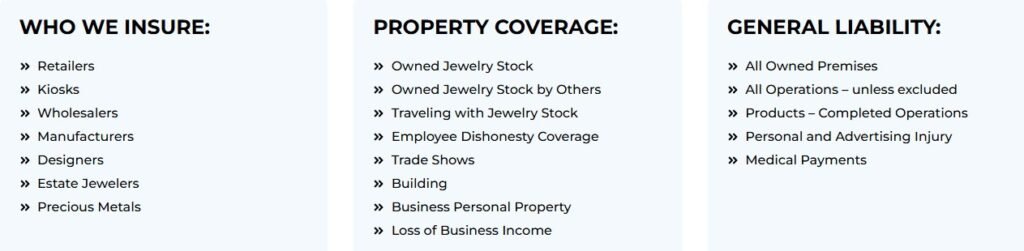
We don't just sell policies; we build partnerships. We'll work with you to create coverage that fits your specific operation, whether you're a retailer, wholesaler, or private designer. The goal is to build a complete shield for your inventory, your reputation, and your peace of mind.
Don’t wait for a disaster to discover a gap in your coverage. Take the proactive step and get a quote for Jewelers Block to see just how affordable real security can be.
Common Questions About Tarnish Removal
When it comes to jewelry care, misinformation is everywhere. As a jeweler, you’re not just protecting your own inventory; you’re the trusted source of advice for your clients. Getting the facts straight is essential for both. Let’s tackle some of the most persistent questions and myths we hear, so you can make decisions that protect your valuable assets.
Can I Use Toothpaste To Clean My Silver Jewelry?
Let’s put this one to rest for good: absolutely not. It’s an old wives’ tale that has probably caused more damage over the years than it has ever helped.
Toothpaste is an abrasive. It’s designed to scrub tough plaque off tooth enamel, which is much harder than precious metal. On a softer surface like silver, those same abrasives create thousands of tiny scratches, dulling the finish over time. You’re essentially stripping away the luster and, with it, the piece's value. Instead, stick to the professional methods we discussed earlier—a gentle baking soda paste or a high-quality polishing cloth that lifts tarnish without scratching the metal.
How Often Should I Clean My Jewelry To Prevent Tarnish?
There’s no magic number here. The right frequency really depends on how the jewelry is worn and stored. For pieces in your personal daily rotation, a quick wipe with a soft, dry cloth after taking them off is a great habit. It removes the oils and sweat that accelerate tarnishing.
For your store inventory or pieces in storage, a quarterly check-in is a good baseline. But honestly, the best approach is prevention. Focus your energy on proper storage in airtight containers or bags rather than on a rigid cleaning schedule. A deep clean is only necessary when you see dulling or discoloration start to appear. If you store it right, you'll find those deep cleans become a rare occasion.
Proactive care is always more effective and less labor-intensive than reactive cleaning. The goal is to create an environment where tarnish struggles to form in the first place, saving you time and protecting your inventory.
Are Commercial Jewelry Dips Safe To Use?
This is a tricky one. The short answer is to be extremely cautious, if you decide to use them at all. While chemical dips promise a quick fix, they are often incredibly harsh and can do more harm than good.
These aggressive chemicals can strip the surface layer of the metal. That's a huge problem for plated items, which can be ruined in seconds, and for antiques where a natural patina is part of the value. Worse, they can cause irreversible damage to porous gemstones like opals, turquoise, pearls, and coral. For a professional managing a diverse collection, the risk of destroying a valuable piece by accident is just too high. Gentle, manual cleaning is almost always the safer bet.
Does Jewelers Block Insurance Cover Damage From Improper Cleaning?
This is a critical distinction for any jewelry business owner to understand. Your standard Jewelers Block insurance policy is built to cover catastrophic risks—think theft, fire, loss in transit, or mysterious disappearance. It’s not designed to cover gradual damage that happens over time, like developing tarnish or botched cleaning attempts.
That’s precisely why having documented, professional cleaning protocols is a non-negotiable part of your risk management strategy. Your insurance for jewelry business is your safety net for major, unforeseen disasters; your daily best practices are what protect you from gradual degradation.
Of course, a specialized agency understands these fine points. At First Class Insurance Jewelers Block Agency, we partner with you to understand your specific operations. This ensures the insurance for your jewelry store truly aligns with your day-to-day risks. When you get a quote for Jewelers Block, you're not just buying a policy—you're securing your business from every angle.
Protecting your inventory goes beyond knowing how to get tarnish off jewelry. It's about having a complete financial safety net. For a policy built around the real risks your business faces, partner with the experts at First Class Insurance. Find peace of mind and get a custom quote today by visiting us at https://firstclassins.com.