
A lot of affluent clients feel fully insured right up to the moment a claim exposes the gaps.
A collector lends a painting to a gallery. A jeweler ships a custom diamond piece to a client. A family moves a watch collection between homes before a renovation. Then something goes wrong, and the policy that looked fine on paper pays only a fraction of the actual loss, excludes transit, or disputes value because the appraisal is stale. That’s usually when high net worth individuals insurance stops sounding optional and starts looking like a core part of wealth preservation.
For people with meaningful tangible assets, insurance isn’t just about replacing property. It’s about protecting liquidity, avoiding forced sales, preserving family continuity, and keeping a business or collection from taking a hit that standard coverage was never built to absorb. That matters even more when your portfolio includes passion assets such as jewelry, fine art, collector vehicles, yachts, wine, or a jewelry business with inventory moving through showcases, safes, repair benches, and shipments.
The market itself reflects that shift. The global market for insurance designed for high net worth individuals was valued at $103.514 billion in 2024**, and North America accounted for 40% share, according to Cognitive Market Research’s HNWI insurance market report. The same report ties that demand to more complex wealth, broader risk awareness, and more personalized underwriting.
Introduction The Hidden Risks in Your Portfolio
A high-value loss rarely happens in the safest, simplest setting.
It happens while the item is in motion, on display, on loan, being repaired, being photographed, being worn on a trip, or sitting in a place the insured assumed was covered. That’s why affluent households and jewelry businesses run into trouble with insurance. Their most important assets don’t stay in one drawer under one roof.

Where affluent portfolios get exposed
A standard policy may work well enough for an ordinary loss. It usually breaks down when the claim involves rarity, provenance, transit, restoration, or disputed value.
That’s especially true for people who own:
- Jewelry collections that travel or change value over time
- Fine art that may be loaned, restored, or moved between residences
- Yachts and specialty vehicles that need separate underwriting logic
- A jewelry store or wholesale operation with inventory, tools, and shipments moving constantly
- Family assets with legacy value where replacement isn’t just financial
The mistake I see most often is simple. People insure the object, but not the way they use it.
A ring can be covered at home and still be poorly protected in transit. A painting can be listed on a household schedule and still create a fight if it’s damaged while off-premises. A jeweler can carry business insurance and still have a major gap between store stock, repairs in custody, and goods traveling to a show.
Insurance for affluent clients works when it follows the asset’s real life, not the owner’s assumptions.
Insurance as a preservation tool
The right approach treats coverage as part of portfolio defense.
For a collector, that means accurate values, broader causes of loss, and claims handling that understands specialty property. For a jewelry business, it means combining commercial coverage with jewelers-specific protection that addresses theft, mysterious disappearance, and transit exposures. For a family office, it means making sure personal risk, business risk, and legacy planning aren’t operating in separate silos.
This is the appropriate context for high net worth individuals insurance. It protects the balance sheet, but it also protects flexibility. If a large uninsured loss hits a collection, a showroom, or an estate, the damage isn’t limited to the missing asset. It can interrupt sales, trigger tax and liquidity problems, strain family planning, and force bad decisions at the worst time.
Why Standard Insurance Fails Affluent Lifestyles
Most coverage problems start with a bad assumption. The client assumes a high premium means broad protection. The policy often says otherwise.
Mass-market homeowners and standard business packages are built for common risks and ordinary valuation disputes. They’re not built for collections, uncommon materials, shifting appraisals, or inventory that leaves the premises. That mismatch is where affluent clients lose money.

The sub-limit problem
The clearest example is jewelry. Standard homeowners policies often cap jewelry at $1,000 to $2,500 per item, while HNWI policies can provide scheduled coverage exceeding $50,000 per item, according to Duncan Insurance’s high net worth insurance guide.
That gap is not theoretical. It determines whether a loss feels manageable or devastating.
If someone owns engagement jewelry, signed pieces, heirloom diamonds, or custom work, those standard sub-limits aren’t just low. They’re structurally wrong for the risk.
The wrong valuation method
Another failure point is how value gets measured.
Standard policies often rely on valuation language that leaves room for depreciation arguments, restricted replacement logic, or disputes over like-kind replacement. Specialty coverage is more likely to use scheduled values, agreed terms, or clearer replacement standards that fit the asset.
That matters for items with thin markets. A signed bracelet, antique brooch, or gallery-acquired painting doesn’t behave like generic personal property. If the form treats it that way, the claim almost always disappoints.
Exclusions that matter more than people think
Affluent clients don’t usually lose sleep over a sofa or television claim. They worry about unusual losses. Theft without visible forced entry. A stone missing after wear. A piece damaged in shipment. Art harmed while being handled for installation. Repair property not returned. Items going missing during travel.
Those are exactly the situations where standard forms narrow coverage.
Practical rule: If the item is portable, rare, collectible, loaned, worn, shipped, or entrusted to others, don't assume a standard policy was written with that exposure in mind.
Standard Homeowners vs. High-Net-Worth Insurance
| Coverage Feature | Standard Homeowners Policy | Specialized HNWI Policy |
|---|---|---|
| Jewelry item limits | Often $1,000 to $2,500 per item | Scheduled coverage can exceed $50,000 per item |
| High-value claim outcome | Greater chance of major uninsured loss | Built for scheduled and specialty property |
| Transit and mysterious disappearance | Often restricted or excluded | More likely to address these exposures directly |
| Fine art and collectibles | Treated as personal property with limitations | Underwritten as specialty assets |
| Claims handling | Generalist approach | Better suited to appraisal and specialty property issues |
What works and what doesn’t
What works is straightforward. Separate the ordinary assets from the exceptional ones, then insure the exceptional ones on forms designed for them.
What doesn’t work is trying to “endorse your way out” of a mass-market policy that was never built for a collection, a showroom, or a high-value lifestyle. A few added riders can help, but they usually don’t solve the core problem of valuation, breadth of coverage, and claims handling.
The cost of getting that wrong can be severe. Duncan Insurance notes that this kind of mismatch can lead to 70% to 80% out-of-pocket losses in high-value claims under standard coverage structures. That’s not a pricing issue. It’s a design issue.
Building Your High-Value Asset Protection Portfolio
A good protection plan starts by grouping assets by how they behave, not by where they happen to sit today.
That means separating personal jewelry from business stock, private collections from household contents, and mobile property from fixed property. Once you organize the risk correctly, the right policy type becomes much easier to identify.

Personal jewelry and watch collections
Private collections need more than a blanket valuables endorsement.
They need scheduling, current appraisals, and terms that match actual use. Jewelry is worn. Watches travel. Pieces get resized, repaired, photographed, loaned for events, and stored in more than one location. Coverage should follow those realities.
Collectors who own modern horology should also think beyond purchase price. Some models hold value differently than others, and market attention can change quickly. For that reason, a practical resource such as luxury watches that hold value can help owners think more carefully about documentation and insurance scheduling.
Useful file support includes:
- Purchase records
- Current appraisals
- Detailed photographs
- Any lab reports or brand certificates
- Repair and service history
Fine art and private collections
Art should be insured based on how it moves through your life.
A piece hanging in a primary residence is one exposure. A piece in storage is another. A piece on loan to a museum or gallery introduces handling, transit, and venue-related issues. If your policy doesn’t reflect those changes, the wording may fail when the claim arrives.
Collectors should review whether the policy addresses:
- Transit between homes or storage
- Professional packing and handling
- Temporary exhibition or loan
- Restoration after partial damage
- Breakage and accidental damage triggers
Yachts, exotic cars, and adjacent lifestyle assets
These assets create a different insurance problem. The issue is less about household sub-limits and more about specialized underwriting.
A collector car needs agreed value thinking. A yacht needs navigation, crew, mooring, and liability analysis. Exotic vehicles may have limited-use patterns, storage dependencies, and repair concerns tied to scarce parts or approved shops.
The key lesson is simple. Don’t bury specialty assets inside a broad package and hope for the best.
Jewelry businesses need a separate playbook
Many affluent owners blur the line between personal wealth and commercial risk.
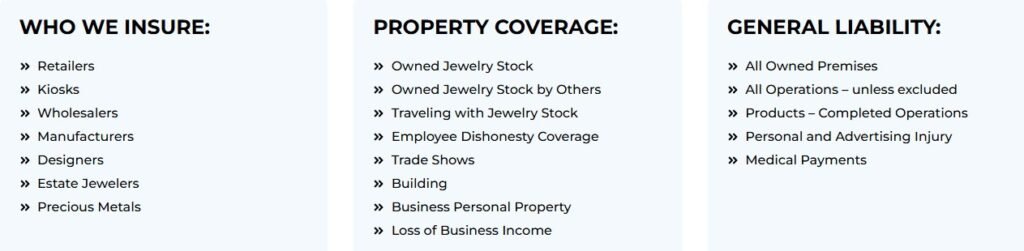
A jewelry store insurance program has to address showroom stock, backroom inventory, consignments, customer property, repair items, tools, showcases, employee dishonesty concerns, and goods in transit. Insurance for a jewelry store is operational. It has to reflect how merchandise is bought, sold, repaired, displayed, shipped, and taken off-site.
A wholesaler has another pattern of risk. Inventory may move between offices, couriers, clients, trade shows, and international channels. Independent artisans and bench jewelers have yet another pattern, with exposure around entrusted property, work in progress, and tools that standard business owners policies often treat too broadly.
A personal valuables schedule and an insurance for jewelry business policy are not interchangeable. They solve different problems, even when the owner is the same person.
One market signal is worth paying attention to. The Lloyd's platform image is a reminder that specialist underwriting for unusual or high-severity risk has long mattered in this space. Jewelry and collectible exposures often require that same specialty mindset.

A practical portfolio structure
For most affluent clients with passion assets, the protection stack looks something like this:
- High-value home and personal liability coverage for the household foundation.
- Scheduled valuables coverage for jewelry, watches, fine art, and collectibles.
- Separate specialty policies for yachts, exotic cars, or aircraft when relevant.
- Dedicated commercial coverage for any jewelry business activity.
- Jewelers Block insurance when stock, shipments, repair property, and trade-specific theft exposures are involved.
That structure gives each asset class the right policy language instead of forcing unrelated risks into one form.
Understanding Valuations and Appraisals for Accurate Coverage
An insurance policy can be broad and still fail if the values feeding it are wrong.
I’ve seen well-written coverage collapse into a frustrating claim because the insured amount was based on an old appraisal, a retail estimate prepared for a different purpose, or a value that ignored market movement. Coverage starts with wording, but settlement starts with valuation.
Not every appraisal serves the same job
Clients often keep one appraisal file and assume it works everywhere. It usually doesn’t.
An insurance appraisal is meant to support proper insured value. A resale appraisal serves a different objective. An estate valuation has its own purpose again. When those get mixed together, the policy can carry the wrong number from the beginning.
That matters most for:
- Large diamonds and signed jewelry
- Antique and estate pieces
- Fine art with changing market interest
- Collector watches
- Rare objects with thin comparable sales data
A strong insurance appraisal should identify the item clearly, describe distinguishing features, and support a value basis that an underwriter and claims examiner can both follow.
Stale values create modern problems
Values don’t stay still. Materials move. Designer and brand markets move. Auction visibility changes demand. Restoration can change insurability. Provenance can matter more than the object class itself.
If you insure a piece using outdated paperwork, you may pay for a policy and still be underinsured when it counts.
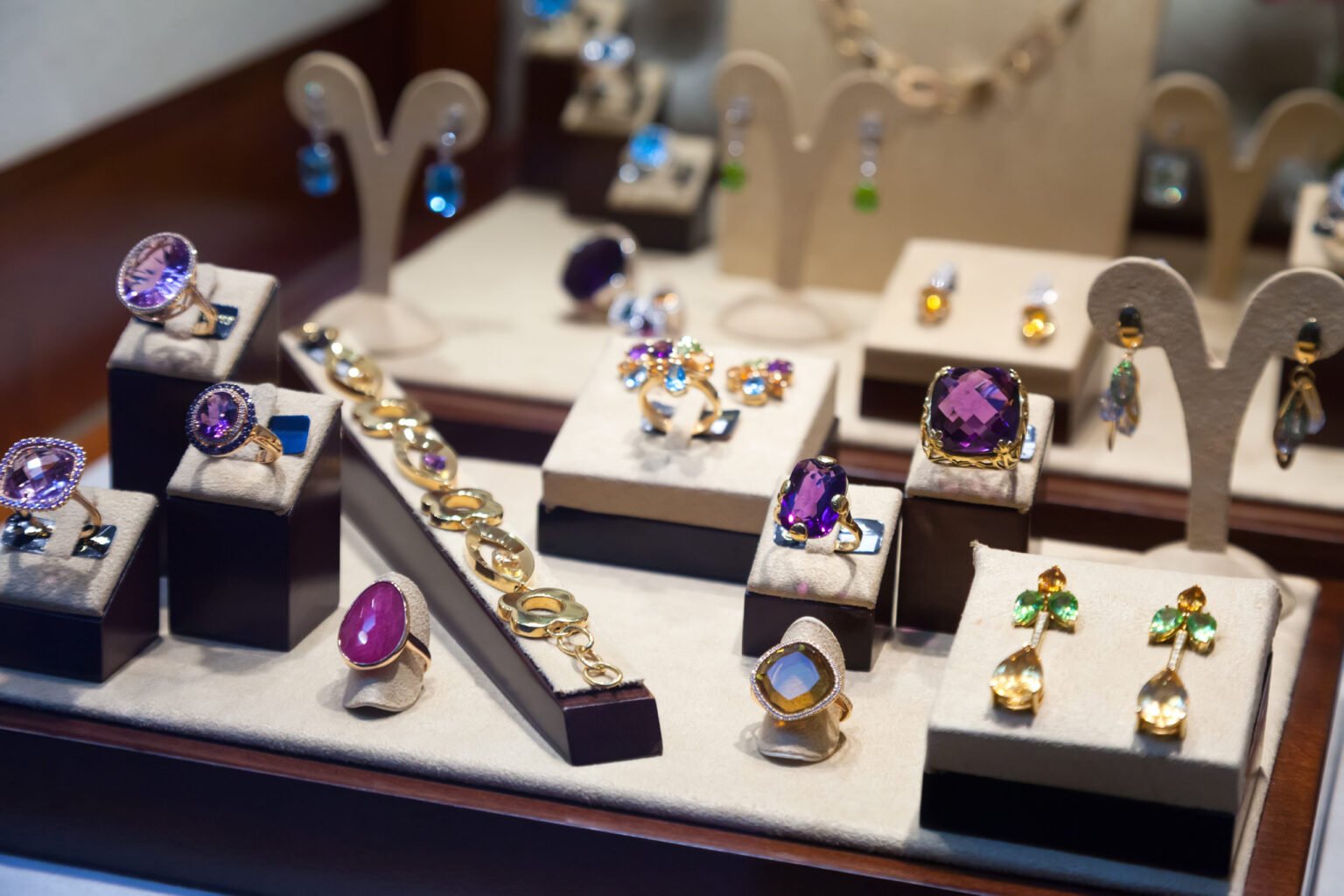
The visual record matters too. Clients who keep current image files tend to resolve disputes faster because the item’s condition, setting, mounting, and identifying marks are easier to establish. This is especially useful for estate jewelry and older handcrafted pieces. A clear reference image set, like the style shown in this antique jewelry example, helps document design details that generic item descriptions often miss.
The appraisal is not paperwork for a drawer. It is part of the claim file you may need later.
How to manage valuations in practice
The best approach is disciplined, not complicated.
Use a short review process:
- Check the high-value pieces first. Start with anything that would create a painful uninsured gap.
- Separate sentimental value from insurable value. Insurance can address financial loss, not family meaning.
- Update after major changes. Resetting a stone, restoring a watch, reframing art, or combining pieces can all affect the insurable description.
- Keep matching records together. Appraisal, invoice, photos, certificates, and prior repair records should live in one secure file.
For clients with both personal collections and a jewelry business, consistency matters even more. The naming, description, and valuation basis should line up across schedules, storage records, and inventory systems. Otherwise a claim can turn into an argument about identity before anyone even reaches the question of value.
Proactive Risk Management to Protect Your Assets
Insurance pays after the loss. Risk management lowers the odds that the loss happens in the first place.
That distinction matters because affluent clients are worried about more than burglary. A 2025 PRMA survey found that 65% of affluent clients worry about policy exclusions, 90% cite cyberattacks as a major threat, and over 50% fear litigation costs, according to Risk & Insurance’s coverage of the PRMA survey. The same report also notes $270 billion in global natural disaster claims in 2022.

Physical security that underwriters respect
For jewelry, watches, and art, basic home security isn’t enough.
Underwriters want to know how assets are stored, when they are exposed, and who has access. In business settings, they also care about opening and closing procedures, visibility from the street, shipping methods, key control, and separation between customer-facing and secure areas.
Useful controls often include:
- Commercial-grade safes or vaults appropriate for the asset type
- Central station alarm monitoring
- Restricted access protocols for stockrooms and repair areas
- Documented shipping procedures for outgoing and incoming goods
- Inventory reconciliation habits that can identify loss quickly
Cyber and reputation exposure are now part of the asset picture
For affluent households and jewelry businesses, digital risk can trigger real property and liability loss.
A compromised email account can redirect a wire. A fake vendor message can reroute a shipment. A data incident can expose client purchase information, addresses, or event schedules. For jewelers, that can become both a financial problem and a reputation problem.
The practical fix is coordination. Cyber hygiene, physical security, and insurance should not be managed as separate universes.
The cheapest claim is the one you prevent
Clients sometimes treat alarms, safes, documented pickup procedures, and staff protocols as overhead. That’s the wrong lens.
These measures protect stock, reduce disputes, and support cleaner underwriting. They also make claims easier to prove when something still goes wrong, because the insured can show chain of custody, security practice, and inventory integrity.
Good risk management doesn't replace coverage. It makes coverage work the way it should.
For collectors, the discipline is similar. Log where items are kept. Record when they move. Use professionals for packing and transport. Don’t leave inherited jewelry undocumented while assuming the household policy will sort it out later.
The First Class Insurance Advantage for Jewelers and Collectors
Generalist agencies often understand the policy category. They may not understand the asset.
That difference shows up fast with jewelry, fine art, and mixed portfolios. A store owner may need stock coverage, transit protection, business liability, and personal collection insurance, but those pieces have to fit together without overlap or blind spots.
Where specialist placement matters
A key gap in HNWI coverage is for valuables like jewelry and art, and only 30% of affluent clients seek specialist brokers, while 65% fear policy exclusions, according to Chubb’s research summary. That gap is exactly where specialist advice earns its keep.
A jewelry retailer, for example, doesn’t just need insurance for jewelry business operations in a broad sense. The account has to distinguish owned stock from memo goods, customer property from sale inventory, in-store risk from transit risk, and private collection property from business property. A generic business package rarely handles those distinctions cleanly.
Practical examples of fit
Consider three common situations.
A retailer with one showroom, a workshop, and frequent shipments needs a Jewelers Block structure that reflects how goods move. A private collector with significant jewelry, art, and a specialty car collection needs coordinated scheduling and valuation discipline across multiple carriers or forms. A wholesaler attending trade events needs policy language that follows inventory beyond the office.
In those situations, one available market approach is the kind of specialty placement used by First Class Insurance’s jewelry-focused programs, which are built around jewelers, collectors, and high-value assets rather than generic household or business assumptions.

Specialist insurance advice is usually less about buying more coverage and more about placing the right coverage in the right bucket.
The practical advantage is clarity. When the schedule is correct, the valuations are supportable, and the exposure is classified properly, underwriting and claims both go smoother.
Conclusion Securing Your Legacy with the Right Partner
High net worth individuals insurance is not a luxury add-on. It’s a control system for assets that standard forms routinely mis-handle.
The core problems are familiar. Ordinary policies rely on low sub-limits, narrow definitions, generic valuation logic, and assumptions that don’t match how affluent clients live, collect, travel, or operate a jewelry business. The fix is also clear. Use specialized coverage, keep valuations current, and treat risk management as part of the policy, not separate from it.
That matters most when the asset is part of a broader family plan. Jewelry, art, business equity, and collectible property often sit inside a legacy strategy, not just a balance sheet. If that’s your situation, it helps to view insurance alongside resources on estate planning for high net worth individuals, because the primary objective is continuity, not just reimbursement.
A strong insurance program protects more than objects. It protects options. It lets you absorb a loss without scrambling to replace liquidity, unwind plans, or explain to family members why an asset everyone assumed was protected was never insured properly in the first place.
Frequently Asked Questions About High-Value Asset Insurance
What is mysterious disappearance coverage
It addresses loss situations where an item is missing but there is no obvious proof of theft, such as forced entry or a witness.
That matters for jewelry, watches, and small collectibles because many real losses happen during travel, events, repairs, or routine wear. Standard policies often handle those situations poorly.
Can I combine personal coverage and jewelry business coverage
You can coordinate them, but you usually should not merge them into one undifferentiated policy.
Personal jewelry, private collections, and household assets belong in a personal risk structure. Store inventory, repair items, tools, showcases, and shipments need commercial treatment. The goal is alignment, not forced consolidation.
How often should appraisals be updated
There isn’t one universal calendar rule that fits every asset.
The practical answer is to update appraisals whenever value may have changed materially or the item itself has changed. If a ring is reset, a watch is heavily restored, art is conserved, or market interest shifts meaningfully, review the insured value.
Does coverage follow jewelry and watches during travel
It can, but only if the policy wording says so.
This is one of the most common points of misunderstanding. Clients assume an item scheduled at home is automatically covered everywhere under every circumstance. Travel, temporary storage, shipping, and international movement all need to be reviewed carefully.
What does Jewelers Block insurance usually address
It is designed for jewelry trade exposures.
That can include stock, goods in transit, property in showcases or safes, tools, and other business-related jewelry risks. It is particularly important for retailers, wholesalers, repair operations, independent artisans, and any business that regularly handles high-value merchandise.
Is a specialist broker really necessary
For ordinary personal property, maybe not.
For jewelry, fine art, collections, and mixed personal-business exposure, specialist help is often the difference between a policy that sounds broad and one that responds correctly. The more unique the asset and the more often it moves, the more that expertise matters.
If you own a jewelry store, manage a private collection, or need high net worth individuals insurance built around tangible assets, First Class Insurance is a practical place to start. The agency focuses on Jewelers Block, jewelry store insurance, private collections, and other high-value risks, with quoting and program design developed considering how those assets are owned, stored, shipped, and used.