
A jeweler often learns the cost of an appraisal at the worst possible moment. Not when the item is on the counter. When a claim is on the desk.
A ring disappears in transit. A case is hit overnight. A memo stone never comes back. Then the paperwork comes out, and the appraisal attached to the item is old, thin, or built for the wrong purpose. The loss is real, but the document behind the claim doesn't support the replacement cost the business faces today.
That gap is where diamond appraisal cost stops being a line item and becomes a risk decision. If you run a store, wholesale operation, repair bench, or private collection, the right appraisal does two jobs at once. It supports insurance coverage and gives you a defensible record of what the piece is.
Why Your Diamond Appraisal Might Be a Ticking Time Bomb
A five-year-old diamond appraisal can look fine right up until a theft claim exposes it.
A jeweler schedules inventory, keeps invoices, and assumes an older appraisal is still close enough. Then a loss happens. The carrier asks for documentation that supports current replacement. The piece was insured, but the underlying value was frozen in time.

That isn't a rare administrative problem. It's a valuation problem.
Historical pricing shows why stale appraisals break down. A 1.00-carat colorless diamond rose from $8,000 per carat in January 2006 to nearly $11,000 by 2012, up 35%, and insurers recommend appraisal updates every 3 to 5 years because static documents can leave a ring appraised at $10,000 paying only that amount even if replacement is now $15,000 (brite.co research on engagement ring cost and diamond value shifts).
What goes wrong in practice
The problem usually isn't that no appraisal exists. It's that the appraisal on file no longer matches the cost to replace the item with like kind and quality.
Three weak spots show up repeatedly:
- Old values stay on schedules: The insured item remains listed, but the number no longer reflects today's replacement environment.
- Thin descriptions create disputes: If the report doesn't clearly document the stone and mounting, the claim can turn into an argument over what was lost.
- The wrong appraisal type gets used: A resale-oriented document doesn't solve an insurance replacement problem.
Practical rule: If the appraisal won't let a stranger replace the item accurately from the paper alone, it probably won't do enough work during a claim.
Why appraisal cost is really a protection cost
Many jewelry businesses treat appraisal fees as overhead to minimize. That approach usually saves a little upfront and creates bigger exposure later.
A better way to look at diamond appraisal cost is this: you're paying for accuracy, clarity, and speed when something goes wrong. A stronger report helps the insured, the broker, and the carrier work from the same facts. A weak report invites friction.
That's why the cheapest appraisal isn't always the low-cost option. The better question is whether the document supports the coverage your business is relying on.
Decoding Appraisal Types Insurance vs Fair Market Value
The most misunderstood part of appraisal work isn't the fee. It's the purpose.
An insurance appraisal is built around replacement. A fair market value appraisal is built around probable selling price in a real-world market. Those are not interchangeable.
Use the car analogy
Think about a new car.
If you insure it, you care about what it would take to replace that car with one of similar make, model, and condition. If you trade it in, you care about what a buyer will pay you. Same car. Different number. Different purpose.
Diamond jewelry works the same way.
| Appraisal type | What it answers | Best use |
|---|---|---|
| Insurance replacement appraisal | What would it cost to replace this item with comparable quality? | Coverage scheduling and claim support |
| Fair market or resale appraisal | What could this item realistically sell for in the current market? | Estate, resale, division of assets, liquidation planning |
Why the gap matters so much
Many owners get tripped up by this. They hear one number from a resale conversation, another from an insurance appraisal, and assume one of them must be wrong.
Usually, both numbers are doing different jobs.
Insurance appraisals are meant to reflect replacement cost for policy coverage, while resale appraisals can come in 20% to 70% lower. The difference can be dramatic. A diamond ring appraised at $10,000 for insurance might resell for only $3,000 to $5,000 (Washington Diamond's discussion of appraisal cost and value gaps).
The mistake isn't having two values. The mistake is using the resale number to solve an insurance problem, or using the insurance number to set resale expectations.
What works for jewelry businesses
For a jewelry store, wholesaler, or repair operation, replacement-focused documentation is usually the essential document for insurance scheduling. If stock is lost, the business doesn't need a paper estimate of what a secondary buyer might pay. It needs support for what it will cost to replace the item and keep operating.
That said, overinsuring creates its own inefficiency. If the appraisal is inflated or built without discipline, the policy can carry values that don't reflect a sound replacement basis.
A practical approach is to stay clear on the question before ordering the report:
- Insuring inventory or a customer piece means you need a replacement-oriented appraisal.
- Planning a sale or estate transfer may call for fair market value.
- Handling high-value or unusual items may justify separate reports for separate purposes.
What doesn't work
A few shortcuts regularly create trouble:
- Using a sales receipt as the only value document
- Assuming a grading report is the same as an appraisal
- Relying on a verbal opinion for scheduled insurance
- Expecting resale value to dictate insured replacement value
For insurance for a jewelry store, the document has to do more than state a number. It has to identify the item with enough detail that replacement can be carried out without guesswork.
That means the right appraisal type is not a paperwork preference. It's part of risk control.
What Factors Determine Your Diamond Appraisal Cost
Ask three appraisers for a quote and you may get three different structures. That's normal.
Diamond appraisal cost usually falls into hourly billing, per-item fees, or carat-based report pricing. The key is understanding what drives the number up or down, and whether the quote fits the piece in front of you.

Jewelry appraisal costs typically range from $50 to $150 per hour or flat fees per piece starting around $75 to $150, with diamond reports structured by carat in some practices, starting at $75 minimum for 0.01 to 0.99 carats and rising to $500 and up for 5.00 to 5.99 carats. Returning to the original appraiser for an update can often cut the cost significantly (The Net Jeweler's jewelry appraisal cost guide).
Carat weight and piece complexity
Not all diamonds take the same amount of time to document.
A straightforward solitaire is usually faster to examine and describe than a multi-stone halo, an estate ring with mixed cuts, or a piece with unclear prior paperwork. More stones mean more measurements, more plotting, more notation, and more time.
A few examples of complexity drivers:
- Single-stone solitaires: Usually the cleanest workflow.
- Multi-stone rings: Each stone may need separate attention.
- Estate or altered pieces: Prior repairs and replacements slow the process.
- Designer work: Branded or signed pieces often require extra authentication work.
Credentials and why they affect price
Certified appraisers often charge more because the work is more defensible.
If the appraiser has recognized gemological or appraisal credentials, you're not just paying for time. You're paying for trained observation, better documentation, and fewer weak spots in the report. For high-value goods, that matters.
What usually justifies a higher fee:
| Cost driver | Why it matters |
|---|---|
| Advanced gemological training | Better identification of treatments, grading issues, and manufacturing details |
| Insurance-focused reporting | Reports are written to support replacement and claim documentation |
| Experience with high-value diamonds | Fewer missed details on unusual or expensive pieces |
Report depth changes the bill
A verbal opinion is one thing. A written insurance report with measurements, grading notes, metal details, and photographs is another.
The more the document has to accomplish, the more time it takes. If the report includes supporting images, laser inscription verification, or full mounting detail, expect the quote to reflect that.
This is also where a lot of cheap quotes fall apart. Some low-fee appraisals produce a number, but not enough documentation to be useful later.
A low appraisal fee only saves money if the report still does the job you need done.
Technology and testing
Some pieces require more than loupe work and standard measurements.
Advanced testing can increase the appraisal cost because it adds equipment time and interpretation. If the appraiser needs to confirm metal purity, investigate construction, or verify specialty characteristics, the fee rises for good reason.
Examples include:
- XRF metal analysis
- Additional photography
- Designer authentication
- More extensive stone analysis
You can see this kind of detail reflected in the quality of documentation used for high-end pieces, such as this diamond ring on black background reference image, where precise visual identification matters as much as a value conclusion.

Updates are often cheaper than starting over
If the original appraiser already has the file, updating an appraisal can be much more efficient than building a new one from scratch.
That matters for jewelers with recurring inventory reviews, returning private clients, or insureds who want to keep scheduled values current without paying for a full rework every time. Good recordkeeping lowers friction and often lowers cost.
What works best is consistency. When businesses bounce between appraisers with no shared history, they usually pay for repeated labor that could have been avoided.
The Jeweler's Guide to the Appraisal Process
A solid appraisal process is methodical. It shouldn't feel mysterious.
The appraiser is building a document that can identify the piece, support a value conclusion, and hold up if an insurer, adjuster, buyer, or attorney asks how that number was reached.

Intake and document review
The process starts before the microscope comes out.
The appraiser should ask why the appraisal is being ordered. Insurance replacement, estate work, resale planning, and confirmation updates each require a slightly different frame. Any prior GIA report, prior appraisal, receipt, or repair record helps.
If you want a practical consumer-facing overview of preparation steps, this guide on how to get jewelry appraised the right way is a useful checkpoint before the appointment.
At intake, the appraiser should also note condition. Damage, wear, sizing seams, replacement heads, and altered prongs all affect the description and sometimes the replacement analysis.
Examination of the diamond and mounting
This is the technical core.
The diamond is examined for the 4Cs and identifying features. The mounting is evaluated for metal type, style, workmanship, and any signs of alteration. If the piece is branded, signed, or unusual, the appraiser may need more time to verify attribution.
For insurance appraisals, the cost approach commonly drives the value conclusion. That means the appraiser estimates current reproduction or replacement cost based on materials, quality, and workmanship. The process may include X-ray fluorescence for metal purity at $40 to $400 or designer authentication at $250 to $400, and lab-grown diamonds require the same appraisal steps as natural diamonds (YX Jewelry Packaging's explanation of jewelry appraisal methods and costs).
Market research and valuation
Once the physical work is done, the pricing work begins.
The appraiser compares the piece against current replacement realities. That can involve supplier pricing, comparable workmanship, stone quality, setting style, and market availability. Rare or unusual pieces may require broader comparison work than standard bridal goods.
A good report doesn't jump from description to number with no bridge. It connects the item's characteristics to a valuation method.
To see a basic visual explanation of how professionals inspect and document stones, this video gives helpful context:
What the final report should include
A professional appraisal for insurance should be detailed enough that another professional can understand what was lost and what must be replaced.
Look for these elements:
- Item identification: Ring, pendant, earrings, loose stone, or custom piece.
- Stone details: Carat weight, measurements, cut style, color, clarity, and notable internal or external features.
- Mounting details: Metal type, purity, setting style, construction notes, and condition.
- Photographs: Clear images tied to the written description.
- Value conclusion: The stated purpose of value, not just a standalone number.
- Appraiser credentials and signature: The report should identify who performed the work.
If the report reads like a sales slip with a higher number, it isn't doing enough.
A disciplined process protects everyone involved. It reduces ambiguity before a loss, not after one.
How to Leverage Appraisals for Your Jewelers Block Insurance
An appraisal becomes useful for insurance when it moves from file cabinet paper to active risk control.
For Jewelers Block coverage, the report is not decoration. It supports scheduling, strengthens documentation, and helps prevent avoidable disputes after a loss.

Build a schedule that can survive a claim
A strong insurance schedule starts with item descriptions that are specific enough to identify what you own.
That matters most with higher-value diamonds, memo goods, custom pieces, and inventory that changes character through remounting or repair. The more precise the appraisal, the easier it is to match insured property to actual property.
Good scheduling habits include:
- Pairing each listed item with its latest appraisal
- Keeping supporting images with the file
- Updating records after remounts, upgrades, or major repairs
- Separating stock documentation from customer property documentation
Use appraisal quality to reduce friction
A detailed report can save time when a claim is already stressful.
Appraisal costs for insurance commonly range from $100 to $200 per item, and appraisers with ASA or GIA credentials often charge more. That higher expertise is associated with 20% to 30% fewer insurance claim disputes, and detailed 4Cs verification is critical for Jewelers Block policies that require updates every 3 to 5 years (Quantum Qarat's guide to jewelry appraisal cost and insurance use).
That point deserves attention. The appraisal isn't only about setting a value. It's about reducing the number of open questions after a loss.
Match the document to the risk
Different jewelry businesses need different appraisal discipline.
| Business situation | Best appraisal habit |
|---|---|
| Retail showroom inventory | Keep replacement-focused reports current on higher-value and distinctive pieces |
| Wholesaler or distributor stock | Maintain clear descriptions for goods in transit and memo movement |
| Bench jeweler or repair shop | Document customer property before intake, especially for larger stones and custom work |
| Private collection | Review older appraisals regularly and keep item records centralized |
If your underwriter or broker reviews specialty markets, they may also care about the quality of the insurance partner behind the paper trail. A familiar market marker in this space is Lloyd's of London, which is why documentation standards tend to matter so much in high-value placements.

What usually works and what usually doesn't
What works:
- Detailed written appraisals
- Consistent update cycles
- Clear 4Cs support on diamond pieces
- Centralized files for claims readiness
What doesn't:
- Using old reports until a renewal forces action
- Relying on memory for custom modifications
- Scheduling values with no supporting detail
- Treating all items as if they need the same level of documentation
A claim file moves faster when the appraisal answers questions before anyone has to ask them.
That is the practical return on appraisal spend. It supports better coverage decisions and cleaner claim handling.
Protecting Your Business Actionable Appraisal Strategies
Most appraisal mistakes aren't technical. They're operational.
A business gets busy, records drift, one appraiser retires, another gets used for a rush job, and after a few years the documentation no longer matches the inventory. Fixing that doesn't require a complicated program. It requires habits.
A working checklist for jewelry businesses
Separate insurance appraisals from resale thinking
Keep the purpose clear. Replacement support belongs in your insurance file. Resale opinions belong in a different conversation.Choose one primary appraisal partner when possible
Continuity lowers friction. It also makes updates easier and often cheaper because the prior file already exists.Flag items that deserve deeper documentation
Custom pieces, larger center stones, signed jewelry, and goods with mixed histories should get more than bare-minimum paperwork.Keep images with reports
A written description is stronger when paired with visual identification. Even a simple inventory review gets easier when staff can match paper to piece quickly.Track changes after bench work
New heads, new melee, a changed shank, or a center-stone swap can make an old report unreliable.Review older records on a set calendar
Don't wait for a loss to discover the paperwork is stale. Put appraisal review into the same operating discipline as alarm testing and safe procedures.Audit specialty categories separately
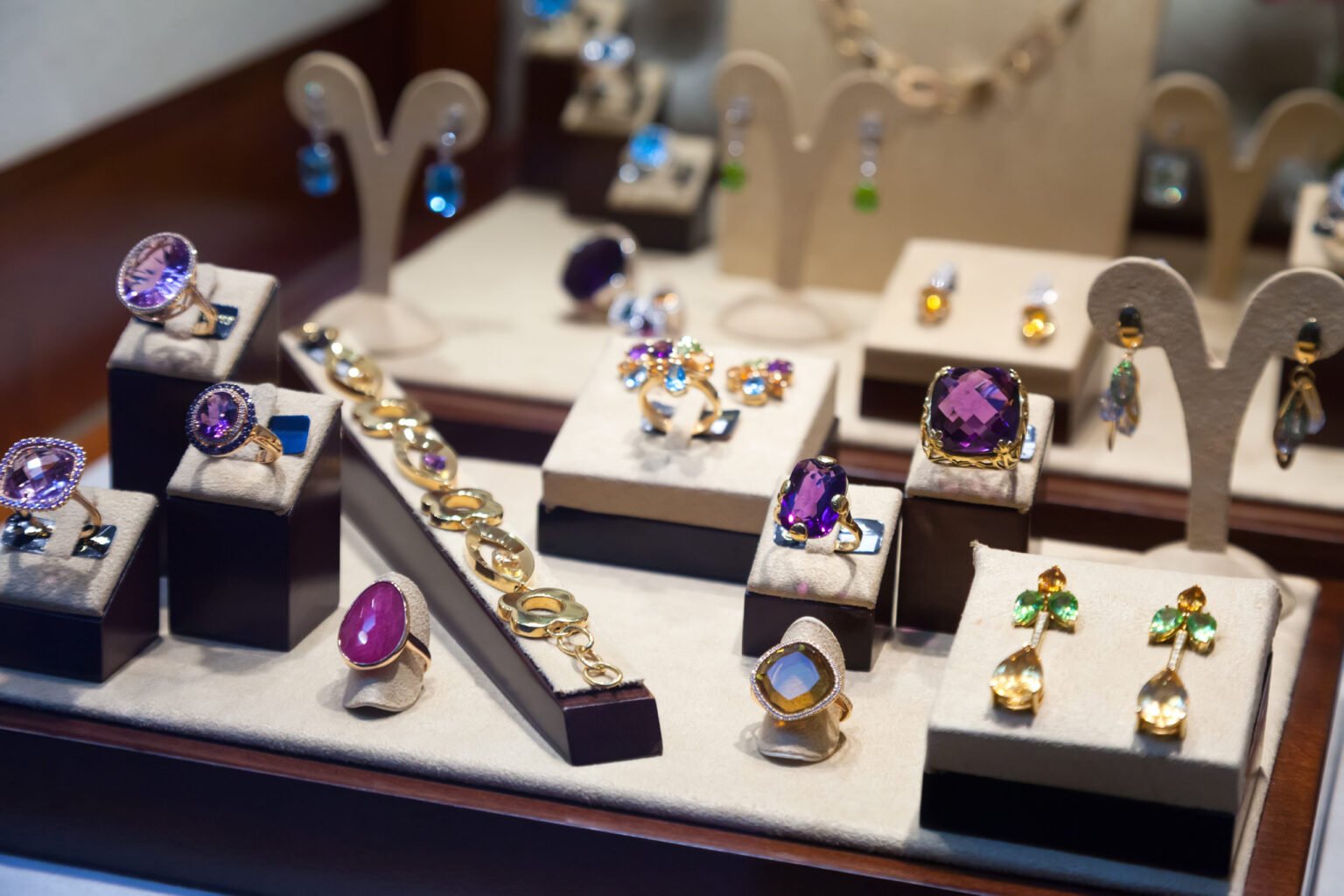
Antique, estate, and unusual items tend to drift out of sync first. A visual inventory pass using a reference set like this antique jewelry image example can help teams spot pieces that need closer description or updated support.
A simple standard that helps
Ask one question for every important item in stock or in your care: if this piece vanished today, would the existing appraisal let another professional replace it accurately?
If the answer is no, the record is weak.
That standard keeps appraisal management practical. It also keeps diamond appraisal cost in perspective. You're not buying paper. You're buying usable proof.
Your Diamond Appraisal Questions Answered
Is a GIA report the same as an appraisal
No. A grading report identifies and grades the diamond. An appraisal assigns a value for a stated purpose and usually covers the entire piece, including the mounting.
Both documents can work well together, but they don't do the same job.
Do lab-grown diamonds need appraisals
Yes. Lab-grown diamonds still need the same appraisal process for insurance purposes. The appraiser still has to identify the stone, document the piece, and support a replacement value.
Are verbal appraisals enough for insurance
Usually not for serious insurance documentation.
A verbal opinion may be useful as an initial screening tool, but scheduled coverage and claims support usually call for a written report with enough detail to identify the item and justify the value.
Why can two appraisers quote different fees for the same ring
Because they may be offering different scopes of work.
One quote may cover a brief identification and value estimate. Another may include full documentation, photography, more technical testing, or a stronger insurance-focused report. Compare the deliverable, not just the price.
Should jewelers update every piece at once
Not always.
A smarter approach is often to prioritize higher-value diamonds, custom work, memo goods, and pieces whose documentation is old or thin. That controls cost while improving the parts of your file that carry the most risk.
Does a higher appraisal value mean better protection
Not by itself.
Better protection comes from an accurate, well-supported value tied to a detailed description. An inflated number can create unrealistic expectations and poor insurance planning. Accuracy beats drama every time.
If your inventory, customer property, or private collection depends on accurate scheduling and specialized coverage, First Class Insurance can help you evaluate the documentation behind your risk and secure Jewelers Block protection built for how jewelry businesses operate.