
A lot of jewelers think about the cost of GIA certification at the moment they buy a stone. The full cost usually shows up later, when a client questions value, a return turns contentious, or a loss has to be documented under pressure.
That’s the wrong time to discover your paperwork is thin.
In jewelry insurance work, I’ve seen the same pattern again and again. A store has strong product knowledge, honest pricing, and loyal clients, but the file on a key stone is incomplete. The stone may still be genuine and well bought. The problem is proof. Without a respected grading report, valuation gets harder, replacement gets harder, and claim handling gets slower.
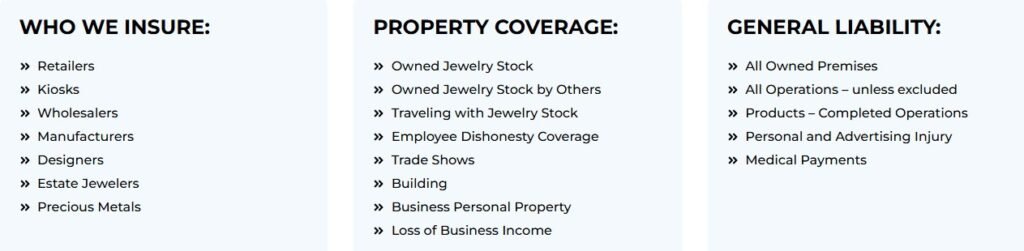
For a jewelry store, insurance for a jewelry business, or any operation buying and selling higher value stones, GIA cost is not just a lab fee. It’s part of inventory control, pricing discipline, and loss prevention. If you run a showroom, a repair shop, or a wholesale desk, understanding the cost of GIA certification helps you protect margin before a problem starts.
When Certification Cost Becomes a Claim Cost
A jeweler loses a center stone in transit, files the claim, and then hits the part nobody likes. The carrier or insurer asks for documentation that supports exactly what the stone was, how it was graded, and what value should be assigned to it.
If the jeweler has only an internal description or a loose supplier note, the conversation gets difficult fast. A sale can also collapse the same way. A buyer is ready to move forward until they compare one store’s undocumented stone with another store’s GIA-documented option. The second jeweler looks safer. The first one has to defend value instead of closing the deal.
That is where certification cost becomes claim cost.
A GIA report doesn’t prevent every dispute, but it gives everyone the same reference point. The jeweler has a recognized grading record. The buyer has confidence. The adjuster has better support for valuation. Without that, the burden shifts back to the business.
A missing report rarely matters on a calm day. It matters when money is already leaving the building.
For many jewelry businesses, the actual fee for grading is small compared with the cost of delay, discounting, or disagreement. The larger the stone or the more important the transaction, the less room there is for vague paperwork.
That’s also why serious risk management in this trade isn’t only about alarms, safes, and showcases. It’s also about documentation quality. If your records can’t stand up during a claim review, your inventory may be more exposed than you think, no matter how well it’s locked up. Even firms tied to major markets and underwriters, including those operating under globally recognized platforms like Lloyd’s market participants, still depend on clear valuation support when a loss file is built.

Decoding the GIA Fee Schedule for 2026
A loss hits, the adjuster asks for stone-level support, and the file gets harder to defend because the inventory records were priced loosely from the start. That problem often begins long before the claim. It starts when a jeweler treats GIA fees as a small expense instead of part of valuation control.
The 2026 fee structure matters for that reason. It tells you what it will cost to document a stone properly before you need to prove what it was, what it was worth, and how it should be replaced.
GIA does not price every submission the same way. Natural diamonds and lab-grown diamonds follow different pricing logic, and that distinction affects budgeting, margin, and insurance record quality.
According to Rapaport’s coverage of GIA’s lab-grown certificate guidelines at Rapaport, lab-grown diamonds are priced at $15 per carat with a $15 minimum. Using that structure, a 5-carat lab-grown diamond carries a $75 grading fee, while a 0.50-carat stone still falls under the $15 minimum. The same coverage notes that standard reports for unmounted natural diamonds run at roughly $48 to $100, depending on report type and service level, with added documentation available for certain submissions.
That difference changes how jewelers should read the fee schedule.
For natural diamonds, the report charge is usually a smaller percentage of the stone’s value, so the discussion is often about documentation quality and salability. For lab-grown goods, the fee can take a more visible bite out of margin, especially on lower-ticket inventory. In both cases, the report supports cleaner valuation records, which is what matters when stock is financed, audited, sold, or claimed.
What the fee structure actually means for a jeweler
A GIA charge is payment for grading work that can hold up under scrutiny. That includes the stone’s quality analysis and, where applicable, added report details referenced in Rapaport’s summary. From an insurance standpoint, that work reduces ambiguity. From an inventory standpoint, it gives the business a more defensible cost basis.
I have seen stores misread this in one of two ways. Some certify too little and end up with thin documentation on important stones. Others certify too broadly and absorb fees on pieces that will never recover the cost. The right approach depends on the role that inventory plays in your sales mix and your exposure if values are questioned later.
Quick reference table
| Report Type | Typical Carat Range | Estimated Base Fee (Natural) | Estimated Base Fee (Lab-Grown) |
|---|---|---|---|
| Standard grading report | 0.15 to 2.99 carats | $48 | $15 minimum applies |
| Enhanced service report | 0.15+ carats | $100 | Varies by stone at $15 per carat with $15 minimum |
| Per-carat lab-grown grading | 0.50 carat sample | Not applicable | $15 minimum |
| Per-carat lab-grown grading | 5 carat sample | Not applicable | $75 |
These figures are practical budgeting examples, not a substitute for checking GIA’s current submission requirements directly before sending goods.
Why natural and lab-grown create different risk decisions
Natural inventory usually carries enough value that certification supports pricing discipline, buyer confidence, and claim documentation with less resistance from margin. Lab-grown inventory requires more selectivity. A report on the wrong stone can be a cost drag. A missing report on the right stone can create a pricing dispute, slower sale, or weaker claim file.
That is why disciplined jewelers build grading costs into acquisition and merchandising decisions early. They treat certification the same way they treat other operating choices that affect margin and asset protection. If you already compare fixtures, displays, and store upgrades by their full business effect, the same logic applies here. This guide to real costs of business investments is a useful parallel.
Practical rule: Ask what the report helps you document, defend, and replace. Then decide whether the fee belongs in the cost basis of that stone.
The common mistake is stopping at the listed lab fee. A jeweler sees the base number, approves the submission, and assumes the economics are settled. They are not. The fee schedule is only the starting point.
Beyond the List Price Hidden Costs in the Certification Process
A claim gets filed after a loss, and the stone’s file shows only a purchase note and a lab fee. What is missing is the full cost basis. Shipping, insurance in transit, rush handling, and internal processing were never added to the record. That gap can leave inventory undervalued on paper and margin overstated in the system.
That is why experienced jewelers treat GIA certification costs as part of asset protection, not just a lab expense.

The hidden costs usually come from three places. Shipping. Transit insurance. Speed.
Those items change the actual economics of a submission. They also affect how well a jeweler can document value if a stone is lost, damaged, or tied up at the wrong time. A properly documented insured diamond inventory record should reflect the all-in cost, not just the amount listed on the grading form.

The costs that do not appear in the base fee
A certification order behaves like a controlled movement of high-value stock. The lab charge is only one part of that process.
Common add-on costs include:
- Outgoing shipment: Packaging, carrier method, and declared value affect the total.
- Return shipment: The return leg carries the same exposure and should be budgeted the same way.
- Transit insurance: Higher-value stones usually require more protection while off premises.
- Rush handling: Faster service can be justified, but it can also erode profit on a thin-margin item.
- Internal labor: Staff time for intake, form review, packing, tracking, receipt, and reconciliation belongs in your operating cost.
On a lower-ticket stone, those extras can turn a reasonable submission into a weak margin decision. On a higher-value stone, they can be fully justified because they support pricing, replacement documentation, and cleaner insurance records.
Transit risk changes the calculation
Once the stone leaves the premises, the issue is no longer just grading cost. It is custody risk.
I have seen jewelers price a piece based on the lab fee alone, then realize later that the true cost basis was higher because they ignored the shipping and insurance side of the submission. I have also seen files where the stone was certified, but the records around transport were thin. That creates avoidable friction when ownership, value, or timing has to be proved after a problem.
The safer practice is simple. Treat every submission like a temporary transfer of insured inventory. Record who approved it, what it cost to move, how it was protected, and what the total investment became when the report came back.
If the loss of that stone in transit would create a pricing dispute, a cash-flow problem, or a difficult claim file, the submission needs tighter cost tracking before it ships.
Rush service solves timing problems at a price
Rush service has a legitimate use. A committed client may be waiting on the report before releasing funds. A custom job may be scheduled around a promised delivery date. In those cases, speed can protect revenue.
The mistake is using rush service to fix poor planning.
As noted earlier from GIA's fee schedule, expedited service can materially increase the total submission cost. That means the decision should be tied to a specific business reason, not habit.
| Situation | Better move |
|---|---|
| Client already committed and waiting on final paperwork | Rush may be justified |
| Stock item for general inventory | Standard timing is usually the better cost decision |
| Seasonal deadline approaching | Submit earlier and avoid paying for urgency |
| Margin is already thin | Rework the pricing or reconsider the submission timing |
The practical takeaway is straightforward. The cost of GIA certification belongs in your costing sheet as an all-in number. Jewelers who track that number accurately protect margin, support proper valuation, and put themselves in a stronger position if a loss ever turns into a claim.
The Submission Process and Turnaround Time Impact
A client agrees to buy the ring, wires a deposit, and asks for the report before final payment. Then the stone is still at the lab when the proposal date is three days away. What should have been a routine certification fee now creates refund pressure, staff time, and a possible lost sale.
That is why submission timing belongs in risk management, not just operations.

A controlled submission process protects margin
The stores that avoid costly delays usually follow the same discipline. They decide why the stone is being certified, confirm whether the item can be out of inventory for that period, and document the file before anything leaves the premises.
A workable process looks like this:
- Confirm the business reason for submission. Stock valuation, a pending sale, insurance documentation, and estate intake all justify different timing decisions.
- Verify the stone against internal records. Match the piece to the stock number, supplier memo or invoice, and any prior grading notes.
- Complete the submission details with care. Small form errors can slow intake and return.
- Package for transit exposure. The parcel needs to be prepared for loss prevention, chain of custody, and insurer scrutiny.
- Assign responsibility internally. Record who packed it, who approved shipment, and when it left.
- Block the inventory status immediately. Sales staff should see that the stone is unavailable until the report and item are back in hand.
- Reconcile the return. Match the stone, the report, and the inventory record before the piece goes back into active stock.
I have seen claim files get harder when a jeweler could not show who released a stone for grading or when the inventory status changed. Poor process turns a routine submission into a valuation dispute.
Turnaround time affects availability, valuation, and client promises
The practical question is not just how long grading takes. Ultimately, the question is whether the business can afford to have that stone unavailable during that period.
If the item is a top seller, part of a bridal job, or needed to support a financed transaction, the timing matters as much as the grading fee. A delay can freeze revenue, stall production, and create confusion about what is in stock. It can also leave the business carrying inventory on paper that is physically out of the store, which is a bad setup for both internal controls and insurance records.
That same discipline should show up in reporting. Teams that generate professional reports from your Excel data often have a much easier time tracking stones that are out for grading, expected return dates, and updated values once reports come back.
For visual merchandising and sales timing, featured inventory needs the same status control as any other high-value item. If a ring appears in marketing assets such as this diamond ring showroom visual, the sales team still needs real-time confirmation that the center stone is physically available.
Timing errors that create avoidable loss
Some mistakes show up repeatedly in jewelry businesses:
- Submitting during a heavy selling period. The store removes desirable inventory when demand is highest.
- Waiting for a customer request before sending the stone. The lab timeline now controls the sale.
- Using expedited service as a routine fix. Extra fees erode margin on a job that could have been planned earlier.
- Failing to update the point-of-sale or inventory system. Staff continue offering goods that are off-site.
- Skipping documented chain of custody. If the parcel is delayed or lost, the file is harder to support.
Good submission practice protects more than the stone. It protects the sales calendar, the accuracy of inventory values, and the documentation a jeweler may need if an off-premises loss ever turns into a claim.
Calculating the ROI The True Value of a GIA Report
A theft claim comes in on a loose diamond, and the insured value in the file is based on a broad in-house description written two years earlier. The adjuster asks for objective support on color, clarity, and measurements. If that support is thin, the argument is no longer about a grading fee. It is about whether the business can fully defend the value of the asset that was lost.
That is the actual ROI.

The return on a GIA report shows up in three places. Sale price. Negotiating strength. Claim support. Jewelers who only compare the lab fee against added margin on one transaction usually miss the larger financial effect.
Published market comparisons have shown that GIA-graded stones can sell at a premium against comparable stones graded by other labs, including IGI, as noted earlier in the article. In practice, that premium matters because it gives the seller firmer ground on pricing and gives the buyer less room to challenge the grade itself. The report does not create quality. It gives the market, and your insurer, a more defensible description of what is already there.
Where the return actually comes from
In the trade, ROI is rarely one clean number. A report can improve one stone’s selling position and still be a poor decision on another stone if the carrying cost, turnaround delay, or buyer profile does not support it.
The useful way to calculate return is to look at the full effect on the file:
| ROI factor | Business effect |
|---|---|
| Price confidence | Staff can hold asking price with less discount pressure |
| Cleaner valuation records | Appraisals, schedules, and claim files are easier to support |
| Faster buyer trust | Fewer subjective debates over grade and comparables |
| Better replacement accuracy | Lost or damaged stones are easier to match properly |
| Lower internal friction | Sales, inventory, and insurance records stay aligned |
That last point affects more businesses than owners admit. Certified stock often sits in one system, appraised values in another, and insurance schedules in a spreadsheet that only one employee understands. If your team still reconciles that manually, tools that help you generate professional reports from your Excel data can make valuation reviews and renewal preparation far easier to control.
Insurance value is part of the return
I look at certification as a documentation decision as much as a sales decision.
After a loss, underwriters and adjusters need a credible basis for value. A respected grading report helps establish what the stone was, supports the scheduled amount, and reduces the gap between your inventory record and the replacement conversation. That can matter in theft, mysterious disappearance, transit damage, or a disputed stone swap.
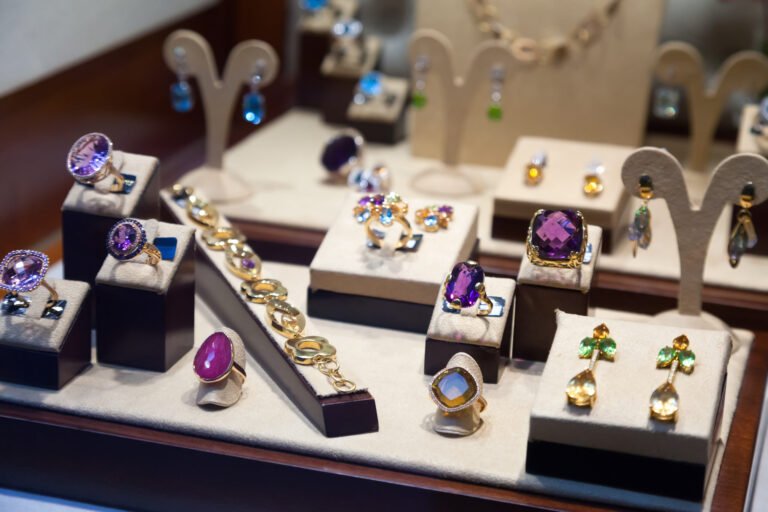
This is especially important in mixed inventory. A store carrying modern bridal, custom work, and period pieces needs records that separate one value story from another. The documentation standard for a modern center stone is not the same as the support needed for design-driven estate goods shown in collections like this antique jewelry inventory example.
Good ROI depends on the stone category
A meaningful natural diamond usually gives the clearest return because the value at risk is higher and the buyer tends to scrutinize grading more closely. Lower-priced goods can still benefit from certification, but the margin for error is tighter. On those pieces, the lab fee takes a larger bite out of the sale, and the insurance benefit may not justify the same level of outside documentation.
That is why blanket rules fail. Sending every stone to GIA can tie up cash and time. Skipping certification on better stones can leave money on the table and weaken support if a claim happens.
For a quick market-oriented explainer, this video is useful:
Two ROI mistakes I see repeatedly
The first is treating certification as a prestige purchase. That usually leads to over-certifying inventory that does not need top-tier outside grading.
The second is treating the fee as a pure expense. That often leads to under-documented high-value stock, softer pricing discipline, and weaker files when an insurer asks the business to prove what was lost.
A GIA report earns its place when it protects margin, supports valuation, and gives the business better evidence if something goes wrong. That is how a grading cost becomes a risk management decision.
A Strategic Framework for Certifying Your Inventory
A loss hits. The insurer asks for support on a high-value stone, and the file contains only an internal description and a broad inventory value. That is when a lab fee stops looking optional. It becomes the missing documentation that could have reduced dispute, supported valuation, and protected margin after the fact.
A smart certification policy starts there. GIA cost is not just a selling expense. It is part of how a jeweler controls valuation risk, claim risk, and cash flow.

Stores usually get into trouble at one of two extremes. Some submit every meaningful stone and watch lab fees, shipping, and idle inventory eat into return. Others avoid third-party grading until a buyer challenges value or a claim file needs stronger proof. Both approaches create preventable cost.
Selective certification works better because inventory does not carry equal financial risk.
Start with exposure, not habit
The first question is not whether GIA is respected. It is. The key question is whether outside grading changes the business outcome for that specific stone.
Use four practical screens:
- Value at risk: Higher-value stones deserve closer review because an error in grading or valuation has a larger financial consequence.
- Buyer scrutiny: Bridal, larger center stones, and comparison-shopped goods often benefit from third-party documentation because the report helps support price and reduce objections.
- Claim file quality: If the item were lost, stolen, or damaged tomorrow, ask whether the existing records would support the claimed value cleanly.
- Margin tolerance: On lower-ticket goods, the fee and handling cost can take too much out of the sale to justify automatic submission.
That framework keeps the decision tied to exposure instead of routine.
Where certification usually earns its place
The strongest candidates are the stones that carry concentrated value and invite outside scrutiny.
Significant natural center stones
These are often the clearest fit. They represent a larger share of the ticket, they face more comparison shopping, and they are more likely to draw attention from appraisers, buyers, and insurers.
Custom-order stones
A report can prevent disputes before the sale closes. It gives the client a common reference point and gives the store cleaner support for the item that was ordered and delivered.
Premium stones with thin tolerance for error
Any stone where a grading dispute could force a material discount deserves serious consideration. In practice, the lab fee can be smaller than the pricing pressure created by uncertainty.
Where restraint protects profit
Some goods do not need automatic GIA submission.
Small commercial stones, fast-turn fashion inventory, and pieces that sell primarily on design or brand often rely more on disciplined internal records than on outside grading. The problem is not that these goods lack value. The problem is that the report may not improve saleability or claim support enough to justify the full cost of submission, handling, and delay.
That distinction matters for insurance as much as for sales. A store can overspend on certification and still have weak controls if the underlying stock records are sloppy.
The test I use with jewelers
I use a simple decision rule. Certify the items where documentation changes one of three outcomes:
- It supports a higher and more defensible selling price
- It reduces the odds of a dispute at the counter or after delivery
- It gives the business stronger evidence if a loss turns into a claim
If a stone does none of those things, the store should be careful about paying for outside grading by default.
The right question is simple. Does this report change the financial outcome enough to justify its full cost?
Lab-grown needs its own policy
Lab-grown inventory should not be handled with the same assumptions used for natural diamonds.
On better lab-grown stones, certification can still help because clients want documentation and post-sale disputes can be expensive. On lower-priced lab-grown goods, thinner margins make the fee more visible, so selective use is usually the safer policy. As noted earlier, the resale and pricing case can differ sharply by category. That is why stores need a separate rule for lab-grown instead of one blanket standard for all loose stones.
A workable store-level framework
For many retailers, the best internal policy looks like this:
| Inventory type | Likely approach |
|---|---|
| Significant natural center stones | Prioritize GIA |
| Custom-order important stones | Prioritize GIA |
| Premium lab-grown stones | Review case by case |
| Lower-ticket lab-grown goods | Certify selectively |
| Fast-turn lower-value inventory | Rely more on internal controls and accurate stock records |
That approach protects the business on both sides of the ledger. It helps avoid overpaying to certify goods that do not need it, and it reduces the chance that an important stone is under-documented when value has to be proven.
Conclusion Protecting Your Assets with Smart Valuation
A claim gets filed after a loss, and the problem is not the missing stone. The problem is that the file does not clearly support what the stone was, how it was graded, or why the insured value was accurate. That is where certification cost turns into a business loss.
The cost of GIA certification makes more sense when it is treated as part of valuation control, not just a lab charge. A report can support pricing, reduce disputes at sale, and strengthen the documentation behind your insurance schedule. For stones that carry meaningful value or higher claim exposure, that paper trail often matters more than the fee itself.
That does not mean every stone should go to GIA. Stores still need discipline. Some items justify outside grading because the report changes how the piece is priced, insured, or defended in a claim. Other items are better handled through strong internal records, consistent intake procedures, and accurate stock values. As noted earlier, lab-grown requires especially careful margin review.
The practical standard is straightforward. Certify where independent documentation protects value. Document internally where the report would add cost without changing the financial outcome.
A jewelry business is only as protected as its records. If your current process does not clearly show which goods require third-party grading, which goods rely on internal documentation, and whether reported values match actual exposure, that is a fix worth making now.
If you want a second opinion on whether your current stock records, valuations, and coverage are aligned, talk with First Class Insurance. Their team specializes in Jewelers Block insurance, jewelry store insurance, and insurance for a jewelry business, and can help you review whether your documentation supports the protection your inventory needs.