

A platinum ring can look clean at a glance and still be carrying the kind of buildup that changes how a client sees it, how a setter evaluates it, and how a jeweler documents its condition. That’s the problem in a showroom. Under bright case lights, haze under a center stone, lotion packed beneath a basket, or a film across a shank can make excellent inventory look tired.
For a jewelry business, cleaning isn’t a finishing touch. It’s part presentation, part maintenance, and part loss control. If you want to know how to clean platinum rings the right way, start by treating the task as a shop discipline, not a casual wipe-down between appointments.
Beyond the Sparkle Why Cleaning Is a Jeweler's First Defense
A common retail moment goes like this. The ring looked strong when it was tagged, logged, and placed in the case. A week later, after handling, try-ons, and daily dust in the store, it suddenly looks flat. The diamond isn’t dead, and the platinum hasn’t failed. The surface is just carrying enough residue to mute the whole presentation.
That’s where good jewelers separate themselves from casual sellers. A cleaned platinum ring photographs better, shows better, and tells you more about its actual condition. Dirt hides problems. A clean ring reveals them.
According to jewelry cleaning habits reported by Shane Co., 51% of Americans consider regular jewelry cleaning important, but only 3% maintain a consistent routine. The same source notes that rings are prioritized by 43% of respondents as the most frequently cleaned item. For a jeweler, that matters because clients pay attention to rings first, and neglected buildup from lotions, soaps, and oils can dull shine while also masking prong wear.
What dirt changes in a retail setting
In a shop, residue doesn’t just affect appearance. It changes judgment.
- Visual value drops: A platinum mounting with film on the surface won’t throw light the same way under the case.
- Inspection quality suffers: Packed debris under stones can make it harder to assess seating and wear.
- Client confidence slips: If a customer sees dull inventory, they may assume poor care across the business.
- Complaint risk rises: A client who picks up a ring after service expects it to look unmistakably better.
Clean first, then inspect. If you inspect before cleaning, you may be evaluating dirt instead of jewelry.
Cleaning is part of asset control
That matters for owned inventory, memo goods, repair intake, and customer pieces. The cleaning bench is one of the first places where hidden issues show themselves. A ring comes in “just needing a polish,” then a proper wash reveals worn tips, impact marks, or debris packed so tightly under the gallery that the stone looked less lively than it really was.
For that reason, the first defense against loss isn’t always a safe, a camera, or a policy form. Often it’s a repeatable cleaning routine with inspection built into it. When a jeweler handles platinum rings this way, the store protects appearance, catches problems earlier, and documents care more credibly if questions come later.
Understanding Platinum's Unique Properties
Platinum rewards careful handling because it behaves differently from white gold and differently from what many clients assume. It’s durable, resistant to corrosion, and widely trusted for important settings. It’s also a metal that shows wear in a distinctive way, which is why the cleaning method matters.
Introduced commercially by Tiffany & Co. in 1905, platinum later became the choice for 65% of American engagement rings by 1924. The same source notes that platinum’s durability and hypoallergenic character made it especially well suited to long-term wear, and that polishing redistributes surface metal with “almost no loss” compared with gold.

What platinum does well
Platinum stands up well to daily life. It doesn’t tarnish the way some clients expect white metal to tarnish, and it doesn’t rely on plating to look like itself. That gives jewelers a stable base material to maintain over many years.
A few practical traits matter at the bench:
- High purity: Platinum jewelry is commonly made to a 95% purity standard, which supports its hypoallergenic reputation.
- Strong long-term wear profile: It remains a preferred metal for pieces meant to stay in service for decades.
- Reliable for stone security: Especially in important mountings, its behavior under wear makes it a serious setting metal.
Why platinum still looks worn
Durable doesn’t mean scratch-proof. Platinum takes on a surface patina from everyday contact. Clients sometimes read that patina as damage. In many cases, it’s the normal visual result of displaced surface metal and daily abrasion.
That distinction matters in the store. If you mistake patina for dirt, you may overclean. If you mistake dirt for patina, you may under-serve the piece.
Bench note: Cleaning removes contamination. Polishing addresses surface texture. They are not the same service, and they should never be priced, described, or documented as if they are.
Why cleaning protocols differ from gold
A jeweler who works in both metals already knows the key point. Gold polishing can remove meaningful material over time. Platinum behaves differently. The source above explains that platinum polishing redistributes surface metal with almost no loss, which is why annual refinishing can be appropriate when done properly.
That doesn’t mean rough handling is harmless. Platinum still needs controlled methods, clean compounds, and the right sequence. But from an asset-preservation standpoint, it gives the jeweler more room to restore appearance without thinning the piece the way repeated aggressive work can affect gold.
What this means on the sales floor and at intake
When a platinum ring looks soft or gray, don’t assume neglect or structural decline. First ask a better question: is this film, or is this patina?
Use that distinction to guide the next step:
- If the ring looks cloudy around the stone or under the gallery, start with cleaning.
- If the ring is clean but the finish looks muted across exposed surfaces, assess for light refinishing.
- If the piece has age, delicate pavé, or prior repair history, slow down and inspect before choosing any machine process.
That approach protects the ring and gives clients a clearer explanation. Platinum holds value because it wears reliably, but it still needs informed care to look like the asset it is.
Safe and Effective In-House Cleaning Protocols
Most platinum rings in a jewelry business don’t need a dramatic intervention. They need a controlled, repeatable in-house process that removes everyday residue without introducing fresh risk. That applies to stock, client pieces awaiting pickup, and incoming repairs that need a clearer condition check before any recommendation is made.

A basic soap-and-water procedure remains the safest starting point for most platinum rings. If you want a consumer-friendly explainer to share with clients after a sale or service visit, How to Clean Platinum Jewelry for a Lasting Shine is a useful companion resource because it reinforces the value of gentle care rather than harsh shortcuts.
The in-house setup that works
Keep the station simple and consistent. In practice, the best routine usually uses:
- A small clean bowl: Separate from any station that handles harsh chemicals.
- Mild dish soap: Plain, non-abrasive, and free of aggressive additives.
- Warm water: Warm helps loosen film without shocking the piece.
- A very soft brush: Soft enough to reach under settings without scraping the finish.
- A lint-free microfiber cloth: For drying and final handling.
I also recommend assigning one tray or mat specifically for platinum intake and post-clean inspection. Clean metal shows surface clues more clearly, and controlled handling reduces confusion between pieces.
A repeatable manual cleaning sequence
For day-to-day store use, this sequence is dependable.
- Inspect before the ring touches water. Look at prongs, side stones, solder joins, and any sign of previous repair. If something already looks unstable, don’t move forward as if this were routine.
- Prepare a mild soap bath in warm water. The goal is loosening residue, not forcing a result.
- Let the ring soak briefly. Short soaks are usually enough for ordinary oils, soap film, and handling grime.
- Use a soft brush with light pressure. Work under the head, around the base of prongs, inside the shank, and anywhere residue collects.
- Rinse thoroughly. Soap left behind becomes its own haze.
- Dry with microfiber. Blot and wipe carefully, especially around any openwork where fibers could catch if the cloth is too rough.
- Inspect again under magnification and proper light. That second look is where the maintenance value shows up.
What to avoid in the shop
Most cleaning mistakes come from impatience, not from lack of equipment. Someone wants a faster result and reaches for the wrong product or tool.
Avoid these shortcuts:
- Bleach or chlorine-based products: They don’t belong anywhere near platinum care.
- Acetone as a general cleaner: It has limited bench uses, but routine ring cleaning isn’t one of them.
- Toothpaste or gritty cleaners: If it feels like a household hack, it usually leaves a shop-quality problem behind.
- Stiff brushes: They may move dirt, but they can also create fresh surface abrasion.
- Mixed-metal batch cleaning: Clean pieces individually when condition matters.
If a cleaning method sounds aggressive enough to “strip” buildup fast, it’s usually too aggressive for a platinum ring with stones.
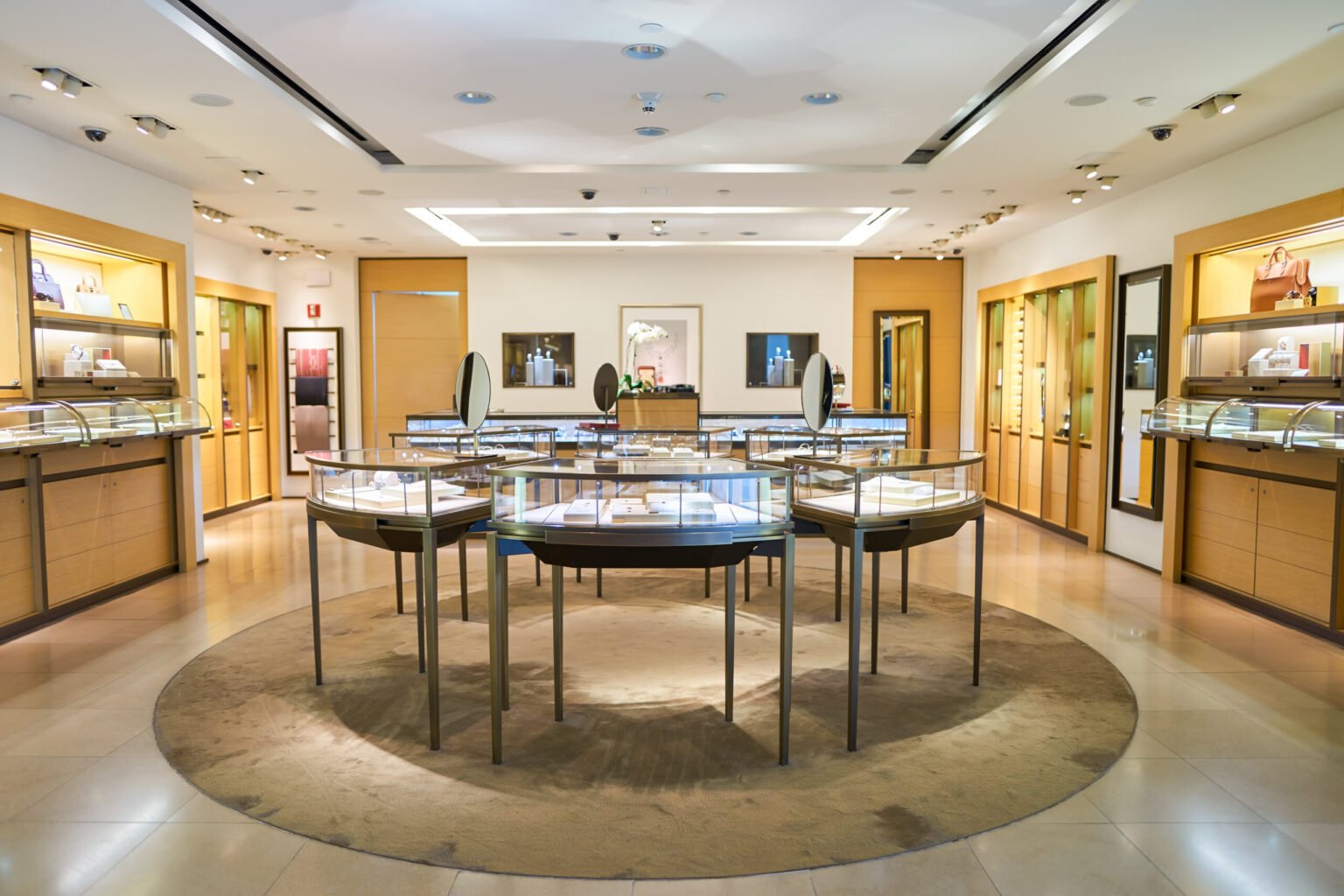
A useful visual reminder for a client-facing care station can also support your process. Some stores use a simple display image such as this jewelry care visual reference near intake or aftercare materials so staff can explain handling expectations consistently.
The script worth giving clients
Many problems can be avoided if clients leave with plain instructions. The best version is short:
- Use mild soap and warm water.
- Use only a very soft brush if needed.
- Dry with a soft cloth.
- Stop and bring the ring in if anything feels loose.
- Don’t use harsh household cleaners.
That advice protects the ring and protects the store. It sets expectations before a customer tries an online shortcut that creates avoidable damage.
A quick visual demonstration can help staff explain the basics without overcomplicating the process:
Where manual cleaning fits best
Manual cleaning is the right first move when the ring is structurally sound but visibly dirty, when you’re documenting intake, or when the piece has details that make machine cleaning a judgment call. It’s also the best method to recommend before a client escalates to stronger tools at home.
The point isn’t to replace professional finishing. The point is to keep routine care safe, consistent, and useful enough that the ring stays presentable while the jeweler keeps control of the risk.
Professional Tools Ultrasonic and Steam Cleaning
Once manual cleaning reaches its limit, the discussion shifts from safe routine care to professional equipment. For many stores, this means either sharpening their standards or creating avoidable exposure. Ultrasonic and steam cleaning can produce excellent results on platinum rings, but only when the jeweler chooses the method based on the ring in front of them, not on habit.
Professional ultrasonic cleaning guidance from Gabriel & Co. states that 40-45 kHz ultrasonic cleaning for 2-5 minutes in a mild soap solution is 95% effective at removing surface grime. The same source warns that jewelers should inspect for loose stones beforehand, and notes that 15-20% of ring repairs stem from improper home ultrasonic use. That’s the key trade-off. Strong cleaning power, real risk if judgment is sloppy.

Ultrasonic cleaning when it earns its place
Ultrasonic cleaning is useful because it reaches where brushes often don’t. Intricate galleries, packed undersides, and oily buildup around detailed settings can respond well when the ring is structurally sound and properly screened.
Use it when:
- The ring has tight, intricate detail: Residue trapped in difficult recesses often lifts more effectively than with hand brushing alone.
- The stones and settings are stable: Pre-inspection isn’t optional.
- You need a controlled deep clean before final presentation or further bench work: It can prepare the piece well for finishing.
Skip it when the ring gives you reasons to hesitate. Older mountings, worn prongs, fragile accent arrangements, and any uncertain repair history deserve caution.
A machine doesn’t know whether a stone was already one touch away from moving. The jeweler has to know that before the cycle starts.
Steam cleaning as a finishing tool
Steam works differently. It’s often best used as the final stage after manual cleaning or after an ultrasonic pass has already done the deeper lifting. In practice, steam is excellent for clearing remaining residue and giving platinum a crisp presentation before the ring goes back to the case or to the client.
Steam tends to work well when:
- You want a bright final finish: It clears away remaining cleaner and loose residue.
- The ring is already mostly clean: Steam is a finisher, not a miracle cure for packed grime.
- You want more control over the final presentation step: Especially helpful after inspection and hand cleaning.
Steam still requires judgment. Heat, pressure, and handling all matter. The fact that it feels less invasive than an ultrasonic bath doesn’t mean it should be applied casually.
The comparison that matters in a jewelry business
The right question isn’t “Which machine is better?” It’s “Which method fits this ring, in this condition, at this moment?”
| Method | Best For | Effectiveness | Risk Level | Professional Guidance |
|---|---|---|---|---|
| Manual cleaning | Routine maintenance, intake review, pieces with uncertain condition | Effective for visible surface film and everyday grime | Low when done gently | Start here when you need inspection and control |
| Ultrasonic cleaning | Intricate platinum rings with stable settings and embedded residue | Gabriel & Co. reports 95% surface grime removal | Moderate to high if settings are weak or the cycle is misused | Inspect first, use mild solution, keep cycle controlled |
| Steam cleaning | Final finishing, rinse-out, presentation prep | Strong finishing method for remaining residue and surface clarity | Moderate if heat or pressure are poorly judged | Best used after manual or ultrasonic cleaning, not as a substitute for inspection |
Building a tiered protocol in the shop
A solid cleaning workflow usually follows a ladder, not a leap.
First, clean manually and inspect. Second, decide whether the ring needs machine assistance. Third, choose the least risky effective method. Fourth, document anything discovered during the process if the ring belongs to a client or sits in high-value inventory.
That sequence matters because cleaning can trigger liability questions. If a loose stone is found after cleaning, the store needs to know whether it was present before service, revealed during service, or caused by poor judgment during service. That’s where written intake notes and process discipline support broader protection for any business carrying jewelry store insurance or insurance for a jewelry business.
Where many avoidable problems start
Most avoidable cleaning losses start with one of these errors:
- No pre-clean stone check
- Using ultrasonic cleaning on a ring with visible wear
- Running longer than needed
- Treating every platinum ring as equally safe for machine cleaning
- Failing to separate cosmetic cleaning from structural assessment
Those aren’t technical failures. They’re procedure failures.
A jewelry business that handles enough engagement rings, anniversary pieces, and repairs will eventually face a difficult conversation about condition, handling, or responsibility. The stores that manage those conversations best are rarely the ones with the fanciest equipment. They’re the ones with the best process.
Addressing the Platinum Patina Scratches and Polishing
A platinum ring can be perfectly clean and still not look bright. That’s usually where confusion starts. Cleaning removes grime. It doesn’t erase wear. If the ring still looks soft after proper washing, you’re no longer dealing with dirt. You’re dealing with surface texture.
Mervis Diamond notes that platinum’s high polish is susceptible to micro-scratches from daily wear. The same source states that a jeweler’s rouge cloth can restore up to 92% of shine for light tarnish, while improper tools such as toothbrushes can increase scratches by 18%. It also notes that a platinum ring can withstand 500+ professional cleanings, but over-polishing can remove 0.05mm of metal annually, potentially halving lifespan.

Patina is not the same as neglect
Platinum develops a look many clients describe as “satiny” or “muted.” In the trade, that’s often just patina from normal wear. It isn’t necessarily a defect, and it doesn’t always justify polishing.
That’s why the first decision is diagnostic:
- If the ring is cloudy in hidden areas or around the setting, clean it.
- If the ring is clean but the exposed metal looks softly scratched, consider whether the client actually wants the natural patina reduced.
- If the ring has deep marks, uneven finish, or visible wear around high-contact areas, professional refinishing may be appropriate.
What works for light surface refresh
For a ring that only needs a small improvement in appearance, a proper rouge cloth can be a sensible touch-up. That’s especially true for stock that is structurally sound and only needs a presentation lift before going back into the case.
Use restraint. A cloth is for light surface refinement, not for forcing a full finish back onto worn metal. If a staff member starts rubbing harder because the result isn’t coming fast enough, the process has already gone off course.
Service rule: If elbow grease becomes part of the plan, stop. Platinum responds to controlled finishing, not pressure and impatience.
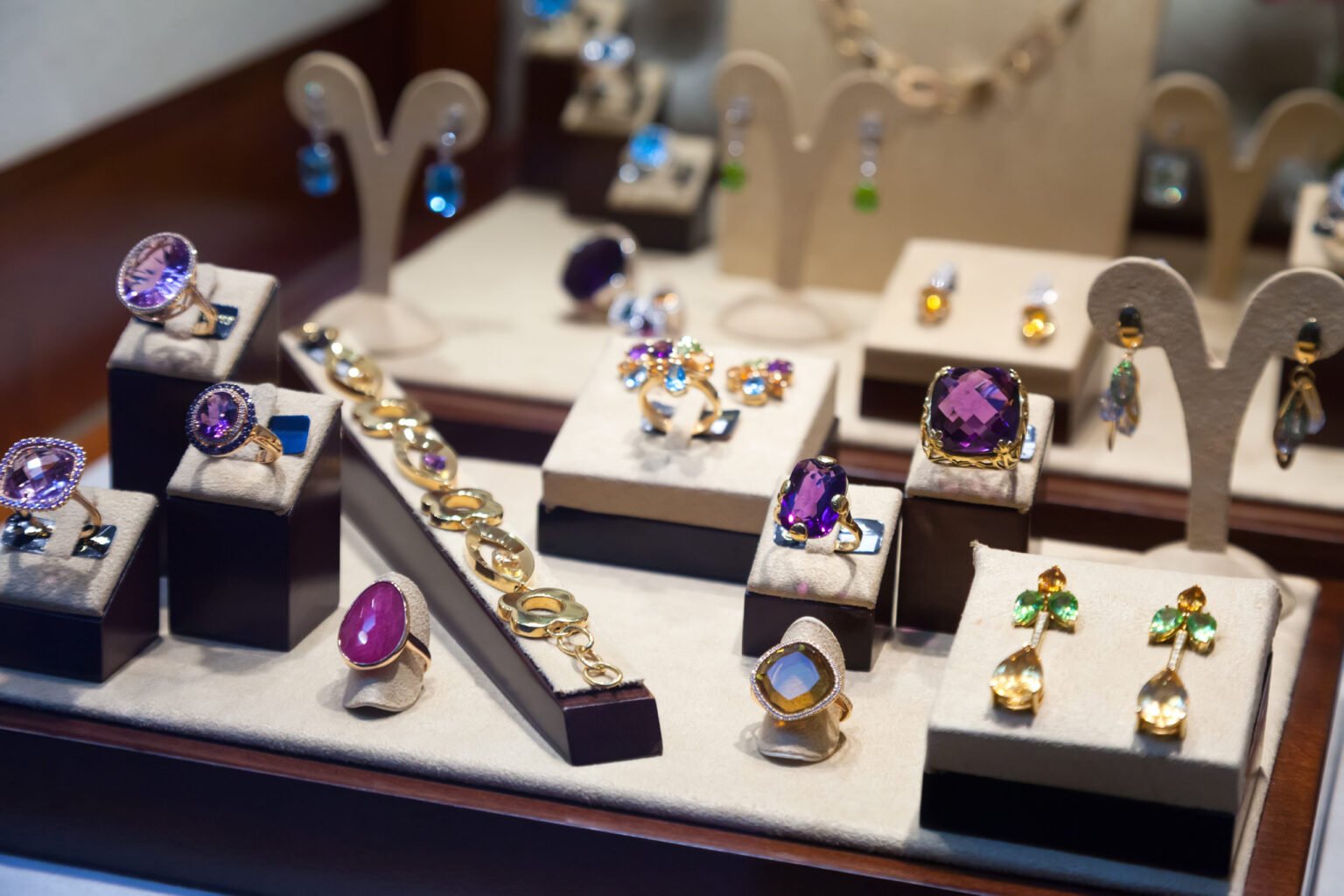
For older or distinctive pieces, especially those with design character tied to age, this is also where taste matters. Some estate-style rings shouldn’t be pushed toward a factory-bright look just because they can be. A store that handles vintage and period inventory often benefits from training staff on presentation choices for older pieces, and even a simple visual reference like this antique jewelry image guide can help frame those conversations consistently.
When professional polishing is the right call
Professional polishing is justified when appearance affects value, salability, or customer satisfaction, and when the ring’s condition supports the work. Trade-in inventory, showcase pieces, and client jewelry scheduled for major presentation moments often fall into that category.
A proper professional polish should involve:
- Condition review under magnification
- Assessment of stone security before any finishing
- Selection of the least aggressive method that achieves the desired result
- Clear communication with the client about what polishing will and won’t change
What it won’t do is reverse structural wear, rebuild prongs, or erase every mark without consequence. Good polish work improves appearance. It doesn’t rewrite history.
The business side of finish decisions
The importance of experience becomes apparent. A heavily worn ring might look better after polishing and still be a poor candidate for release without repair. A ring may also look acceptable with patina if preserving original substance matters more than showroom shine.
The best jewelers don’t promise a visual result in isolation. They tie finish decisions to condition, wear pattern, setting security, and future serviceability. That protects the asset and protects the conversation if the client’s expectation drifts beyond what the metal should reasonably be asked to do.
Cleaning as Risk Management Your Jewelers Block Insurance
A jewelry business usually thinks about risk in the obvious places. Theft. Transit. Showcase exposure. Mysterious disappearance. Those risks are real, but many claim headaches start somewhere quieter. They start with poor intake notes, inconsistent cleaning procedures, weak item handling, and missed signs of wear before a ring changes hands.
That’s why cleaning belongs in risk management. A documented cleaning protocol helps a store show that it handled valuable property with care, that staff followed consistent steps, and that visible condition issues were checked before and after service. In practical terms, that means fewer disputes over whether a stone was already loose, whether a ring was returned in the same condition, or whether a piece was ready for case display.
What a defensible protocol looks like
A strong shop protocol usually includes:
- Pre-clean inspection: Staff check settings, surface condition, and any visible signs of prior wear.
- Method selection by condition: Manual, ultrasonic, steam, or referral to bench work based on what the ring can safely tolerate.
- Post-clean review: The ring is checked again before release or display.
- Written documentation: Notes support accountability for stock, repairs, and client-owned items.
This overlaps with broader operational controls. If your store is refining inventory handling, memo control, or repair chain-of-custody, these asset tracking best practices are a useful outside reference because they reinforce the same principle. Valuable assets need consistent systems, not memory.
Why insurers care about process
Insurers that specialize in jewelry understand that losses don’t happen only in dramatic events. A ring can be mishandled in cleaning, mixed into the wrong tray, released without a newly visible issue being documented, or returned after an avoidable service dispute. Clean procedures reduce confusion, and reduced confusion reduces exposure.
For a business carrying Jewelers Block insurance, that matters. So does the quality of your records, staff training, intake routine, and handling discipline around high-value pieces. A ring isn’t just a retail item. It’s tracked property, a liability point, and often someone else’s emotionally loaded possession.
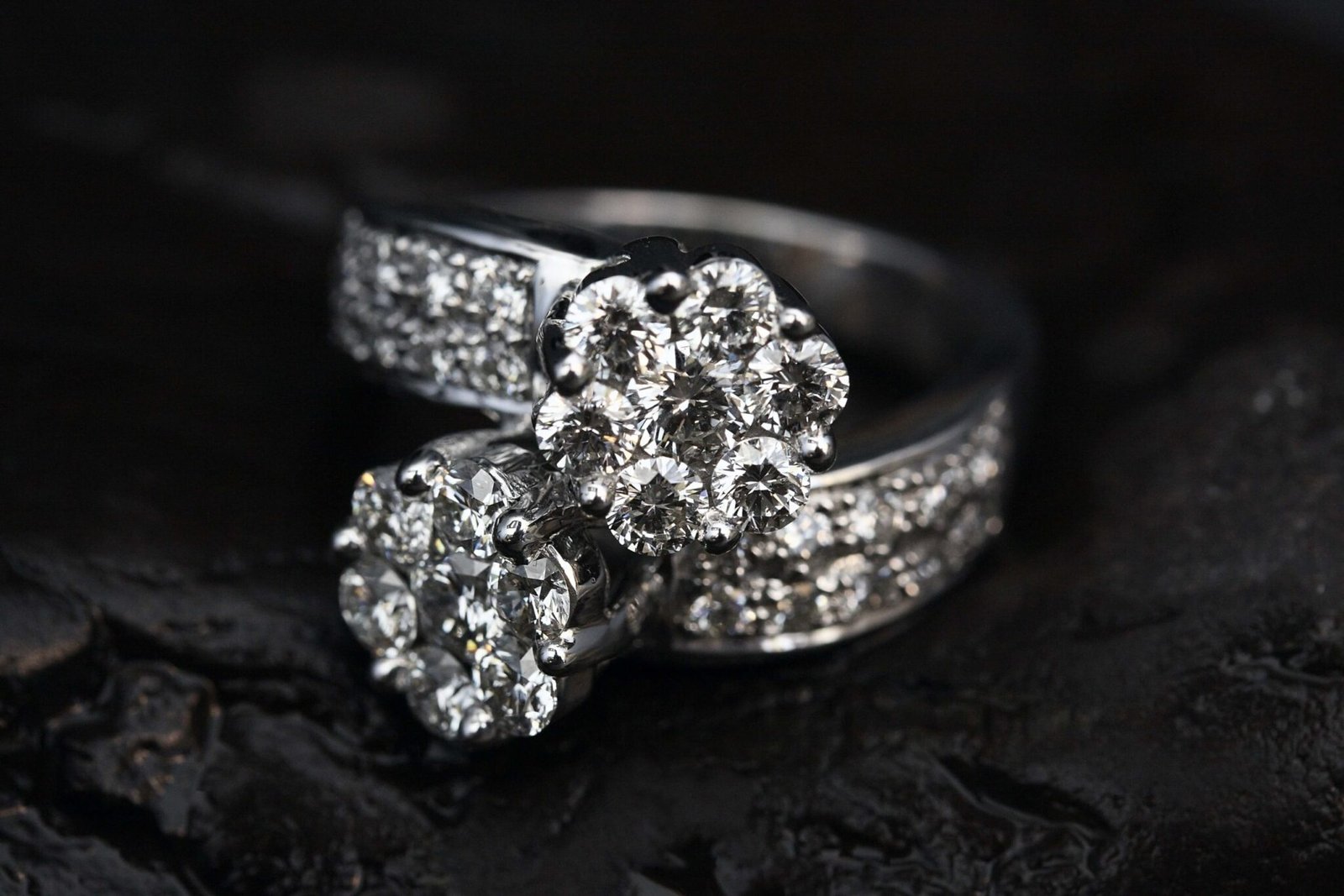
A simple visual reminder of what’s at stake can be useful in training and internal process review. Even a reference image like this diamond ring inventory visual can help anchor conversations about presentation, condition, and documented care.
The safest jewelry business isn’t the one that cleans the fastest. It’s the one that can explain exactly how a ring was handled from intake to release.
If you run a repair shop, showroom, or multi-channel jewelry business, treat the cleaning station like part of your protection strategy. It supports client service, preserves inventory value, and strengthens the kind of due diligence that matters when a loss, dispute, or claim puts your procedures under scrutiny.
First Class Insurance helps jewelers align real-world shop procedures with specialized protection. If you need Jewelers Block coverage for inventory, repairs, transit, showcases, and daily operational risk, First Class Insurance can help you review your exposures and get a quote built for the way your jewelry business runs.