
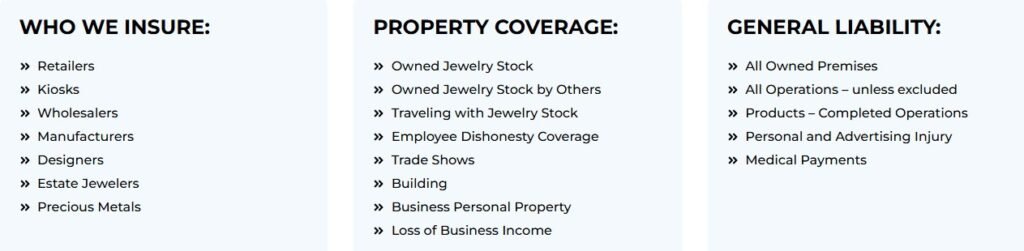
A recall usually doesn’t start with the word “recall.” It starts with a complaint.
A customer says the clasp on a bracelet opened without warning. A repair bench notices the same finding on two more pieces from the same vendor lot. Then someone in the showroom asks the uncomfortable question every jewelry owner dreads: how many of these did we sell, and where did they go?
For a jeweler, wholesaler, or artisan, that’s where the financial risk changes shape. It’s no longer just a workmanship issue or a return. It becomes a chain reaction involving customer notification, product collection, shipping, repair decisions, halted sales, staff time, and reputational damage. Standard insurance discussions rarely speak to that reality because they focus on mass-market manufacturers. Jewelry businesses sit in a different category. Lower volume, higher value, tighter margins on mistakes.
The Hidden Risk in Your Showcase
The scenario is easy to recognize. A long-time customer brings back a diamond bracelet that failed because of a faulty clasp. Your bench confirms the problem isn’t isolated. The same clasp appears across a full collection, including pieces already sold, pieces sitting in showcases, and pieces out with a wholesaler. The defect may not have injured anyone, but waiting for injury is a terrible business plan.
That kind of event is exactly why recall risk deserves attention inside a jewelry business, not just in automotive, food, or pharma. Consumer product recalls reached a 14-year high in Q1 2025, with 101 events recalling 125.37 million units, a trend showing that a single event can now create outsized damage for a business, according to consumer product recall payout statistics from Talli.
Why jewelry owners miss this exposure
Most jewelry owners think about theft first. They should. They think about burglary, transit losses, employee dishonesty, mysterious disappearance, and damaged stock. They often don’t think about pulling a product line out of circulation because a component, finish, clasp, chain, setting, or labeling issue creates a broader problem.
That gap exists because jewelry recall events don’t look like grocery-store recalls. They develop subtly. A few returns. A bench repair trend. An assay issue. A purity complaint. A supplier email that raises more questions than answers.
The dangerous part of a jewelry recall is how ordinary it looks in the first 48 hours.
A showcase full of inventory can look perfectly normal while the underlying exposure is already active. If your records don’t quickly tell you which pieces share the same finding, vendor, batch, or component source, a narrow defect can become a storewide headache fast.
For many store owners, the better framing is this: if a product problem forces you to locate, stop selling, recover, inspect, repair, replace, or publicly address inventory you’ve already distributed, you’re in recall territory.
A good visual reminder of what’s at stake is this jewelry showroom image. The value sitting in a single case may be concentrated enough that a defect affecting even a limited run can hit cash flow hard.

The business threat isn’t just the product
A faulty clasp is one issue. The larger issue is the cost of response. Staff hours, shipping, secure storage, bench labor, customer communication, refunds, remounting, and lost sales don’t disappear just because the original problem seems minor.
Jewelry businesses need to treat recall insurance coverage as balance-sheet protection, not as a niche policy built only for factory-scale manufacturers.
What Recall Insurance Actually Covers for Jewelers
Recall insurance coverage primarily pays for the business costs of getting defective or potentially harmful product out of the market and managing the fallout. That’s different from waiting for a lawsuit. It’s also different from insuring stock against theft or fire.
Think about an auto recall. The manufacturer doesn’t just pay to identify the affected vehicles. It pays to notify owners, move parts, coordinate repairs, and protect the brand. Jewelry recalls work the same way in principle, even if the mechanics are different. Instead of engines and airbags, you may be dealing with clasps, mountings, alloys, finishes, chains, gemstone settings, packaging, or purity representations.
Base coverage handles the first wave
Base forms typically reimburse the direct expenses that hit first. Chubb describes base recall coverage as including core costs such as product removal, disposal, storage, transportation, and crisis consultant fees, triggered by knowledge of a defect that could cause harm, with a $2,500 minimum self-insured retention in its policy structure, as outlined in Chubb’s product recall insurance brochure.

For a jeweler, that often means costs like these:
- Pulling inventory fast: Removing affected pieces from showcases, offsite events, memo placements, repair queues, and distributor shelves.
- Secure handling and transport: Getting product back through insured channels, especially where high-value items can’t move through ordinary shipping.
- Temporary storage and segregation: Holding affected merchandise separately while you investigate, test, and decide whether to repair, rework, or destroy.
- Outside expertise: Using crisis consultants or other professionals to guide communications and response planning.
Add-ons do the heavy lifting
The largest uninsured pain often sits outside the base form. That’s why endorsements and extensions matter so much.
Chubb also notes that add-on coverages can extend to replacement costs, business interruption, and brand rehabilitation, and that business interruption can average 20% to 50% of quarterly revenue for specialty retailers under industry benchmarks in that material. For a jeweler, replacement cost might mean far more than ordering a new SKU. It could involve sourcing new findings, resetting stones, remounting diamonds, or reworking custom pieces already promised to clients.
Practical rule: If the policy only pays to pull product back, but not to restore your business after the pullback, it’s probably too narrow.
What this looks like in a jewelry loss
A realistic jewelry claim can involve several layers at once:
| Cost area | How it can show up in a jewelry business |
|---|---|
| Direct recall expense | Collecting a line of necklaces with a defective locking mechanism |
| Repair or replacement | Installing new clasps, remounting stones, replacing findings |
| Lost income | Pulling a best-selling bridal line during a key sales period |
| Extra expense | Overtime for bench jewelers, temporary storage, rush shipping |
| Reputation recovery | Customer outreach, public messaging, trust-restoring campaigns |
Third-party costs can matter too
Wholesalers and suppliers need to ask one additional question. If your component or finished product causes someone else’s recall, does your policy address that third-party exposure?
Some recall programs can be designed to address claims from distributors or downstream businesses that say your product caused their financial loss. That matters in jewelry because the supply chain is layered. A setter, findings vendor, private-label importer, showroom retailer, and repair shop can all touch the same item before it reaches the customer.
What works is a policy built around your actual workflow. What doesn’t work is assuming general liability or property coverage will somehow absorb these costs later.
Recall vs Liability vs Jewelers Block A Clear Comparison
Most jewelry owners already carry multiple policies. That’s where confusion starts. They know they have general liability. They may have a strong Jewelers Block form. Some also carry commercial property and crime coverage. Then a recall issue appears, and everyone starts looking at policy language that was never built for the job.
The cleanest way to understand the gap is to compare the trigger behind each policy.
Three policies, three different jobs
Product liability is about injury or damage caused by your product after it’s in use. If a defective piece causes bodily injury or property damage, that’s the territory of product liability insurance explained by LA Law Group, APLC. It’s reactive. Someone has already been harmed or alleges harm.
Jewelers Block protects physical jewelry stock and related property against causes such as theft, robbery, mysterious disappearance, and transit loss. It’s built for inventory risk, not for pulling merchandise from the market because of a defect or compliance issue.
Recall insurance coverage responds when you discover a problem and need to act before broader harm, public escalation, or regulatory action deepens the loss.
Insurance Policy Comparison for Jewelers
| Coverage Type | Primary Trigger | What It Covers | Jewelry Example |
|---|---|---|---|
| Product Liability | Bodily injury or property damage caused by a product | Defense, settlements, covered liability arising from injury or damage claims | A customer alleges a defective earring post caused an injury |
| Jewelers Block | Physical loss or damage to jewelry stock and related property | Theft, robbery, mysterious disappearance, transit-related physical loss, and similar covered property risks | A memo shipment disappears in transit or inventory goes missing from a showcase |
| Product Recall | Knowledge of a defect, contamination, mislabeling, or similar issue that requires product withdrawal | Recall logistics, notification, storage, transportation, crisis response, and depending on structure, replacement, lost income, and rehabilitation costs | A line of bracelets is pulled after repeated clasp failures are traced to a shared component |
Where owners get tripped up
The most common mistake is assuming one policy “should” pick up what another policy plainly excludes.
A jeweler discovers a widespread clasp defect and starts calling customers. The business spends money on notifications, return shipping, inspections, and bench rework. If no bodily injury claim has been made, liability coverage may not respond. If the inventory wasn’t stolen or physically lost to a covered peril, Jewelers Block may not respond either.
You can have excellent theft protection and still be exposed to a product withdrawal event that drains cash just as fast.
Another mistake is relying on the phrase “product issue” as if it means the same thing under every policy. It doesn’t. Underwriting intent matters. Trigger language matters. Exclusions matter.
The practical takeaway
If you sell finished jewelry, distribute components, import private-label lines, or produce custom work at scale, you should treat recall as its own category of exposure. Liability addresses downstream claims. Jewelers Block protects valuable stock. Recall coverage protects the business cost of response when you discover that the stock itself has become the problem.
Common Recall Triggers and Exclusions for Jewelry
Jewelry recall events rarely announce themselves in dramatic fashion. They usually arrive through a pattern. Repeated clasp failures. Complaints about skin reactions. Questions about alloy content. A discrepancy between how a stone or metal was represented and what testing shows later.

Triggers that can put a jeweler into recall mode
One common trigger is a component defect. A line of bracelets, necklaces, or anklets may share the same clasp or finding. If that component fails in normal use, the issue may affect every unit built with it.
Another trigger is material or finish contamination. A business may market pieces as hypoallergenic, only to learn later that a supplier’s batch includes metal content that creates a safety or compliance problem.
A third is mislabeling or purity representation. Founder Shield notes that regulatory and government-mandated recall coverage can respond even if no defect is ultimately proven, including situations involving non-compliance with standards such as metal purity or gemstone labeling, in its discussion of product recall insurance and government-mandated withdrawals.
That point matters in jewelry because not every recall starts with a broken product. Some start with how the item was described, marked, or represented.
A government order changes the analysis
If a regulator or similar authority requires product withdrawal, the conversation shifts quickly. Standard general liability forms typically don’t function as recall policies. The business still has to notify customers, recover merchandise, pause sales, and control the message.
For jewelry operators, an antique jewelry inventory example is a useful reminder that even a small, curated stock can carry broad exposure if many pieces share one sourcing problem or one representation issue.
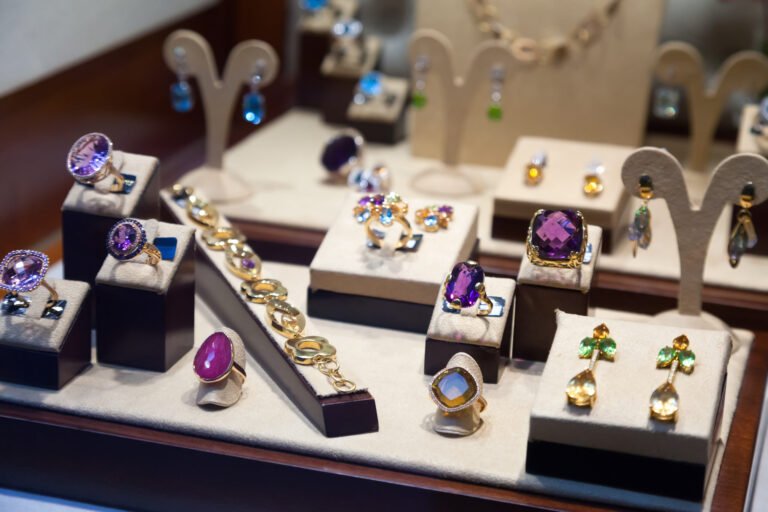
Some of the hardest recalls involve products that still look beautiful, still sell well, and still shouldn’t stay in the market.
What usually falls outside coverage
Recall insurance isn’t a maintenance contract. Policies often exclude issues that were known before coverage began, intentional acts, and purely aesthetic complaints. If a product is unpopular, dated, slow-moving, or just not meeting your quality standard without creating a genuine recall scenario, that’s not the same thing as a covered withdrawal event.
Other gray areas can include ordinary poor workmanship if it doesn’t rise to the level required by the policy trigger. That’s why wording matters. “Defect,” “contamination,” “impairment,” “malicious tampering,” and “government mandate” don’t mean the same thing across every form.
A practical review starts with your product line. Ask which issues would force you to stop selling immediately. Those are the issues worth matching against policy language.
How to Get and Price Recall Insurance for Your Business
Buying recall insurance coverage isn’t like buying a generic add-on. Underwriters want to know how your products move, where your components come from, how quickly you can identify affected stock, and how disciplined your quality controls really are.
That scrutiny is one reason the market has expanded. The global product recall insurance market was valued at $14.2 billion in 2025 and is projected to reach $29.8 billion by 2034, growing at an 8.6% CAGR, according to DataIntelo’s product recall insurance market analysis. That growth reflects larger recall exposures and heavier regulatory pressure, both of which influence underwriting and pricing.

What underwriters look at
A jeweler with a simple in-store repair operation presents a different risk than a wholesaler importing private-label inventory from multiple overseas vendors. Underwriters usually focus on the structure behind the product, not just the final retail value.
They’ll usually want detail on areas like these:
- Supply chain depth: How many suppliers touch the piece before sale, and how well are they vetted?
- Product mix: Bridal, fashion, children’s jewelry, custom work, plated goods, private-label imports, and findings-intensive products all create different concerns.
- Traceability: Can you identify affected stock by vendor, style, batch, purchase order, or production run?
- Quality controls: Incoming inspections, assay verification, bench testing, and documented vendor standards all help.
- Recall readiness: Whether you have a written withdrawal plan, customer contact procedures, and a response team.
Questions you should be ready to answer
The application process gets easier when the business can answer practical questions without scrambling through old files.
A carrier may ask:
- Which products are manufactured, assembled, imported, or only resold?
- Do you use private-label goods or components from outside vendors?
- How do you track lots, style runs, or supplier-specific inventory?
- What testing or inspection happens before pieces hit the case?
- Have you had prior product complaints, withdrawals, or recurring repair patterns?
If your answers are vague, pricing usually won’t improve.
Where this coverage sits in a program
Sometimes recall coverage is written as a specialized policy. In other cases, it may be added within a broader commercial insurance structure depending on the market and the operation. Capacity can also come from specialty and international markets. The Lloyd’s market context for specialty insurance capacity is relevant because many high-value and nonstandard risks are ultimately placed through markets built for manuscript wording and complex exposures.

Better pricing usually follows better documentation, not better bargaining.
What helps and what hurts
What works is a clean story backed by records. Supplier agreements. Intake procedures. Repair trend logs. Inventory coding. Complaint tracking. Written escalation rules.
What hurts is relying on memory, informal vendor assurances, and generic policy language. A jeweler who can’t isolate where a finding came from, when it was used, and which customers received it presents a much harder risk to underwrite.
Recall pricing isn’t just about revenue. It’s about how expensive your worst plausible withdrawal would be, and how well your business could contain it.
Navigating a Claim and Proactive Risk Management
When a recall issue appears, speed matters. So does discipline. Businesses often lose time by debating whether the issue is “serious enough” while inventory remains in circulation and records remain incomplete.

How a claim usually unfolds
Start by notifying your broker or carrier as soon as you identify a credible recall situation. Don’t wait until every fact is perfect. Then preserve the evidence. Pull representative samples, stop further sales of affected items, and lock down the records that show sourcing, assembly, repairs, and customer distribution.
After that, document every response cost as it occurs. Separate labor. Shipping. storage. inspections. outside experts. customer communication. bench rework. If expenses aren’t tracked cleanly, they’re much harder to present later.
A practical sequence looks like this:
- Stop the spread: Suspend sales and isolate suspected stock.
- Notify promptly: Give notice to the carrier or broker and follow policy reporting requirements.
- Preserve proof: Keep samples, supplier records, invoices, and complaint history.
- Track costs in real time: Use a dedicated code or ledger for recall-related spending.
- Coordinate messaging: Make sure customer communication matches the facts and the plan.
The hard part when cause is unclear
Coverage disputes become more likely when no one can immediately prove what caused the defect or contamination. Hunton notes that coverage disputes are common when the cause is unknown, and that policyholders often bear a significant burden to show the event was accidental in its discussion of insurance coverage for recalls where the cause of loss is unknown.
That matters for jewelry businesses because causation can be messy. Was it the alloy? The solder? The plating process? The clasp supplier? Bench handling? Packaging? Customer misuse? Those questions affect both coverage and recovery against other parties.
The businesses that handle recall claims best usually have one advantage. They can prove what happened to the product before anyone starts arguing about what the policy means.
Risk management that actually helps
A written recall plan is worth more than a generic binder no one opens. Assign names, not just roles. Decide who stops sales, who contacts counsel or the broker, who communicates with customers, and who approves public statements.
Supplier controls matter just as much. Vet vendors carefully, require product specifications in writing, keep purchase records organized, and track recurring repair issues by item and source. Batch identification also matters. If you can limit the affected run to a small group of pieces, you avoid turning a contained defect into a business-wide event.
Clear communication is part of loss control too. If you need a public response, these essential crisis communication best practices are a useful operational reference because they reinforce speed, consistency, and message control when trust is under pressure.
A short explainer on recall handling can also help frame internal training:
Secure Your Reputation and Your Bottom Line
Jewelry owners already know how to insure visible risks. Theft. Transit loss. showroom exposure. property damage. The harder problem is the loss that starts inside the product itself.
That’s where recall insurance coverage earns its place. It fills a gap that neither standard liability coverage nor Jewelers Block is designed to close. When a product line needs to be pulled, customers need answers, and sales have to stop while you sort out the problem, the cost isn’t theoretical. It’s immediate. It can hit cash flow, vendor relationships, and trust built over years.
The strongest insurance programs for a jewelry store don’t treat recall as an afterthought. They treat it as part of a complete protection strategy for inventory, operations, and reputation. That’s especially true for wholesalers, importers, private-label sellers, custom shops, and retailers carrying high-value pieces with shared components or specialized sourcing.
If you haven’t reviewed this exposure lately, now is the right time to do it. Read your current policies for recall exclusions, impaired property wording, and any narrow endorsements that may leave you exposed. Then compare that wording to the way your business buys, builds, repairs, labels, and sells jewelry.
If you need help reviewing your current insurance for a jewelry store or building a broader protection plan around Jewelers Block and recall exposure, talk with First Class Insurance. Their team specializes in jewelry risks and can help you get a quote for Jewelers Block with coverage suited to how your business operates.