
The most common advice about a gold jewelry appraisal is wrong for a business owner. People say, "Get the highest appraisal you can." That may make a private owner feel protected, but for a jewelry store, wholesaler, or repair shop, a high number can become an expensive mistake.
In Jewelers Block underwriting, the question isn't whether an appraisal sounds impressive. The question is whether the value matches the policy structure, the stock category, and the way a claim would be adjusted. If it doesn't, you can lose two ways. You can be underinsured after a theft, or you can carry inflated values that push premiums higher than they need to be.
A solid gold jewelry appraisal is a risk control document first and a valuation document second. It tells an underwriter what the piece is, how it was documented, how defensible the value is, and whether the insured is scheduling stock in a way that fits the actual exposure.
Why Accurate Gold Jewelry Appraisals Matter More Than Ever
The appraisal business is getting bigger because more owners, insurers, estates, and courts need defensible jewelry values. The global jewelry appraisal market reached USD 2.37 billion in 2026 and is projected to reach USD 4.98 billion by 2035, with a 9.42% CAGR according to Business Research Insights' jewelry appraisal market report. That growth matters because it reflects something practical. More money is riding on getting values right.
For a jeweler, "right" doesn't mean "highest." It means fit for purpose.
A showroom owner usually has several valuation problems at once. One ring may need a schedule-ready value because it's a one-off high-ticket piece. A tray of basic gold chains may need a stock value approach that tracks inventory economics more closely. Estate pieces may need deeper provenance and market support. If all of that gets forced into one blanket replacement-style number, the appraisal may look polished but still work against the business.
The two expensive mistakes
The first mistake is under-appraisal. If a loss happens and the documentation is thin, the claim gets harder. The carrier will want to see metal purity, stone details, photos, and a valuation method that makes sense. If that support isn't there, settlement becomes slower and more contentious.
The second mistake is over-appraisal. This one gets less attention, but it erodes profit. When inventory is valued too aggressively for insurance purposes, the business can end up paying premium on numbers that don't reflect how stock should be covered under the policy.
Practical rule: The best appraisal is the one that would still make sense to an underwriter, a claims examiner, and your accountant on the same day.
Why underwriters care about appraisal quality
An underwriter doesn't just read the bottom-line value. We look at the structure behind it:
- Purpose of the appraisal: Was it prepared for insurance scheduling, resale, estate work, or internal inventory control?
- Item identification: Does it clearly describe karat, weight, stones, dimensions, and distinguishing marks?
- Documentation depth: Are there photos, lab reports, purchase records, or repair notes?
- Valuation logic: Does the assigned value match the intended coverage basis?
If those pieces line up, the appraisal helps control uncertainty. If they don't, it creates it.
That distinction matters most for serious operators. A casual owner may only need broad personal jewelry guidance. A retail store, bench jeweler, pawn operation, or wholesaler needs documentation that can hold up under theft, transit loss, mysterious disappearance, consignment disputes, and stock audits. In that setting, a gold jewelry appraisal isn't a formality. It's part of the insurance file whether you realize it or not.
Understanding Replacement vs Fair Market vs Liquidation Value
Most confusion in jewelry insurance starts with one simple problem. Owners use the wrong value type for the wrong job.
A gold jewelry appraisal can produce several different values for the same item. None is automatically "correct" in every setting. The right value depends on why the report is being prepared and how the item is insured.
Three values that sound similar but behave very differently
Replacement value is the cost to replace the item in a retail setting with a comparable new piece. This is the value many owners recognize because it tends to be the highest and often looks the most reassuring on paper.
Fair market value is what a willing buyer and willing seller might agree on in a normal, non-distressed transaction. It usually fits estate work, donations, and certain legal or accounting uses better than insurance scheduling.
Liquidation value is what the item is likely to bring in a forced or accelerated sale. For business stock, this can matter more than many jewelers want to admit, especially when the inventory is commodity-heavy gold and not all of it would be replaced at full retail economics after a loss.
If you want a visual example of how replacement cost can diverge from inventory logic, look at this stunning 18 Karat Yellow Gold Half Eternity Band. For a consumer, the retail presentation and replacement discussion make sense. For a business owner insuring broad stock, that same consumer-facing number may not be the right basis for every policy line item.
Comparison of jewelry valuation types
| Valuation Type | Primary Purpose | Common Use Case | Impact on Jewelers Block Premiums |
|---|---|---|---|
| Replacement Value | Replace with a comparable item at retail | Scheduled high-value pieces, consumer insurance contexts | Often pushes premiums higher if used broadly on business inventory |
| Fair Market Value | Reflect a normal open-market transaction | Estate planning, tax matters, certain transfers | Can be more grounded, but may still not match stock coverage terms |
| Liquidation Value | Estimate outcome in a rapid or distressed sale | Inventory review, exit planning, distressed stock scenarios | Usually lower than replacement value and can better inform some business risk decisions |
What works and what doesn't
What works is matching valuation type to exposure.
If you carry a small number of signature pieces, custom work, or rare estate items, replacement value can be appropriate for those scheduled items. The business may need enough limit to source a comparable item again, satisfy a customer replacement obligation, or protect margin on a marquee piece.
What doesn't work is taking that same logic and applying it to every gold item in stock.
A tray of plain gold bands, chains, and basic earrings doesn't behave like a signed antique bracelet or a custom diamond ring. Stock turns differently. sourcing differs. Claims adjustment differs. Underwriting should reflect that difference, and the appraisal request should too.
A valuation type is not a badge of optimism. It's a tool. Use the wrong tool, and you'll either overpay or argue during a claim.
Ask for the value you actually need
When you engage an appraiser, don't say only, "I need an appraisal for insurance." That's too broad. Say what the item category is and how you intend to insure it.
For example:
- Scheduled showcase item: ask whether a replacement-oriented value is appropriate
- General stock inventory: ask for a valuation approach that aligns with how business stock is covered
- Estate or inherited items held for resale: ask whether fair market support is more useful
- Old, broken, or scrap-oriented gold: ask for a value basis consistent with liquidation or metal-driven economics
Good appraisers appreciate that clarity because it changes the report they produce.
For a store owner trying to organize values before renewal, even a simple image-based stock map can help separate special pieces from commodity inventory. A clean visual reference like this jewelry inventory photo example can support internal categorization before formal appraisal work begins.

What to Expect During a Professional Jewelry Appraisal
Many store owners expect an appraisal to confirm a high number. For insurance on business stock, that instinct often costs money.
A professional appraisal should identify the piece clearly, document its condition, and tie the value conclusion to the purpose of the report. If the assignment is vague, the report usually comes back vague too. That creates friction with claims staff and can push your Jewelers Block values higher than the policy requires.
Professional appraisers usually charge by the item or by the hour, not as a percentage of the appraised value. The National Association of Jewelry Appraisers explains appraisal fees and ethical independence, and that fee structure matters. An appraiser who gets paid more for a higher number is not giving you a clean insurance document.

The assignment should be defined before the item is examined
Start with purpose, then scope. Is the piece a one-off high-value item you may schedule separately, ordinary sales stock, old estate jewelry held for resale, or damaged gold that trades closer to scrap economics? I ask store owners to settle that question first because the wrong assignment leads to the wrong value basis.
A careful intake process follows. The appraiser logs the item, matches it to prior invoices or memos if available, notes who delivered it, and records how custody is handled during the appointment. That paperwork sounds mundane until a loss file turns on whether the ring in the report is the same ring that disappeared. Carriers that write Lloyd's jewelry insurance market documentation standards care about that chain of identification.

Security matters here too. If pieces are traveling to and from the appraiser, use the same discipline you would use for intake, vaulting, and transfer logs, along with robust jewellery shop security measures at the store level.
The physical examination should leave little room for guesswork
Once the item is on the bench, the appraiser verifies what it is made of and how it was built. For gold jewelry, that usually includes confirming karat quality, checking hallmarks or stamps, weighing the piece, measuring it, and recording construction details that affect durability and replacement options.
The report should usually capture:
- Clear photographs: full views, close-ups of marks, and distinguishing wear or repairs
- Weight and dimensions: useful when two pieces appear similar but are not equivalent in metal content or make
- Condition details: thinning, solder work, replaced parts, missing stones, worn prongs, or prior resizing
- Construction notes: hollow versus solid, cast versus assembled, hand-finished details, and any signs of alteration
Those details do more than support value. They reduce disputes. If a claim comes in six months later, the file should let an adjuster identify the item without relying on memory.
Gemstones need separate support, especially on mixed gold pieces
If the jewelry includes diamonds or colored stones, the appraisal should separate metal value from gemstone value and state what was observed, what was tested, and what was taken from existing lab reports. The Gemological Institute of America outlines the grading factors and testing limits used in standard gem identification on its gem identification and grading resources.
That distinction matters in insurance work. A line item that says "gold ring with white stones" is weak documentation. A report that identifies stone counts, approximate weights, quality observations, mounting style, and any lab references is far more useful if the item is lost, switched, or partially damaged.
Valuation work happens after the description is locked down
After examination, the appraiser researches the market that fits the assignment. For a custom bridal ring, replacement-oriented comparables may make sense. For broad business inventory, the better question is often what value basis matches the policy language and how the stock would be replaced or adjusted after loss.
That is the trade-off many new owners miss. A report built on inflated retail replacement logic can look protective and still be inefficient for insuring stock. A disciplined appraisal gives you a defensible record, a value basis you can explain to an underwriter, and fewer surprises when premium is calculated.
How Appraisals Directly Impact Your Jewelers Block Policy
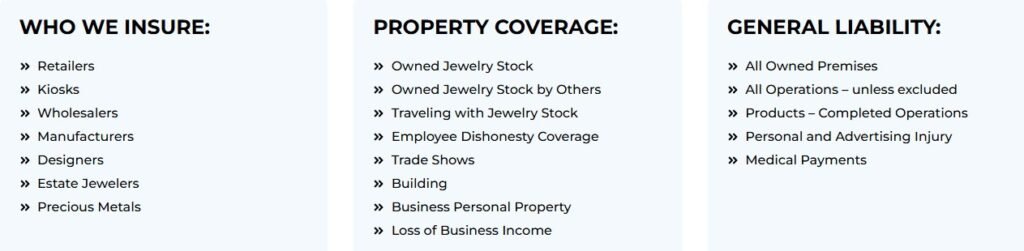
The fastest way to overpay for Jewelers Block is to insure store stock on inflated retail replacement numbers and assume more value always means better protection. In underwriting, that usually means higher limits, higher premiums, and no matching improvement in claim outcome.

I see this with new store owners all the time. They hand over appraisals built for consumer insurance, then wonder why the quote feels heavy for the amount of stock they carry. The answer usually sits in the valuation basis.
An underwriter prices more than total inventory. We look at average stock, peak season swings, memo exposure, off-premises handling, repairs in custody, shipment patterns, and how values are documented. Appraisals flow into several of those decisions. If the numbers are padded with full retail replacement logic across broad inventory categories, the policy gets built on a cost structure that may not fit how losses would be adjusted.
Where replacement appraisals create trouble
Retail replacement value has a place. It fits certain scheduled pieces, custom work with limited comparables, and unusual items that would be expensive to recreate at current retail levels. It is a poor default for all business inventory.
For stock that turns regularly, the primary question is simpler. What value basis does the policy use, and what would the insured genuinely spend to replace that item after a loss? If the form settles on actual cash value, stock value, cost plus, or another business-oriented standard, a consumer-style appraisal can distort the whole account.
That distortion affects premium first. It can also create friction at claim time when the insured expects one basis of value and the policy pays on another.
What underwriters usually want to see
The cleanest files separate inventory by risk and by likely settlement treatment. That gives the carrier a clearer path to price the account and gives the jeweler a better chance of paying for the protection the business needs, not for inflated paper values.
A practical framework looks like this:
- Scheduled exceptional pieces: rare estate items, high-ticket custom work, or pieces with unusual replacement difficulty
- General stock: bread-and-butter inventory that can be supported by realistic stock valuation methods
- Customer property and repairs: items in your care, custody, and control that need exact intake records and clean identification
- Transit and memo stock: property exposed to shipment, third-party custody, or sales reps away from the premises
Security still matters just as much as valuation discipline. A store with weak controls and perfect appraisals is still a difficult risk. Owners reviewing physical safeguards should study practical guidance on robust jewellery shop security measures because carriers price valuation quality and loss prevention together.
Why paired appraisals make sense
For many stores, one valuation approach is not enough.
A paired appraisal strategy often works better. Use one standard for individually significant pieces that need replacement-oriented support. Use another for general inventory where the policy language and the economics of replacing stock point to a different basis. That keeps the file honest and usually produces a more efficient premium structure.
I would rather underwrite a schedule that reflects how the business buys, sells, and replaces merchandise than one that treats every 14k ring in the case like a retail heirloom. That is the difference between a policy that looks expensive and a policy that is correctly built.
Underwriting view: If every item in the store is appraised at top-end retail replacement, the premium will usually follow that assumption, even when the policy would not settle every loss that way.
Carrier appetite and wording still control the final result. Some specialty markets will accept more nuance in stock valuation than others. A quick review of a specialty underwriting market reference is a useful reminder that jewelry risks are not handled the same way across the market.
Here is a short explainer that helps owners understand the insurance side of the discussion before renewal talks get too far along.
What doesn't work at claim time
Three habits create recurring problems:
- Using old consumer appraisals for current business inventory
- Scheduling stock with broad descriptions and little supporting documentation
- Assuming a higher appraised number guarantees a higher paid claim
Claims are settled under policy terms, documented facts, and the valuation basis written into the form. An inflated appraisal can raise premium. It does not rewrite the contract.
Selecting an Appraiser Your Insurer Will Trust
The appraiser does not need to produce the highest number. The appraiser needs to produce a number your carrier can defend.

Store owners often hire the appraiser who sounds the most generous on value. That choice usually costs money twice. First in premium, then in underwriting friction when the carrier questions the report. For business stock, I want an appraiser whose work holds up under file review, especially on older pieces, custom work, and antique jewelry that needs stronger documentation.
Independence comes first. If the fee rises with the value conclusion, the report has a built-in conflict. Appraisers who follow accepted professional ethics generally charge by time, complexity, or a flat fee per item, not as a percentage of value. The American Society of Appraisers' ethics rules make that point clearly, and insurers know it.
What makes a report insurer-friendly
An insurer-trusted appraiser usually gets four things right.
- Purpose of value is stated up front: insurance, estate, resale, liquidation, or another use
- Item description is specific: metal type, weight, measurements, hallmarks, stone details, condition, and notable alterations
- Valuation method is explained: the reader can see whether the number reflects replacement, fair market, or another standard
- Support is attached: photos, lab reports when relevant, and enough notes for a third party to retrace the logic
That last point matters more than many owners expect. Underwriters and claims examiners are reading the file months or years after the appraisal was written. If another professional cannot follow the reasoning, the report loses value as underwriting support.
Credentials still matter. Process matters more. I have seen technically trained appraisers submit reports so thin that they create more questions than answers.
Questions worth asking before you hire
Ask questions that test whether the appraiser understands business inventory and insurance cost control.
- How do you charge for appraisal work? Time-based or flat-fee answers are usually safer than value-based pricing.
- Do you handle retail stock, memo goods, estate pieces, and one-off custom items? Consumer jewelry experience alone is not enough.
- Can you assign different valuation approaches to different categories of property? That matters if your policy does not settle every class of loss on a pure retail replacement basis.
- What will the final file include? You want photographs, identifying details, test results where needed, and any outside lab support.
- How do you handle uncertainty? A careful appraiser will mark assumptions, limits, and items that need further testing.
A good appraiser is comfortable saying the documentation does not support a top-end replacement figure.
Red flags that should end the conversation
Some problems show up fast.
| Red flag | Why it matters |
|---|---|
| Percentage-based fee | Gives the appraiser a financial reason to push values upward |
| Same valuation language for every assignment | Suggests they do not distinguish stock, estate, resale, and insurance use |
| Thin descriptions or weak photos | Makes underwriting and claim verification harder |
| Promises to get the "highest value possible" | Signals sales behavior, not disciplined appraisal work |
For Jewelers Block, a careful appraiser usually saves more money than an aggressive one. The goal is not to impress a customer with a big number. The goal is to support the value basis your policy uses, keep the file clean, and avoid paying premium on inventory values you are unlikely to recover at claim time.
A Jeweler's Checklist for an Efficient Appraisal
Preparation saves money because appraisal time is billable. It also improves the final report because the appraiser spends more time analyzing and less time chasing missing facts.

For gold jewelry, karat verification is foundational. Appraisers use precise karat standards, with 24K representing pure gold, and may use acid or electronic testing to confirm purity because metal content establishes the floor value for insurance and inventory analysis, according to this guide to gold jewelry appraisal basics. If your records around karat, weight, and sourcing are messy, the appraisal will be slower and less clean.
Use this checklist before the appointment
- Sort inventory by purpose: Separate scheduled standouts from regular stock, repairs, memo goods, and scrap-oriented material.
- Pull existing paperwork: Gather prior appraisals, receipts, lab reports, vendor invoices, and internal SKU records.
- Match each item to an identifier: Tag trays, envelopes, or parcels so item photos and written records stay aligned.
- Note altered pieces: Flag resized rings, replaced stones, repaired chains, or rebuilt mountings before the appraiser discovers them mid-process.
- Clean lightly, don't overwork: Presentable items photograph better, but aggressive polishing can hide wear clues the appraiser should record.
- Define the appraisal use in writing: Say whether the report is for insurance scheduling, stock review, estate handling, or another purpose.
Give the appraiser a clean starting file
A simple spreadsheet or stock sheet helps more than owners expect. It should track item type, stated karat, weight if known, stone presence, and any existing documents. If you handle older pieces or inherited inventory, a visual reference set such as this antique jewelry example can help your staff separate modern stock from pieces that may need more specialized review.
What speeds the work without hurting accuracy
The best prep is organized, not performative. You don't need fancy binders or showroom-perfect staging. You need identifiable items, available paperwork, and a clear statement of why you're ordering the appraisal.
That lets the appraiser spend time where it matters most. Confirming metal purity. Identifying stones. Describing condition. Building a report your insurer can use.
Gold Jewelry Appraisal FAQs
How often should a jewelry business update appraisals
Update them when inventory mix, sourcing cost, or policy structure changes enough that the old report no longer reflects the current exposure. High-value scheduled pieces deserve closer attention than commodity stock because a single item description gap can create disproportionate claim friction.
For many businesses, the better habit is to review by category instead of treating every item on the same cycle. Signature items, custom work, and unusual estate pieces usually justify more active review than standard gold stock.
Is an appraisal the same thing as a lab report
No. A lab report addresses gem identification and grading. An appraisal assigns value for a stated purpose. If a ring contains an important diamond, the lab report strengthens the appraisal, but it doesn't replace it.
That distinction matters in claims. The lab report helps prove what the stone is. The appraisal helps show how the item should be valued within the insurance context.
Can I use an online appraisal for insurance
Use online tools only for rough screening, not for serious insurance reliance. They can be useful when you're triaging inventory, spotting pieces that deserve closer review, or creating an internal work list.
They usually fall short where insurance files need the most support. Physical examination, detailed condition notes, verified metal content, high-quality photos, and purpose-specific value analysis.
Online estimates are for speed. Claim-ready appraisals are for proof.
Why are detailed descriptions so important in mysterious disappearance claims
Because those claims often turn on documentation quality. If there is no recovery item to inspect and no obvious break-in evidence, the file leans hard on records. The cleaner the identification, the easier it is to show what was lost.
A vague entry like "14K gold bracelet" doesn't do much work for you. A detailed report with weight, dimensions, clasp type, photos, hallmarks, and stone details gives the carrier something concrete to evaluate.
Should every piece in stock get a full formal appraisal
No. That's often inefficient. Some businesses need full formal reports only for selected items and a disciplined stock valuation system for the rest. The trick is deciding which category each item belongs in before renewal, not after a loss.
That is where many owners save money. They stop treating every piece like a consumer heirloom and start aligning documentation with how the policy will respond.
What is the single biggest appraisal mistake jewelry stores make
Using one valuation mindset for the entire business. Retail replacement has its place. So do fair market and stock-oriented approaches. Problems start when the owner assumes one high number solves every insurance question.
It doesn't. Good insurance documentation is specific, purpose-built, and boring in the best possible way. It holds up because it is clear.
If your jewelry business needs coverage built around how your stock is valued and handled, First Class Insurance can help you review your current approach, tighten appraisal strategy, and get a quote for Jewelers Block insurance that fits your operation instead of inflating it.