
On a normal weekday, the damage usually doesn't announce itself. A sales associate opens the case, straightens the trays, and notices a few silver bands that looked bright last month now carry a dull film. One needs polishing. Another looks blotchy under the showcase lights. A third is still technically sellable, but not at full confidence.
That problem feels small until you multiply it across inventory, labor, customer perception, and claim discussions after a loss. For a jewelry store owner, rings that don't tarnish aren't just a product category. They're a control point. They help protect margin, reduce maintenance, stabilize inventory value, and make your stock easier to defend as a business asset.
Your Inventory's Silent Devaluation Problem
A ring doesn't have to be broken to lose value in your store. It only has to look neglected.
That happens every day with reactive metals and plated pieces that sit too long, move through humid conditions, or get handled repeatedly in a busy showroom. The ring is still there. The SKU is still on your books. But its presentable value has dropped, and your staff has to spend time restoring what should have been ready to sell.

I've seen jewelers treat this as routine upkeep, the same way they treat dusting glass or steaming velvet. It isn't the same. Tarnish changes the condition of inventory. A customer looking at bridal bands or gift rings reads surface discoloration as age, poor storage, or weak quality control. Once that impression forms, your close rate gets harder.
What devaluation looks like in practice
A tarnished ring creates several problems at once:
- Display drag: The piece weakens the whole presentation, especially in white metal assortments where customers compare rings side by side.
- Labor leakage: Staff time goes to polishing, checking finishes, and pulling inventory from the case instead of selling.
- Markdown pressure: Some pieces come back to the floor looking improved, but no longer showroom-fresh.
- Trust erosion: Customers may assume the ring will keep changing after purchase.
A store owner doesn't need a dramatic catastrophe to lose money. Slow condition decline does enough damage on its own.
Why store owners should think like asset managers
If you insure jewelry stock, you already know inventory isn't just merchandise. It's an asset pool with varying levels of stability.
A platinum ring that holds its appearance for years behaves differently from a silver ring that needs repeated intervention. A tungsten band that stays polished in the case behaves differently from a plated fashion ring that depends on a surface finish staying intact. That's why metal choice belongs in the same conversation as turnover, shrink controls, and valuation records.
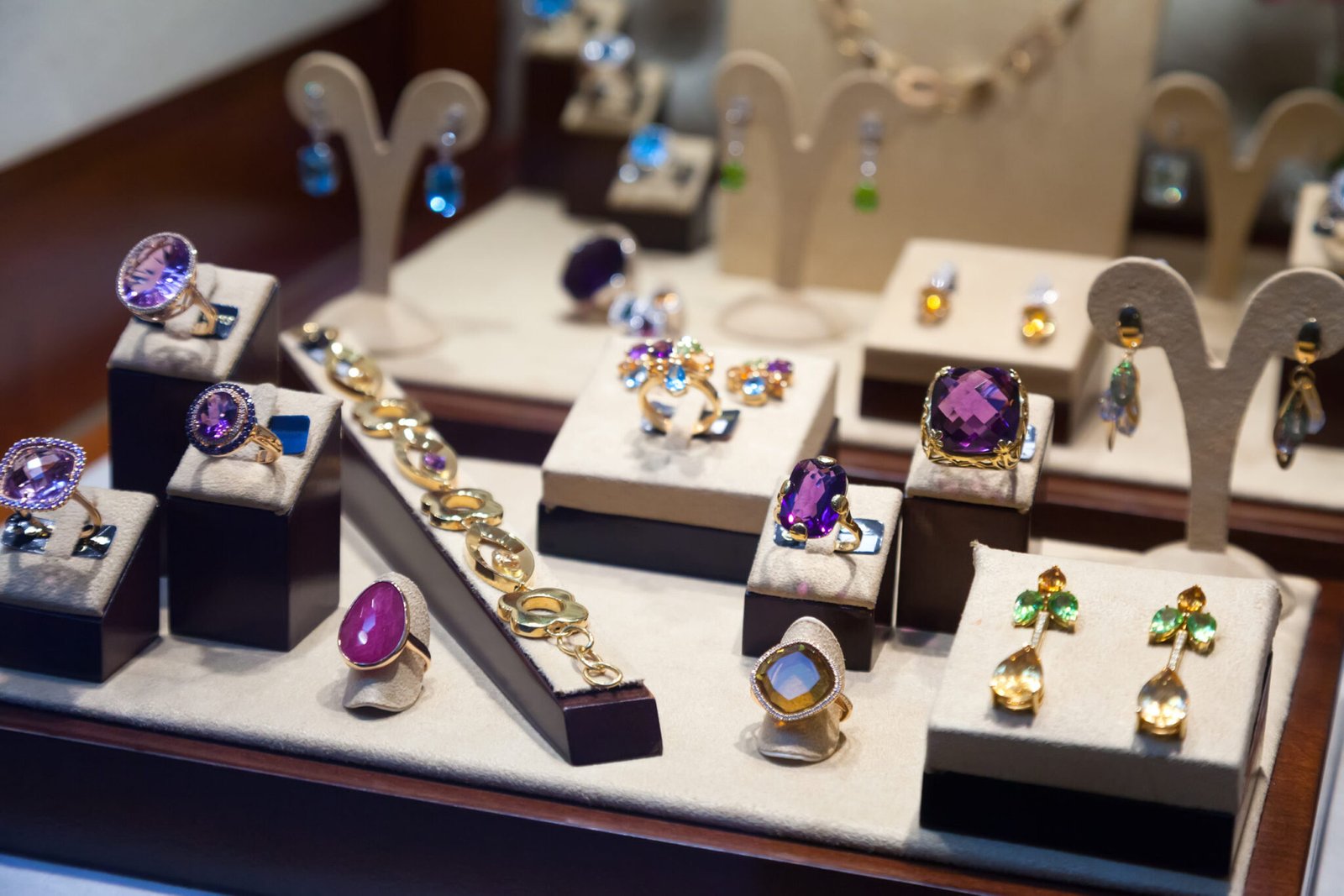
For stores that also deal in estate and vintage categories, the same discipline matters when presenting legacy pieces and documenting condition for insurance and resale. Even a simple visual reference like this antique jewelry showroom image reminds you how much of the sale depends on apparent condition before a customer asks a single question.
A ring that needs cosmetic rescue before it can be shown isn't fully liquid inventory.
The Science and Business Cost of Tarnish
Tarnish is a surface reaction. The easiest way to explain it to staff is to compare it to a sliced apple browning after exposure. Metal meets air, moisture, or reactive compounds in the environment, and the surface starts to change. In jewelry, silver and copper-containing alloys are common trouble spots because they react more readily than noble metals.
You don't need a chemistry lecture to run a better inventory. You need to know which materials fight the environment and which materials cooperate with it.
Why some metals fail in the case
The showroom itself creates exposure. Rings are handled by customers, touched with skin oils, moved in and out of trays, cleaned with products that may leave residue, and stored in spaces with changing humidity. That cycle is enough to turn a quiet chemical tendency into a visible sales problem.
The issue isn't only the ring that has already tarnished. It's the unpredictability. If your staff can't trust how a product will look after weeks or months in stock, the item becomes operationally expensive.
A useful non-jewelry primer on surface reaction is this guide to understanding oxidation in materials. It helps explain why some surfaces degrade quickly while others form a protective barrier that slows further damage.
Why stainless steel behaves differently
Stainless steel works by a different rule set. Its tarnish resistance comes from passive oxidation. Chromium content in jewelry-grade alloys, typically 10-30% by weight, forms a self-healing chromium oxide layer that blocks moisture and atmospheric oxygen from reaching the iron below, according to this stainless steel corrosion explanation. That same source notes the practical result for retail operations: stainless steel pieces don't require specialized storage protocols or periodic professional cleaning to prevent deterioration.
That matters because prevention beats maintenance. If a ring doesn't need routine correction, your margin has a better chance of surviving intact.
Where the real cost shows up
Most owners first notice tarnish as a bench or sales-floor nuisance. The deeper cost is broader.
- Staff interruption: A polished ring still consumed labor before it reached the customer.
- Presentation inconsistency: Not every piece returns to the same finish after cleanup.
- Returns and complaints: If a customer buys a ring expecting permanence and sees discoloration later, the sale can come back as a service problem.
- Brand dilution: Cases filled with unstable-looking product undercut the premium environment you're trying to create.
Practical rule: If a ring category needs recurring explanation, recurring polishing, and recurring rescue, it isn't a low-maintenance category no matter how low the buy cost looked.
A better way to classify ring inventory
Don't sort rings only by style, price point, or vendor. Sort them by condition stability.
A practical framework is simple:
| Inventory type | Surface behavior | Store impact |
|---|---|---|
| Noble and stable metals | Resists tarnish under normal wear | Easier display management, fewer cosmetic surprises |
| Protected modern alloys | Uses passive surface protection | Lower maintenance with strong day-to-day resilience |
| Plated or reactive pieces | Depends on coating or reactive alloy mix | More explanation, more upkeep, more expectation management |
That lens changes buying decisions. Rings that don't tarnish aren't just easier for customers to own. They're easier for jewelers to stock profitably.
Platinum, Palladium, and Gold The Tarnish-Proof Classics
The traditional fine-jewelry answer to tarnish isn't a mystery. It starts with metals that are naturally stable.
Platinum and palladium sit in the category jewelers trust when they want a ring to keep its appearance without depending on a coating. High-karat gold belongs in the conversation too, but with a significant distinction between pure gold and alloyed gold that affects how you sell it.

Platinum as a stable inventory metal
Platinum has been a cornerstone of non-tarnish jewelry since 1889, and it's 30 times rarer than gold. It is chemically inert and doesn't react with oxygen, sulfur, or skin acids, which is why it keeps its white luster over time, according to this platinum market and durability overview. The same source reports that platinum comprised 55% of U.S. white metal engagement ring settings in 2024, up from 40% in 2010.
For a store owner, that market share matters less than what it signals. Customers already understand platinum as permanent. You don't have to spend much time defending its color stability.
That same source also ties durability to insurance outcomes. It notes tarnish-related losses for silver at 12-18% of annual policies, while platinum incurs less than 1%. In practical terms, platinum doesn't just sell as premium. It behaves like premium inventory after it enters stock.
Palladium for clients who want a lighter white metal
Palladium doesn't get as much showcase attention, but it solves a real merchandising problem. Some customers want a white metal with noble-metal chemistry and less heft on the hand.
According to the verified data, platinum and palladium both resist common environmental degradation because they are noble metals. Palladium is 40-50% lighter than platinum while offering comparable tarnish resistance and durability in ring applications. For stores, that creates a useful contrast in the case: substantial feel on one side, lighter comfort on the other, without stepping down into a higher-maintenance category.
Platinum and palladium earn their price by staying predictable.
Gold needs a more careful sales conversation
Gold is where many avoidable misunderstandings begin. Customers say they want "gold" as if all gold behaves the same. It doesn't.
Verified data supports a clear distinction. Pure 24K gold is a non-tarnish benchmark with 99.9% purity, while alloyed golds are more prone to discoloration. That's the point your staff should communicate early. Gold itself is stable. The behavior changes when other metals are mixed in for strength, color, and wearability.
If your team needs a customer-friendly explainer for this issue, this article on Does Gold Tarnish is useful background for framing the difference between pure gold and alloyed pieces.
A better sales script sounds like this:
- For 24K inquiries: Explain that purity supports color stability, but softness limits suitability for many daily-wear ring applications.
- For 18K and below: Clarify that alloy content changes maintenance expectations.
- For white gold: Make sure customers understand they're often buying a finish system as much as a metal choice.
That last point is where a lot of stores lose future goodwill. A customer who thought white gold meant permanently white may later feel misled, even if the invoice was technically accurate.
Here's a visual reference that helps many buyers compare traditional white metals and bridal styles before they commit.
How to merchandise the classics
A smart case mix separates these metals by use case, not just by price.
| Metal | Best selling position | Main caution |
|---|---|---|
| Platinum | Bridal, heirloom, premium daily wear | Higher upfront cost |
| Palladium | Lightweight premium white metal option | Lower consumer familiarity |
| 24K gold | High-purity buyers, collectors, statement pieces | Softness |
| Alloyed gold | Broad market, varied colors and styles | Expectations must be managed carefully |
If you're curating rings that don't tarnish for long-term reputation, platinum and palladium are your cleanest fine-jewelry story. Gold can still be excellent inventory. It just requires tighter selling language and better fit between the metal's behavior and the customer's lifestyle.
Stocking Smart with Tungsten, Titanium, and Stainless Steel
Not every profitable ring category has to live in the precious-metal case. Some of the strongest inventory performers are modern metals that give customers what they ask for at the counter: low maintenance, daily wear durability, and a clean look that doesn't fade fast in real life.
Such offerings allow many stores to widen margin opportunity. Alternative metals can serve bridal, men's bands, gifts, replacement purchases, and practical self-purchase customers without dragging the same upkeep burden behind them.

Tungsten for polish retention and showroom durability
Tungsten carbide stands out because it solves two retail headaches at once: visible scratching and tarnish risk. Verified data places it at Mohs 8.5-9.0, above titanium at 6.0 and well above 18K gold at 2.5-3.0, making it one of the hardest materials used in jewelry. The same verified source states that tungsten is virtually scratch-proof and completely tarnish-resistant due to a stable chemical composition that prevents oxidation, even under daily exposure to water, sweat, or chemicals, as described in this tungsten carbide durability review.
That source adds two points store owners should pay attention to. Sterling silver can tarnish in 20-40% of cases within the first year of regular wear, while claims data tied to traditional metals show tarnish-related losses accounting for up to 15% of inventory devaluations annually, compared with near-zero incidence for tungsten pieces.
Those numbers explain why tungsten often earns its shelf space quickly. It stays presentation-ready.
Titanium for comfort and corrosion resistance
Titanium is the answer when customers like the idea of modern metal but don't want weight. Verified data notes that titanium entered jewelry in the 1990s, has a strength-to-weight ratio 45% superior to steel, and now holds 20% market share in non-tarnish rings. The same data states it is biocompatible for sensitive skin and resists corrosion in 99% of tests.
Titanium works well in a store when you sell by lifestyle. Customers in active jobs, customers who dislike heavier bands, and customers focused on skin sensitivity often respond better to titanium than to a traditional metal pitch.
If tungsten sells on permanence and heft, titanium sells on comfort and practicality.
316L stainless steel for value-driven volume
316L stainless steel gives a store a strong lower-cost category without forcing you into disposable-quality positioning. Verified data explains that jewelry-grade stainless steel uses chromium, typically 10-30% by weight, to form a self-healing chromium oxide layer that blocks rust, oxidation, and discoloration. In another verified source, 316L surgical-grade variants resist rust in 95% of everyday conditions.
That matters for high-volume assortments. Stainless steel can sit in a case, move through frequent handling, and remain visually reliable without special storage or repeated bench attention.
For many stores, stainless is the category that makes add-on ring sales easier because the customer doesn't have to be sold on maintenance. They already understand "wear it and forget it."
A simple buying comparison
Use this lens when you're deciding what to expand:
- Choose tungsten when you want a substantial feel, strong polish retention, and a category that stays visually sharp in the case.
- Choose titanium when comfort, lightness, and hypoallergenic positioning drive the sale.
- Choose 316L stainless steel when you need affordable, durable inventory that can support steady turnover.
A strong product photo helps these categories sell online and in follow-up client messages. Even a single clean hero image, like this diamond ring presentation example, shows how finish and surface quality carry much of the decision.

The trade-offs that matter
These metals aren't perfect. They are strategic.
| Metal | What works | What doesn't |
|---|---|---|
| Tungsten carbide | High hardness, polished look, low tarnish risk | Not the right fit for customers who want a traditional precious metal story |
| Titanium | Lightweight, skin-friendly, modern feel | Doesn't satisfy buyers who equate weight with luxury |
| 316L stainless steel | Affordable, corrosion-resistant, easy to stock | Lower prestige perception than noble metals |
The point isn't to replace classic metals. It's to build a ring assortment that includes stable, easy-to-maintain inventory across multiple price bands. That's how rings that don't tarnish become a business strategy instead of just a product feature.
Managing Expectations with Plated and Coated Rings
Plated and coated rings aren't bad inventory. They're just inventory that needs a different sales method.
Trouble starts when a store presents plated jewelry as if it belongs in the same permanence category as platinum, palladium, tungsten, or stainless steel. It doesn't. A plated ring depends on a surface layer. Once that layer wears, the underlying metal or original color character can begin to show through.
Sell the finish honestly
Customers usually accept maintenance when they understand it upfront. They resist it when they believe they bought a permanent condition.
That means your language at the counter matters. Don't say a plated ring "won't change." Say it has a protective or decorative finish that can wear over time depending on use, skin chemistry, friction, product exposure, and care habits.
A strong sales approach sounds more like this:
- Lead with appearance: Explain why the finish looks attractive now.
- Name the limit: Clarify that the finish is a layer, not the full body of the ring.
- Offer the plan: Tell the customer what future service is available if the appearance changes.
Turn a future complaint into a service relationship
Many stores leave money on the table. If you stock plated or coated rings, attach a maintenance pathway to the sale.
That can include:
- Replating services: Position this as routine appearance restoration, not failure.
- Inspection visits: Invite customers back for finish checks during cleaning or stone checks.
- Written care guidance: Reduce misunderstanding by giving the customer simple aftercare instructions at checkout.
The problem with plated jewelry usually isn't the product. It's the mismatch between what the ring can do and what the customer thought it would do.
Keep plated inventory in the right lane
Plated and coated pieces can still be profitable in fashion, trend, gift, and entry-price categories. They just shouldn't carry the same promise as rings that don't tarnish by material science rather than surface treatment.
A useful internal distinction is this:
| Category | Best promise to make |
|---|---|
| Solid non-tarnish metal | Built for stable long-term appearance |
| Tarnish-resistant alloy | Low maintenance under normal wear |
| Plated or coated ring | Attractive finish with maintenance expectations |
Stores that make this distinction clearly tend to see fewer disappointed buyers and fewer awkward service conversations. You can still sell style. You just don't sell permanence where permanence doesn't exist.
How Non-Tarnish Inventory Impacts Your Jewelers Block Policy
Underwriters don't insure jewelry inventory as an abstract concept. They insure a collection of assets with different stability, handling exposures, and valuation challenges. The more predictable the inventory's condition remains over time, the easier it is to document, value, and defend.
That doesn't mean metal choice is the only underwriting factor. Security, transit procedures, recordkeeping, and concentration of value all matter. But inventory composition still affects how cleanly a claim can be evaluated and how much condition-based friction enters the process.

Why stable metals are easier to insure
Verified data states that platinum and palladium exhibit inherent tarnish resistance as noble metals. They don't react with chemicals, skin oils, or oxygen. From an insurance perspective, those pieces represent stable-value inventory because they resist common environmental degradation, eliminating depreciation tied to tarnishing. That same verified source notes they are strong candidates for high-value personal collection policies and Jewelers Block insurance, with palladium offering a lighter option at 40-50% less weight than platinum while maintaining comparable durability, as outlined in this discussion of platinum and palladium ring durability.
Claim files get harder when condition is debatable. If a ring category predictably changes appearance with age, storage, or normal environmental exposure, then valuation discussions can become more complicated after loss, theft recovery, or partial damage.
Where condition disputes begin
A stable ring category helps on three fronts:
- Pre-loss documentation: Photos and descriptions remain more representative over time.
- Recovered property evaluation: Condition differences are easier to identify when surface degradation isn't normal background noise.
- Inventory value integrity: Stock that holds finish and appearance is easier to treat as consistent merchandise rather than merchandise requiring cosmetic adjustment.
That doesn't mean every underwriter applies a simple discount because you stock more non-tarnish rings. Insurance for a jewelry store is more nuanced than that. It does mean that your inventory profile can support a stronger risk presentation, especially when paired with disciplined records and good controls.
What store owners should document
If you want your ring inventory to present well in underwriting and claims review, keep records that show more than quantity and cost.
Document:
- Metal composition: Distinguish solid platinum, palladium, tungsten, titanium, stainless steel, and plated categories.
- Finish type: Note when appearance depends on coating, plating, or surface treatment.
- Current-condition imaging: Keep recent photos that reflect actual showroom condition.
- Service history: Record polishing, replating, restoration, or repair that changes value presentation.
A recognizable insurer ecosystem also matters. For owners reviewing specialty market options, even a reference point like the Lloyd's of London market image signals the kind of underwriting environment where documentation quality and inventory characteristics are closely examined.

Insurance lens: The easier it is to prove what the ring was, what condition it held, and how that condition normally behaves, the cleaner your policy conversation becomes.
How this affects profitability, not just claims
A better inventory profile can help long before a loss occurs. Rings that don't tarnish reduce staff intervention, reduce appearance-based customer dissatisfaction, and reduce the chances that aging stock becomes harder to move without extra labor or discounting. Those same factors improve the way your business presents itself when you're seeking Jewelers Block insurance or reviewing insurance for jewelry business operations more broadly.
If you run a showroom, repair counter, or mixed retail and custom operation, this is the practical takeaway: metal choice is part of risk management. Inventory that stays stable is easier to sell, easier to value, and easier to insure.
Building a Resilient and Profitable Jewelry Business
The stores that handle inventory best usually aren't doing one dramatic thing better than everyone else. They're making small, disciplined choices that protect value every day.
Choosing more rings that don't tarnish is one of those choices. It improves presentation in the case. It reduces cleanup work. It cuts down on avoidable customer dissatisfaction. It helps preserve the difference between what inventory costs you and what inventory can still earn.
The compounding effect of better metal choices
When you stock more stable metals, several business advantages stack together:
- Cleaner showcases: Rings stay closer to sale-ready condition.
- Stronger customer confidence: Buyers see durability, not maintenance risk.
- Lower operational drag: Staff spends more time selling and less time correcting appearance issues.
- Better asset stability: Inventory remains easier to document and defend as part of a protected business.
That doesn't mean every tray should be platinum or every men's band should be tungsten. It means your assortment should be intentional. Noble metals for premium permanence. Modern alloys for practical durability. Plated categories only where the sales language and service model support them.
Presentation still matters
Even the best metal won't sell itself if the product looks poorly merchandised online or in follow-up sales materials. Strong photography reinforces the same message your inventory strategy should communicate: this ring is clean, stable, and worth buying.
For teams trying to improve online listings and volume merchandising, this guide on how to make product photos look professional at scale is worth reviewing. Better images won't fix weak inventory, but they do help strong inventory perform.
The long view
A resilient jewelry business protects margin in quiet ways. It chooses inventory that holds up. It sets honest expectations. It documents what matters. It treats product selection as part of operational control, not just fashion preference.
If you do that consistently, your store becomes easier to run and easier to protect.
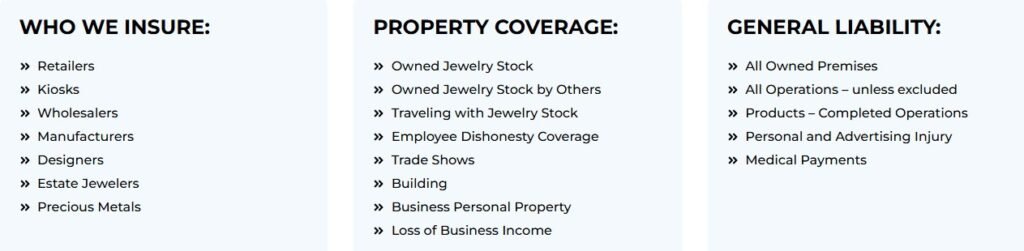
A well-managed ring inventory deserves coverage that reflects the way your business operates. First Class Insurance specializes in Jewelers Block solutions for jewelry stores, wholesalers, and related operations. If you want a quote for Jewelers Block insurance built around your inventory, transit, and showroom risk profile, reach out to First Class Insurance for guidance specific to your needs.