

You’re buying an opal parcel, pricing a one-off ring, or reviewing a renewal for jewelry store insurance, and the same problem keeps showing up. Two stones can look vaguely similar in a tray yet belong in very different value brackets. One belongs in ordinary stock rotation. The other needs tighter handling, stronger documentation, and a very different conversation about coverage.
That’s why the different colors of opal matter far beyond aesthetics. Color in opal is tied to structure, rarity, salability, replacement difficulty, and claim complexity. If you run a retail store, buy estate goods, ship memo stones, or insure inventory under a specialized Jewelers Block insurance program, you need to read opal color as both a gemological fact and a balance-sheet issue.
The Science Behind an Opal's Living Color
An opal’s color isn’t paint, pigment, or surface coating. It comes from structure. Inside precious opal, microscopic silica spheres sit in a regular three-dimensional arrangement. Light enters that structure, bends, separates, and returns to the eye as shifting spectral color.
Australia remains the center of that story, producing approximately 95% of the world’s opals, and the color effect comes from silica spheres usually measuring about 150 to 300 nanometers in a lattice that diffracts light. Smaller spheres in the 150 to 200 nanometer range produce blue and violet, while larger spheres create the scarcer red and orange hues, as described in Opal Galaxy’s explanation of opal color formation.

How diffraction becomes visible color
A practical way to explain it to staff or clients is to picture rows of perfectly stacked microscopic spheres acting like an internal light-sorting system. White light goes in. The spacing between those spheres determines which wavelengths are emphasized.
That’s why one opal may read as mostly blue from across the counter, while another throws orange and red flashes only when tilted under a spotlight. The stone hasn’t changed. Your viewing angle and the stone’s internal order are revealing different parts of the spectrum.
For a jeweler, that matters in three places:
- Buying: broad multicolor play usually deserves more scrutiny than a narrow single-color display.
- Merchandising: showcase lighting can either flatten an opal or make it sell itself.
- Valuation: replacement isn’t based on body size alone. It’s based on the quality and rarity of the color event.
Practical rule: Never judge an opal from one fixed angle under one light source. Rotate it slowly and view it under more than one lighting condition before pricing or accepting it into stock.
Play-of-color versus body tone
Many appraisal mistakes start with mixing up two separate traits.
Play-of-color is the moving spectral flash. It’s the red, green, blue, orange, violet, or mixed fire that appears as the stone moves.
Body tone is the underlying base appearance of the opal material itself. It may look dark, pale, transparent, translucent, or warm-toned. Body tone acts like the backdrop. It changes how strong the play-of-color appears to the eye.
A dark body tone can make even a modest flash look more dramatic. A pale body tone can soften the same color event. That doesn’t mean pale stones are poor. It means the same spectral output can present very differently depending on the base material.
Why blue is common and red is scarce
In day-to-day inventory work, jewelers often notice that blue and green opals appear more frequently than strong red stones. The science supports that observation. Smaller silica spheres form the blue end more readily, while the larger sphere arrangements needed for red and orange are harder to achieve.
That’s the beginning of the value conversation, not the end of it. A weak red flash can still be less desirable than a bright, broad blue-green display with excellent life. But when all else is close, rare warm flashes usually move the stone into a more serious category.
Opal rewards careful observation. Fast grading works for calibrated melee. It doesn’t work for a gem whose value changes as you rotate it a few degrees.
A Jeweler's Guide to Major Opal Types
For inventory control, opal is easier to manage when you stop thinking of it as one product category. It’s better treated as several distinct asset classes. The major types differ in appearance, sales appeal, handling risk, and replacement difficulty.
Start with a visual reference before you sort by price band or insurance schedule.

What shows up most often in trade
Black opal sits at the top of the prestige ladder. The classic source is Lightning Ridge in Australia, and the appeal comes from vivid play-of-color against a dark base. These stones draw attention quickly, which is good for sales and not so good for theft appeal.
White or light opal is a more familiar retail stone. Coober Pedy is closely associated with this look. The body tone is pale, and the color can be broad and beautiful, though usually with less dramatic contrast than black opal.
Boulder opal often carries natural ironstone matrix, usually from Queensland. It can show bright seams and patches of color in a host rock that gives the piece a more rugged, natural presentation. It sells well when clients want something less formal and more distinctive.
Crystal opal has a transparent to translucent body. Andamooka is well known for this category. Because light passes through the material so clearly, the color can appear deep and floating rather than sitting on the surface.
Fire opal belongs in the conversation even when play-of-color is limited. The body color itself, usually orange, red, or yellow, gives it market identity. Retailers often misclassify or underappraise these stones when transit coverage is being set.
Opal type comparison for inventory management
| Opal Type | Defining Characteristic | Primary Source(s) | Relative Value & Risk Profile |
|---|---|---|---|
| Black Opal | Dark body tone with strong contrast for play-of-color | Lightning Ridge, Australia | Highest replacement sensitivity, strong theft appeal, needs detailed itemization |
| White or Light Opal | Pale body tone with softer visual contrast | Coober Pedy, Australia | Easier to merchandise broadly, usually less severe replacement volatility |
| Boulder Opal | Color present in or against ironstone matrix | Queensland, Australia | Harder to standardize, often sold on individuality rather than uniform grading |
| Crystal Opal | Transparent to translucent body with vivid internal color | Andamooka, Australia | Strong visual performance under light, requires careful photography and description |
| Fire Opal | Warm body color, sometimes with limited play-of-color | Mexico and other sources | Commonly undervalued in shipping and stock classification if staff focus only on play-of-color |
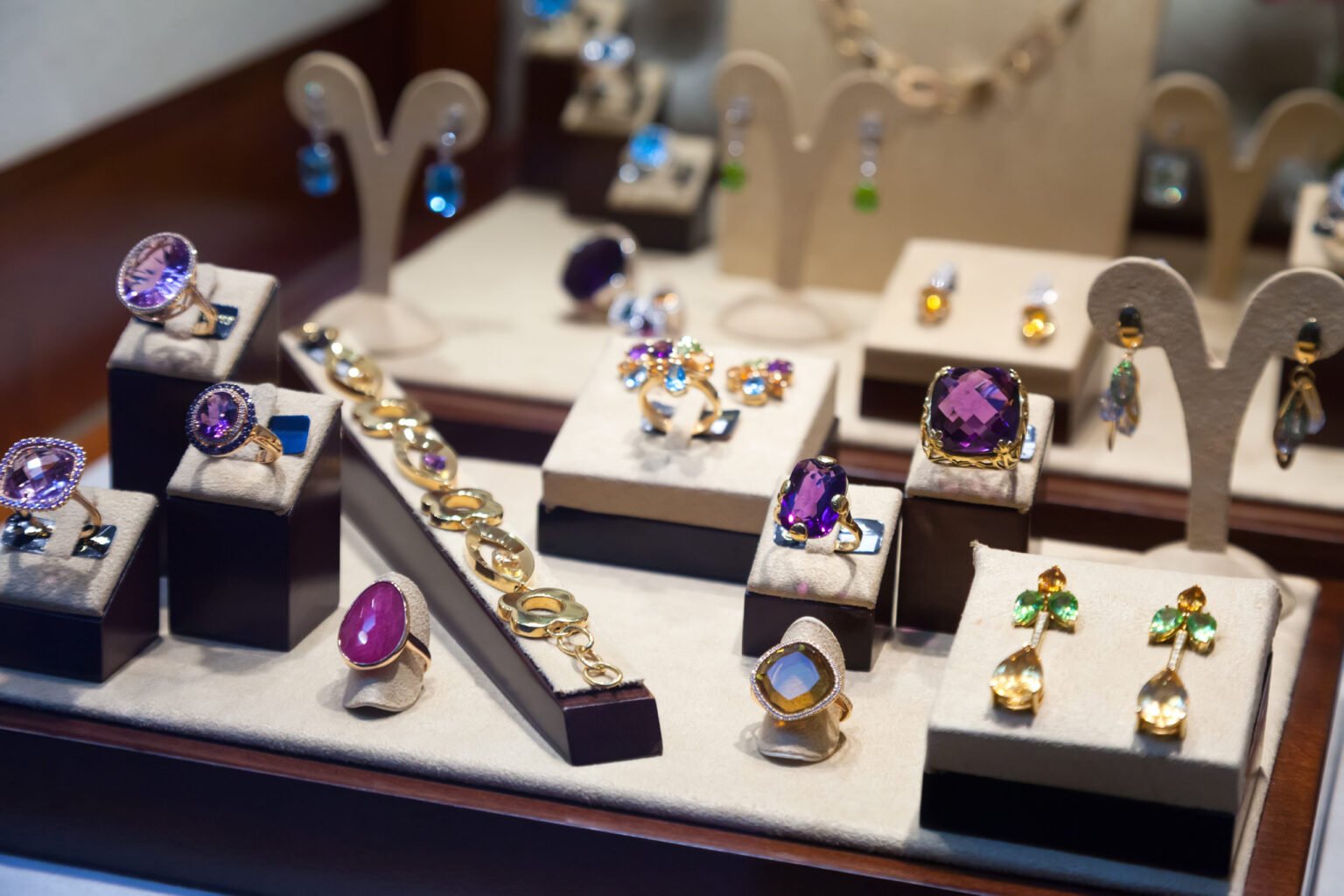
A useful merchandising comparison is the way estate pieces are separated by era and construction, not just by headline value. The same discipline helps with opal categories, much like curating antique jewelry display pieces for valuation and presentation.
What works in a showroom
Group opals by body appearance before grouping by price. Staff sell them better when they can explain why a black opal looks electric, why crystal opal seems to glow from within, and why boulder opal looks more organic than polished and formal.
Later in the sales process, a moving visual explanation helps close that gap between beauty and understanding.
What doesn’t work
Don’t train staff to say “all opals are unique” and leave it there. That line is true but commercially useless. Buyers need distinctions they can act on. Appraisers need categories they can defend. Insurers need descriptions that separate ordinary stock from stones that would be difficult to replace.
When stores treat all opals as one pool, three problems follow. Pricing gets inconsistent, memo tracking gets sloppy, and coverage limits drift away from actual exposure.
Decoding Value with Body Tone and Pattern
Two opals can share the same broad color family and still sit worlds apart in value. The gap usually comes from body tone and pattern. Those two factors tell you how powerfully the stone presents and how rare that presentation may be in the market.
Black opals have a dark gray to black body tone in the N1 to N6 range, and they command the highest market value because that dark background intensifies visible color. Black opals with harlequin or flagstone patterns and full-spectrum reds can grade AAA and fetch 10 to 100 times the price per carat of common white opals, according to this discussion of opal optical properties and grading factors.

Why body tone changes everything
Think of body tone as the canvas behind the color. On a dark canvas, flashes look sharper and stronger. On a pale canvas, they can appear softer even if the underlying color event is respectable.
That’s why jewelers should never appraise by hue names alone. Saying “it has red and green” isn’t enough. You need to ask how those colors appear against the body tone, how broad the flashes are, and whether the display remains alive as the stone moves.
A dark stone with moderate brightness can outperform a lighter stone with nominally similar colors because the eye reads contrast first. In the case, that means stronger client reaction. On paper, it means a higher replacement challenge.
Pattern is the multiplier
Pattern is often where an ordinary stone becomes a premium stone. It describes the arrangement of color, not just the presence of color.
Common trade descriptions include:
- Pinfire for many tiny spots of color
- Rolling flash for broader movement across the face
- Ribbon or flame-like structure when color bands organize visibly
- Harlequin or flagstone for larger, geometric patches that collectors prize
Not every attractive opal needs a famous pattern. Many excellent retail stones sell on brightness and face-up life alone. But when a stone combines dark body tone, broad brightness, and a strong organized pattern, pricing should move accordingly.
The mistake isn’t missing a perfect harlequin every day. The mistake is pricing a rare pattern like it’s just another colorful cabochon.
A bench-level grading habit that helps
When I review opals for valuation, I don’t stop at “dominant color.” I want a short narrative that answers five practical questions:
- What is the body tone? Dark, light, transparent, or something between.
- How broad is the play-of-color? Tight specks, broad patches, directional flash.
- Does red appear, and if so, how often?
- How many viewing angles remain strong?
- Does the pattern help replacement difficulty?
That final question matters more than many jewelers realize. A generic attractive opal can often be replaced with another attractive opal. A black opal with a memorable pattern and strong full-spectrum life may be much harder to match.
What pricing discipline looks like
Good valuation language is specific. Weak language is decorative.
Use wording like:
- Dark body tone with broad multicolor flash visible across face
- Directional red flash strongest at rotation
- Transparent crystal body with floating internal color
- Organized patch pattern superior to common pinfire
Avoid vague terms such as “nice color” or “high quality opal.” Those phrases won’t help your sales team justify the ask, and they won’t help a claims adjuster understand why one stone sat at a premium tier.
Advanced Valuation for High-Value Opal Insurance
Standard appraisals often fail opals for one simple reason. They freeze a moving gem into a static description. That approach may work tolerably for some categories of jewelry. It does not work well for opals with angle-dependent life, especially stones showing scarce red flashes.
Opals with rare red play-of-color require the largest silica spheres, about 300 to 350 nanometers, and can command 2 to 5 times higher prices than blue-only opals. Standard gem valuations often miss those angle-dependent shifts, which can leave jewelry store owners underinsured for theft or transit loss, as noted in Opals Down Under’s discussion of opal color and valuation challenges.
Why ordinary appraisal language falls short
If the appraisal says only “opal cabochon, multicolor,” the insurer learns almost nothing useful. The same phrase could describe a modest retail stone or a replacement problem.
For high-value opals, the report should capture:
- Body appearance rather than a generic color label
- Dominant and secondary flashes
- Whether red appears and under what viewing conditions
- Pattern character, if notable
- Face-up performance from multiple angles
- Any mounting features that affect vulnerability during removal or reset
That level of description does two jobs. It supports a defensible retail value today, and it gives the policy a better chance of responding to a realistic replacement cost later.
What jewelers should document before seeking coverage
If you’re preparing schedules for insurance for a jewelry business, especially stock with one-off opals, document visually and narratively. Photos matter, but still photos alone don’t capture a living stone well.
Use a practical file set:
- Face-up still image: neutral lighting, true body tone.
- Angled still image: catches directional flash.
- Short rotation video: helps prove color movement and pattern distribution.
- Written grading note: not poetry, just disciplined trade language.
- Invoice trail or acquisition note: especially important for unusual parcels or estate purchases.
A clean appraisal isn’t the one with the most adjectives. It’s the one that lets another professional understand why this opal can’t be replaced by any similar-looking cabochon in the next tray.
Why coverage limits drift too low
This happens most often with unusual black opals, crystal opals with vivid internal life, and stones whose best color appears only through movement. The store prices the piece correctly at retail, but the policy schedule still reflects a simplified acquisition number or an outdated appraisal line.
That gap becomes expensive after a loss. Theft is obvious. Transit loss is just as dangerous because memo traffic, trade shipping, and off-site shows expose opals when they’re hardest to supervise and easiest to misdescribe afterward.
If you’re reviewing insurance for a jewelry store, don’t ask only whether opals are covered. Ask whether the valuation method on scheduled or blanket inventory can absorb stones whose replacement depends on rare color structure rather than generic category labeling. And if you need to Get a Quote for Jewelers Block, go in with opal-specific descriptions ready. It saves time and reduces the odds that an exceptional stone gets treated like ordinary stock.
Practical Identification and Care to Protect Your Assets
Misidentification and avoidable damage create some of the most frustrating losses in opal work. They’re frustrating because many of them are preventable at the bench, in receiving, and on the showroom floor.
A quick inspection habit is worth more than a dramatic repair after the fact.

How to check what you’re actually handling
Natural opal, synthetic opal, doublets, and triplets can look convincing in casual retail lighting. Slow the process down.
Use a loupe and check for these signs:
- Layer lines: Doublets and triplets often reveal junctions when viewed from the side.
- Backing material: A dark artificial backing can imitate the look of a naturally dark body tone.
- Too-regular patterning: Some manufactured material shows an overly consistent mosaic effect.
- Surface dome versus internal life: In assembled stones, the color may appear separated from the visible top layer.
If a stone is mounted, inspection gets harder. That’s when intake procedures matter most. Write down what you can prove, not what you assume.
Bench and showroom handling that reduces damage
Opals don’t respond well to careless heat, impact, or rushed setting work. Even before a stone cracks, it can lose value through abrasion, chipped edges, or a diminished face-up look caused by poor mounting decisions.
Use straightforward handling rules:
- Avoid aggressive heat exposure: Remove opals before procedures that create prolonged thermal stress.
- Choose protective settings: Bezels and well-designed halos often protect better than exposed prongs on high-wear pieces.
- Store separately: Don’t let opals rattle in mixed gem trays.
- Train sales staff on wipe-downs: Harsh chemicals and careless cleaning routines do real damage over time.
- Inspect after travel: Stones sent out for shows, memo, or repair should be rechecked on return.
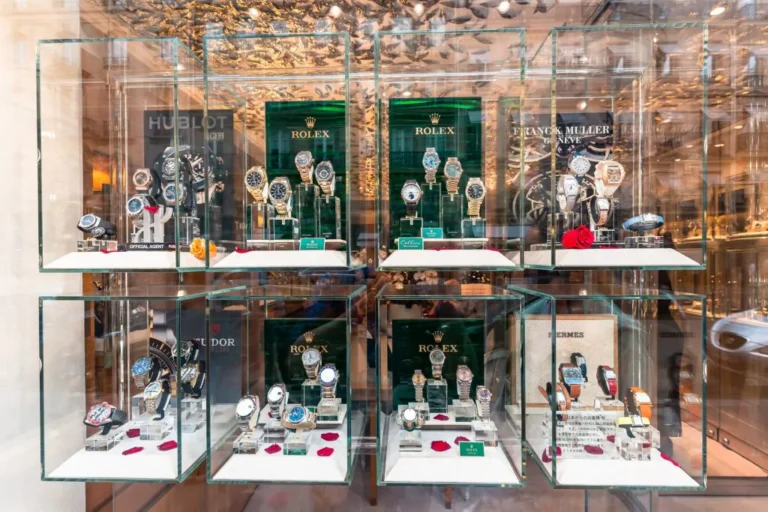
A useful visual reminder for staff is the same caution you’d apply to fine watch handling and display, especially with pieces that combine fragility and value, such as high-value watches in controlled retail presentation.
Don’t let a sales associate clean an opal the way they’d clean a diamond ring. Different gemstones need different counter habits.
Intake checklist that actually helps
Create a simple receiving form for opal items. It should record body appearance, visible pattern style, mounting condition, and any chips, crazing, or suspicious assembly features seen at intake.
That checklist won’t make anyone a gemologist overnight. What it does is create consistency. Consistency improves buying, reduces disputes after repair, and gives your insurance file better support if damage or disappearance becomes an issue.
Securing Your Inventory with Specialized Jewelers Block Insurance
A generic business policy usually treats jewelry like ordinary stock. Opals are one of the clearest examples of why that falls short. Their value isn’t just tied to materials and labor. It’s tied to rarity, movement, pattern, and how hard a comparable stone would be to source after a loss.
For retail risk profiling, black opals represent less than 5% of production and are disproportionately targeted in thefts. Fire opals from Mexico make up 40% of import volume and are often undervalued for transit coverage, creating insurance gaps for wholesalers and retailers, according to this opal color guide focused on market distinctions.
Why specialized coverage matters
A proper Jewelers Block insurance approach is built around the way jewelry businesses operate. That means looking beyond a burglary headline and addressing the quieter exposures too.
For opal-heavy inventory, the main pressure points usually include:
- Theft of high-visibility stones, especially dark-bodied opals with strong display appeal
- Transit loss, where the description on the shipping record may be weaker than the stone’s true replacement reality
- Mysterious disappearance, particularly for loose stones moving between counter, office, bench, and memo
- Damage while in care, custody, or control, including receiving, setting, or post-repair handling
These aren’t abstract categories. They connect directly to the type of opal you carry. A dramatic black opal ring and a parcel of fire opals don’t create the same exposure profile.
Matching opal categories to policy thinking
If your inventory leans toward premium black opals, your coverage review should focus on concentration risk. A small number of stones may represent a large share of value. Scheduling, documentation, and handling controls matter more there than they do with broader low-ticket stock.
If you handle fire opals regularly, the issue is often underclassification. Staff may think “less play-of-color means less insurance concern,” but transit claims don’t care whether the gem’s appeal came from body color or spectral flash. A shipment can still be materially underinsured if the item was described too casually.
If you buy unusual one-off pieces, replacement language matters. A claim gets harder when the original file says “opal pendant” and nothing else.
What works better than a generic annual review
Don’t review coverage only by total inventory number. Review by category of exposure.
A stronger practice looks like this:
- Separate high-value opals from ordinary stock in your internal records.
- Maintain item narratives for stones whose replacement difficulty exceeds their weight-based description.
- Review transit values for memo, shows, and vendor returns.
- Update after major acquisitions, not just at renewal.
- Photograph standout stones consistently, including movement whenever possible.
One image that often captures the kind of high-contrast presentation that drives both desirability and exposure is a dramatic black-background jewelry presentation style.

The right policy doesn’t replace inventory knowledge. It depends on it. The better you classify opals internally, the better your coverage can respond when something goes wrong.
The practical takeaway is simple. If you carry opals, especially stones with unusual body tone, rare red flash, or hard-to-match patterning, treat them as specialized assets. That’s true whether you’re a retailer, wholesaler, designer, bench jeweler, or collector managing insurance for a jewelry store or broader insurance for jewelry business risks.
If your store, wholesale operation, or private collection includes opals that would be difficult to replace after theft, damage, or transit loss, it’s worth getting a specialist’s view of your coverage. First Class Insurance focuses on Jewelers Block and high-value asset protection, helping jewelers and collectors match policy structure to the exact risk profile of their inventory.