
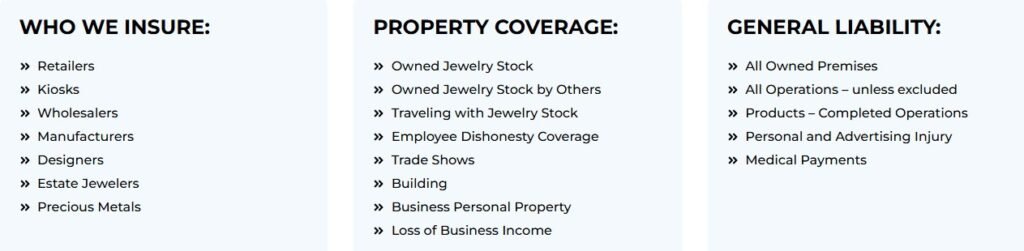
A tray of mixed jewelry comes in before lunch. There’s a heavy chain with a decent clasp, a pair of blackened earrings stamped .925, and one ornate necklace that looks promising enough to tie up your counter for twenty minutes if you let it. The customer wants a trade-in number now. Your buyer wants to know whether it belongs in sterling inventory or the scrap bin. Your insurer would care very much which answer you write down.
That’s why knowing how to tell if jewelry is real silver isn’t a hobby skill for a professional shop. It’s part purchasing discipline, part fraud control, part documentation. A wrong call affects margin, pricing, repair decisions, customer trust, and claim support if the item is later lost, stolen, or disputed.
A silver test should answer two questions. First, what is this piece made of? Second, how confident am I in that conclusion, and is that confidence strong enough for the business decision in front of me? Those aren’t always the same thing.
Beyond the Loupe An Introduction for Jewelers
A silver mistake rarely starts at the acid stone. It starts earlier, when a piece looks right, feels right, and gets trusted too quickly.
Sterling silver has a clear benchmark. It is 92.5% pure silver, usually alloyed with 7.5% other metals such as copper for wearability. It is identified by marks such as 925, .925, or Sterling. For a working shop, that standard is not trivia. It sets the line between sterling inventory, plated goods, mixed-metal repair work, and scrap.
The business risk sits in the gap between appearance and proof. A wrong call can distort a buy price, send the wrong job to the bench, overstate inventory value, or leave a weak file behind if a customer disputes authenticity later. Insurers care about that gap too. Jewelers Block coverage responds far better to documented verification than to assumptions written from a counter conversation.
I treat silver testing as a control process, not a parlor trick. The question is never just whether a piece might be silver. The key question is whether the level of verification matches the decision attached to it. A low-value estate charm headed for scrap does not need the same workup as a signed cuff bracelet being added to case inventory or scheduled on a personal article policy.
That distinction matters every day.
A careful intake on vintage and estate pieces, especially the kind shown in this antique jewelry example, protects margin and protects the file. If the piece is later lost, stolen, returned, or challenged, your notes need to show what was observed, what was tested, and how confident the shop was when it assigned value.
The shops that control silver losses best usually do three things well. They screen fast, confirm methodically, and document the result in plain language a buyer, bench jeweler, appraiser, or adjuster can all follow.
Practical rule: Silver authentication is a sequence of decisions. Match the test method to the dollar exposure, the customer promise, and the level of documentation the item will need later.
Initial Inspection Quick and Non-Destructive Checks
A tray hits the intake bench at 4:45 p.m. Three chains are marked 925, one cuff has no mark at all, and a customer wants a value before close. At this stage, shops either protect margin or create a file that gets expensive later.
The first pass at intake is a screening step tied directly to risk. The goal is to decide which pieces can move forward as likely sterling, which need confirmation before pricing or repair intake, and which should be treated as plated or base metal until proven otherwise.
Start with the hallmark, but read the whole piece

Check expected locations first: inside rings, backs of pendants, earring posts, jump-ring tags, and clasp areas. Marks such as 925, .925, Sterling, and some international fineness marks are useful intake clues. They help with triage, inventory coding, and initial customer communication.
They do not settle the question.
A clean stamp on a poorly made piece should lower confidence, not raise it. I look at stamp quality, spacing, wear pattern around the mark, solder seams, and whether the construction fits sterling work. Counterfeit marks are common on imported goods, tourist pieces, and mixed-metal estate jewelry. A convincing mark paired with thin plating wear, rough casting, or a suspiciously light feel belongs in the "needs confirmation" bucket immediately.
That matters most on secondhand goods and consignments. Shops handling vintage silver, estate buys, or antique jewelry intake photos like this example see plenty of pieces whose age and patina look right until the rest of the evidence does not.
Use a magnet as a rejection screen
Silver is not magnetic. A strong pull on the main body usually points to steel, iron, or plated base metal.
Use that result carefully. Clasps, springs, pins, and some findings can create a small localized reaction even on legitimate jewelry. What matters is where the attraction occurs and how strong it is. If the body of a bracelet or pendant jumps to the magnet, I stop treating it as sterling for valuation purposes.
No magnetic response is helpful, but it is only a screen. Brass, copper, nickel silver, and several non-ferrous alloys can still pass this check.
Read weight, finish, and construction like a bench jeweler
Solid silver has a recognizable feel in hand. Chains have a certain drape. Hollow pieces still balance differently from cheap cast costume goods. A large pendant that feels too light, a cuff with sharp interior edges, or a ring with color change at wear points deserves closer work before it enters stock or goes on a repair ticket as silver.
Surface condition also tells a story. Real silver tarnishes in a way that usually looks consistent across exposed areas and recesses. Plated pieces often show edge wear, yellowish bleed-through, or a different color at high-contact spots. Cast details can help too. Fine silver and sterling pieces generally finish cleaner than low-grade plated imports because the maker expects the metal to support the value claim.
Sound can contribute, but I treat it as a secondary cue. A light tap may reveal a clearer tone in a heavier silver ring or bangle than in a cheap base-metal piece. It can support a judgment. It should not drive one.
If the mark says sterling and the weight, finish, and construction disagree, write the intake note around the physical evidence and hold value until confirmation.
Sort the piece before you spend more time on it
A useful first-pass system has three outcomes:
Likely sterling
Plausible mark, no concerning magnetic response, appropriate weight, and wear consistent with silver.Needs confirmation
Mark present but inconsistent with build quality, no mark on a piece with enough value to matter, or mixed signals across the quick checks.Treat as plated or base metal for now
Strong magnetic pull on the body, obvious wear-through, suspect finish, or construction that does not support a sterling claim.
That sorting decision affects more than test order. It affects buy prices, memo exposure, repair disclaimers, customer promises, and how defensible your file will look if a claim or dispute lands months later. On a low-value scrap lot, quick screening may be enough. On salable inventory or customer-owned pieces, these non-destructive checks are the opening control point in a larger authentication record.
Hands-On Analysis Simple Confirmatory Methods
Once a piece passes the first screen, I like to confirm with low-risk physical checks before moving to acid. These tests won’t settle every question, but they’re useful because they preserve saleable condition and often expose plated goods quickly.
The polishing cloth test

Take a soft white polishing cloth and work an inconspicuous area. Real silver commonly leaves dark residue on the cloth because it tarnishes and the polishing action lifts oxidation. That black transfer is often a good sign.
Interpret it carefully. A clean, recently polished piece may not leave much residue. A plated item may also look convincing at first, especially if the surface is fresh. What I’m watching for is the overall behavior. If the cloth reveals flaking, color inconsistency, or a warmer-toned metal underneath, I stop treating the piece as solid silver.
For stores that also take in bridal and higher-finish pieces, this same restraint applies to any fine jewelry handling workflow. Confirm first with the least invasive method that can answer the question.

The ice test
Silver conducts heat extremely well. Place an ice cube on the piece and compare its melt behavior to a non-silver object nearby. On silver, the ice should begin melting noticeably faster.
This test is simple and surprisingly informative, especially on larger pieces with enough metal mass to show the effect clearly. It’s most useful on heavier chains, cuff bracelets, serving pieces adapted into jewelry, and substantial pendants. On tiny findings or lightweight earrings, the result is less persuasive.
The ice test won’t give you a purity number. It tells you whether the metal behaves like silver should.
Here’s the professional acid demonstration that many jewelers use as a benchmark before moving to bench testing:
When these simple checks are enough
If the piece has a believable hallmark, no magnetic pull on the main body, proper tarnish behavior, and strong thermal response, you may have enough confidence for a lower-stakes intake decision. That might be enough to separate a likely sterling lot from obvious non-sterling pieces before deeper bench review.
If there’s still doubt, don’t force certainty out of soft evidence. That’s where the acid test earns its place.
The Professional's Toolkit Advanced Chemical Testing
A returned bracelet with a 925 stamp can turn into a margin problem fast. If the piece is plated, the refund hits inventory value, the customer questions your buying standards, and your file for Jewelers Block coverage gets weaker if your testing notes are thin. That is why acid testing belongs in a controlled shop procedure, not as a casual bench trick.
The nitric acid test remains the most practical chemical method for day-to-day trade use when you need more certainty than visual or thermal checks can give and you can accept a very small test mark. It gives a stronger answer at low cost, but only if the operator controls surface prep, test location, and documentation.
Use the right setup

Set up before the bottle opens. Use gloves, eye protection, ventilation, a testing stone, and a baking soda solution for immediate neutralization. Pick an inconspicuous spot such as the inner shank, the underside of a clasp, or the back of a component where a controlled mark will not affect saleability.
Surface condition matters. Tarnish, polishing compound, hand oils, and lacquer residues can distort the reaction enough to produce the wrong call. Clean the area first, then decide whether to test directly on the item or by rubbing on a stone if preserving the surface matters more than speed. On estate pieces, handmade work, or signed silver, that trade-off should be deliberate and noted in the job record.
Read the reaction with discipline
Follow the same sequence every time:
- Clean the test area so you are reading metal, not residue.
- Make a small mark on the stone or apply a minimal drop in the chosen hidden area.
- Observe the color change for several seconds without adding more acid.
- Neutralize and rinse immediately.
- Record what you saw, where you tested, and who performed the test.
Sterling typically gives the expected creamy or milky reaction under the appropriate testing acid. Base-metal cores and copper-heavy alloys often shift toward green or other off-pattern colors. Fine silver reacts differently again. The value is not in memorizing one color chart. The value is in consistent interpretation by trained staff using the same kit and the same written procedure.
That consistency protects more than bench accuracy. It affects intake decisions, buy prices, and whether a disputed item looks like an honest mistake or a preventable controls failure.
Silver Authentication Methods Compared
| Method | Accuracy | Cost | Destructive? | Best For |
|---|---|---|---|---|
| Hallmark inspection | Limited on its own | Low | No | Fast intake screening |
| Magnet and visual screening | Qualitative only | Low | No | Excluding obvious base-metal pieces |
| Polishing and ice checks | Qualitative only | Low | No | Building confidence before bench testing |
| Acid test | High when procedure is consistent | Low to moderate | Slightly | Bench confirmation on uncertain pieces |
| XRF spectrometry | High for many pieces. Surface plating can still mislead readings. | High | No | High-value and no-mark verification |
| Wet chemical assay | Very high | Higher | Yes, sampled | Final purity confirmation |
What not to do
Do not substitute household chemicals for a proper silver testing acid. Bleach, ammonia blends, and random cleaners can stain the piece, damage finishes, and leave you with no defensible conclusion.
Do not flood the surface. One controlled drop is enough.
Do not test a high-value piece in a visible area just because it is convenient. On gemstone-set silver, vermeil, hollow construction, or designer work, a bad test location can cost more than the answer is worth. In those cases, use the stone first or hold for instrument testing if the financial exposure is higher than the cost of escalation.
A good acid test is small, deliberate, and documented. In practice, that means noting the date, operator, test location, reagent used, observed reaction, and final disposition in the inventory file. If a customer questions authenticity later, or a carrier reviews a claim involving misidentified metal content, those notes help support valuation and show that the shop used a repeatable authentication process rather than relying on a stamp and a guess.
When to Escalate to Laboratory-Level Verification
A bench result is not always enough. The pieces that deserve escalation usually show up at the worst moments: a large estate intake with mixed marks, a customer asking for a written value opinion on heirloom silver, or a no-mark designer piece where one wrong call affects margin, credibility, and claim support at the same time.

XRF for high-exposure decisions
X-ray fluorescence, usually called XRF, is the right next step when the financial exposure is higher than the cost of instrument testing. It gives a fast, non-destructive read on surface metal content, which makes it useful for estate jewelry, gemstone-set silver, vermeil, and pieces where even a small test mark would reduce saleability or trigger a customer complaint.
Used properly, XRF helps with more than identification. It supports intake decisions, pricing discipline, and insurance files. A clean read can justify how a piece was classified in stock. A questionable read can keep a doubtful item out of a sterling tray before it creates a valuation error that follows the piece into a sale, a return, or a theft claim. Shops that handle high-value jewelry and watch inventory exposures already know this logic. Preserve the item first, then get the best answer the risk level justifies.
XRF still has limits. It reads what the beam reaches, so heavy plating, filled construction, and mixed-metal assemblies can still produce a misleading result. In practice, that means XRF is strong screening and strong support, but not the final word in every disputed purity call.
Cases that merit outside verification
Laboratory-level verification makes business sense when the piece carries enough value, dispute potential, or documentation pressure that an in-house conclusion leaves too much room for loss.
I send pieces out in situations like these:
- High-value acquisitions: Estate parcels, scrap lots with wearable pieces mixed in, or inventory purchases where one bad purity assumption distorts the whole buy.
- Insurance-backed valuations: Items being scheduled, appraised, or reviewed after a loss where metal content affects stated value.
- Potential disputes: Consignment, probate, divorce settlement, and customer-supplied pieces likely to be challenged later.
- Mixed construction: No-mark jewelry, altered pieces, imported work, or items showing signs of plating over a different base metal.
Those are risk decisions, not just lab decisions.
Assay and defensible conclusions
When XRF leaves open questions, formal assay or qualified laboratory work is the cleaner path. It costs more. It takes longer. It may require sampling, depending on the method. But for pieces where exact purity affects payout, resale classification, or legal documentation, that trade-off is usually justified.
A lab report does two jobs. It clarifies metal content, and it creates a record that stands up better if a customer contests authenticity or an insurer reviews how the item was valued. For a jeweler, that is a key reason to escalate. Better evidence protects inventory value, customer trust, and the file behind the claim.
Documentation Best Practices for Insurance and Inventory
Authentication has no back-office value unless you record it in a way someone else can understand later. Six months from now, the person reviewing a theft loss, discrepancy, or ownership dispute may not be the person who tested the piece.
What every silver record should include
A solid record for a meaningful silver item should note:
- Item description: Type, dimensions, identifying features, stones, maker marks, and photos.
- Claimed metal information: Any stamp present, including exact wording and location.
- Tests performed: Hallmark inspection plus at least one physical or bench test.
- Observed results: Magnetic response, cloth residue, plating wear, acid color reaction, or XRF readout.
- Disposition: Accepted as sterling, held pending further verification, or classified otherwise.
This is the most cost-effective fraud control approach supported by the verified material. Fraudulent hallmarks are an under-reported problem, and relying on stamps alone is insufficient. Pairing hallmark checks with at least one physical test and documenting the result is the best practical strategy for jewelers and insurance professionals, as discussed in this guidance on verifying silver beyond the hallmark.
Why paperwork changes the claim outcome
Good records help with pricing consistency, internal accountability, and stock reconciliation. They also support claims involving theft, substitution, and mysterious disappearance because they show what the item was, how it was verified, and why it was valued the way it was.
That discipline matters whether the silver item is a chain, an estate bracelet, or part of a broader category like watches and jewelry inventory. The cleaner the file, the less room there is for disagreement later.
The testing bench protects your margin. The record protects your position.
Frequently Asked Questions
Can jewelry be real silver if it has no 925 stamp
Yes. Some older, handmade, altered, or regionally produced pieces may lack a clear hallmark. In those cases, rely on construction, non-destructive checks, and then bench or lab verification if the item justifies it.
If a piece isn’t magnetic, is that enough
No. Non-magnetic behavior only tells you the piece isn’t obviously ferrous. Plenty of non-silver metals can also pass that screen. It’s useful, but it’s only one filter.
Does black residue on a cloth prove sterling
Not by itself. It supports the case because silver tarnishes, but some finishes and surface contamination can confuse the result. Treat it as a confirmatory sign, not a final verdict.
Should every uncertain piece get an acid test
No. Use acid when the business decision requires stronger proof and the item can tolerate a discreet test point. If the piece is highly valuable, gemstone-heavy, or sensitive from a resale standpoint, escalate to XRF or formal lab work.
What’s the biggest professional mistake in silver buying
Trusting the stamp because the rest of the piece looks convincing. That mistake shows up in trade-ins, estate buying, and online sourcing more than almost anywhere else.
How do I explain this to a customer without sounding evasive
Keep it simple. Tell them a silver stamp is helpful, but professional identification uses more than one indicator because plated and counterfeit pieces can carry misleading marks. Most customers understand that quickly when you frame it as protecting accuracy for everyone.
If your store handles sterling, estate buys, repairs, or mixed precious-metal inventory, your insurance should match the way you operate. First Class Insurance specializes in Jewelers Block coverage for jewelry businesses that need protection for stock, tools, showcases, transit exposures, and the documentation realities that come with high-value merchandise. If you want a policy built around how your shop buys, stores, and verifies jewelry, they’re a strong place to start.