
A new jewellery store owner usually starts in one of two places. Either the product is strong and nobody sees it, or the marketing starts moving and the owner realizes every new campaign creates fresh risk. More inventory leaves the safe. More pieces get shipped for photography, collaborations, and client approvals. More events mean more hands, more movement, and more chances for something expensive to disappear.
That tension sits at the center of the marketing of jewellery. You need visibility, trust, and repeat demand. But you also need enough control over stock, logistics, and exposure to market boldly without feeling reckless.
The opportunity is real. The global jewelry market, valued at $353.26 billion in 2023, is projected to reach $578.45 billion by 2033 according to Brenton Way's jewelry marketing trends summary. Growth like that attracts new competitors fast. Stores that win won't just have better diamonds, better goldsmithing, or better taste. They'll have a better operating model for demand generation.
A good jewelry marketing system doesn't begin with ads. It begins with positioning, visual discipline, channel selection, customer retention, and risk controls that let you stay aggressive. If you're building from scratch, a useful parallel is how strong brands structure retention from the beginning through resources like loyalty programs for jewelry brands. The smartest operators don't treat loyalty, acquisition, and protection as separate tasks. They build them together.
Introduction The Modern Jeweler's Dilemma
Jewellery is emotional, high-consideration, and hard to market casually. A customer can scroll past a ring in half a second online, then spend weeks deciding whether to buy it. In-store, the same customer may want reassurance about craftsmanship, sourcing, resizing, financing, and aftercare before making any decision.
That means your marketing has to do more than attract attention. It has to reduce uncertainty.
For a new store owner, the biggest mistake is trying to copy whatever looks polished on Instagram. A pretty feed isn't a marketing strategy. If the messaging is vague, the product mix is inconsistent, and the store has no system for follow-up, the traffic won't convert into stable revenue.
Practical rule: If a customer can't tell within minutes why your store is different, your marketing is still unfinished.
The tension gets sharper in jewellery because every campaign touches valuable assets. A bridal showcase needs inventory. A content shoot needs product handling. A local collaboration may require pieces to travel. Marketing works best when the business can support that movement without creating unacceptable exposure.
Three questions usually sort out the direction fast:
- Who are you for: Bridal buyers, self-purchasers, gift buyers, collectors, repair clients, or estate customers.
- Why should they trust you: Design point of view, sourcing standards, gem knowledge, restoration expertise, local reputation, or custom capability.
- What are you willing to operationalize: Fast shipping, appointments, trunk shows, custom design consults, community events, or influencer seeding.
Owners who answer those questions clearly spend less on wasted promotion. They also build campaigns the business can fulfill.
Crafting Your Irresistible Brand and Visuals
Brand comes before channel. If you don't define the promise first, every photo, caption, email, and ad starts pulling in a different direction.
A jewellery brand doesn't need a dramatic origin story. It needs a specific point of view. Maybe you focus on antique pieces with restoration expertise. Maybe you specialize in custom bridal with a modern design aesthetic. Maybe your edge is traceable sourcing and transparent education around materials.

Brand story that can survive scrutiny
Customers are open to premium pricing when the story is credible and well supported. That matters even more around sustainability. While sustainability marketing is key, with 71% of buyers paying more for certified practices, brands must ensure their claims are authentic and their supply chains are secure against loss according to research discussed through the University of Rhode Island publication.
That creates a practical rule for store owners. Don't market sustainability as decoration. Market it as evidence.
Use assets like:
- Certification details: Show what documentation exists and what it covers.
- Traceability language: Explain what you can verify and what you can't.
- Supplier standards: Name the sourcing criteria you require internally.
- Visual proof: Include workshop images, process footage, and packaging choices that match the claim.
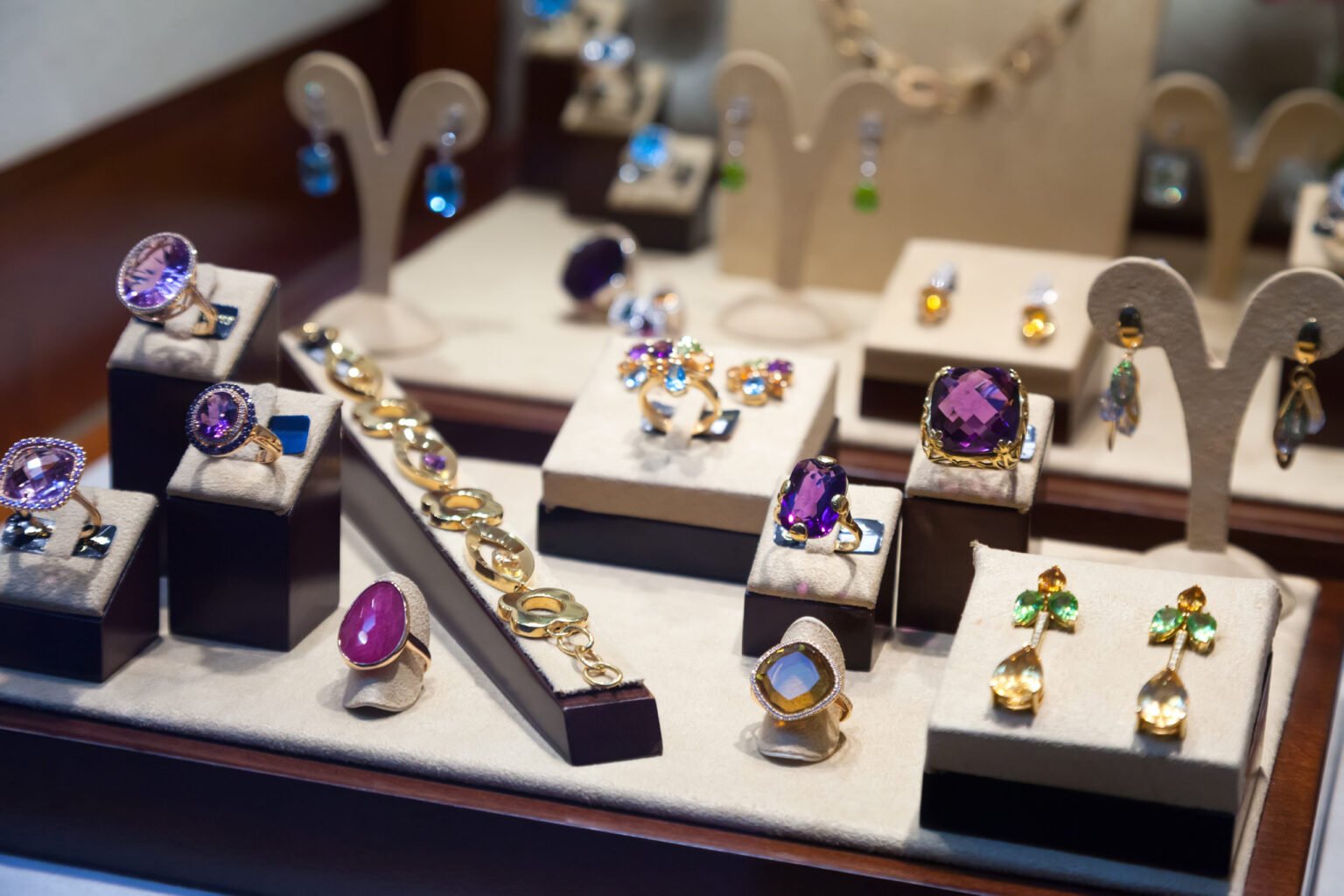
If you sell antique or vintage jewellery, your equivalent isn't sustainability language. It's provenance, restoration standards, and care expertise. If you're in that category, visual references like antique jewelry merchandising inspiration help show how presentation should reinforce the identity of the collection.
Mini guide for SEO
SEO for jewellery works when it captures intent, not vanity traffic. The strongest pages usually sit in one of three buckets: product pages, local service pages, and educational buying guides.
Build pages around searches that reflect buying or appointment intent. Good examples include custom engagement rings, jewellery repair, ring resizing, anniversary gifts, and local showroom visits. Then support those pages with useful articles that answer real customer questions.
One actionable move: create one page per high-value service and one article per recurring sales conversation. If customers repeatedly ask about lab-grown versus natural diamonds, metal durability, or vintage ring care, publish that answer on your site in plain language.
Mini guide for social media
Social media should make your store feel tangible. Most jewellery brands fail here because they only publish polished product shots. Customers also want scale, movement, styling context, and a sense of the people behind the counter.
Mix your content deliberately:
- Hero visuals: Clean product images for website consistency and ad reuse.
- Hand shots and try-ons: Show proportion, sparkle, and wearability.
- Behind-the-scenes clips: Bench work, stone setting, cleaning, packaging, and sourcing conversations.
- Client moments: Proposals, gifts, redesign reveals, and anniversary stories, with permission.
A short visual reference can help sharpen your own content direction:
Mini guide for email
Email should reflect the same visual identity as your showroom. If your store looks refined in person but your emails feel generic, trust drops.
Keep the design simple. Use strong product photography, short copy, and one clear action per email. New arrivals, bridal appointments, redesign consultations, care reminders, and seasonal gifting all work when the message feels curated rather than pushed.
Your best-performing visual system is usually the one that repeats the same taste level everywhere. Website, email, social, packaging, and in-store display should feel like the same brand speaking.
Mastering Your Digital Marketing Channels
A customer sees your ring in an Instagram Reel on Tuesday, searches your store name on Wednesday, visits the site twice, then walks in on Saturday to ask whether the center stone is still available. That is how jewellery buying often works. Digital marketing has to support a buying cycle with pauses, repeat visits, and trust checks, especially once prices move beyond impulse territory.
It also has to protect what creates demand in the first place. If you plan to push harder on traffic, creator seeding, appointment bookings, and event promotion, tighten your operating controls at the same time. More visibility can mean more inquiries, more viewings, more stock movement, and more exposure. Aggressive marketing works best when the business is set up to handle that exposure safely.

Build channels around buying behavior
New store owners often spread effort too evenly. That usually leads to a busy calendar and weak results. Start by assigning each channel a job tied to how jewellery is purchased.
| Channel | Best use in jewellery |
|---|---|
| SEO and content | Capture intent from people comparing styles, stones, repairs, redesigns, and local stores |
| Social media | Show how pieces look in motion and keep your brand visible between visits |
| Follow up after browsing, appointments, events, and saved products | |
| Paid ads | Bring back warm prospects and support launches, RSVP campaigns, and high-margin categories |
That structure keeps spend under control. It also makes reporting more honest. If social creates interest, email closes appointments, and retargeting brings back cart abandoners, judge each channel by its job instead of asking every channel to produce last-click sales.
Search and local intent deserve more attention
Search traffic is high quality because the shopper is already raising a hand. A person searching for “custom engagement ring near me” or “estate jewellery buyer in [city]” is much closer to revenue than someone casually scrolling.
For local jewellers, the practical work is straightforward. Keep product and service pages specific. Write category copy that answers real buying questions. Update your Google Business Profile, collect review volume steadily, and publish pages for profitable services such as custom design, repairs, appraisals, bridal appointments, and redesign consultations.
Local search also supports security. Appointment-led traffic is easier to prepare for than random footfall from broad awareness campaigns. You know what the client wants to see, which items are being pulled, and how to control access to higher-value inventory.
Influencer work that protects margin
Creator partnerships can produce strong results in jewellery, but only if the economics and the handling process are disciplined. Sending expensive pieces to people with a pretty feed and weak buyer alignment is one of the fastest ways to burn margin.
Use a tighter workflow:
- Check audience fit before aesthetics. Look for local relevance, income signals, occasion-based content, and genuine comments.
- Choose the inventory carefully. Start with pieces you can afford to place in content without putting a meaningful amount of value at risk.
- Set handling rules in writing. Define delivery, return timing, care expectations, usage rights, and who is responsible while the item is in transit or on set.
- Ask for conversion assets. Try-on footage, story frames, testimonial clips, event appearances, and whitelisted ad usage are more useful than one polished post.
- Measure qualified actions. Track appointment requests, saved products, email signups, and direct messages, not vanity reach alone.
For owners who need a broader framework for platform planning, 2026 social media marketing for brands is a useful reference point for how channel behavior keeps shifting.
The trade-off is simple. The more valuable the product, the tighter your process needs to be. If a creator program increases exposure but weakens control over inventory movement, fix the process before you scale the campaign.
Email closes the sale quietly
Email rarely looks glamorous, but it does a large share of the closing work for considered purchases. A shopper who viewed a tennis bracelet, asked about financing, or attended a bridal event often needs follow-up over several days or weeks before buying.
The highest-value flows for a jewellery store are usually practical:
- Welcome sequence: Brand story, service promise, and best-selling categories
- Browse and cart follow-up: Product reminders, availability, financing, and appointment prompts
- Post-purchase emails: Care instructions, cleaning reminders, matching pieces, and future gift occasions
- Event follow-up: Featured pieces, recap photos, limited booking slots, and personal outreach
Keep the copy short and useful. High-value retail emails perform better when they reduce hesitation. Answer common objections, explain next steps, and make it easy to book time with someone knowledgeable.
Paid media should follow proof
Paid ads work best after you know which products, audiences, and messages already get traction. Running cold traffic to a thin product page or an unprepared store team is expensive. I usually tell owners to earn the right to scale ads by proving three things first: the product gets engagement, the landing page answers buying questions, and the store can handle the response without exposing too much inventory too quickly.
Retargeting is usually the first paid layer worth building. Promote event RSVPs, re-engage product viewers, and put budget behind creator content that already produced saves, replies, or appointment requests. That is a safer use of spend than trying to force demand from scratch.
Strong digital marketing in jewellery is not a pile of tactics. It is a controlled sales system. It creates demand, captures intent, follows up consistently, and does it without losing sight of the stock, people, and procedures that keep a growing store protected.
Expanding Beyond the Screen with Events and Partnerships
A customer sees your ring on Instagram, saves it, and still waits weeks to act. Then she tries it on at a bridal preview, sees the stone under real light, asks about resizing, and books on the spot. Jewellery sells faster when people can experience it in person.
Events give you a controlled way to create that moment. A trunk show, bridal night, private client preview, or pop-up inside a complementary business can compress a long decision cycle into one well-managed appointment. The right setup answers fit, finish, styling, and budget questions in real time, which is hard to do through a product page alone.

Why partnerships outperform isolated events
The strongest partners already have the trust of your buyer. Bridal boutiques, planners, photographers, stylists, florists, country clubs, and luxury apparel stores can all work if the customer profile lines up and the host treats the event as a revenue opportunity, not background entertainment.
A useful partnership does three things. It puts your pieces in front of qualified local demand. It lowers the trust barrier because the introduction comes from a known business. It also creates content you can keep using after the event, including try-on videos, client testimonials, and styled photography.
Small details affect turnout and follow-up. Interactive touches can keep guests in the room longer and give them a reason to share the experience. For stores considering experiential add-ons, these event photo booth benefits show how guest participation can create social content without turning the event into a gimmick.
Choose partners with discipline. A full room means little if the audience is wrong, the host team cannot introduce pieces confidently, or the event requires you to move too much high-value inventory for too little likely return.
Build the event around sales controls
New owners often treat events as brand exposure. That is too loose for high-value retail. Events need a sales plan, an inventory plan, and a security plan before the first invitation goes out.
Start with a narrow objective. Push bridal appointments, move a specific collection, reactivate dormant clients, or test demand in a new neighborhood. Then decide which pieces need to be present to support that goal. More stock does not always improve the event. In many cases, a tighter assortment sells better because the presentation is clearer and staff can tell a stronger story around each piece.
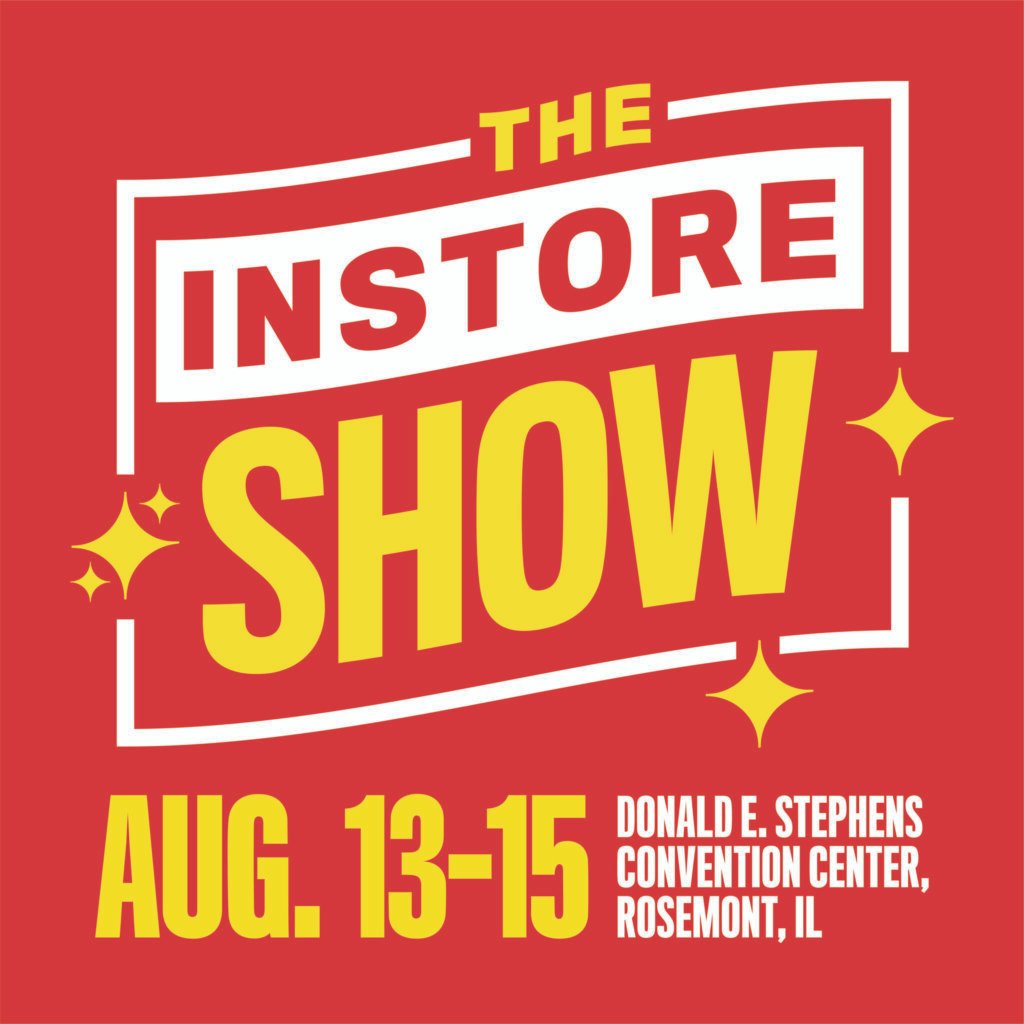
If you're planning trade presence or promotional appearances, references like jewelry show event branding visuals are a reminder that every offsite appearance has two jobs. It has to reinforce the brand, and it has to be operationally controlled.
Aggressive event marketing only works when the exposure is managed
Physical marketing creates a different level of opportunity and a different level of risk. Offsite transport, temporary displays, third-party handling, guest traffic, and rushed teardown all increase the chance of loss. Owners feel that pressure quickly. Many respond by scaling the event down, bringing weak inventory, or avoiding partnerships that could have produced strong sales.
A better approach is to set the event up so you can market confidently. Confirm who handles pieces. Limit what comes out of the case at one time. Assign one person to inventory check-in and another to client capture. Document loans, holds, and custom follow-up before the event starts, not after the room gets busy.
That changes the economics of events. Protected inventory can be shown more assertively. Better pieces create stronger reactions. Stronger reactions produce more appointments, better content, and higher close rates.
If the stock required for a campaign makes you uneasy, the campaign usually is not the problem. The handling rules and protection around it need work.
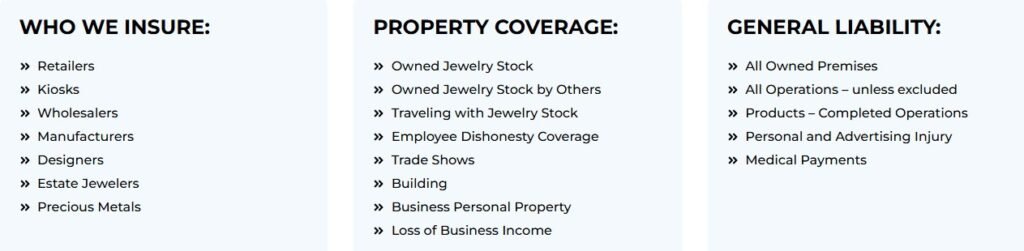
That same logic applies to jewelry store insurance, insurance for a jewelry store, and broader insurance for jewelry business planning. Owners who set up events with the right controls can test markets, host private previews, and build partnerships without treating every growth move like an unacceptable gamble.
Protecting Your Marketing and Inventory with Smart Insurance
A jeweller approves a strong holiday campaign, books photography, lines up local creators, and commits serious budget behind a hero collection. Then the practical question shows up. Who is signing pieces out, how are they traveling, where are they stored between shoots, and what happens if a featured item disappears before the campaign pays back?
That is not a side issue. It is part of the marketing plan.
Marketing and insurance often sit in separate conversations. In a jewellery business, they belong together because every serious growth move changes how stock is handled, displayed, transported, and exposed to loss. A store that wants to market aggressively needs the protection and operating discipline to support that pace.

Marketing works better when risk is priced and controlled
Owners usually treat insurance as overhead and marketing as growth. In practice, they affect each other every week.
If a campaign requires memo stock, offsite content production, private appointments, trunk shows, shipments for approval, or partner handling, your coverage structure directly affects what you can promote with confidence. Weak protection changes behavior. Stores feature safer pieces instead of better pieces. They avoid high-converting collaborations. They delay campaigns because one missing item can wipe out the margin from the entire push.
Jewelers Block matters here because it is built around how jewellery is sold. Stock moves. It travels. It gets shown outside the four walls of the store. It sits in temporary displays. It may be handled by staff, clients, photographers, couriers, or event partners. Generic commercial coverage often leaves too many gaps around those realities.
As noted earlier in the article, industry commentary on jewellery marketing rarely addresses insurance as a growth enabler. That omission matters. If coverage does not reflect how your promotions operate, your marketing calendar will stay conservative, even when demand is there.
The feedback loop that protects margin
The stronger model is not just spend, sell, restock. It is a controlled loop where marketing, inventory, and insurance inform each other.
| Business signal | What it should change |
|---|---|
| Repeat purchase patterns | Shift budget toward collections with proven demand and healthy margin |
| Campaign handling requirements | Tighten sign-out rules, transit procedures, and packaging standards |
| Offsite display plans | Review location exposure and confirm coverage before launch |
| High-value item concentration | Adjust assortment, staffing, and display strategy for promotions |
This is how profitable stores stay ambitious without getting careless. Sales results shape inventory decisions. Inventory movement shapes operating controls. Operating controls shape what can be promoted safely.
What to review before a major campaign
Before a big launch, the useful questions are operational, not theoretical:
- Which specific pieces will be photographed, shipped, carried, or displayed offsite?
- Who signs each item in and out at every handoff?
- Does the campaign create new exposure by geography, venue type, or transit method?
- Will outside vendors ever have unsupervised access to product?
- Are values, records, and reconciliation procedures current before the first item leaves the case?
A specialty underwriting perspective helps here. Even a simple reference to Lloyd's specialty insurance market context points to the type of risk environment many jewellery businesses operate in.

Good insurance does more than respond after a loss. It gives an owner room to market properly. It lets the store approve stronger assortments for campaigns, send product where it needs to go, and pursue higher-value selling opportunities without treating every promotion like a gamble.
That is why smart coverage, especially Jewelers Block, belongs near the start of the marketing conversation, not at the end.
Driving Loyalty and Measuring True Success
A customer buys an engagement ring in May, thanks you, and leaves. If nothing happens after that, the store has to spend again to earn the next sale. Profitable jewellers build a system that turns one purchase into service visits, anniversary gifts, referrals, redesign work, and future family purchases.
That starts with client records that are useful at the counter, not just stored in software. Keep ring sizes, anniversaries, preferred metals, gemstone preferences, repair history, budget range, and important dates. A simple CRM is enough if the team uses it every day.
Loyalty is built through relevance
Many store owners ask about points programs too early. Start with timely, specific follow-up instead. Contact the bridal buyer before the first anniversary. Suggest matching bands or earrings after a wedding purchase. Invite past clients in for inspection, cleaning, resizing, prong checks, or redesign consultations when those services make sense.
Email supports that process well when the list is segmented and the timing is disciplined. Email marketing is a key driver of loyalty, with segmented campaigns capable of lifting revenue by 760%. Automated win-back campaigns for customers inactive for 90+ days can achieve an 8% re-engagement rate according to Amptive's jewelry email marketing benchmarks.
Jewellery is not a high-frequency category, but it is a repeat-occasion category. Stores that stay relevant between milestones stay top of mind when the next reason to buy appears.
What to measure if you want profit, not applause
Vanity metrics have their place. They are not enough to run a store.
Measure the numbers that change decisions:
- Lead source quality: which channels produce appointments, qualified inquiries, and high-intent foot traffic
- Close rate by category: bridal, custom, repairs, fashion jewellery, estate, and luxury gifts
- Repeat purchase behavior: which first purchases lead to second and third sales
- Time to second purchase: how quickly new buyers come back
- Campaign profitability: which promotions produce margin after marketing, labor, discounting, and fulfillment costs
- Client lifetime value by segment: which customer groups justify higher acquisition spend
A campaign succeeds when it acquires the right buyer at a cost your margin can support, then gives that buyer a credible reason to return.
Budget around retention, and protect what retention creates
Marketing budgets should reflect customer value, not just top-line revenue. A one-time holiday buyer and a bridal client who returns for inspections, anniversary gifts, custom work, and referrals do not deserve the same acquisition budget. The second relationship is worth more, so the store can spend more to win it.
There is also a practical insurance angle that many marketing articles ignore. Strong retention often means more private appointments, more custom jobs, more special orders, more remounts, and more high-value client communication around specific pieces. That activity increases the need for accurate records, clean intake procedures, documented values, and coverage that matches how the business sells. Jewelers Block matters here because growth changes exposure. More valuable client relationships usually lead to more valuable inventory movement.
Owners who measure well usually insure well, too. They know which categories move, which pieces travel, which clients buy at the top of the assortment, and which campaigns create added handling risk. That makes both marketing and protection easier to manage.
A good loyalty system does more than raise repeat sales. It helps the store market with confidence, plan inventory with more precision, and support growth without treating every promotion, appointment, or special order like a blind risk.
If you're ready to market more confidently without exposing your inventory unnecessarily, First Class Insurance can help you evaluate specialized protection for jewellers and high-value retail operations. Getting the right structure in place before your next event, shipment, or campaign can make growth decisions much easier.