
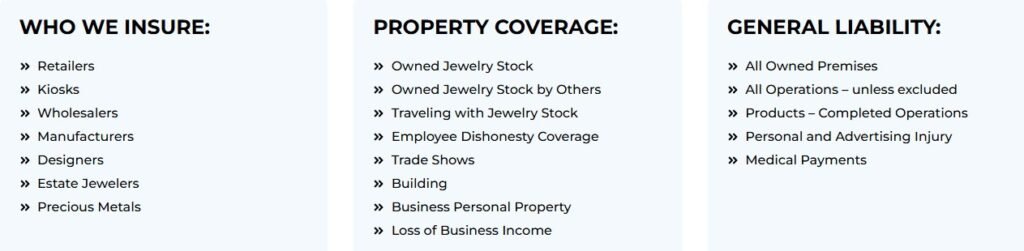
A lot of jewelers run into the same problem. They call a general business insurance agent, explain that they sell fine jewelry, and the conversation goes off track almost immediately. The agent asks retail questions when the business is mostly custom. Or they treat a by-appointment showroom the same way they'd treat a mall store with steady walk-in traffic. Or they hear “online sales” and assume the risk looks like ordinary ecommerce.
That gap creates expensive mistakes. A jeweler may end up with coverage that doesn't reflect how inventory moves, where stock sits during the day, how often items travel for repair, or how much exposure exists during shipping and client handoff. The issue often starts before the insurance application. It starts with how the business defines who it serves.
A clear Target Market Statement helps fix that. In the jewelry business, it doesn't only sharpen marketing. It clarifies operations, risk, and the kind of Jewelers Block insurance conversation that leads to a better fit.
Why Your Target Audience Defines Your Insurance Risk
A jeweler sits down to apply for coverage and says, "We cater to high-end clients." The phrase sounds professional. It also leaves an underwriter guessing.
That guesswork creates problems fast. A store that sells mostly engagement rings to local couples does not carry the same exposure as a private jeweler who meets collectors by appointment, keeps limited display stock on site, and sends high-value pieces out for consignment or delivery. A custom studio with constant intake and release of customer property presents a different risk than a showroom focused on finished inventory. If the customer profile is vague, the insurance picture usually turns vague too.
In practice, target audience and risk are tied together.
The customer you pursue affects how people enter the business, how often inventory moves, how much property belongs to clients versus the store, and how often items leave the premises for delivery, repair, appraisal, or events. A jeweler serving walk-in anniversary and bridal traffic has one pattern of exposure. A jeweler serving estate buyers and referral-only collectors has another. Even the presentation matters. A business built around appointment-based fine jewelry presentation usually operates differently from one designed for steady counter traffic.

Where vague descriptions create bad insurance assumptions
Broad labels invite the wrong underwriting assumptions. Those assumptions affect real coverage decisions, including how an insurer views:
- Customer access to the premises: open-door retail, locked-door appointments, and trade-only access create different theft and security concerns
- How stock is displayed and stored: full showcases on the floor differ from limited samples with most goods in safes or off-site vaults
- How often property changes hands: repairs, custom jobs, remounts, and consignment work increase handling and chain-of-custody issues
- Off-premises exposure: shipping, personal delivery, trunk shows, and travel with inventory all change the loss picture
I see this often with repair-heavy jewelers. They describe themselves as a retail store because that is the easiest label. But the larger exposure may be customer property in their care, frequent intake mistakes, release disputes, and pieces moving between front counter, bench, and outside setters. If that operating model never gets stated clearly, the insurance conversation starts in the wrong place.
A clear target market statement fixes that because it forces the business to explain who buys, how they buy, and what service model supports those sales. For insurance, those details matter more than polished branding language. They help an underwriter assess whether the main concern is foot traffic, shipment volume, memo exposure, repair custody, appointment security, or a mix of all five.
Precision also helps the jeweler. It makes it easier to answer application questions consistently, explain unusual operations without backtracking, and spot gaps before a loss does it for you. The businesses that get the cleanest Jewelers Block placements are usually the ones that can describe their customers in plain terms and connect that description to daily operations.
Defining Your Ideal Customer Beyond 'Luxury Buyers'
A jeweler who says, "We sell to luxury buyers," usually leaves out the details that shape both sales strategy and insurance placement. That description does not tell you whether the business serves first-time bridal clients, long-term repair customers, estate collectors, or private appointment-only buyers. Those groups buy differently, ask for different services, and create different exposures.
A target market statement should narrow that picture fast. It defines the customer group your business is built to serve in plain, usable terms. For a jewelry business, broad labels sound polished but create confusion. "Luxury buyers" can apply to a mall bridal store, an estate dealer, a custom design studio, or a high-net-worth private showroom. Those are very different businesses.
Specifics make the statement useful:
- Who they are: age range, household income, profession, family stage
- Where they are: local trade area, destination market, urban core, suburb
- How they buy: appointment, walk-in, referral, online inquiry, repeat purchase
- Why they choose you: custom design, repair trust, heirloom expertise, speed, discretion
That level of detail matters in practice. A couple shopping for an engagement ring usually needs education, financing options, and a structured sales process. A collector looking for signed estate pieces cares more about provenance, privacy, and access to rare inventory. A repair client may visit three times for the same job. Intake, storage, and release procedures become part of the customer experience.
A visual cue helps here. A polished diamond ring presentation example works because it shows a specific product to a specific buyer. Your target market statement should identify your customer with the same clarity.
What a useful statement sounds like
Here's the difference:
| Weak statement | Better statement |
|---|---|
| We serve luxury buyers. | We serve local bridal customers seeking custom engagement rings and wedding bands, primarily through appointment-based consultations and referral-driven sales. |
| We sell to high-end clients. | We work with collectors and gift buyers looking for one-of-a-kind estate and vintage pieces, with an emphasis on trust, provenance, and private service. |
One practical test works well. If your statement could fit half the jewelry stores in your area, it is still too broad.
This is not just a marketing exercise. A clear customer definition helps your staff qualify leads, set expectations, and choose the right service model. It also gives an underwriter a more accurate view of your operation. A repair-driven store handling customer property every day presents a different risk profile than an appointment-only custom jeweler or a bridal showroom with high weekend traffic. The sharper the statement, the easier it is to match the business to the right Jewelers Block coverage.
The Four Pillars of a Powerful Customer Profile
A technically rigorous target market statement should be built from demographics, geography, psychographics, and behavior, because those are the standard inputs used to identify buying groups and develop buyer personas (Salesforce on target market segmentation).

Demographics and geography
For jewelers, demographics answer the basic commercial question: who can and does buy from you?
That may include age, household income, occupation, family stage, or buying role. A bridal jeweler might focus on couples entering a major purchase decision. A custom house may attract clients with the budget and patience for design work. A repair-heavy store may draw long-term local customers who value trust over trend.
Geography matters just as much. A store in a tourist district doesn't serve the same market as a suburban jeweler with multi-generation local clients. A wholesaler in a trade hub may concentrate on business accounts, while a private showroom may pull clients from a broader regional radius by appointment.
A simple comparison makes the point:
| Pillar | Jewelry example | Insurance relevance |
|---|---|---|
| Demographics | Couples shopping for bridal jewelry | Typical ticket, sales cycle, customer handling |
| Geography | Resort district versus suburban local market | Foot traffic, travel patterns, concentration of exposure |
Psychographics and behavior
Psychographics get to motive. Why does this customer buy from you instead of somewhere else?
One buyer values craftsmanship and wants a custom reset of a family stone. Another wants sustainable or lab-grown options. Another wants antique pieces with character and history. Those values influence product mix, consultation style, and how inventory is presented or stored.
Behavior is where many jewelers uncover the most useful detail. Do people book appointments after researching online? Do they buy through Instagram messages, phone calls, trade referrals, or repeat store visits? Are they one-time bridal clients or long-term repair and redesign customers? Those patterns say a lot about sales flow and risk.
A customer profile becomes powerful when it describes not just who buys, but how the transaction happens and what the buyer is trying to accomplish.
For underwriting, behavior often matters more than a polished brand label. A business that ships often, handles customer-owned goods, or operates across multiple channels needs a different conversation than one that sells mostly from locked showcases in a single location.
Target Market Statement Examples for Your Jewelry Business
The most useful target market statements for a specialty insurance agency follow a niche plus differentiated approach. In practice, that means prioritizing high-value segments such as jewelry retailers, wholesalers, and high-net-worth collectors, then refining the statement by location, asset type, and buying behavior instead of using a broad description (Adobe on target market definition).

Example one for a bridal retailer
A family-owned bridal store usually wins by trust, service, and local reputation. The statement should reflect that.
Example statement
We serve engaged couples in our regional market who want custom engagement rings and wedding bands, value in-person guidance, and prefer working with a jeweler they can return to for sizing, maintenance, and anniversary purchases. Most customers find us through referrals, local search, and appointment consultations rather than impulse walk-ins.
Why this works:
- It identifies the customer clearly
- It explains the buying process
- It signals repeat-service relationships
- It helps frame showroom, handling, and customer-property exposure
Example two for a wholesaler
A wholesaler shouldn't sound like a storefront if exposure is trade inventory and shipment activity.
Example statement
We serve jewelry retailers, designers, and trade buyers who source loose stones and finished pieces for resale. Our business is built on repeat account relationships, fast response, and dependable fulfillment, with transactions driven by trade communication, shipping activity, and ongoing inventory movement rather than public retail traffic.
That statement gives a much better picture of the operation. It points toward transit, concentration, account handling, and off-premises concerns without turning into insurance jargon.
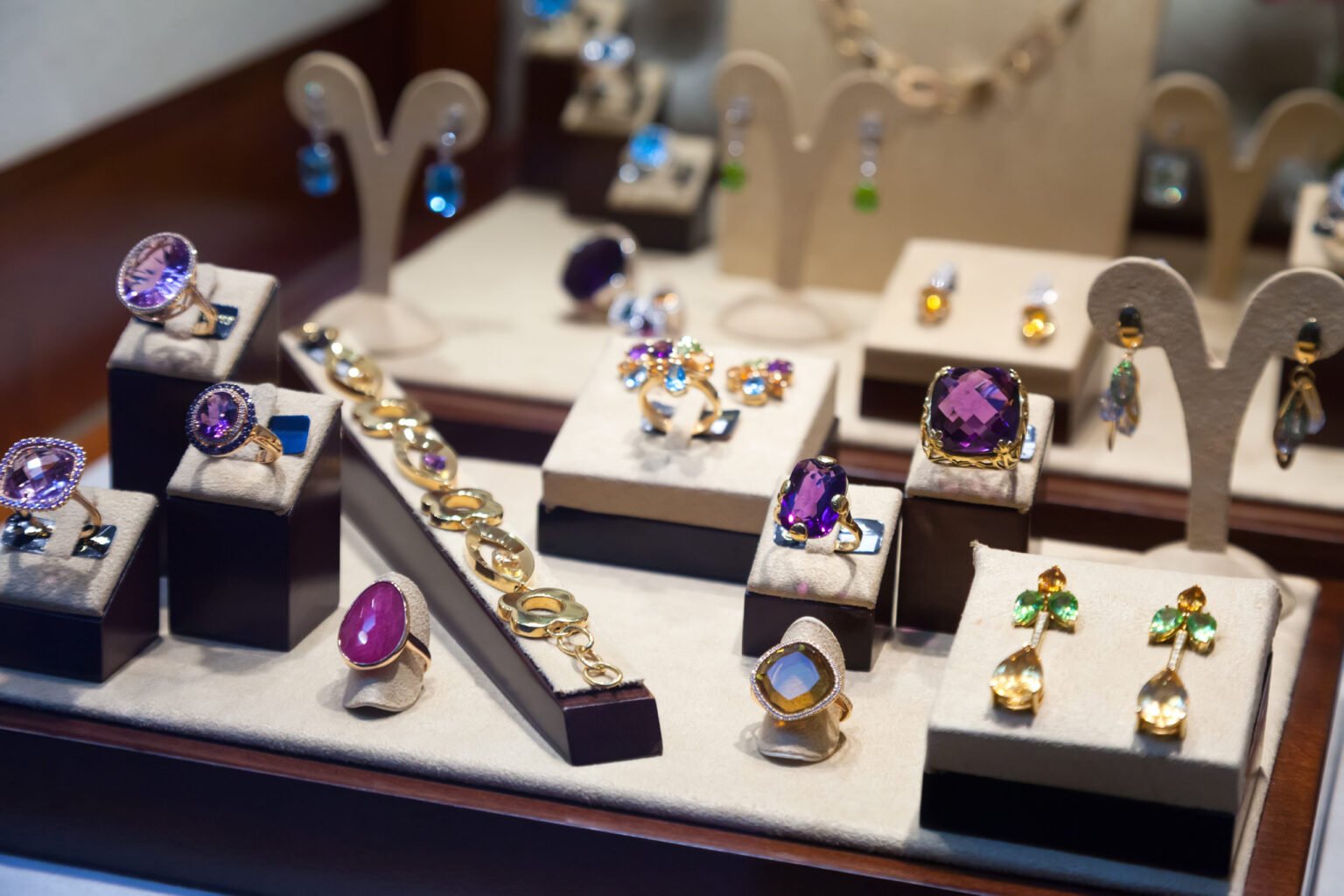
For jewelers working with vintage, estate, or specialized pieces, a visual reference like this antique jewelry collection image can also remind you how sharply product category shapes audience and risk.
Example three for an online artisan jeweler
An Instagram-led or online-first artisan business needs a statement that reflects digital discovery and custom production.
Example statement
We serve style-conscious buyers looking for one-of-a-kind handcrafted jewelry who discover our work through social content, direct messages, and online inquiries. Customers value design originality, limited-run pieces, and direct communication with the maker, and they typically purchase after a consultation about materials, sizing, and shipping.
This statement matters because the exposure may include made-to-order production, shipping, social selling, and customer communication outside a traditional retail setting.
A short walkthrough can help you pressure-test your own draft.
A simple fill-in template
Use this as a working draft, not a final script.
We serve [specific customer group] in [location or market area] who are looking for [product or service type] and value [key motivation or buying priority]. They usually buy through [channel or sales process], and they choose us because [differentiator].
A few editing rules make it stronger:
- Cut generic labels: replace “luxury” with an actual segment
- Name the transaction style: appointment, walk-in, trade order, online inquiry
- Include the core reason they buy: speed, trust, craftsmanship, discretion, rarity
- Keep it concise: one to three sentences is enough
If you can hand that statement to a salesperson and an underwriter and both understand your business more clearly, you're on the right track.
A Jeweler's Checklist for Crafting Your Statement
Modern target market analysis is increasingly data-driven. Secondary research can often be completed in a few days or less, while primary research typically takes 2 to 4 weeks, which means a usable statement can come together quickly when you have the right inputs (Drive Research on target market analysis timelines).

Start with what your business already knows
Most jewelers already have enough raw material to write a first draft. The issue isn't lack of information. It's that the information sits in different places.
Use this checklist:
- Review your best customers: Look at your strongest repeat buyers, highest-trust clients, or most profitable account types. Don't ask who buys once. Ask who fits your business best.
- Identify your core product mix: Engagement rings, repairs, estate pieces, custom work, loose stones, trade supply, or personal collections all attract different markets.
- Map where buyers come from: Your draw area may be local, regional, referral-based, or digitally sourced.
- List what buyers care about: Speed, confidentiality, craftsmanship, rarity, price clarity, or service after the sale.
- Write one draft sentence: Keep it tight and specific.
- Test it against real conversations: If your staff or broker says, “That's not really who we serve,” revise it.
Add outside signals without overcomplicating it
You don't need a giant research project to improve the statement. You do need evidence beyond instinct.
Useful inputs include:
- POS and CRM records: They show buying patterns, repeat behavior, and product concentration.
- Website inquiries and social messages: They reveal how customers describe what they want.
- Competitor review patterns: They can expose gaps in service or positioning.
- Broker and underwriter feedback: They often hear where jewelry businesses are misunderstood.
For marketing language and audience inspiration, tools and examples from ButterflAI for jewelry brands can be useful for seeing how jewelry businesses present themselves to different customer segments.
Write the statement for the customer you want more of, but make sure it still reflects the business you actually run today.
Pressure-test it for insurance use
A solid target market statement should also answer a few operational questions:
- Does it imply regular shipping or transit?
- Does it involve customer-owned goods for repair or redesign?
- Does it point to walk-in public traffic or private appointments?
- Does it suggest one location, multiple locations, or regional movement of stock?
If the statement hides those realities, it isn't ready yet.
Three Common Mistakes When Defining Your Target Market
A high-value target market statement often fails because it describes demographics without describing need-state. For jewelers, the stronger statement may focus on risk profile, including theft exposure, transit, and mysterious disappearance, rather than a broad “luxury assets” label (Luth Research on underserved market definition).

Mistake one being too broad
“Our market is anyone celebrating a special occasion” sounds inclusive. It's also nearly useless.
A statement that broad won't help with lead quality, merchandising decisions, or underwriting discussions. Jewelry businesses win by relevance, not by trying to describe every possible buyer.
Correction: Narrow the market to the segment you can serve repeatedly and profitably. Bridal. Estate collectors. Repair-driven local clients. Trade buyers. Custom redesign customers.
Mistake two relying only on demographics
Income and age matter, but they don't tell the whole story.
Two customers with similar means may buy for completely different reasons. One wants daily wear and practical durability. Another wants a vault-kept collector piece. One values ethical sourcing. Another values brand heritage or vintage rarity. If you only define the customer by age and spending power, your statement stays shallow.
Correction: Add motive and buying context. Why do they buy from you, and how do they prefer to buy?
The strongest statements describe a customer's problem, purchase path, and handling pattern. Not just their income bracket.
Mistake three ignoring operational risk
This is the mistake that matters most in insurance.
A jeweler may write a clean statement about serving affluent clients but leave out the fact that stock moves constantly, repairs come in daily, or items are shipped frequently. That gap creates friction later when the business seeks coverage.
Correction: Include actual conditions tied to your audience. If your ideal customer requires shipment, personal delivery, appointment handling, memo activity, or intake of customer property, the statement should hint at that operational reality.
A target market statement isn't meant to become an insurance application. But if it strips away the way the business serves customers, it stops being useful.
Putting Your Statement to Work for Better Insurance
The final test of a target market statement is simple. Can you hand it to a specialty insurance advisor and use it to explain how your business operates?
Advanced target market statements for specialty lines need to account for geographic and channel fragmentation. In jewelry, that means distinguishing trade businesses that need specialty underwriting from high-net-worth collectors who need personal coverage, instead of collapsing both into one “luxury client” category (MapBusinessOnline on underserved local markets).
Use it in the underwriting conversation
A practical statement helps answer the questions that matter:
- Who enters the premises
- How inventory is displayed, stored, or moved
- Whether goods are shipped, carried, repaired, or held for others
- Whether the business serves trade accounts, retail clients, collectors, or a mix
That gives the underwriter context before they start sorting through forms and property schedules. It also helps separate one type of jewelry operation from another. A specialty agency such as First Class Insurance can use that clarity when discussing Jewelers Block and related business coverage, because the right structure depends on what the business handles and how it serves its market.
If you're dealing with markets connected to established specialty underwriters, even a simple visual reference like the Lloyd's market logo can remind you that specialty placement works best when the risk is described with precision, not broad labels.

A sharp target market statement won't replace full underwriting details. It does something just as important. It starts the conversation in the right place.
If you run a jewelry store, wholesale operation, repair business, or private jewelry practice, now's a good time to turn your customer knowledge into a clearer risk profile. First Class Insurance helps jewelers and high-value asset clients evaluate Jewelers Block coverage based on how their business operates. If you want a quote built around your inventory movement, sales model, and customer type, reach out and start the conversation.