
More than half of Americans say jewelry cleaning matters, yet only 3% maintain a consistent routine, and 1 in 6 never clean their jewelry at all according to Shane Co. survey findings on jewelry cleaning habits. That gap matters more than most owners realize.
Cleaning a gold chain is not just about restoring luster. It is part of preserving metal condition, spotting wear before failure, and protecting resale or replacement value. A chain that looks dull may only need a proper wash. A chain that stays dull after cleaning may be showing abrasion, stretched links, thinning, solder fatigue, or plating loss.
Jewelers see this every day. Dirt hides weak points. Residue traps grit. Improper cleaning methods create damage that owners often mistake for ordinary wear. For retail stores, wholesalers, bench jewelers, and private collectors, the better question is not “how do I make this chain shine again?” It is “how do I clean this chain without shortening its life or reducing its value?”
That mindset applies whether you maintain personal pieces, display inventory, or customer property in your care. Even visual presentation matters. A neglected chain can undermine perceived quality as quickly as a loose clasp. The same discipline that protects a fine antique piece in a showcase also protects a modern chain in daily rotation, much like careful presentation in high-value jewelry photography such as this antique jewelry image reference.
More Than Shine The True Value of Proper Jewelry Cleaning
People often treat chain cleaning as a cosmetic chore. That is the wrong frame.
A gold chain collects skin oils, sweat, dust, lotion, soap residue, and airborne grime. On the body, especially around the neck, that buildup settles into links and around clasps. Over time, it can make a chain feel sticky, look darker than it should, and hide areas that need repair.
Why buildup affects value
A dirty chain does more than look neglected.
It can mask thinning links, conceal worn solder joints, and make clasp movement feel stiffer than normal. Owners sometimes force a sticky clasp or twist a chain while trying to “work dirt out” by hand. That creates stress exactly where the piece is already vulnerable.
For jewelry businesses, this becomes an asset protection issue. Inventory condition affects presentation, customer confidence, and downstream repair exposure. For private owners, improper care can turn a manageable maintenance job into metal loss, broken links, or an avoidable claim.
Clean jewelry shows its true condition. Dirty jewelry often hides the first signs of failure.
Why common habits are not enough
The most common cleaning habit is not always the safest one. Some owners use household shortcuts because they are easy, not because they are suitable for gold.
The problem is rarely one dramatic mistake. It is repeated low-quality care. Rubbing with paper towels, scrubbing too hard, using abrasive pastes, or dropping a delicate chain into the wrong machine can all remove value in small increments.
A professional approach starts with two principles:
- Know the construction: Solid gold, plated, hollow, gemstone-set, and pendant chains should not all be treated the same way.
- Use the least aggressive method that works: The safer the chain cleaning process, the lower the chance of unnecessary wear.
The Jeweler's Standard At-Home Cleaning Method
Routine cleaning prevents a simple maintenance task from turning into avoidable wear, repair cost, or a disputed loss event. For a solid gold chain in stable condition, the safest at-home method is still a mild soap wash with warm water, a very soft brush, and careful drying. It is the method I recommend when the goal is to preserve condition, not to force a showroom result out of a chain that may already have hidden weakness.

What to gather before you start
Set up the workspace before the chain touches water. Good preparation reduces drops, overhandling, and the temptation to improvise with unsuitable products.
Use:
- A small glass or ceramic bowl: It keeps the chain contained and makes loosened residue easy to see.
- Mild soap and warm water: A basic diluted soap solution is suitable for routine cleaning on plain solid gold chains.
- A very soft brush: A baby toothbrush or dedicated jewelry brush gives enough contact without cutting into the finish.
- A lint-free soft cloth: Microfiber or a jewelry cloth is safer than paper towels, which can leave fine abrasion.
- A clean towel on the work surface: This cushions the chain and helps prevent bounce if it slips from your hand.
Skip strong degreasers, powdered cleansers, toothpaste, and aggressive dips unless the manufacturer approves them for that exact piece. A cheap cleaner is not cheap if it removes finish, loosens a finding, or creates an insurance claim that should never have happened.
The method that holds up over time
Technique protects value.
- Lay out the chain first. Look for kinks, flattened sections, stretched links, or a clasp that does not close squarely. Set the chain aside if anything looks weak.
- Mix warm, soapy water. Use water that feels warm to the touch, not hot.
- Let the chain soak briefly. A short soak softens skin oils and residue so less brushing is needed.
- Brush with light support. Hold the chain so the links are supported, then brush along the link pattern with minimal pressure.
- Rinse completely. Soap film attracts fresh grime and can leave the chain looking dull again.
- Dry with a lint-free cloth. Pat and press the chain dry. Do not rub it hard or twist it inside the cloth.
- Air dry flat before storage. This helps moisture clear from clasp recesses and tight joints.
The trade-off is straightforward. More pressure may produce a faster visual change, but it also raises the chance of scratching, thinning plated areas, stressing link joints, or forcing grit deeper into hinges and clasps. Gold does not reward aggressive cleaning.
Where owners and staff make preventable mistakes
Home cleaning has limits. A chain may still look dull after washing because the issue is surface scratching, trapped residue in tight construction, wear on mixed-metal parts, or a problem with the finish itself.
Good technique matters for a simple reason. Home cleaning should remove ordinary grime without adding new wear.
If the chain only looks cleaner after force, stop using force.
A short visual demonstration can help train staff or show clients the right hand pressure and brush angle:
A practical decision table
| Chain condition | Safe at-home response | What to avoid |
|---|---|---|
| Light daily grime | Warm water, mild soap, soft brush | Dry polishing with pressure |
| Lotion or sweat film | Slightly longer soak, then gentle brushing | Harsh degreasers |
| Dirty clasp area | Careful brushing around moving parts | Forcing clasp movement |
| Visible weak link or bent jump ring | Stop and inspect professionally | Cleaning first and “seeing if it improves” |
The test for a successful cleaning
A properly cleaned gold chain should move freely, feel smoother in the hand, and show a more even color across the links. The clasp should open and close without drag or grit.
If stiffness remains in one section, the clasp still binds, or the tone stays uneven after drying, repeating the same process harder usually lowers value instead of restoring it. At that point, the right decision is controlled professional inspection, especially for business inventory, higher-value personal pieces, or chains scheduled on a jewelry policy. Cleanliness is only part of protection. Condition documentation matters too.
Advanced and Professional Cleaning Solutions
Some chains need more than soap, water, and a brush. Intricate links, compact patterns, and debris packed into tight crevices often require professional equipment. The most effective mechanical method is ultrasonic cleaning, but it is not universal and it is not forgiving.
Why ultrasonic cleaning works
Ultrasonic cleaners work through cavitation, which means microscopic bubbles form and collapse in liquid, pushing debris out of places a brush cannot reach. The method is especially useful for chain structures with many contact points, recesses, and internal surfaces.
The technical basics described in Frost NYC’s ultrasonic cleaning guide are straightforward. The solution uses water, ammonia, and dish liquid, and cycle times range from 1 to 20 minutes. The benefit is precision. The risk is that the same vibrations that clean thoroughly can also stress weak points.

What jewelers assess before using a machine
A professional does not start with the machine. A professional starts with the chain.
Before ultrasonic cleaning, inspect:
- Link integrity: Look for stretched, thin, or misshapen links.
- Solder points: Older repairs and delicate joins can react badly to vibration.
- Clasps and findings: Spring components may hold grime and wear at the same time.
- Stone settings or pendants: Any mounted element changes the risk profile.
Many consumer tutorials fail at this point. They present ultrasonic cleaning as a stronger version of hand washing. It is not. It is a different process with different failure points.
When it is appropriate
Ultrasonic cleaning is a good candidate for chains that are all-metal, structurally sound, and heavily loaded with fine debris in inaccessible areas. It is often effective on intricate gold chains that manual brushing leaves partially dull.
A cautious operator also controls exposure. A shorter cycle is safer than an unnecessarily long one. If the chain comes clean quickly, there is no advantage in extending the run.
The machine should remove debris, not test the chain’s structural limits.
When to avoid it
Do not treat ultrasonics as the default answer for every dirty chain.
Avoid or reconsider ultrasonic cleaning when the chain has:
- Gemstones or delicate settings
- Questionable solder joints
- Attached pendants with mixed materials
- Visible repair history
- Thin plating or uncertain construction
The same Frost NYC guidance notes that intense vibration can loosen gemstone settings or weaken solder joints. That point deserves emphasis because the damage may not be obvious in the cleaning tray. A stone can loosen slightly and fail later in wear. A solder joint can weaken enough to break during normal handling.
What belongs in a professional workflow
For stores and repair operations, the value of ultrasonic cleaning is not just better shine. It is controlled repeatability. But that only works with process discipline.
A clean workflow includes:
| Stage | Professional action |
|---|---|
| Intake | Confirm chain material, construction, and any prior repair |
| Pre-check | Inspect links, clasp, joints, and mounted elements |
| Cleaning choice | Select hand cleaning or ultrasonic based on risk |
| Post-clean inspection | Recheck movement, settings, and solder points |
| Documentation | Note condition changes before return or display |
That last line matters. If a customer leaves a chain for service, your documentation should reflect the chain’s pre-cleaning condition. If inventory is cleaned before sale or appraisal, the condition record should be just as clear.
Avoiding Costly Mistakes with Plated and Gemstone Chains
The biggest cleaning errors happen when owners assume every gold-colored chain can be treated like solid gold. In practice, plated chains and gemstone chains need a narrower margin of safety.
The surface may appear strong. The construction often is not.
Plated chains lose value fast under rough cleaning
Gold-plated chains are especially vulnerable because the gold layer is thin. Abrasive methods do not just remove dirt. They can remove the finish itself.
According to Atolyestone’s discussion of gold plated chain cleaning damage, plated chains can be harmed by abrasive cleaners such as baking soda, as well as by boiling and ultrasonic cleaning. The same source notes a 45% year-over-year increase in searches for “gold plated chain cleaning damage”, which tracks with the number of pieces people devalue by trying to clean them too aggressively.
That kind of loss is frustrating because it often presents as “mysterious fading.” In reality, the finish was worn away.

What to do instead
For plated chains, restraint protects value.
Use this quick comparison:
- Do use mild soap and water. Keep contact brief and handling light.
- Do dry with a soft cloth. Press gently rather than rubbing hard.
- Do stop if color variation appears. That may be plating wear, not leftover dirt.
Do not use:
- Baking soda pastes
- Boiling water
- Ultrasonic machines
- Abrasive cloths or heavy buffing
If the chain is part of retail stock or customer property, material identification should happen before cleaning. That discipline is as important as documenting a diamond ring correctly for valuation and insurance records, as reflected in this jewelry asset image reference.

Gemstone chains require material-specific care
A chain with stones, pearls, or a mounted pendant should not be cleaned as if the chain were the only material involved.
The metal may tolerate moisture and light brushing. The stone may not. Settings can also trap residue in ways that invite over-cleaning. Owners often focus on the visible sparkle and forget the hidden risk at prongs, bezels, adhesive points, and drilled holes.
A safer approach:
- Use a soft cloth first when the piece only needs light freshening.
- Limit moisture if the mounted material is delicate or uncertain.
- Avoid immersion when the chain includes fragile settings or decorative accents.
- Refer questionable pieces out rather than experimenting.
If you cannot identify the chain’s materials with confidence, the safest cleaning method is the one you do not perform.
A practical rule for mixed-material jewelry
The most delicate part of the piece sets the cleaning limit.
That means a sturdy gold chain with a vulnerable pendant still gets cleaned like a vulnerable pendant piece. A plated chain with a sturdy clasp still gets cleaned like a plated chain. Mixed construction always lowers the ceiling on acceptable cleaning intensity.
For jewelers and collectors, that one rule prevents a remarkable amount of avoidable damage.
Establishing a Professional Maintenance and Inspection Schedule
Chains rarely fail without warning. The warning signs are usually small, gradual, and easy to miss without a schedule.
A maintenance calendar protects more than appearance. It protects clasp security, soldered connection points, finish quality, resale condition, and, for businesses, the documentation trail that supports claims, client discussions, and internal loss control. That matters whether you manage personal holdings or customer property under standards associated with specialized jewelry risk carriers and market underwriting.
The schedule that makes sense
For daily-wear gold chains, a practical standard is simple. Clean lightly at home about once a month, then have the piece inspected and professionally cleaned about twice a year.

That timing works because cleaning and inspection serve different purposes. Monthly care removes body oils, dust, and residue before they harden around links and clasps. The six-month bench inspection checks for metal loss, looseness, distortion, and weak points that no cloth will fix.
Collectors can stretch the interval for pieces kept in storage and worn only occasionally, but those chains still need periodic review. Stored jewelry can develop problems too. Clasps stiffen, old repairs weaken, and unnoticed tangles can stress fine links.
What a real inspection should include
A proper inspection is bench work, not a quick polish at the counter.
| Inspection point | Why it matters |
|---|---|
| Links | Thinning, elongation, and twisting often show up before a break |
| Clasp | A clean chain still gets lost if the closure does not hold securely |
| Connection points | Jump rings, end caps, and solder joins often fail first |
| Wear patterns | Uneven abrasion can show habitual strain, rubbing, or storage damage |
On higher-value pieces, I also want repair history reviewed against present condition. A chain that has already been soldered, shortened, or rebuilt deserves closer attention because prior work can change where future stress appears.
How businesses and serious owners should use the schedule
Retailers, repair shops, pawnbrokers, and private collectors benefit from the same discipline. Set the interval in advance and treat it like inventory control, not a casual reminder.
A workable process looks like this:
- Record material, construction, and any attached components at intake or acquisition.
- Assign a cleaning frequency based on wear level instead of using one standard for every chain.
- Log inspection findings such as clasp tension, worn links, prior soldering, and visible distortion.
- Photograph condition changes over time for insurance files, repair recommendations, and dispute prevention.
- Give clients or staff a return date so the next inspection is scheduled before a failure happens.
That final point gets overlooked. People return after a chain breaks because breakage is obvious. They rarely return when a clasp spring weakens, a link starts to oval out, or a repaired jump ring begins to open. Scheduled inspection closes that gap.
For personal owners, this routine preserves condition and reduces the chance of preventable loss. For jewelry businesses, it also creates a defensible maintenance record, which is part of protecting asset value long before an insurance claim enters the picture.
Protecting Your Assets When Cleaning Isn't Enough
Even the best cleaning practice cannot remove every risk around jewelry ownership or jewelry operations. Chains break. Clasps fail. Finishes wear. Customer pieces arrive with hidden weaknesses. Staff members make judgment calls with incomplete information. Some losses begin as maintenance issues and end as financial ones.
That is why cleaning should sit inside a larger protection system.
Start with records, not assumptions
If a chain matters, document it before there is a dispute.
For business inventory, that means keeping clear photographs, material descriptions, repair notes, and current valuations where appropriate. For personal collections, it means preserving purchase records, appraisals, and condition photos taken in good light. If a chain changes after cleaning, repair, transit, or storage, those records establish what existed before the problem.
This matters in routine situations, not only dramatic ones. A plated piece that loses finish after improper cleaning. A gemstone pendant that loosens after vibration exposure. A chain that was already weak before service and then parts under normal handling. Without documentation, small losses become difficult conversations.
Why standard coverage is often not enough
Jewelry businesses carry unusual exposures. Stock is small, mobile, easy to conceal, and sensitive to handling. Customer property introduces another layer of responsibility. Transit, repairs, display, cleaning, and intake all create moments where value can change quickly.
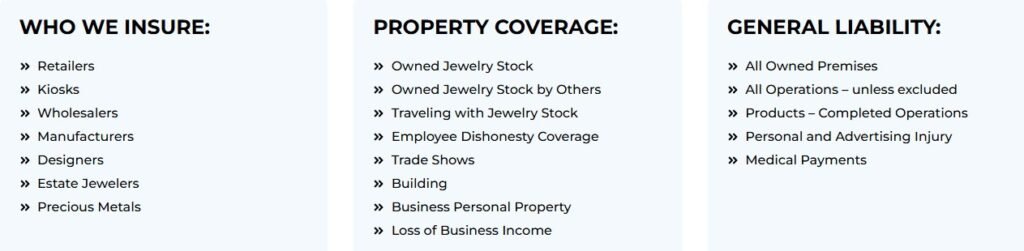
That is where specialized insurance for a jewelry business becomes part of operational discipline. A policy designed for jewelers addresses realities of inventory, customer goods, and trade-specific risks in a way ordinary coverage often does not.
For store owners looking into jewelry store insurance or broader insurance for a jewelry store, the key issue is not only theft. It is the combination of theft, mysterious disappearance, handling damage, transit exposure, and value loss tied to high-value goods. Specialized markets have long addressed those needs, including established underwriting relationships represented by references such as this Lloyd's market logo image.
Where Jewelers Block fits
Jewelers Block insurance is designed for the trade. It is the coverage category many jewelers turn to when they need protection that aligns with how jewelry is stored, moved, shown, cleaned, repaired, and sold.
From an asset-protection standpoint, that matters because cleaning risks do not live in isolation. They overlap with custody issues, staff handling, customer property exposure, and item condition disputes. A chain that loses value after improper treatment may not be a simple maintenance problem anymore. It can become a claim issue, a customer-service issue, or a balance-sheet issue.
A disciplined protection model usually includes:
- Condition documentation before cleaning or repair
- Material identification before selecting a cleaning method
- Clear intake and release procedures for customer items
- Secure storage and transit controls
- Specialized insurance aligned with jewelry operations
That final layer closes the gap between good practice and unavoidable loss. Cleaning a gold chain properly protects the item. Insurance protects the business or collection when proper care still does not prevent a problem.
If you own retail stock, handle customer jewelry, distribute high-value pieces, or maintain a significant personal collection, physical care and financial protection should work together. One without the other leaves a hole in the plan.
If you need a Quote for Jewelers Block or want guidance on Jewelers Block insurance, jewelry store insurance, or insurance for a jewelry business, First Class Insurance specializes in protection for jewelers, wholesalers, repair operations, and high-value collections across the United States.