
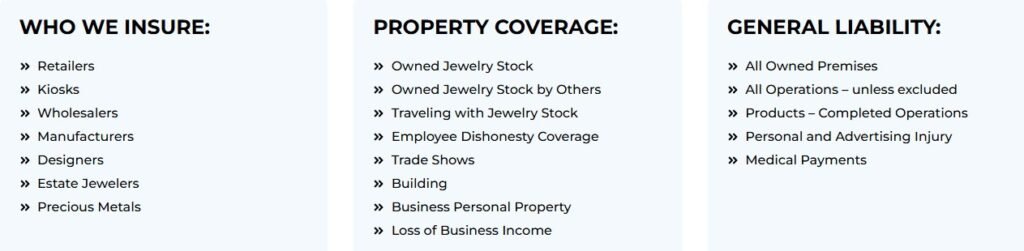
Your Jewelers Block renewal lands on your desk at the same time you're buying for a busy season, paying staff, and deciding whether to bring in fresh inventory. The coverage isn't optional. A jewelry business can't afford to go bare on theft, transit, mysterious disappearance, or showroom risk. The problem is the premium often wants all of its cash up front.
That's where premium financing enters the conversation. For a jeweler, it's less about “borrowing for insurance” in the abstract and more about protecting cash flow without cutting coverage where you can least afford a gap. If you're looking at Cypress Premium Funding Inc., the right question isn't just whether it exists or whether your agent can place it. The better question is whether its financing structure fits the way your business runs.
What Is Cypress Premium Funding Inc
A jeweler usually feels the pressure of insurance premium timing before anything else. You need coverage in force now, but the full annual premium can compete with inventory purchases, holiday staffing, trade show spend, or repairs and custom work already in progress. A premium finance company steps into that gap.
Cypress Premium Funding Inc. is a premium finance company focused on commercial insurance financing. The California Department of Financial Protection and Innovation lists Cypress as a California-licensed insurance premium finance company with License ID 2147 and shows its principal address in Laguna Niguel, California, along with its listed phone number. You can verify that through the California DFPI regulatory listing for Cypress Premium Funding Inc..
That licensing point matters more than many business owners realize. Premium finance sits inside a regulated part of the commercial insurance market. If a company is financing premiums, handling payment obligations, and potentially exercising cancellation rights under a finance agreement, you want a provider that is operating inside the proper legal framework.
Why jewelers care about this kind of company
A premium finance company doesn't replace your insurer or your broker. It fills a narrow role. It helps you spread the cost of a large commercial insurance premium over time, usually after you make a down payment and agree to scheduled installments.
For a jewelry store, that can be useful when:
- Inventory needs cash first: You may want liquidity available for memo goods, bridal stock, watch purchases, or seasonal buys.
- Coverage can't wait: Jewelers Block coverage often has to stay continuous because one uninsured loss can be devastating.
- Cash flow is uneven: Retail jewelry isn't always a smooth monthly business. A financed premium can line up better with the way money comes in.
Independent and company-associated sources also describe Cypress as operating at meaningful scale in commercial premium finance. Reata Holdings says Cypress provides financing to over 10,000 commercial businesses annually through a network exceeding 1,500 brokers, and notes that it is authorized to do business in multiple states, with broader reach through partners. That same profile also states financing can include terms of up to 11 installments and support for certain policy structures. You can review those details through Reata Holdings' profile of Cypress Premium Funding.
Practical rule: A premium finance company is not a coverage decision. It's a cash flow decision attached to a coverage decision.
If you're comparing providers, it helps to review guidance on selecting a premium finance partner so you can judge service, contract clarity, and fit with your agency relationship, not just the quoted payment amount. For brand context only, some jewelers also like to see the official company logo reference when they're confirming they're dealing with the right business entity.

How Insurance Premium Financing Works
At a practical level, premium financing works a lot like paying for a necessary business asset over time, except the asset is insurance coverage. The insurer wants the premium. The jeweler wants the coverage. The finance company advances the premium and then collects scheduled repayments from the insured.

The four parties in the transaction
There are usually four moving pieces:
- You, the jeweler apply for coverage and agree to the finance terms if you choose financing.
- Your broker or agent places the policy and coordinates the paperwork.
- The insurance carrier issues the policy and receives the premium.
- The finance company advances the premium and collects installments from you.
The simplest way to think about it is this. The insurer gets paid so your policy can go active or stay active. You don't hand over the entire annual premium at once. Instead, you make the down payment and then pay the finance company over the agreed term.
Where the collateral really sits
This is the part many insureds miss. In premium finance, the key collateral is usually the unearned premium on the policy. In plain language, if the policy is cancelled before the end of the term, there's a remaining unused premium amount tied to the unexpired portion of coverage. That amount is what gives the finance arrangement its structure and why finance companies have strong contract rights around late payment and cancellation.
For jewelers, that means a missed payment isn't a casual issue. It can turn into a coverage problem quickly. With Jewelers Block, that's serious because losses don't wait for accounting to catch up.
If you use premium financing, treat the installment due date the same way you treat your rent, payroll, and alarm monitoring. It belongs on the short list of payments that don't get missed.
Why integrations matter more than they sound
Cypress has been described as using integrated payment and finance technology built for commercial insurance workflows. RocketReach lists the company as founded in 2004, with roughly 10 employees and about $7 million in annual revenue, and notes its Laguna Niguel headquarters in California through RocketReach's Cypress Premium Funding company profile. The available company information also points to integrated payment partnerships that allow policy and payment information to reconcile in real time between agency systems and the finance platform.
That matters because jewelry policies often don't sit still. Inventory values shift. Endorsements happen. Locations change. Shipments and higher limits can affect billing details mid-term. Better system integration lowers manual posting mistakes and helps agencies and finance companies react faster when the policy changes.
For visual reference, some agencies pair financing discussions with branded product materials or risk presentations, such as this jewelry insurance visual asset, because the financing conversation is often happening right alongside the coverage review.

Pros and Cons for Your Jewelry Business
Premium financing can be smart for a jewelry business. It can also be expensive or risky if it's used to paper over deeper cash flow problems. The value comes from matching the tool to the right situation.
Where it helps
For many jewelers, the biggest advantage is working capital preservation. If paying the annual premium in one shot would force you to pass on profitable inventory, financing may be the cleaner choice. I'd usually rather see a healthy jewelry business finance part of a premium than strip inventory too thin before a selling season.
The second advantage is payment predictability. A fixed installment schedule is easier to plan around than one large annual outflow. That matters for stores that swing between slow months and heavy sales periods.
There's also a coverage angle. Sometimes the actual choice isn't “finance or don't finance.” It's “finance the proper policy or underinsure the business.” For jewelers, underinsurance can show up in low stock limits, weak transit terms, or inadequate protection for showcases, repairs, or goods of others.
Where it hurts
The downside is straightforward. Financing adds cost. That can include interest and fees, and those costs need to be weighed against the benefit of keeping cash free for operations.
There's also more administration. Someone on your side has to watch due dates, account changes, notices, and endorsements. In a small store, that often lands on the owner or a bookkeeper who already has too much on their plate.
The biggest risk is cancellation after default. If the account falls behind and the finance agreement allows cancellation steps to move forward, your insurance can be interrupted at exactly the wrong moment.
Premium financing for jewelers at a glance
| Pros (Why Use It?) | Cons (What Are the Risks?) |
|---|---|
| Protects operating cash so you can keep money available for inventory, payroll, repairs, or marketing | Raises total cost because financing usually costs more than paying the premium in full |
| Makes premiums more manageable through scheduled payments | Creates strict due dates that need close internal follow-up |
| May let you buy the right coverage now instead of trimming limits to fit a lump-sum budget | Missed payments can trigger cancellation procedures |
| Can align better with seasonal retail cycles than annual prepayment | Adds paperwork and coordination among your store, broker, carrier, and finance company |
| Useful for large commercial premiums such as Jewelers Block and related business coverages | Not a fix for chronic cash shortages if the underlying business is already strained |
When it tends to work best
Premium financing usually works best when the business is sound but the timing is inconvenient.
- Seasonal inventory builds: A store gearing up for holidays, bridal season, or a major buying event may prefer to keep cash available for product.
- Growth periods: If you're adding a location, increasing limits, or carrying more stock, financing can ease the transition.
- Capital discipline: Some owners prefer to keep reserves intact and spread costs across the policy term.
When I'd be cautious
I'd slow down if financing is being used because the business can't comfortably handle routine obligations.
A financed premium should support a healthy business plan. It shouldn't hide a weak one.
Be careful if:
- Payments are already slipping elsewhere: If payroll, rent, or vendor terms are under pressure, adding another hard due date may increase risk.
- The policy is likely to change constantly: Frequent endorsements can make the billing picture more complicated.
- No one owns the process internally: Premium finance accounts need active oversight.
Understanding Common Contract Terms and Costs
The contract is where premium financing stops being a convenience and becomes a legal obligation. Jewelers should read it the same way they'd review a consignment agreement, a vault lease, or a shipping contract.

Terms that deserve your attention
APR or finance charge tells you the borrowing cost. Don't stop at the monthly payment. Ask what the financing costs in total over the life of the agreement.
Down payment is your upfront share of the premium. A lower down payment may preserve cash today, but it can make the later installments less forgiving.
Installment schedule controls timing. For a jeweler, the schedule matters almost as much as the price. A payment due right before a major inventory buy can pinch more than a slightly higher payment due after a selling period.
Late fees and returned payment fees are where small misses become expensive. These aren't theoretical. They show up when the bookkeeper is out, the bank account changed, or an autopay instruction failed.
The clause most owners overlook
The important clause is usually the finance company's right to cancel if you default under the agreement. That's standard in premium finance. It's also why these agreements need to be treated seriously.
When the account goes delinquent, the problem isn't just “you owe money.” The problem is that the finance structure may allow the policy to be cancelled through the process described in the agreement and applicable notices. For a jewelry operation, that can create exposure fast.
A short explainer like the video below can help when you want to hear the concepts discussed in plain language before signing anything.
Questions worth asking before you sign
- What is the full payment schedule? Ask for dates, not just “monthly.”
- What happens if an endorsement changes premium mid-term? Jewelry policies often evolve.
- How are notices delivered? Mail, email, portal, or through the broker.
- Can you prepay early without complication? Sometimes businesses want to clean up the balance after a strong season.
Contract habit: Don't sign a premium finance agreement until the person handling your accounting can explain the due dates, notice process, and cancellation consequences back to you.
How to Evaluate Premium Finance Companies
The wrong way to compare premium finance companies is to focus on the monthly payment and stop there. The better approach is to judge whether the provider fits a jewelry business that needs steady administration, clear notices, and coordination with an insurance broker who may already be juggling multiple policy changes.

The checklist I'd use
Start with the basics, but don't end there.
- Licensing first: Confirm the company is properly licensed where that matters for the transaction and your state requirements.
- Clear fee structure: Ask for every charge in writing. If a provider dances around fees, move on.
- Payment fit: Make sure the due dates and term structure suit your cash cycle.
- Administrative reliability: Your broker should be able to work with the platform without friction.
- Notice handling: You want a provider that communicates cleanly when something changes.
- Service quality: If there's an error, someone should be reachable and able to fix it.
Why operational fit matters
A jeweler's insurance program often isn't static. Stock values can shift, additional insureds may be added, business property details can change, and locations can move. That means your finance company needs to handle moving parts well.
A provider's integration with agency systems becomes a real advantage. Better-connected systems reduce posting errors, shorten the lag between policy changes and billing updates, and make life easier for your office. Those improvements don't show up in a flashy marketing line, but they matter in daily operations.
For insurer and market context, some jewelers also like to review carrier-facing or specialty market brand materials such as this Lloyd's of London logo reference while comparing how their overall insurance program is being structured.

Compare the company the way you'd compare any risk partner
If you've ever reviewed unrelated insurance topics, you've already seen the pattern. A good buyer doesn't just ask “what's the price.” They ask what is included, what is excluded, and what happens when there's a problem. That's the same discipline people use when reviewing topics like multi family home insurance costs. The lesson carries over even though the product is different.
A practical comparison sheet might look like this:
| Evaluation point | What a jeweler should ask |
|---|---|
| Terms | Are the payment dates realistic for my business cycle? |
| Fees | Which charges apply only if something goes wrong? |
| Technology | Can my broker and accounting team see the same information clearly? |
| Support | If a payment issue comes up, who fixes it and how fast? |
| Transparency | Are the cancellation and notice provisions easy to understand? |
Cheap financing with poor administration can cost more than slightly pricier financing that runs cleanly.
Alternatives and Red Flags to Watch For
Premium financing isn't your only option. Sometimes it's the best fit. Sometimes it's the most available one. A jeweler should compare it against other sources of liquidity before agreeing to terms.

Real alternatives
A business line of credit can be more flexible if you already have one in place and the pricing is favorable. It may also avoid tying the financing directly to policy cancellation mechanics.
An insurer installment plan, if offered, can be simpler administratively. Not every carrier offers one, and the terms may not be as flexible, but it's worth asking.
Paying in full is still the cleanest option if the cash outlay doesn't hurt the business. It removes financing cost and one more payment stream to manage.
Red flags that should slow you down
I'd be cautious if any provider or intermediary shows these warning signs:
- Opaque pricing: You can't get a clean written explanation of charges.
- Pressure tactics: You're pushed to sign before you've reviewed the agreement.
- Weak notice clarity: No one can tell you exactly how delinquency and cancellation notices are handled.
- Poor coordination: Your broker seems unsure how endorsements, return premiums, or account changes get processed.
- Mismatch with your cash cycle: The proposed schedule ignores how your business collects revenue.
One more caution. Don't confuse premium financing with products that behave more like high-pressure short-term cash advances. If you want a plain-English legal overview of that different world, this guide for business owners on MCA is useful background. It helps sharpen the distinction between structured insurance premium finance and more aggressive funding products.
Your Premium Financing Checklist
When you talk to your broker about Cypress Premium Funding Inc. or any other premium finance option, go in with questions that force a real comparison. That's how you keep the decision grounded in your store's needs instead of just reacting to a renewal invoice.
Bring these questions to the conversation
- Cash flow first: Is the lump-sum premium uncomfortable, or just inconvenient?
- Coverage before financing: Am I financing the right policy, or am I using financing to avoid dealing with a coverage gap?
- Side-by-side cost review: What does paying in full cost versus financing over the proposed term?
- Timing reality check: Do the installment due dates fit my actual selling cycle?
- Contract exposure: What happens if one payment is late, and how fast can that become a cancellation problem?
- Policy change handling: If my inventory changes or I endorse the policy mid-term, how does that affect the finance agreement?
- Internal ownership: Who in my business is responsible for tracking payments and notices?
- Provider fit: Does my broker trust this finance company to handle service issues cleanly?
The right mindset
Use premium financing as a tool, not a reflex. For many jewelers, it's a sensible way to preserve cash and keep strong coverage in force. For others, paying in full or using another form of business credit may be cleaner.
If you can answer the checklist above without hesitation, you're probably approaching the decision the right way. If several answers are vague, pause and tighten the plan before you sign anything.
If you're weighing Jewelers Block coverage, payment structure, and the best way to protect inventory without straining cash flow, First Class Insurance can help you review the coverage side of the decision with a jeweler-focused lens. The goal isn't just getting a policy in force. It's making sure the protection, limits, and payment approach fit how your jewelry business operates.