
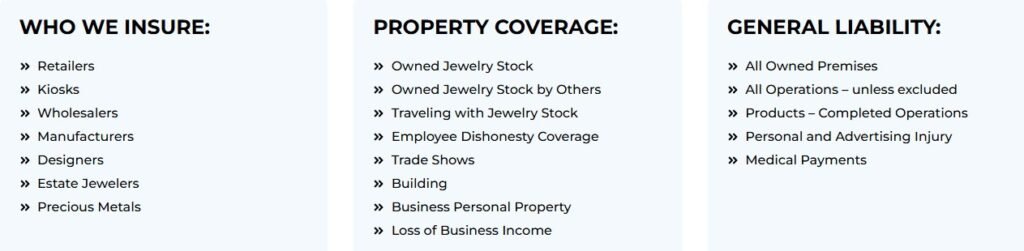
Let’s get one thing straight: a "free appraisal jewelry" offer is almost always a verbal estimate, not the formal, written document you need for insurance.
It's a fantastic way to satisfy your curiosity or get a ballpark figure for a potential sale, but it won’t protect your assets. For securing proper Jewelers Block insurance, there’s no substitute for a detailed, paid appraisal.
Understanding the Free Jewelry Appraisal Offer

As a jewelry business owner, you might see a "free appraisal" offer as a great way to build client relationships or quickly size up a piece for purchase. That’s perfectly fine. But when it comes to protecting your own inventory, you have to know the difference between a casual opinion and a formal valuation report.
Confusing the two can put your entire business at financial risk.
A free verbal estimate is just that—an informal opinion. It's a jeweler giving their experienced "best guess" after a quick look. This is ideal for a customer who's wondering about an inherited watch or wants a rough idea of an item's resale value. Think of it as a goodwill gesture, a conversation starter.
A formal written appraisal, on the other hand, is a detailed, legally defensible document created for a specific purpose, usually for getting insurance. This is the kind of report that underwriters at an agency like First Class Insurance Jewelers Block Agency absolutely require before issuing a policy.
To quickly see how these two stack up, here’s a simple breakdown.
Free Estimate vs Paid Appraisal At a Glance
This table offers a quick comparison of the common types of jewelry valuations, their typical uses, and their suitability for insurance purposes.
| Feature | Free Appraisal (Verbal Estimate) | Paid Appraisal (Formal Report) |
|---|---|---|
| Format | Verbal opinion, rarely written down | Detailed, multi-page written document |
| Purpose | Quick valuation, resale estimate, curiosity | Insurance, estate planning, legal matters |
| Detail Level | General overview, ballpark figure | Meticulous details, precise measurements |
| Insurance Suitability | Not accepted by insurance companies | Required for obtaining coverage |
| Cost | Typically free | Paid service, fee-based |
Ultimately, a verbal estimate is for quick questions, while a paid appraisal is for serious protection.
The Anatomy of an Insurance-Grade Appraisal
A formal report goes way beyond just a price tag. To be accepted for Jewelers Block insurance, an appraisal must include:
- Detailed Descriptions: This means precise measurements, weights, and any identifying markings are meticulously recorded.
- Gemological Analysis: You need in-depth information on gemstone quality—the 4Cs (cut, color, clarity, carat weight), any treatments, and origin.
- High-Quality Photographs: Clear images from multiple angles are non-negotiable. They document the piece's condition and unique features.
- Stated Value and Purpose: The report has to clearly define the valuation type, like "Insurance Replacement Value," which reflects the full retail cost to replace that exact item today.
This distinction is the cornerstone of responsible inventory management. A verbal estimate helps you make day-to-day business decisions, but only a formal, written appraisal provides the concrete evidence needed to protect your jewelry business from catastrophic loss.
The demand for these professional services is exploding. The global jewelry appraisal market was valued between US$1.98 billion and US$3.3 billion, with some projections expecting it to hit US$5 billion by 2033.
This massive growth, highlighted in reports from sources like Research and Markets, shows just how critical formal valuations have become. Understanding this difference is the first step toward building your business on a secure foundation, ready for anything.
Where Free Appraisals Help Your Jewelry Business

Sure, a free jewelry appraisal isn’t the right tool for formal insurance documents, but don't underestimate its power. In the day-to-day operations of a jewelry store, it's one of the most effective tools you have for building trust and driving sales.
Think of these quick, informal valuations as a client-facing service that gets people in the door and makes deals happen. When you know how to use them strategically, they become a huge asset to your business without adding unnecessary risk.
Driving Sales and Building Trust
Let's start with the most obvious win: the trade-in. A customer is eyeing a new piece in your case, but they're hesitating over the price. You offer a quick, fair valuation on the old ring they're wearing, and just like that, you can offer them an immediate trade-in credit.
Suddenly, that new purchase feels much more manageable. You’ve not only closed the sale, but you’ve also positioned yourself as a knowledgeable, helpful expert. That customer walks away feeling like they got great value and even better service—and that’s how you get them to come back.
Another classic scenario is the walk-in. Someone brings in an inherited brooch or an old watch, just curious about its worth. By offering a friendly, no-pressure free appraisal jewelry estimate, you’re doing more than just giving them a number.
- You build rapport: Offering your expertise with no strings attached creates a positive, memorable interaction.
- You establish authority: A confident, professional opinion shows you know the market and cements your reputation as the local go-to jeweler.
- You open doors: That curious person might just decide to sell the piece to you, put it on consignment, or become your next customer for a repair or purchase.
Assessing Potential Inventory Purchases
Free appraisals are also your frontline tool for evaluating potential stock. When someone walks in with their grandmother's estate collection or a single high-value piece they want to sell, you have to make a fast decision.
A rapid, expert evaluation lets you determine if the pieces are a good fit for your inventory and make a fair offer on the spot. This is all about identifying opportunities quickly—distinguishing the promising pieces from the ones that aren't worth your time or money. It keeps your buying process lean and profitable.
A verbal appraisal is your first line of defense and opportunity. It empowers you to instantly assess value for trade-ins and acquisitions, but it should never be presented to a customer as a substitute for an official document needed for their insurance.
This is where you have to draw a firm line and manage expectations. Always make it crystal clear that your verbal estimate is for informational, trade, or resale purposes only. You need to explain that for insurance for a jewelry business or their own personal coverage, their provider will demand a detailed, written report.
That transparency is what protects your business from liability. If a customer mistakenly tries to use your verbal quote for an insurance claim and gets denied, it’s your reputation on the line. By educating them on the difference, you reinforce your professionalism while making sure they get the proper documentation they actually need—safeguarding both their assets and your business.
The Risks of Relying on Informal Valuations
Let’s be blunt. Using a casual, free jewelry appraisal for anything more than a quick trade-in estimate is a massive gamble. For your jewelry store insurance, it's a complete non-starter.
Insurance underwriters require concrete, defensible documentation. A verbal "looks like it's worth about…" or a quick note scribbled on the back of a business card just won’t fly. This isn't about being difficult; it's a fundamental requirement for securing a real, valid policy that will actually pay out when you need it to.
When you apply for Jewelers Block insurance, the underwriter’s entire job is to accurately assess the total value of your inventory. Your premiums and coverage limits are based on a precise, professionally documented valuation. An informal guess simply doesn't have the detailed analysis, high-resolution photos, or specific gemological data needed to prove the value of your assets. It’s an immediate red flag and will be rejected.
And that rejection isn't just an administrative headache—it leaves your entire business dangerously exposed.
A Scenario No Jeweler Wants to Face
Imagine this all-too-common situation. A store owner, let's call him David, meticulously tracks his inventory on an internal spreadsheet. He’s an expert, so he uses his own knowledge and gets occasional free verbal estimates from colleagues to assign values. He feels confident he has a solid grasp of his stock's worth, and that's what he reports to his insurance provider.
One night, it happens. A professional crew bypasses his security system and cleans out his main display cases. The loss is gut-wrenching, totaling over $250,000 in high-value pieces.
David files his claim. When the adjuster asks for the formal appraisal documents that back up the values on his policy, David provides his detailed spreadsheet. The claim hits a brick wall. The adjuster explains that without independent, third-party appraisals, there's no verifiable proof of the stolen items' value, their specific characteristics, or even that they existed as described.
The insurer argues the policy was based on unverified information, and the claim is denied. David is now facing a devastating, uninsured loss that puts the future of his business in jeopardy. This is the stark reality of relying on informal numbers for insurance for a jewelry business.
The Underwriter’s Perspective
From the outside, it might seem like underwriters at agencies like First Class Insurance Jewelers Block Agency are just being strict. But they are managing immense risk, and a formal appraisal is their most critical tool.
From their point of view, a professional report does several key things:
- It Establishes Proof of Existence and Quality: Detailed reports with photos and specs prove an item was real and confirm its quality characteristics.
- It Provides a Defensible Value: A certified appraiser’s report offers an objective, market-based replacement value that holds up under scrutiny.
- It Prevents Fraud and Discrepancies: Requiring third-party documentation is the best way to minimize inflated values and ensure claims are paid accurately.
An informal valuation is just an opinion. A formal appraisal is evidence. When it comes to insurance, legal matters, or estate settlements, only evidence matters.
The bottom line couldn't be clearer. For any situation with real financial consequences—especially securing insurance for a jewelry store—a documented, professional appraisal is non-negotiable. Trying to save a few hundred dollars on a formal report could easily end up costing you hundreds of thousands in an uncovered loss.
It’s a risk no business can afford to take. Before you find yourself in that worst-case scenario, understand the critical value of proper documentation and get a quote for Jewelers Block coverage that’s built on a foundation of solid, professional valuations.
How to Vet the Appraiser Behind Any Offer
Even when an appraisal is "free," the person giving you that number matters. A lot. An off-the-cuff valuation that’s inaccurate can cause real problems, like convincing you to overpay for an estate piece or lowball a customer's trade-in.
Think of vetting the expert behind the offer as more than just good practice. It’s how you build a network of trusted pros you can call on when you really need them—especially when it's time to get a formal, paid appraisal for your jewelry store insurance.
A credible appraiser doesn't just give you a number; they give you confidence. Their expertise means every valuation, from a quick verbal estimate to a formal written report, is backed by real market data and solid gemological science. That credibility is exactly what your insurer will look for when you need to get a quote for Jewelers Block coverage.
Look for Meaningful Credentials
Not all titles are created equal, and in the jewelry world, a few key certifications separate the pros from the pretenders. When you're sizing up an appraiser, these are the qualifications that count.
The absolute gold standard is the Graduate Gemologist (G.G.) diploma from the Gemological Institute of America (GIA). This is the baseline. It tells you the person has gone through intense training on identifying and grading diamonds and colored stones. Frankly, it’s a non-negotiable for anyone who’s going to value your inventory.
Beyond the G.G., check for memberships in professional appraisal organizations. Groups like the National Association of Jewelry Appraisers (NAJA) or the American Society of Appraisers (ASA) aren't just clubs. They require members to keep up with their education and stick to a strict code of ethics, which means they’re current on valuation methods and market shifts.
Ask the Right Questions
Once you see the credentials, a quick conversation can tell you everything else you need to know. Don't be shy about asking direct questions, even if it's just for an informal look.
Here are a few sharp questions to have in your back pocket:
- "What's your process for determining value?" A real pro will walk you through their methodology—mentioning market research, comparable sales, and the specific qualities they analyze. A vague answer is a major red flag.
- "Do you have experience with this kind of piece?" If you're looking at a vintage Art Deco bracelet or a rare Paraiba tourmaline, you need an appraiser who lives and breathes that specific niche.
- "Can I see a sanitized example of a formal report you’ve done?" This is the best way to see their work in action. A proper insurance-grade report is detailed, with clear descriptions, photos, and a precise statement of value.
A great appraiser is always happy to talk about their process and credentials. They see it as a chance to build trust and prove their expertise. If they get defensive or evasive, that should tell you something.
Trust, but Verify Independence
Finally, think about the appraiser’s independence. For any official appraisal you’ll use for insurance for a jewelry business, the valuation has to be completely objective. An appraiser who also offers to buy the very piece they’re valuing has a massive conflict of interest.
Now, a jeweler offering a free estimate as a lead-up to a potential sale is a normal part of the business. But it's critical to know the difference between that and an unbiased, formal appraisal.
For any documents that count, find a third-party appraiser who has no financial stake in the outcome. That independence is what gives the report its authority and ensures it will be accepted by underwriters at agencies like the First Class Insurance Jewelers Block Agency. You can learn more about finding qualified professionals by reviewing materials from respected industry groups.
Building a relationship with a qualified, independent appraiser isn't an expense—it's a strategic investment. They become a critical partner for your insurance for a jewelry store, helping you accurately value your inventory and giving both you and your clients some much-needed peace of mind.
When You Must Invest in a Professional Appraisal
A quick, free verbal estimate is great for getting a ballpark idea of what something’s worth. But there are high-stakes moments when "ballpark" just doesn't cut it. These are the times when you absolutely must invest in a formal, written appraisal to protect your assets and your business.
Think of it this way: a professional appraisal is a core tool for managing risk. For any jeweler, knowing when to stop having a casual chat about value and start demanding a legally sound document is a critical skill. The trigger points are pretty clear, and they all signal that you need undeniable proof of an item's worth.
Key Triggers for a Formal Appraisal
Certain business activities just come with a level of financial risk that a simple verbal valuation can’t touch. In these cases, a professional report becomes your first line of defense, giving you the hard evidence needed by insurers, lawyers, and serious clients.
Here are the most common situations where you have to get a paid appraisal, no exceptions:
- Securing or Renewing Jewelers Block Insurance: This is the big one. When you apply for or renew your Jewelers Block insurance, the underwriters need an exact, documented value for your inventory. A portfolio of formal appraisals is the only way to prove the replacement cost of your stock and secure the right amount of coverage.
- Handling High-Value Consignment: Taking a major piece from a client on consignment is a massive responsibility. A formal appraisal protects both you and the owner by locking in an agreed-upon value before the item even hits your showcase. It prevents ugly disputes if something gets damaged or lost.
- Documenting a Major Client Purchase: When a client makes a significant purchase, providing them with a formal appraisal is a vital part of the service. It gives them the power to get the piece insured immediately and provides official documentation of its value, which cements their trust in the sale.
This decision tree gives you a good visual for how to think about vetting an appraiser and their process—something that’s absolutely crucial when you’re paying for a formal valuation.

As the chart shows, the appraiser's credentials and their transparent process are two sides of the same coin. You need both for a trustworthy valuation.
The Anatomy of an Insurance-Grade Report
So what, exactly, makes a formal appraisal report the non-negotiable document for insurance for a jewelry store? Underwriters at an agency like First Class Insurance Jewelers Block Agency are looking for a document that’s packed with specific, verifiable details.
An insurance-grade report isn't just a number on a piece of paper. It’s a complete dossier on each and every piece.
A proper appraisal leaves no room for ambiguity. It must paint a complete picture of the item, from its materials and craftsmanship to its specific market value, providing everything an underwriter needs to confidently insure it.
The essentials always include:
- High-Resolution Photographs: You need clear, detailed photos from multiple angles to document the item's design, condition, and any unique marks. These images are visual proof of what’s being insured.
- Detailed Gemological Data: For any piece with stones, the report must break down the 4Cs (cut, color, clarity, and carat weight), measurements, and any known treatments. For bigger stones, the grading report number from a lab like GIA is often required. You can see more on valuing specific pieces like antique jewelry in our other resources.
- Precise Measurements and Weights: The document has to list the item’s exact dimensions and total gram weight. It also needs to specify the metal types and purity stamps (e.g., "18K" or "PLAT").
- A Clear Statement of Value: This is the bottom line. The report must clearly state the Insurance Replacement Value—the full retail cost to replace the item with a new, similar one in the current market.

These tough documentation standards are especially critical in the jewelry world. Market analysis shows that roughly 80% of jewelry transactions still happen in physical stores, and of that, fine jewelry makes up a whopping 68% of the total value. You can read more on these jewelry market size trends. These high-value, face-to-face dealings make professional appraisals a must-have for any insurance for jewelry business.
Without this level of detail, your application for coverage will get stuck in limbo or flat-out denied. Investing in professional appraisals isn't just a box to check; it’s the only way to build a solid policy and confidently get a quote for Jewelers Block coverage that actually protects you.
Securing Your Jewelers Block Insurance with Proper Valuations

Think of an accurate, up-to-date portfolio of professional appraisals as more than just paperwork—it’s the absolute bedrock of your Jewelers Block insurance policy. While a free appraisal jewelry offer is great for a quick gut-check, it’s the detailed, formal reports that do the heavy lifting when it comes to protecting your business.
These documents are the primary evidence that underwriters at agencies like First Class Insurance Jewelers Block Agency use to calculate your coverage. They need this verified proof to confidently insure your most valuable assets.
How Underwriters Use Your Appraisals
When you get a quote for Jewelers Block, an underwriter isn’t just looking at a total inventory value. They see a collection of individual risks, and your appraisal documents are the tools they use to measure that risk with precision.
A strong portfolio of appraisals gives them a clear, defensible basis for your coverage limits. It spells out the exact value of your stock, from pieces locked securely in the vault to items you’re taking to a trade show. Without that formal documentation, underwriters are working in the dark, which almost always leads to conservative (and lower) coverage limits or even an outright policy denial.
A comprehensive appraisal report confirms:
- Replacement Cost: It establishes the current retail cost to replace each item, making sure your coverage is enough to make you whole after a loss.
- Inventory Composition: It breaks down the types of items you carry—high-karat gold, large diamonds, antique pieces—which helps the insurer understand the specific risks involved.
- Proof of Existence: The detailed descriptions and high-quality photos in a formal appraisal serve as undeniable proof that the items existed and were in your possession.
Underwriters view a meticulously documented inventory as a sign of a well-run, professional business. A strong set of appraisals directly translates into a smoother underwriting process and, more importantly, a faster and more straightforward claims experience.
This documentation isn't just about ticking an insurer's boxes. It’s about building a powerful, undeniable case for the value of your business assets before a crisis ever hits.
A Smoother Claims Process
Picture this: you have to file a claim after a major theft. The difference between a quick payout and a long, drawn-out investigation often comes down to the quality of your paperwork.
With a file full of professional appraisals, the adjuster has everything they need. An independent, certified expert has already established the value of the stolen items. There’s very little room for dispute. This lets the claims process move forward efficiently, getting you the funds to restock and get back to business.
Without those reports, the burden of proof is entirely on you to establish the value of what was lost—all while you're still reeling from the event itself.
Extending Protection to High-Net-Worth Clients
This same discipline of rigorous documentation extends directly to your high-net-worth clients. When you sell a significant piece, providing a formal appraisal for their insurance is a critical part of the luxury experience.
It gives your client the power to secure their own personal jewelry coverage immediately. That simple act reinforces your position as a trusted advisor, not just a retailer. It shows you care about protecting their investment long after the sale.
This becomes even more crucial if you work with an international clientele. The Asia-Pacific region, especially China and India, drives a massive portion of the global jewelry market—accounting for 45% to 58% of global revenues. Your inventory might have international valuation significance, making certified appraisals essential for securing proper insurance for a jewelry business that sources or sells globally.
Beyond the appraisal itself, how you manage these sensitive documents matters. It's vital to understand how to secure PDF documents, especially when handling official reports for clients or your own insurance policy.
Ultimately, professional appraisals are the key to unlocking true, comprehensive protection. For both your own jewelry store insurance and the policies your clients rely on, these documents provide the clarity, proof, and peace of mind that are simply invaluable. With partners like Lloyd's of London backing many policies, this level of documentation isn't just a good idea—it's the industry standard.

Your Questions on Appraisals and Insurance, Answered
Let's cut through the noise. Here are some quick, no-nonsense answers to the questions we hear most often from jewelers about appraisals and how they actually affect your insurance coverage.
Getting your valuations right isn't just about paperwork; it's the bedrock of your protection. An accurate number ensures your jewelry store insurance is ready to perform when you need it to.
How Often Should My Inventory Be Re-Appraised for Insurance?
When it comes to your Jewelers Block insurance policy, your inventory valuation has to be current. Period.
Best practice is to do a full inventory valuation review at least once a year. The market for precious metals and gemstones can swing wildly, and an old valuation almost always means you're underinsured.
For your most important, high-ticket pieces, you should probably get a fresh, formal appraisal every two or three years. This is especially true when certain gems or metals are in a volatile market. Always double-check the specifics with your insurance provider, as some policies will require a certain appraisal frequency to keep your coverage intact.
An outdated appraisal is one of the single biggest reasons we see for an underinsured claim. Imagine trying to replace a large diamond at today's market price using a valuation from five years ago—that financial gap could be devastating.
Staying on top of your valuations is a core part of a smart insurance for jewelry business strategy.
Will an Insurance Company Take a Free Appraisal Certificate?
Let me make this simple: no. Absolutely not.
Those informal notes or verbal estimates you get from a "free appraisal" are worthless for insurance purposes. They lack the detailed methodology, supporting evidence, and formal structure that underwriters demand. To get insured, you need a comprehensive, written report created specifically for obtaining coverage.
This formal document must include:
- Detailed descriptions and precise measurements.
- In-depth quality analysis and full gemological data.
- Clear, high-resolution photos of the piece.
- A stated Insurance Replacement Value from a qualified, independent appraiser.
Think of a free appraisal as a starting point for a conversation, not a document you can bank on. When you're ready to get a quote for Jewelers Block, only an official, paid-for report will do the job.
What’s the Difference Between Replacement Value and Fair Market Value?
This is a critical distinction for any kind of insurance for a jewelry store. Getting this wrong can leave you seriously exposed.
Insurance Replacement Value is the full retail cost to buy a brand new, identical, or comparable item from a retail jeweler. This is the number your insurance policy needs because it reflects the actual, real-world cost to make you whole after something goes wrong.
Fair Market Value, on the other hand, is the price a willing buyer and a willing seller would agree on, with neither being forced to act. This value is almost always lower than retail and is used for things like estate taxes or charitable donations. For your policy, you must ensure every appraisal clearly states the Insurance Replacement Value.
Can I Appraise My Own Inventory for My Jewelers Block Policy?
You're an expert on your own stock, no question. But insurance carriers will almost always require an appraisal from an independent, third-party professional.
This isn't a knock on your expertise. It's about eliminating any potential conflict of interest and providing an objective valuation that can stand up under scrutiny during a claim.
Using a certified, independent appraiser adds a layer of credibility that is priceless. It completely removes any hint that values might have been inflated. Your agent at a firm like First Class Insurance Jewelers Block Agency can tell you exactly which appraiser credentials their underwriters accept. This makes the whole process smoother and ensures your valuations are accepted without a hitch, building your policy on a foundation of trust.
Protecting your inventory starts with knowing its true value. At First Class Insurance, we specialize in building insurance solutions that reflect the unique needs of your jewelry business. Get a Quote for Jewelers Block and ensure your most valuable assets are properly secured.