
You've finished the pieces. You know which collections deserve the front table, which earrings stop people at markets, and which necklaces carry the brand. Then you look at the display situation and hit the usual wall. Velvet busts feel generic, store-bought fixtures get expensive fast, and many DIY setups look good in photos but fall apart in transport or leave too much inventory exposed.
That's where homemade jewelry display ideas stop being a craft project and become an operating decision. A display changes how customers browse, how staff restock, how easily you can track pieces, and how much risk you accept on the sales floor. A pretty setup that invites tangling, breakage, or uncontrolled handling can cost more than it saves. The same is true at pop-ups, repair counters, wholesale appointments, and full retail showrooms.
The larger display category has become a serious commercial niche. One industry article notes that the global jewelry display market was projected to surpass $2.5 billion by 2025, which helps explain why even small makers now think more like merchandisers when they build low-cost fixtures at home. Good presentation isn't a side detail anymore.
The strongest homemade jewelry display ideas do two jobs at once. They help the right pieces sell, and they support a better insurance for your jewelry business by reducing avoidable damage, confusion, and loss. Here are eight options that can work in real retail conditions.
1. Wall-Mounted Pegboard Display Systems
A pegboard works because it's flexible without looking temporary if you finish it well. Paint it, frame it, or mount it on stained plywood, and it can fit a studio, a repair intake wall, or a compact retail area. Hooks, mini shelves, and bars let you move inventory quickly when collections change.
For everyday selling, pegboard is strongest with earrings, lightweight bracelets, carded items, and selected necklace runs. It's less effective for high-value pieces you don't want customers handling freely. In those cases, use the pegboard as a visual sampler and keep backup stock behind the counter.

What works on a pegboard
A measured layout matters more than people think. DIY builders often rely on repeatable dimensions so they can recreate the same display across multiple boards or trays. One tutorial uses a 12-inch paint stick with marks at 1 3/4 inches, 4 1/2 inches, 7 1/2 inches, and 10 1/4 inches as a repeatable display template, showing how simple spacing turns scrap materials into consistent fixtures in production-style setups for booths and markets, as described in this paint-stick display tutorial.
That same repeatability is why pegboard systems are useful for insurance documentation. If each row or section has a category assignment, staff can count and restock faster.
- Use padded contact points: Velvet-covered hooks or wrapped pegs reduce scratching on plated pieces and polished metals.
- Separate by category: Earrings, bracelets, and necklaces should each have their own zone so customers don't cross-shop by rummaging.
- Mount at browsing height: Signature styles should sit at eye level or slightly above, where customers notice them first.
- Log what lives where: Photograph the board and keep a simple section-by-section inventory record.
Practical rule: If a pegboard section can't be counted visually in seconds, it's too crowded.
Pegboard is excellent for accessible merchandising. It isn't the best answer for open, unattended display of premium inventory. If you run a busy floor, treat it like a front-facing sales tool, not bulk storage in public view.
2. Wooden Jewelry Boxes and Shadow Boxes
Shadow boxes do something standard tabletop displays can't. They frame jewelry as a collection rather than loose inventory. That makes them especially useful for bridal capsules, seasonal edits, one-of-a-kind work, and premium pieces that deserve controlled presentation.
A homemade wooden box can also solve a common shop problem: where to place featured items that should be visible but not casually handled. Add a hinged front, magnetic closure, or staff-only access point, and the display becomes part merchandising, part protection.
A set of wooden shadow boxes for jewelry display
Why boxed displays reduce chaos
Open trays encourage touching. That's fine for lower-risk merchandise. For finer work, especially pieces with delicate finishes, chains, or stones that can snag, boxed displays create a visual boundary. Customers still see the item clearly, but staff control the handling moment.
That's also where these displays support a stronger jewelry store insurance posture. A documented, enclosed presentation can make daily operations more disciplined. Staff know what belongs in each box, and missing items are easier to spot than on mixed open surfaces.
- Line interiors carefully: Use acid-free tissue, archival paper, or velvet-like fabric that won't abrade surfaces.
- Add small labels: Material, collection name, and price should be visible without forcing staff to pull the piece out repeatedly.
- Rotate intentionally: If a shadow box holds hero pieces, refresh it by collection or season so it doesn't become visual wallpaper.
- Photograph every setup: Clear images of displayed pieces and their arrangement help with inventory records and claims support.
A trade-off comes with this style. Shadow boxes look refined, but they can slow browsing if overused. Don't put your full range behind glass or lids. Reserve them for high-margin, high-story, or high-risk merchandise and let more approachable items live elsewhere.
Fewer pieces in a shadow box usually sell better than a crowded frame full of “options.”
3. Repurposed Glass Jars and Containers
Glass jars can work beautifully for casual lines, giftable items, and small accessories. Rings, stud earrings on cards, charm bracelets, and colorful costume pieces often look better in grouped glass than spread thinly across a table. The display feels abundant without requiring much footprint.
This is one of the most common homemade jewelry display ideas because the materials are easy to source and the visual effect is immediate. Apothecary jars, mason jars, lidded candy jars, and small clear canisters all fit the approach.
Where jars help and where they hurt
Jars are strongest when the jewelry can tolerate light handling and when the brand has a playful, vintage, or sustainability-driven aesthetic. They're weak for fine chains, gemstone earrings without cards, and anything that can scratch when piled loosely.
Placement matters. A jar near the table edge is a breakage claim waiting to happen. A jar with too many pieces turns into a tangle bin. A better approach is to use jars as containers for organized subsets.
- Group like with like: One jar for ring sizes, another for stud cards, another for bangles.
- Pad the interior: Velvet remnants or acid-free tissue protect surfaces and soften noise when customers browse.
- Use layers: Put jars on risers so customers can scan the display instead of looking down into a flat line of glass.
- Keep lids nearby: During setup, transport, or high-traffic moments, a lid gives you quick control.
Craft-show guidance consistently favors layered display over flat layouts. Placing standout items at eye level and organizing by category reduces browsing friction, which is why many sellers combine jars with risers, trays, and grouped sections rather than leaving everything on one plane, as described in this craft-show merchandising guidance.
Jars can create charm, but don't confuse charm with security. They're best for lower-risk inventory, supervised shopping, and brands that want a collected, handmade look without building custom structures from scratch.
4. Tiered Wire or Metal Stand Displays
A tiered metal stand earns its place when table space is tight and your product mix needs vertical separation. Necklaces can hang without tangling, bracelets can sit by collection, and earrings can live on cards or mini bars. In a showroom or market booth, that vertical lift makes a small assortment read as a fuller presentation.
This style also plays well with industrial, minimalist, and modern-rustic branding. If the metal finish is clean and the form is balanced, the display looks intentional rather than improvised.
Stability matters more than style
The biggest mistake with wire stands is building upward without weighting the base. A tall stand that wobbles under the weight of necklaces is a poor display and a risk issue. Foot traffic, table bumps, and uneven surfaces expose that problem fast.
If you fabricate your own from metal rod or repurpose plant stands, coat or maintain the finish properly. Surface corrosion can stain cards, catch fabrics, and make a display look neglected. For material care, it's worth reviewing expert metal rust protection before putting homemade metal fixtures into repeated use.
For a visual reference, this kind of upscale display style fits the polished showroom look seen in this jewelry presentation image.

- Weight the base: Add a heavier platform or concealed underside weight before loading upper hooks.
- Sort by type: Keep necklaces on one level, bracelets on another, and avoid mixing categories on the same branch.
- Control spacing: Pieces should hang cleanly without overlapping clasps or pendants.
- Limit exposure: Put lower-value or medium-value items on open branches. Keep premium pieces closer to staff.
A metal stand that looks airy in the workshop can feel unstable on a busy sales floor. Test it under full load, not empty.
Done right, metal tiering feels efficient and polished. Done poorly, it becomes a tipping hazard with too many moving parts.
5. DIY Jewelry Display Stands from Reclaimed Wood
Reclaimed wood gives a display personality fast. Old boards, salvaged trim, branch sections, and weathered shelving can all become stands, ladder displays, earring bars, or angled necklace boards. If your brand leans artisan, earthy, vintage, or coastal, wood often says more than acrylic ever will.
It's also one of the better homemade jewelry display ideas for sellers who want a signature look without custom millwork pricing. A branded stain, burned logo mark, or consistent hardware choice turns scrap wood into a repeatable retail language.
Build for transport, not just appearance
Many reclaimed wood displays look great on opening day and get rough quickly because no one planned for repeated packing, humidity shifts, or changing product weight. Lightweight twine, hot glue, and thin scrap stock may be enough for a photo setup. They aren't always enough for a market season.
That durability gap shows up often in DIY coverage. Quick builds using paint sticks, cardboard, twine, and hot glue are common, but few guides focus on how displays perform over repeated transport and use. This discussion of creative jewelry displays and durability concerns is a useful reminder to think in terms of lifecycle, not just first assembly.
- Seal the wood: A non-toxic clear finish helps reduce warping, moisture absorption, and splintering.
- Reinforce load points: Hooks, dowels, and hanging bars should anchor into solid sections, not weak edges.
- Check contact surfaces: Rough reclaimed wood can scratch polished metal and snag chains unless you sand and line contact points.
- Build modularly: Sections that pack flat are easier to transport and less likely to break.
If you're looking for style inspiration for wood-based builds, these guides from The Knotty Lumber Co. can help spark form ideas, even if you adapt the construction for jewelry-specific use.
Reclaimed wood sells a story. Just make sure the story includes stability, repeatability, and clean handling.
6. Acrylic and Clear Plastic Risers with Organized Shelving
Acrylic isn't always the first thing people think of when they hear homemade jewelry display ideas, but it belongs on the list. Plenty of jewelers assemble their own setups from off-the-shelf risers, cut clear shelves, adhesive feet, and simple modular supports. The result can look cleaner and more upscale than many handmade wood or fabric systems.
This style is strongest when the jewelry should be the focal point, not the fixture. Bridal pieces, modern fine jewelry, diamond-forward looks, and minimalist collections all benefit from a display that visually disappears.

Clean lines require disciplined spacing
Acrylic shows fingerprints, dust, and sloppy spacing immediately. That's the trade-off. Wood can hide imperfections. Clear plastic can't. If you use this system, commit to regular wiping and enough negative space around each piece.
This kind of presentation also supports strong visual hierarchy. A ring at the highest tier reads as intentional. A best-selling bracelet group on the middle shelf feels easy to browse. For a luxury-oriented visual benchmark, the merchandising tone aligns with this polished ring presentation image.

- Use microfiber only: Paper towels can haze surfaces and dull the look.
- Separate by finish or collection: Gold, silver, gemstone, and bridal lines each benefit from their own shelf or riser level.
- Avoid overloading: Acrylic cracks and tips when people treat it like warehouse shelving.
- Pair with cards sparingly: Small white or neutral signs are enough. Too much signage ruins the clean effect.
Acrylic also has a security upside. Sparse, deliberate arrangement makes missing pieces easier to notice. If a tray of rings has assigned positions, staff can scan it faster than a dense, decorative setup with no logic.
7. Vintage Furniture Upcycling
Old drawers, hutches, and apothecary cabinets can become memorable display fixtures if you choose the right piece. They bring built-in compartments, visual weight, and a strong point of view. For antique, heirloom, or story-driven jewelry brands, that atmosphere can be part of the sale.
The mistake is assuming any old furniture works. It doesn't. Many pieces are too deep, too dark, too fragile, or too awkward for active retail browsing. The best candidates have shallow drawers, steady shelves, and doors or compartments that staff can manage easily during a selling day.
For inspiration, watch this vintage upcycling example:
Character should not override control
A glass-front hutch can be excellent for featured necklaces or estate-inspired pieces. A shallow drawer can hold ring trays beautifully. An apothecary cabinet can organize stock by category or collection. But once hardware sticks, shelving sags, or doors don't latch properly, the furniture becomes a liability.
That matters for operations and for insurance for a jewelry store. Display furniture affects handling risk, access control, and inventory awareness. If a cabinet encourages staff to leave too much stock in one public-facing area, the look may be beautiful but the exposure is wrong.
For the visual language this approach supports, compare it with this antique jewelry image.

Older furniture can elevate the room, but only if every drawer, hinge, and shelf still works like retail equipment.
- Evaluate structure first: Check drawer runners, shelf support, door alignment, and weight-bearing strength.
- Line interiors: Acid-free velvet, archival paper, or clean fabric panels protect jewelry and improve presentation.
- Add discreet lighting: LED strips inside enclosed units improve visibility without heating the contents.
- Document modifications: If you restore, paint, wire, or retrofit the piece, keep a record for business and insurance files.
Vintage furniture works best as a curated focal point, not your entire merchandising system.
8. Modular DIY Slatwall Panel Systems
Slatwall is one of the most practical choices for a jewelry business that changes assortments often. It gives you reconfiguration without rebuilding. Add hooks, mini shelves, acrylic pockets, bars, and branded signage, and the wall can shift with seasons, events, or collection drops.
It doesn't have the romance of reclaimed wood or antique furniture. What it offers instead is speed, consistency, and retail-grade organization. For stores with mixed inventory, staff turnover, or frequent reset needs, that usually wins.
Why slatwall works in real operations
A good slatwall layout helps with category management, quick visual scanning, and stock rotation. It's especially useful when multiple collections need distinct presentation but can't justify permanent fixtures. If you mount the system securely and keep accessories standardized, resets are straightforward.
There's also a direct risk-management benefit. Homemade display advice often focuses on aesthetics and thrift, but not enough on theft resistance or inventory control. This discussion of jewelry display ideas and loss-prevention gaps makes the point clearly: beautiful displays can leave too much stock exposed if access isn't controlled.
- Use display stock, not full stock: Show one of each style where possible and replenish from secured backstock.
- Assign zones: Group by type, designer, or price band so staff can identify missing items faster.
- Fasten properly: Slatwall must anchor into studs or equivalent support. Jewelry may be light, but the wall system and accessories add up.
- Keep signage consistent: Professional labeling reduces browsing confusion and unnecessary handling.
If you want to change the look of supporting components around a slatwall setup, these ideas for DIY furniture upcycling with vinyl wraps can help refresh adjacent fixtures without rebuilding everything.
Slatwall isn't the most romantic answer. It's one of the most operationally sound.
8-Item Homemade Jewelry Display Comparison
| Display Type | Implementation Complexity (🔄) | Resource Requirements (⚡) | Expected Outcomes & Impact (⭐📊) | Ideal Use Cases | Key Advantages & Tips (💡) |
|---|---|---|---|---|---|
| Wall-Mounted Pegboard Display Systems | Low 🔄 | Low ⚡ | ⭐⭐⭐ · High visibility and easy access; moderate security 📊 | Retail, repair shops, artisan studios | Cost-effective; quick install; use velvet hooks and backlighting |
| Wooden Jewelry Boxes and Shadow Boxes | Medium 🔄🔄 | Medium–High ⚡⚡ | ⭐⭐⭐⭐ · Luxury presentation with dust protection; limited capacity 📊 | High-end retail, signature collections | Curated, protective display; use LED lighting and acid‑free linings |
| Repurposed Glass Jars and Containers | Low 🔄 | Very Low ⚡ | ⭐⭐ · Strong visual/eco appeal but low security and handling risk 📊 | Craft fairs, sustainable boutiques, costume jewelry | Extremely affordable and Instagram‑friendly; line jars to prevent scratching |
| Tiered Wire or Metal Stand Displays | Low–Medium 🔄🔄 | Low–Medium ⚡⚡ | ⭐⭐⭐ · Good vertical space use and accessibility; tipping risk 📊 | Small shops, trade shows, wholesale showrooms | Maximizes vertical space; weigh/secure bases and group by type |
| DIY Jewelry Display Stands from Reclaimed Wood | High 🔄🔄🔄 | Medium ⚡⚡ | ⭐⭐⭐⭐ · Unique brand storytelling and sustainable appeal 📊 | Artisan brands, pop‑ups, rustic boutiques | Highly customizable and eco‑friendly; seal wood and ensure stability |
| Acrylic and Clear Plastic Risers with Organized Shelving | Low–Medium 🔄🔄 | Medium ⚡⚡ | ⭐⭐⭐⭐ · Clean, modern visibility; shows fingerprints/dust 📊 | Contemporary boutiques, high‑end showrooms | Minimalist, upscale look; clean with microfiber and secure in cases |
| Vintage Furniture Upcycling (Drawers, Hutches, Apothecary Cabinets) | High 🔄🔄🔄 | Medium–High ⚡⚡⚡ | ⭐⭐⭐⭐ · Distinctive aesthetic plus storage; may need restoration 📊 | Vintage boutiques, immersive retail, antique stores | Memorable, ample storage; inspect structure, add locks/lighting |
| Modular DIY Slatwall Panel Systems | Medium 🔄🔄 | Medium–High ⚡⚡⚡ | ⭐⭐⭐⭐ · Highly flexible and retail‑efficient; dependent on proper install 📊 | Busy retail, department stores, seasonal displays | Reconfigurable and professional; fasten to studs and use locking holders |
Protecting Your Craft From Display Case to Insurance Policy
Displays influence more than appearance. They shape customer behavior, staff workflow, product handling, and the way your inventory is exposed throughout the day. That's why homemade jewelry display ideas should never be judged on looks alone. A display is part of your selling system, but it's also part of your control system.
The best setups usually share a few traits. They create height so customers can scan quickly. They separate categories clearly. They avoid overcrowding. They let staff restock without confusion. And they don't put every valuable piece within easy reach just because an open display looks inviting. In practice, the strongest display often shows less, not more.
That's especially important for independent jewelers, repair shops, mobile sellers, wholesalers, and retail showroom operators who move between selling environments. A fixture that works in a styled photo may fail under real conditions. It may tip in transport, warp from humidity, scratch metal surfaces, or encourage too much customer handling. Homemade doesn't mean casual. It should mean deliberate, modular, and tested.
From a business standpoint, every display choice also affects documentation. Fixed zones, repeatable layouts, and curated presentation make it easier to photograph stock, count merchandise, train staff, and identify missing items. Those habits support smoother operations and can matter when you need to explain what was on display, what was secured, and how inventory was managed.
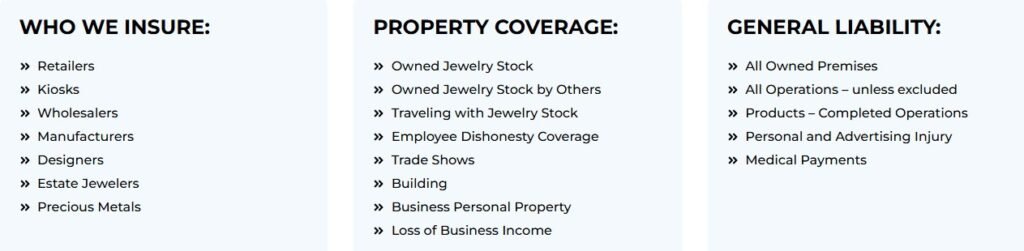
That's where specialized coverage becomes part of the conversation. Insurance for jewelry business operations isn't just about catastrophic theft. It's about protecting stock, fixtures, tools, and the day-to-day realities of selling high-value merchandise in environments where damage, disappearance, and transit loss are real concerns. If you own or operate a jewelry store, work as an independent artisan, or manage a showroom with mobile inventory, Jewelers Block insurance belongs alongside your display planning.
First Class Insurance Jewelers Block Agency works with jewelers who need coverage built for those risks. If you're evaluating homemade fixtures, updating your merchandising approach, or tightening how inventory is shown and secured, it's a smart time to review whether your current insurance for a jewelry store matches how you operate now. The right policy should protect your inventory, support your business model, and give you a clearer path if a loss happens.
If you're ready to pair stronger display decisions with better protection, First Class Insurance can help you get a quote for Jewelers Block coverage designed for jewelry stores, independent jewelers, wholesalers, and other high-value operations.