

A client walks in with a pearl necklace that “just needs a quick polish.” The pearls look flat, the clasp is dark, and the strand feels slightly limp between the knots. That job is never just surface cleaning. It’s condition assessment, moisture control, materials handling, and liability management in one small tray.
That’s why knowing how to clean a pearl necklace matters far beyond appearance. A poor cleaning decision can strip luster, weaken silk, trigger a dispute over value, and turn a routine service into a claim file.
The Jeweler’s Dilemma Why Pearl Care is Risk Management
Pearls arrive at the counter with a specific pattern of problems. They’re dull from skin oils. They’ve picked up cosmetics. The owner stored them beside harder jewelry. Someone tried a home remedy because the strand “looked cloudy.” By the time the necklace reaches a jeweler, the visible issue is often only part of the exposure.

Pearls aren’t cleaned like diamonds, sapphires, or metal chains. Most pearl necklaces are strung on silk, and the pearl itself is an organic gem with a surface that reacts poorly to aggressive methods. A 2023 GIA survey of 1,500 pearl owners found that 67% experienced luster dulling from cosmetics and body oils if not wiped after each wear, and pearl care experts note that excess moisture from improper cleaning causes 90% of premature strand failures due to silk degradation in this pearl care guide citing GIA-based handling data.
A jeweler who treats pearls like any other jewelry category takes on avoidable risk. The better approach is to treat every strand as a mixed-material asset. Nacre, silk, knots, clasp, adhesive in some assembled pieces, and age-related fragility all matter.
What changes the risk profile
Not every pearl necklace behaves the same way in service. Akoya strands often call for an especially light hand. South Sea, Tahitian, and Freshwater pieces can present differently in body, surface, and nacre character. Vintage pieces raise the stakes further because aging thread and prior cleaning history are often unknown.
Use intake like a risk review, not a courtesy glance.
- Check the strand first: Look for fraying near the clasp, stretched spacing between knots, grime concentrated near the nape area, and any uneven sheen.
- Ask what touched the pearls: Perfume, hairspray, makeup, body lotion, silver dip, ultrasonic use, steam, and “natural” cleaners all change your handling decision.
- Assess mixed materials: Diamond spacers, white gold clasps, silver fishhooks, and textured decorative elements need separate thinking.
- Document the condition: A quick intake photo protects both sides. Even a simple image such as this jewelry condition reference example shows the value of recording visible condition before work starts.

Practical rule: If the string condition is uncertain, clean for minimum moisture first and make restringing part of the conversation before you try to improve shine.
Why clients complain after “successful” cleanings
Clients usually judge pearls by glow, not technical condition. If the necklace comes back cleaner but the silk relaxes, the knots spread, or the clasp area remains dingy, they won’t call that a win. They’ll say the necklace looks tired or “different.”
That’s the dilemma. Pearl service isn’t about making the piece bright at all costs. It’s about preserving luster, preserving structure, and preserving confidence in the asset.
The GIA-Standard At-Home Pearl Cleaning Protocol
A routine pearl cleaning should lower risk, not create a new claim. The safe standard is conservative because pearls are soft, porous at the surface, and often strung on materials that fail long before the nacre does. If an owner wants a dramatic result, that is the point to reset expectations. Home care is for removing skin oils, cosmetics, and light surface film while keeping moisture exposure under control.
GIA advises a soft cloth approach for routine pearl care, with mild soap used only when needed, as outlined in this GIA pearl care video overview. For jewelers and collectors, that standard protects more than appearance. It reduces the chance of stretched silk, loosened knots, and the kind of post-cleaning complaint that turns a maintenance job into a liability discussion.

What to set out before you begin
Keep the bench simple and controlled. More product usually means more exposure, and more exposure means more room for damage.
Set out:
- Two clean microfiber cloths: One for the cleaning pass, one for immediate drying.
- A soft towel: This keeps the strand flat and cushions the pearls if the clasp slips.
- A small cup of water: For dampening a cloth, not for dipping the necklace.
- Mild pH-neutral soap: One drop in water is enough for light residue.
- Moderate lighting: Good light helps spot makeup film, residue near drill holes, and darkened thread.
- A reference photo if the piece is collectible or older: A quick comparison against an antique jewelry condition example helps owners and staff separate pre-existing wear from cleaning results.
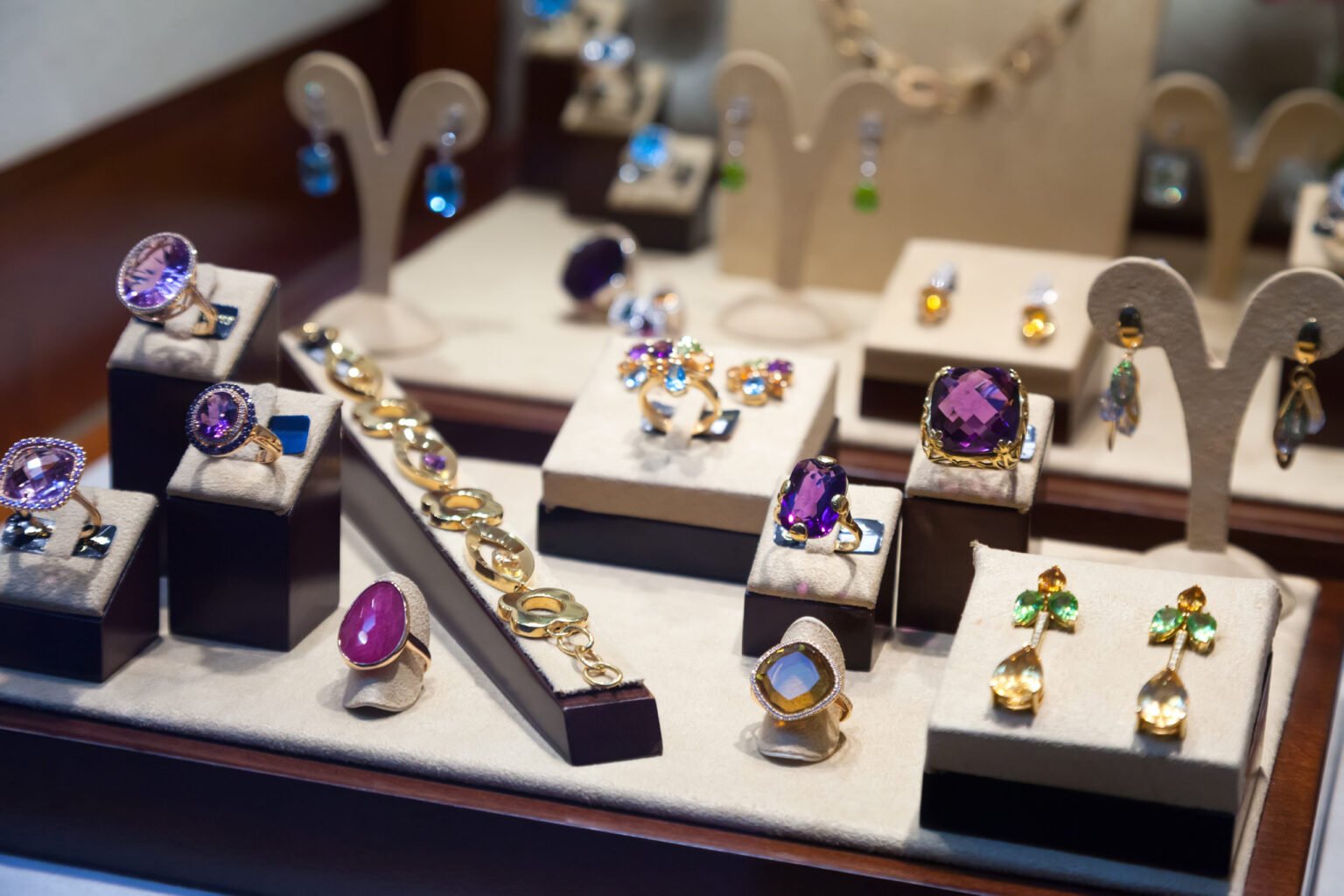
Temperature matters too. Use lukewarm water, never hot. The American Gem Society pearl care guidance supports mild handling, gentle wiping, and avoidance of harsh conditions that can affect both the pearl surface and the stringing materials.
Control moisture before you touch the strand
Often, home cleanings fail for these reasons. Owners hear “soap and water” and treat pearls like hard gemstones. A pearl strand should never be rinsed under a faucet, submerged in a bowl, or left sitting in solution.
Dampen the cloth and wring it out until it feels almost dry. The cloth should transfer a light cleaning film to the pearl surface, not free water into the drill holes and knots.
Keep the necklace flat on the towel the entire time. Cleaning a hanging strand lets moisture travel down the thread path and collect near the knots and clasp area, which is often where deterioration starts first.
How to wipe the pearls safely
Work in short sections with light pressure. A few pearls at a time gives better control and keeps the cloth from dragging residue down the strand.
Use this sequence:
- Lay the necklace flat with the clasp open.
- Mix one drop of mild soap into a small cup of lukewarm water.
- Dampen a microfiber cloth and wring it until barely damp.
- Wipe a short section gently using small circular motions.
- Use a second cloth lightly dampened with plain water to remove any soap film.
- Pat the section dry at once before moving on.
Do not scrub around knots or drill holes. Repeat the pass with the same light moisture level if residue remains. Pressure removes luster faster than dirt.
For mixed-material necklaces, restraint matters even more. A piece such as a Pearl and Diamond Necklace may look sturdy because of the metal and stone accents, but the pearl surfaces still set the cleaning limit.
A workable maintenance schedule for regular wear
Frequent wear causes slow buildup from skin oils, sunscreen, makeup, and humidity. The best preventive instruction is simple. Wipe the strand with a dry or barely damp soft cloth after wear, especially if it was worn against skin for several hours.
For a fuller cleaning, use the mild soap method only when the strand shows residue. That keeps routine care predictable and lowers the chance that an owner will overclean the piece out of habit. In practice, fewer wet cleanings usually mean fewer restringing surprises.
As noted earlier, consumer pearl care guides also support quick wipe-downs and flat drying. One reference is sufficient. Repeating the same source does not improve the handling standard.
Drying determines whether the cleaning was actually safe
A properly cleaned strand can still be damaged in the drying stage. Leave the necklace flat on a dry towel until all surface moisture has dissipated. Do not hang it on a stand, hook, or mirror knob while any moisture remains.
The towel underneath should not become wet. If it does, the cloth was overloaded and the string likely absorbed more water than intended.
| Task | Safe standard | What to avoid |
|---|---|---|
| Surface cleaning | Barely damp microfiber cloth | Soaking, rinsing, or running water |
| Soap use | One drop of mild pH-neutral soap | Harsh jewelry cleaners, vinegar, alcohol |
| Position | Flat on a towel | Vertical cleaning or hanging while damp |
| Drying | Air dry flat | Blow dryers, radiators, direct sun |
What this protocol handles, and what it does not
This method is suited to normal maintenance. It removes ordinary residue, helps preserve luster, and gives owners a repeatable process that does not put the strand under unnecessary stress.
It does not correct loose stringing, worn knots, peeling nacre, damaged drill holes, or corrosion around metal components. Those are service issues, not cleaning issues. From a risk standpoint, that distinction matters. A careful home cleaning preserves value. Trying to clean through structural problems often reduces it.
Cleaning Protocols for Special and Mixed-Material Pieces
Straight pearl strands are the easy jobs. The difficult ones are the pieces clients assume are simple because they “just need a wipe.” A vintage necklace with a silver clasp, a pearl station necklace with diamond links, or a costume piece with coated beads all require a narrower margin of error.

Real-world questions reflect that complexity. User forums show that 20% to 30% of pearl cleaning questions involve non-pearl components like clasps and settings, and that gap often leads owners to damaging workarounds, according to The Pearl Source discussion summary.
A vintage strand with a tarnished clasp
A common intake looks like this. The pearls are acceptable, but the silver clasp is dark and there’s buildup around the hinge. The client wants the whole necklace “brightened.”
The safest approach is isolation. Shield the adjacent pearls and string first. Then work only on the metal component with the least possible product and the smallest possible tool.
- Use a cotton swab or small applicator: Apply metal cleaner only to the clasp surface.
- Keep the strand flat: Don’t let cleaner migrate down the string path.
- Remove residue immediately: Follow with a clean, slightly damp cloth on the metal only.
- Dry before closing the clasp: Moisture trapped near the hinge transfers back to the pearls.
If the decorative head or clasp is intricate, a very soft dry brush can lift loose debris before any damp work begins. That matters on textured pieces where grime compacts into recesses.
Pearl necklaces with diamonds or other accents
Mixed-material necklaces often fool owners into using diamond-safe methods on the entire piece. That’s exactly how nacre gets damaged. A good example is a Pearl and Diamond Necklace, where the diamonds and metal structure may invite more aggressive cleaning than the pearls can tolerate.
Treat the pearls as the limiting factor unless the piece is designed for component separation by a professional. That means:
| Component | Safe handling approach |
|---|---|
| Pearls | Barely damp cloth only |
| Diamond accents | Spot-clean only if you can isolate them |
| Metal links | Use controlled detail cleaning, not broad application |
| Shared settings | Avoid flooding solution into joints and drill areas |
Clean the most fragile material first in your planning, even if it isn’t the dirtiest part of the piece.
For intake and pre-service documentation, a condition image such as this antique jewelry reference view is a useful reminder that age, patina, and prior wear can all affect what “clean” should mean.
Costume pearls and coated surfaces
Costume pieces deserve special restraint. Many imitation pearls are glass or plastic beads with a coating that can lift, haze, or wear through under friction or solvent exposure. The owner may not know the piece is imitation, and the service risk can be higher because the finish is less tolerant than genuine nacre.
A good bench habit is to test a hidden area first with a dry microfiber wipe. If that passes, move to the faintest moisture possible. If the finish shows any drag, color transfer, or surface dulling, stop.
Jewelers add value by saying no to the wrong process. Not every piece needs to be “fully cleaned.” Some only need controlled surface maintenance and honest limits.
Common Cleaning Mistakes That Lead to Damage and Claims
A pearl strand comes back after a routine “cleaning” with dulled luster, a few chalky spots near the drill holes, and thread that now feels stretched. That is how many service disputes start. The client sees damage after handling by a jeweler, appraiser, estate advisor, or collector. The question that follows is simple. Who is paying for the loss in value?
Pearls generate these claims because the wrong cleaning method can change both appearance and structure at the same time. Nacre can lose orient. Silk can weaken. Adhesives at clasps or half-drilled settings can fail. For insured pieces, especially heirloom strands and documented collections, a cleaning error can turn a maintenance job into a valuation dispute. Underwriters associated with the Lloyd's of London market identity care about preventable handling loss for exactly this reason.


The mistakes that create the most trouble
At the bench, the worst errors usually come from treating pearls like diamond or metal inventory.
- Ultrasonic cleaning: The vibration can craze nacre, open existing weaknesses, and stress drilled areas that already have age-related wear.
- Steam cleaning: Heat and pressure are unsafe for an organic gem and can aggravate glue failure in assembled components.
- Ammonia, jewelry dips, or strong detergents: These can dull the surface and leave the owner arguing over whether the necklace “looked brighter before service.”
- Acidic home remedies: Vinegar, lemon juice, and similar DIY shortcuts attack nacre directly.
- Aggressive rubbing with brushes or polishing cloths: Friction removes surface character that cannot be put back.
- Drying a wet strand while hanging: Gravity loads damp silk and can distort spacing, especially on older strands.
The Gemological Institute of America advises gentle care for pearls and warns against ultrasonic cleaners, steam, and harsh chemicals because pearls are vulnerable to heat, acids, and abrasion. That guidance aligns with what jewelers see in real claims. Damage often follows methods that are routine for harder gems but inappropriate for nacre.
Why claims are so hard to defend
Pearl losses are rarely dramatic on the spot. A strand may leave the shop looking acceptable under counter lighting, then show haze, peeling around drill holes, or a changed surface texture in daylight. Hours later, the client notices that the necklace no longer reflects evenly. Days later, the thread may start to relax or discolor.
That timing matters.
A delayed complaint is still a service complaint, and pearl cases are difficult to rebut if intake notes are thin or if the cleaning method was broader than the material allowed. In practice, the strongest defense is conservative process selection, clear documentation, and a refusal to use equipment that introduces avoidable risk.
A good standard is simple. If the method creates uncertainty about nacre, string, or adhesives, it does not belong on a pearl necklace.
When to Recommend Professional Service and Insurance Review
A good jeweler knows when cleaning should stop and service should begin. Pearl necklaces often telegraph that moment clearly. The string yellows. Knots loosen. Pearls bunch in one area and gap in another. The clasp works, but the strand no longer feels stable in the hand.
When those signs appear, more wiping isn’t the answer. The asset needs intervention.
Condition signs that call for service
Recommend professional service when you see structural warning signs such as:
- Frayed or discolored string: This suggests age, contamination, or moisture history.
- Visible spacing between pearls: The strand may have stretched and lost safe tension.
- Loose movement near the clasp: End attachments often fail before the rest of the necklace.
- Uneven wear pattern: The nape section may show heavier buildup and thread fatigue.
- Client reports of prior DIY cleaning: Unknown product exposure raises risk even if damage isn’t yet obvious.
These are service indicators, not selling points. Framing them that way builds trust because the recommendation is tied to preservation, not pressure.
Why documentation matters
High-value pearl pieces deserve a documented intake process. Note visible wear, thread condition, clasp function, and any pre-existing dullness or surface irregularity. If the necklace is accepted for cleaning only, say that clearly. If restringing is recommended and declined, record it.
That discipline helps in three ways. It clarifies the service scope. It protects the jeweler if a latent issue appears later. It also supports valuation and care history when the owner reviews coverage for the piece.
A simple visual record, similar in spirit to this insurer reference mark from Lloyd’s market context, reminds professionals that high-value jewelry isn’t only merchandise or adornment. It’s insured property, and condition handling matters.
The business case for saying no
Some pearl necklaces should not be cleaned in-house beyond the lightest maintenance. That includes fragile vintage strands, pieces with unstable clasps, and necklaces with obvious silk failure. Turning down an aggressive cleaning request is often the strongest risk decision on the bench.
Clients usually accept that judgment when it’s explained plainly. The strand isn’t being denied service. It’s being routed to the correct service, such as restringing, clasp repair, limited conservation, or a more formal condition review.
A restrained recommendation often protects more value than a heroic cleaning attempt.
For jewelers, that’s also reputation management. The safest service is often the one that preserves the necklace’s condition and leaves a clean paper trail.
Frequently Asked Questions on Pearl Preservation
How often should a frequently worn pearl necklace be restrung
Restringing frequency depends on wear habits, storage, cosmetic exposure, and prior cleaning, not a fixed calendar. A strand worn weekly, exposed to perfume or body oils, or stored under tension should be checked sooner than an occasional formal piece. If knots are opening up, silk is darkening, or the strand has lost its shape, recommend restringing before any further cleaning. That protects nacre, reduces breakage risk, and gives the file a clear service record if a loss or damage claim is reviewed later.
What’s the best way to store a pearl necklace
Store pearl necklaces away from harder jewelry in a soft pouch or a lined box. Keep the strand flat or in a gentle curve so the silk is not pulled at the clasp. Pearls also benefit from stable, moderate conditions. Dry safes, hot cars, and crowded travel cases increase the chance of surface dehydration, abrasion, and string fatigue.
Can a client travel with a valuable pearl necklace
Yes, if the packing method matches the value of the piece. Use a soft pouch or a structured jewelry case with its own compartment, and keep the necklace away from chains, bracelets, and loose rings that can scratch nacre in transit. For higher-value strands, advise the owner to confirm policy terms for transit, hotel storage, and unexplained disappearance before departure. Travel losses often become coverage disputes because no one documented condition, packing, or custody before the trip.
Should clients use specialty pearl cleaners
Use caution. Many specialty products are unnecessary for routine care, and some create more risk than benefit if the formula is not clearly intended for pearls, silk, and mixed-material components. Mild soap, limited moisture, a clean microfiber cloth, and full drying remain the safer standard for most maintenance. For a consumer-facing reference, The Complete Freshwater Pearl Jewelry Care Guide is a useful companion read.
Can a dull pearl necklace always be restored
No. Surface film, cosmetics residue, and light grime can often be reduced with careful cleaning. Nacre loss, etching, and older chemical damage cannot be reversed at the bench. Set expectations the same way you would for any insured high-value item. Promise controlled cleaning and condition-based recommendations, not full visual restoration.
If you insure jewelry inventory, operate a repair bench, or manage valuable personal pieces, First Class Insurance can help you review protection for Jewelers Block exposures, high-value collections, and the day-to-day risks that come with cleaning, handling, storing, and transporting fine jewelry.