
Right away, let's clear this up: for anyone in the insurance, retail, or appraisal world, a luxury watch is absolutely considered jewelry. But the real question isn't if it's jewelry, but why that distinction is so critical for protecting your assets.
This single detail separates a simple time-telling gadget from a high-value, insurable treasure—a line that both jewelry store owners and private collectors need to understand perfectly.
The Short Answer Is Yes, but the Details Define Its Value

When you ask if a watch is jewelry, you're hitting on a crucial point for anyone with serious skin in the game. A basic digital watch is a functional tool, sure. But a high-end timepiece—meticulously crafted from precious metals with a complex mechanical heart—is treated as a wearable asset.
It demands the exact same level of respect and protection as any other piece of fine jewelry in your inventory or collection. This isn't just about semantics; it has massive financial and legal consequences. For a jeweler, failing to see this means thinking a portion of your inventory carries less risk than it actually does. That's a dangerous blind spot.
Why This Distinction Is Everything for Insurance
The difference between a "tool" and "jewelry" snaps into sharp focus the moment you look at an insurance policy. Your standard business or homeowner's policy almost always has frustratingly low payout limits for jewelry. This leaves a high-value watch dangerously exposed to theft, damage, or loss.
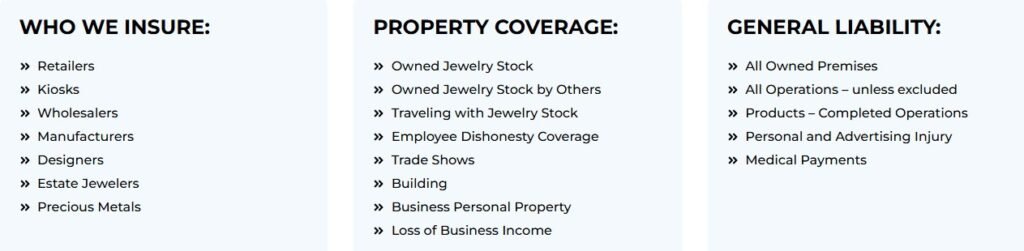
For any insurance for jewelry business, that gap in coverage can be catastrophic. It’s exactly why specialized Jewelers Block insurance exists. This isn't a standard, off-the-shelf policy; it's designed from the ground up to cover the unique, high-stakes risks of a jewelry store's entire inventory—including every valuable timepiece you stock.
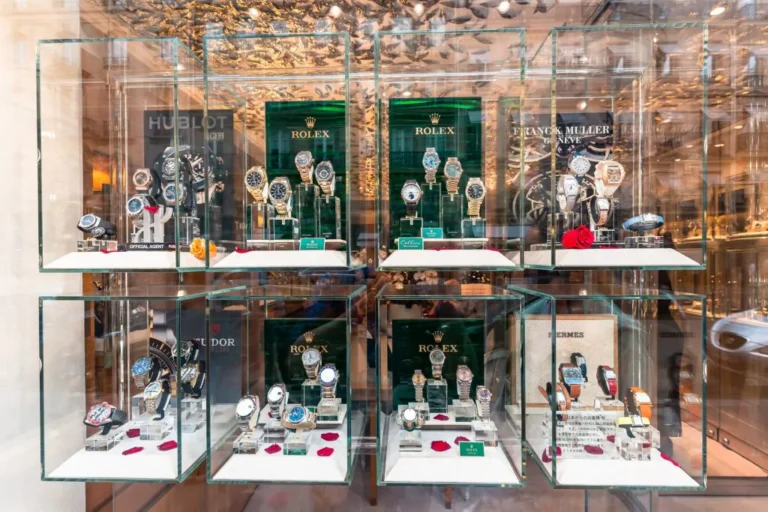
For retailers, viewing watches as just time-tellers is a major oversight. From an insurance standpoint, a Rolex is as much a part of your high-risk inventory as a diamond necklace, and it needs the same robust protection offered by specialized jewelry store insurance.
Comparing a Tool to a Treasure
So, what elevates a watch into the realm of jewelry? It boils down to a few key factors: the materials, the brand's legacy, and the sheer artistry of its craftsmanship. A stainless steel watch tells time, but a platinum Patek Philippe adorned with diamonds tells a story of heritage, value, and art.
To really see the divide, you just have to compare the core characteristics side-by-side.
A Functional Tool vs a Wearable Asset
| Attribute | Functional Timepiece (Tool) | Luxury Timepiece (Jewelry) |
|---|---|---|
| Primary Purpose | To accurately tell time and provide basic functions. | To serve as a statement of style, status, and craftsmanship. |
| Materials | Plastic, stainless steel, rubber, and base metals. | 18k gold, platinum, titanium, diamonds, and sapphires. |
| Value & Appreciation | Depreciates over time and has low resale value. | Often retains or increases in value, viewed as an investment. |
| Insurance Needs | Typically covered under standard property policies. | Requires specialized insurance, like a Jewelers Block policy. |
This elevation from tool to treasure is precisely what makes a dedicated insurance approach so essential.
For jewelry business owners, trying to get by without the right protection is a gamble you can't afford to lose. A policy like Jewelers Block, offered by a specialist like First Class Insurance Jewelers Block Agency, is designed to ensure all your high-value assets, from loose stones to luxury watches, are properly secured.
How Timepieces Evolved into Wearable Treasures
To answer the question, "is a watch considered jewelry?" you can't just look at what's in a modern display case. You have to go back—way back. The real story starts in 16th-century Europe, long before anyone strapped a clock to their wrist. The first portable timepieces weren't tools; they were magnificent, spring-driven pendants worn by the ultra-wealthy.
From the very beginning, these devices were inseparable from the jeweler's art. They were crafted from precious metals and designed to be flaunted, admired, and used as a clear signal of social rank. Telling time was almost an afterthought. Their main job was to be decorative treasures, setting a precedent that still shapes the luxury watch market today.
The Jewel in the Movement
That connection between watches and jewelry became even more tangible in the 1700s. Brilliant watchmakers like Nicolas Fatio de Duillier and the Debaufre brothers started setting jewels—real rubies and diamonds—right into the watch’s mechanical guts. The purpose was actually practical: these hard gemstones dramatically reduced friction on moving metal parts, which meant a more accurate and durable timepiece.
But it didn't stay just a practical upgrade for long. A "jeweled" movement quickly became a public symbol of superior craftsmanship and expense.
This practice was more than just an engineering upgrade; it was a declaration of value. Just as hallmarks on gold and silver certified metal purity, the number of jewels in a watch movement became a shorthand for its quality, complexity, and by extension, its cost.
This evolution cemented the link between watchmaking and fine jewelry. The tradition that began with those portable clocks in the 1500s was locked in place by the use of functional jewels in the 1700s. By the 20th century, synthetic jewels made the feature more common, but the hierarchy remained. A high-quality mechanical watch often features 17 to 25 jewels, while highly complex models can easily exceed 30.
From Pendants to Prestige Pieces
You can see this legacy alive and well in the heritage brands that define luxury. A modern Patek Philippe or Vacheron Constantin isn't just for telling time—it's the direct descendant of those first ornate pendants. It’s wearable art, packing centuries of history, invention, and artistry into one object.
- Materials: They still rely on precious metals like gold and platinum.
- Craftsmanship: The impossibly intricate movements are a monument to human skill.
- Adornment: Many models go a step further with diamond bezels and gemstone markers, completely erasing the line between timepiece and jewelry.
Understanding this journey from a noble’s accessory to a modern masterpiece is key. It explains exactly why a luxury watch is viewed as a significant asset, not just a gadget. It’s a piece of history on your wrist, and it demands the same specialized protection as any other treasure.
You can see stunning examples of these modern wearable treasures for yourself. This deep-rooted value is precisely why standard insurance just doesn't cut it, making specialized coverage an absolute necessity.
The Four Pillars That Define a Watch as Jewelry

When does a simple timepiece become something more? There’s a fuzzy line where a watch stops being just a tool for telling time and crosses over into the world of fine jewelry. This isn't just a matter of opinion—it’s a practical framework that appraisers, insurers, and jewelers rely on every single day.
For a jewelry business, knowing where this line is drawn is everything. It shapes how you value your inventory and manage your risk. For a watch owner, it’s the key to understanding why some pieces are true appreciating assets that need the same care and protection as any other treasure in your collection.
Pillar 1: Precious Materials
The easiest factor to spot is what the watch is made of. When a timepiece is forged from 18k gold, platinum, or another precious metal and set with diamonds or other gems, it’s no longer just a watch. It’s jewelry. Period.
These materials aren't chosen for function alone; they're chosen for their rarity, their inherent beauty, and their intrinsic value.
Think of it this way: a brand might offer a stainless steel sport watch and a solid gold version of the exact same model. The steel one is a durable, functional instrument. But the gold one, especially with a diamond bezel, is a wearable asset and a statement of luxury. It’s instantly classified as jewelry, and the right insurance for a jewelry business has to account for that dramatic jump in value.
Pillar 2: Brand Heritage and Prestige
Some names just carry more weight. Brands like Patek Philippe, Audemars Piguet, and Rolex have built their reputations over a century or more, creating a legacy of unmatched craftsmanship, innovation, and exclusivity. That heritage is a real, tangible asset.
Owning a timepiece from one of these legendary houses is like owning a piece of art or history. The brand name itself is a guarantee of quality and a symbol of status that elevates the watch far beyond its mechanical parts. This prestige is a huge part of why the answer to is a watch considered jewelry is so often "yes."
A watch from a heritage brand is more than a device; it's a membership card to an exclusive club. Its value is tied not just to its parts but to its story, its rarity, and the decades of master craftsmanship the name represents.
Pillar 3: Intricate Craftsmanship and Complications
Next, you have to look inside the case. A standard quartz movement is practical and efficient, but a complex mechanical movement—with its hand-finished gears and sophisticated "complications"—is pure artistry. Complications are any functions beyond just telling hours and minutes, such as:
- Chronographs for timing events
- Perpetual Calendars that automatically adjust for leap years
- Tourbillons, a spinning cage designed to counteract gravity's effect on accuracy
These remarkable features demand hundreds of hours of focused, skilled labor to design and assemble. For anyone running a jewelry store, insurance must recognize that the replacement cost for this level of human artistry can soar far beyond the value of the raw materials alone.
Pillar 4: Aesthetic Dominance
The final pillar comes down to a simple question: what is the watch’s primary job? When a timepiece's design, beauty, and role as a status symbol completely overshadow its ability to tell time, it has firmly crossed into the jewelry category.
It’s worn to be seen, to signal a certain taste, and to complete a look.
A great example is a classic Cartier Tank or a gem-encrusted Audemars Piguet Royal Oak. While they keep perfect time, no one buys them just for that. They're chosen for their iconic design and aesthetic power. This is what we call aesthetic dominance, and it solidifies their place as high-value jewelry that demands specialized coverage like Jewelers Block insurance.
Why the Market Treats Watches and Jewelry as One
Walk down the luxury aisle of any major department store or browse the top industry reports, and you’ll notice something immediately. The line separating a high-end watch from a diamond necklace has all but disappeared. From a business standpoint, they aren’t just similar; they are treated as a single, unified category.
For a jewelry store owner, this isn't just a fascinating trend. It’s a critical business reality. The high-value timepieces sitting in your display case carry the exact same risks as your finest gold and gemstones. Seeing them as separate is a blind spot that can leave your business wide open to devastating losses.
A Unified Economic Identity
The clearest proof of this merger is right there in the market data. Global analysts and financial forecasters don't bother separating the two. The "Watches & Jewelry" sector is almost always analyzed as one entity because its economic heartbeat—from supply chains to consumer habits—beats in perfect sync.
This isn’t just a convenient grouping. Both product lines speak to the same luxury buyer, are sold in nearly identical high-end shops, and often pass through the same wholesale channels. You can't really understand the economics of one without the other. For any jewelry store insurance provider, this shared identity is the starting point for assessing risk.
Market projections hammer this point home. The combined global Jewelry and Watches market was valued at USD 460 billion in 2025 and is on track to hit USD 590 billion by 2033. That steady climb, projected at a compound annual growth rate (CAGR) of about 3.2%, shows just how tightly their fortunes are tied.
Official Classifications Cement the Connection
This isn't just a market trend; it's baked into official industry classifications. In the U.S., for instance, wholesalers dealing in these goods all fall under a single umbrella: North American Industry Classification System (NAICS) code 423940 for Jewelry, Watch, Precious Stone, and Precious Metal Merchant Wholesalers.
That one code covers the entire inventory, from loose diamonds to luxury timepieces. It’s a powerful signal to anyone providing insurance for a jewelry business: regulators and industry bodies don’t see a meaningful difference in the risks involved.
The NAICS classification isn't just bureaucratic paperwork; it's a reflection of how the industry actually works. It confirms that from a wholesale and supply chain perspective, a watch is fundamentally part of the jewelry world, sharing its vulnerabilities and needing the same specialized shield.
The growth numbers for this exact segment tell the rest of the story. The U.S. jewelry and watch wholesaling industry expanded at a 5.8% CAGR between 2021 and 2026, showing a healthy, deeply integrated market. It proves that every watch in your inventory is just as vital an asset as the antique jewelry in the next showcase.
The Insurance Imperative for Retailers
For a jewelry store owner, this all boils down to one critical takeaway: your watch inventory demands the same specialized protection as your traditional jewelry. Trying to cover it with a standard business policy is like using a bicycle lock to secure a bank vault. Those policies are riddled with low limits and crippling exclusions for high-value items.
This is precisely why Jewelers Block insurance exists. It’s a specialized policy designed from the ground up to cover the unique and varied risks that come with a jeweler’s complete stock. This includes coverage for:
- Theft: Protection against burglary, smash-and-grabs, and robbery.
- Mysterious Disappearance: Coverage for those unnerving, unexplained losses.
- Damage: Protection against accidental harm to your stock, whether on display or in the safe.
- Transit: Security for items being shipped to customers or transported between locations.
A solid Jewelers Block policy is built on the core understanding that your watch collection is an integral part of your high-value inventory. It leaves no gaps, giving you the security to focus on what you do best—running your business.
Protecting Your Assets with Specialized Insurance
Realizing your luxury watch is actually jewelry is the first step. The second, and frankly more important, is making sure it's properly protected. Trying to rely on a standard homeowner's or business insurance policy for a high-value timepiece is a huge financial gamble.
These generic policies are notoriously weak, often capping jewelry coverage at a shockingly low limit—sometimes as little as $1,500. Worse, they’re riddled with frustrating loopholes and exclusions for common risks, like a watch simply disappearing.
Jewelers Block Insurance for Businesses
For any business that deals in fine watches, the only real answer is Jewelers Block insurance. This isn't some cheap add-on; it's a specialized policy built from the ground up to handle the unique and massive risks that jewelry stores face every day. It goes far beyond what a generic commercial policy could ever do, wrapping your entire operation in a shield of protection.
A solid Jewelers Block policy is the gold standard of insurance for a jewelry store. It's designed to protect every valuable part of your business, including:
- Your full inventory, which covers not just loose stones and finished pieces but, crucially, your entire stock of luxury watches.
- Property in transit, securing items whether you're shipping to a customer or just moving inventory between locations.
- Items off-premises, like pieces you take to a trade show or send out for an expert appraisal.
- Customer property, covering the watches and jewelry left in your care for repairs or consignment. This is absolutely vital for building and keeping client trust.
Scheduling High-Value Watches for Collectors
If you're a private owner or collector, the solution is to "schedule" your watch. This means adding it as a specific item to your high-value homeowner's policy or putting it on its own personal articles floater. The process involves listing the watch individually with its full appraised value, ensuring it’s covered for what it's actually worth.
Many high-end watches are sold right alongside other fine pieces in establishments like a dedicated Dallas Jewelry Store. This market reality just reinforces why they need the same level of specialized coverage. Without scheduling, your treasured Rolex or Omega is just lumped in with your other personal belongings, leaving you dangerously underinsured if it’s ever lost or stolen.
A standard homeowner's policy might see a watch as "personal property," but it will never treat it like the significant asset it is. Scheduling is the only way to elevate its protection to match its value, ensuring you receive its full replacement cost—not just a token payout.
This decision tree helps visualize when a watch truly crosses the line into being considered jewelry for both market and insurance purposes.

As the chart shows, once a timepiece qualifies as jewelry, it demands the same serious level of asset protection.
Why Specialist Providers Matter
Whether you need insurance for a jewelry business or just personal coverage for a collection, going to a specialist is non-negotiable. An agency that lives and breathes high-value assets understands this world. They work with underwriters who know that a vintage Patek Philippe isn't just a watch; it's a complex asset with a market value that can shift dramatically.
These experts can craft a policy that addresses your real-world risks, from securing a retail store's inventory to protecting a single piece you wear daily. They connect businesses with policies backed by powerful, reputable underwriters—you can learn more about the importance of strong partners like those at Lloyd's of London. The message is simple: if your watch is valuable enough to be considered jewelry, it needs protection that only a specialist can provide.

Best Practices for Valuation and Documentation

Your insurance protection is only as strong as the paperwork backing it up. For both jewelry businesses and private collectors, treating your high-value timepieces like the assets they are means creating an undeniable record of their worth. This isn’t just about ticking boxes; it’s the foundation for a smooth claims process and the heart of smart risk management.
Without solid valuation and documentation, you're essentially asking an insurer to take your word for it—a dangerous gamble when thousands of dollars are on the line. Getting this right proves your watch’s value long before a loss ever happens, making sure you get the full compensation you’re owed.
The Critical Role of Professional Appraisals
The cornerstone of all your documentation is a professional appraisal. This formal report, prepared by a certified gemologist or horologist, is what officially establishes the replacement value of your watch for insurance. Frankly, it’s the single most important document you can have.
For a private collector, an appraisal is what allows you to schedule a watch on your policy for its true market value. For a jewelry business, regular appraisals on high-value or consignment pieces are crucial for keeping your Jewelers Block insurance coverage accurate. It’s the definitive answer to the question, "What is this watch actually worth?"
Documentation Best Practices for Everyone
Whether you own a single family heirloom or an entire store's inventory, a few simple documentation habits can save you massive headaches down the road. These practices create a robust paper trail that makes any potential insurance claim infinitely simpler.
Here’s what you need to do:
- Keep Original Box and Papers: The original box, warranty card, and sales receipt are non-negotiable. They not only prove authenticity and provenance but can dramatically increase a watch's resale and replacement value.
- Maintain a High-Quality Photo Inventory: Take clear, well-lit photos of your watches from multiple angles. Capture the caseback, dial, and any unique markings or serial numbers, then store these images securely in the cloud.
- Update Appraisals Regularly: The luxury watch market moves fast. We recommend getting your high-value pieces reappraised every 2-3 years to ensure your coverage keeps pace with market fluctuations.
A complete set of documents—appraisal, original papers, and detailed photos—acts as your watch's biography. It tells the story of its value, authenticity, and ownership, leaving no room for dispute during a claim.
This proactive approach transforms your collection from a series of beautiful objects into a well-documented portfolio of assets. For owners of a jewelry business, insurance becomes far more effective when backed by this level of detail. By organizing your records, you aren’t just preparing for a potential loss; you’re actively managing your assets and protecting your financial security.
Frequently Asked Questions About Watches and Jewelry
When it comes to insuring watches, the line between a personal accessory and a piece of fine jewelry can get blurry. We see these questions all the time from collectors and jewelers alike. Here are some straightforward answers to the most common sticking points.
For more general questions, you can also find a great resource in this dedicated list of Frequently Asked Questions (FAQs).
Is a Smartwatch Considered Jewelry for Insurance?
This is a modern twist on an old question. While a few luxury smartwatches are decked out in gold or diamonds, the overwhelming majority are considered consumer electronics, not jewelry.
Their value is tied to their tech and software, not the preciousness of their materials. Because of this, a standard jewelry policy won't cover them; they belong under the electronics limit on your homeowner's or renter's policy.
Do I Need a Separate Policy for My Watch Collection?
The answer almost always comes down to value. Your standard homeowner's policy is notoriously stingy when it comes to jewelry, often capping coverage at just $1,500 to $2,500 for all your pieces combined.
Even a single luxury watch can easily blow past that limit. If your collection's value exceeds that cap, you absolutely need dedicated coverage. This usually means scheduling each timepiece on a personal articles floater or getting a standalone collection policy to ensure you're covered for their full worth.
Think of it this way: a standard policy offers a safety net with large holes. If the value of your watches can fall through those holes, it's time to upgrade to specialized coverage that properly accounts for their full worth.
How Does My Jewelry Store Insurance Cover a Customer's Watch?
This is where a critical piece of Jewelers Block insurance becomes your most important safeguard: Bailee's coverage.
When a customer entrusts their watch to you for a repair, appraisal, or cleaning, you are legally responsible for it. Bailee's coverage is a standard feature in any good insurance for a jewelry store policy and protects you if that customer's property is lost, stolen, or damaged while in your care. Without it, you’re risking not only a major financial loss but your business’s reputation.
How Often Should I Get My Luxury Watches Reappraised?
The market for luxury watches moves fast, especially for popular vintage models and limited editions. To make sure your insurance coverage actually reflects what your watch is worth today, you need to get your high-value pieces professionally reappraised every 2-3 years.
Relying on an old appraisal means you are almost certainly underinsured. If you have to file a claim, you could face a huge gap between what your insurance pays out and what it costs to replace the watch. Regular appraisals are just smart, responsible asset management.
Protecting your valuable watch and jewelry inventory is not just a good idea—it's essential for your financial security. At First Class Insurance Jewelers Block Agency, we specialize in building the right protection for your unique needs. Get a Quote for Jewelers Block today and secure your peace of mind.