
A client walks in for a wedding band and leaves asking about a chain, a signet ring, and whether you can source a custom pendant before year-end. That is a sales opportunity, but it is also an inventory and risk decision. Men's jewelry has expanded well beyond watches and bands, and stores that still treat the category as an afterthought miss margin, repeat business, and a chance to deepen relationships with collectors.
The opportunity is broad enough to matter on the buying side and the merchandising side. Men are shopping for daily wear, gifts, status pieces, and heirloom-grade items they can rotate with watches, leather goods, and refined clothing. If you need a consumer-facing reference point for that behavior, see our guide on men's watches. In-store, the pattern is straightforward. Buyers often start with one familiar item, then expand once the assortment feels credible and the sales staff can explain fit, metal, maintenance, and resale considerations.
For jewelers, a strong men's program is not just about trend coverage. It is about choosing categories that turn well, display well, and can be documented properly for claims, transit, and memo exposure. A heavy gold chain carries different theft and pricing risk than a custom sapphire ring. A branded bracelet creates different authentication and chargeback issues than a plain cuff link set. High-net-worth clients notice those differences quickly, especially when they are building a collection instead of making a one-off purchase.
Presentation matters too. A clean men's watch display example can set the tone for the entire category by signaling quality, order, and price confidence.

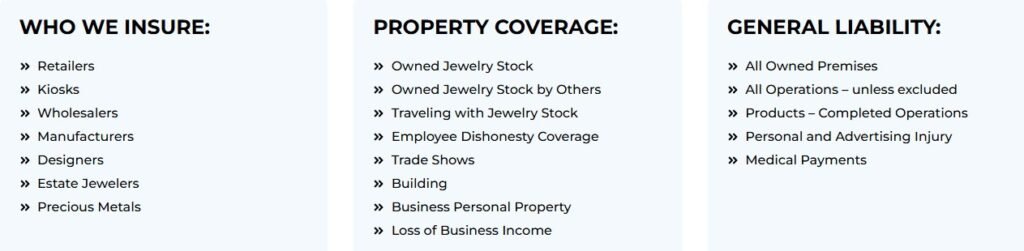
The best jewelry ideas for men need to do two jobs at once. They need to feel wearable and desirable to the client, and they need to make operational sense for the jeweler stocking them. That includes margin discipline, vendor selection, service expectations, and the insurance question many stores address too late. As the category expands into higher-ticket watches, chains, gemstone rings, and custom work, specialized Jewelers Block coverage becomes part of the merchandising strategy, not just a back-office formality.
1. Luxury Watches and Timepieces
A men's jewelry program usually expands through watches first, and for good reason. Watches already have built-in legitimacy with male clients. A buyer who won't touch a gemstone bracelet may still spend decisively on a Rolex Submariner, Omega Speedmaster, Cartier Santos, or Patek Philippe Aquanaut because the product feels useful, collectible, and socially easy to wear.
The category also carries weight at the market level. One men's jewelry analysis says watches hold the largest share in the category. For a jeweler, that means watches aren't a sidecar to men's jewelry. They're often the anchor that gives the rest of the assortment credibility.
A good visual helps clients connect the category to lifestyle and status. See this luxury watch display example.
What sells and what creates headaches
Watches sell best when the story is clear. Heritage, movement, service history, and condition move inventory. Confusion kills momentum. If a sales associate can't explain the difference between a current production piece and an older reference with replacement parts, the buyer feels risk immediately.
The trade-off is obvious. Watches can be among the easiest men's pieces to justify and among the easiest to steal, swap, misdescribe, or dispute later.
Practical rule: If a watch would hurt to replace, document it before it hits the case, not after a claim.
Use a tighter control standard than you use for lower-ticket fashion goods:
- Record serial details: Keep serial numbers, movement details, model references, and dated condition photos.
- Track service history: Store invoices and service records with the inventory file, especially for vintage or pre-owned pieces.
- Separate display from storage: Don't leave your full watch inventory in one showcase at closing.
- Review collection exposure: A single tray of premium watches can concentrate risk fast.
Later in the sales process, detailed education matters. A first-time luxury watch buyer often needs a slower conversation than an experienced collector. If you want category language that's more client-facing, this guide on men's watches is useful as a style reference.
For retailers, watches also create a strong cross-sell path into chains, bracelets, and rings. Once a man is comfortable wearing one visible piece of luxury, the second piece becomes much easier to sell.
A short overview video can support that conversation in digital merchandising:
2. Gold and Precious Metal Chains and Necklaces
If you want one of the safest entry points in jewelry ideas for men, start with chains. A clean box chain, rope chain, Figaro, or Cuban link gives buyers flexibility without forcing a big style leap. Men who say they “don't really wear jewelry” will still consider a chain if it sits flat, layers well, and doesn't feel costume-like.
That matters because a 2024 style survey found nearly 3 in 4 men planned to wear minimalist jewelry, and men planned to spend an average of USD 610 on jewelry in 2024, with average spend per purchase at USD 443. For a jeweler, the lesson is straightforward. Start the men's case with clean, low-friction pieces before pushing ornate designs.

Why chains convert better than many trend pieces
Chains solve several selling problems at once. They work as self-purchase, gift purchase, layering base, and pendant platform. They also scale up or down cleanly. A discreet 14K chain and a heavy Cuban link aren't the same customer, but they belong in the same category story.
What usually doesn't work is stocking too much “almost bold” inventory. Pieces that are neither subtle nor clearly statement-driven often sit. Men tend to buy decisively at the ends of the spectrum. Understated daily wear, or a clearly intentional piece.
For higher-value chains, presentation and records matter just as much as style.
- Document metal specifics: Keep records of purity, weight, and any identifying hallmarks.
- Store separately: Chains scratch and knot easily, especially when staff rush case resets.
- Photograph distinctive patterns: Byzantine, Cuban, and custom links should be photographed close enough to show construction.
- Update replacement values: Metal value shifts, but labor and design premiums matter too.
A chain buyer often graduates into estate, vintage, or collectible metal pieces. That makes adjacent categories worth surfacing during the sale, including antique jewelry inventory considerations.

For high-net-worth clients, chains also offer a simple collecting logic. They can buy by metal, link style, maker, or occasion. That's easier to manage than trying to build a men's jewelry wardrobe around highly expressive one-off pieces.
3. Statement Rings
A client tries on a signet ring at noon, wears it out of the store, and comes back six months later asking for a second piece from the same maker. That is why statement rings deserve real case space. They create identity fast, they photograph well, and they often convert a cautious male buyer into a repeat buyer.
Rings also give jewelers better merchandising range than many men's categories. A signet can serve as a family piece, a quiet status marker, or a gift with engraving value. A designer ring reaches the client who wants recognizable authorship. A cocktail ring or stone-set piece works for the buyer who already owns watches and chains and wants a stronger focal point.

The right ring earns repeat wear
Men usually buy statement rings with a specific use case in mind. Daily signets for office wear. Designer rings for evenings and travel. Stone-set rings for formal use, collecting, or visible wealth signaling. Inventory should reflect those lanes clearly, because rings that sit in the middle often stall. They feel too bold for daily wear and too restrained for a true statement purchase.
Profile matters more than many sales teams admit. A ring can look strong in the case and fail in real life if it catches a pocket, bangs a desk, or feels top-heavy on the hand. High-net-worth buyers notice that immediately. They also notice finishing quality on edges, under-gallery comfort, and whether the ring looks intentional under a shirt cuff.
One strong ring often outperforms three mediocre ones in both wear frequency and client satisfaction.
That has direct implications for buying and risk control. Jewelers should review statement rings with the same discipline used for bridal and high-ticket fashion pieces. Check comfort, shoulder thickness, setting security, engraving potential, and realistic resize limits before the ring ever reaches the case.
- Document the structure: Record metal type, gram weight, shank thickness, hallmarks, and any maker signatures.
- Photograph the full build: Top view is not enough. Keep images of the side profile, underside, shoulders, and inside markings for claims and resale support.
- Resize with restraint: Large changes can throw off symmetry, loosen settings, and weaken patterned shanks.
- Separate stone records: Keep grading reports, appraisals, and purchase documentation out of the ring box and tied to the SKU file.
- Flag designer attribution: Signed pieces and limited-production models can carry replacement costs far above raw metal and stone value.
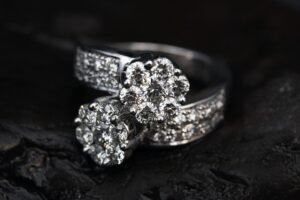
For diamond-heavy and precious-metal rings, detailed visual records matter. This documented fine ring example for insurance files shows the level of imagery worth keeping for Jewelers Block underwriting, claims support, and private client collection records.
4. Bracelets and Cuff Links
A client who has never worn jewelry will often accept a bracelet long before he agrees to a chain or a ring. A private banker buying gifts for top clients will often choose cuff links for the same reason. Both categories feel controlled, giftable, and easy to place into an existing wardrobe.
That makes them useful inventory for jewelers, but they should not be bought casually. Bracelets can turn quickly, especially in precious metal and mixed-material designs, yet they also produce avoidable service issues if clasp quality, fit range, and repairability are weak. Cuff links move more selectively, with stronger demand around weddings, black-tie events, and executive gifting, so the buy has to stay disciplined.
Bracelets tend to win with men who already wear a watch. The transition is easy. A slim gold link bracelet, a clean cable profile, or a restrained leather-and-metal piece adds presence without asking the buyer to change how he dresses. That also makes bracelets a practical entry category for stores that want men's jewelry volume without tying up too much capital in high-fashion risk.
Cuff links serve a different role. They are less about daily rotation and more about occasion, status, and presentation. For high-net-worth buyers, a well-made pair in gold, platinum, enamel, or stone-set form can function like a small collectible. For jewelers, that means merchandising should reflect use case rather than treating cuff links as leftover formal accessories.
What works in the case and in the stock file:
- Group bracelets near watches: Clients judge wrist balance in real time, and pairing the categories helps close add-on sales.
- Buy clasps as seriously as design: Box clasps, lobster clasps, and safety locks fail more often than clients expect. Returns and loss claims often start there.
- Control size exposure: Bracelets with flexible fit options are easier to sell than rigid SKUs that only work on one wrist size.
- Merchandise cuff links by occasion: Wedding, boardroom, and collector styles should not be mixed into one generic tray.
- Keep packaging and maker documentation: Signed cuff links and branded bracelets can carry replacement values above material cost alone.
Insurance deserves attention here because loss patterns differ from rings and pendants. Bracelets are exposed to clasp failure, accidental drops, and travel-related disappearance. Cuff links are small, easy to misplace, and often separated from their original boxes after purchase. For jewelers, Jewelers Block coverage should reflect those handling risks, especially for diamond-set bracelets, heavy gold links, and signed formal accessories. Private clients should keep photos, invoices, metal details, and any brand paperwork attached to the piece record, not tucked into a drawer and forgotten.
The common buying mistake is novelty-heavy inventory. Men usually keep reaching for wristwear and formal pieces that integrate cleanly with a watch, a suit, or a dress shirt. Inventory that needs too much explanation usually sits.
5. Pendant Necklaces with Precious Stones and Medallions
A client tries on a diamond cross at noon, then asks the question that decides whether the sale holds up: can he wear it every day, or does it belong in the safe except for dinners and family events? Pendant necklaces sell on meaning, but they stay sold only when the mechanics are right.
Crosses, saint medals, initials, zodiac symbols, family crests, and gem-set medallions give this category a clear advantage over plain chains. The buyer usually arrives with a reason. That matters to jewelers because emotionally anchored purchases are less exposed to short trend cycles and often lead to custom work, gifting, and future upgrades.

Pendants also perform better in person than online-only assortments. Buyers want to check drop length, chest placement, how the piece sits over a T-shirt or open collar, and whether the pendant reads discreet or ceremonial. For store owners, that makes this category useful for appointment selling and higher-margin chain upgrades.
The technical side decides profit. A pendant is a system made up of the stone setting, bail, chain, clasp, and the wearer's habits. If one part is underspecified, the client may return with a broken chain, a bent bail, or a lost stone. Those failures are expensive because they create repair cost, insurance friction, and credibility damage at the same time.
A diamond solitaire on a fine chain suits one client. A heavy gold medallion for daily wear needs thicker links, a bail with real clearance, and a frank discussion about gym use, travel, and sleeping in the piece. If the pendant flips, snags knitwear, or pulls the chain off-center, it becomes drawer jewelry.
The pendant may get the attention, but the chain and bail determine whether the piece survives regular wear.
What usually works best in this category:
- Sell the chain and pendant as a matched unit: Weight, link style, and clasp security should be chosen together, not as separate afterthoughts.
- Check bail geometry before the piece goes out: Tight or decorative bails can chew through chains faster than clients expect.
- Guide by wardrobe and neckline: A medallion that works over knitwear may disappear under a dress shirt or sit too high on a broad chest.
- Document custom and signed pieces carefully: Engravings, maker marks, gemstone details, and replacement photos support valuation later.
- Separate storage matters: Stone-set pendants and engraved medallions can scratch chains, especially softer gold links.
For high-net-worth buyers, pendants often mark births, inheritance, faith, anniversaries, and family identity. For jewelers, that makes them commercially dependable, but also risk-heavy. Jewelers Block coverage should reflect loose-stone exposure, chain failure, damage during handling, and the higher replacement complexity of custom medallions or signed pieces. Private clients should keep invoices, appraisals, photos, inscriptions, and metal specifications tied to the piece record while those details are still easy to verify.
6. Rings with Colored Gemstones and Alternative Metals
This is the category that separates a basic men's assortment from a considered one. Colored gemstone rings and alternative metals give clients a way to move beyond default yellow gold or plain silver without jumping straight to high-theater jewelry.
Sapphires, rubies, emeralds, black diamonds, tourmaline, platinum, titanium, and tungsten all bring different trade-offs. Some offer stronger color identity. Some offer abrasion resistance. Some are easy to resize and repair. Some are not. If a jeweler doesn't explain those trade-offs clearly, the piece may sell once and come back as a problem later.
Durability matters more here than in trend-driven categories
A man choosing a sapphire ring in platinum for daily use has different needs from someone buying a tungsten ring for occasional wear. The first buyer may care about long-term maintenance and heirloom quality. The second may care more about scratch resistance and modern appearance.
This category also connects with broader design shifts. A 2025 trend roundup says mixed metals are “rewriting the style playbook,” and geometric designs are becoming more prominent. That opens the door for white gold with yellow accents, platinum with angular forms, or colored stone rings that feel architectural instead of traditional.
What usually works best:
- Guide by lifestyle: Desk work, lifting, travel, and glove use all affect ring choice.
- Explain repair limits: Some alternative metals don't behave like gold or platinum in the workshop.
- Use geometry well: Strong lines and restrained color often read modern without looking forced.
- Keep expectations realistic: A beautiful softer stone still needs a careful wearer.
For HNW buyers, colored gemstone men's rings can become signature pieces. For retailers, they're also excellent differentiation inventory because they don't have to compete head-to-head with every standard wedding band vendor.
7. Luxury Brand Accessories
A client walks in asking for a Cartier Love bracelet, a Hermès cuff, or a Rolex-adjacent branded accessory to complete a watch and tailoring wardrobe. The sale can look easy because the brand already did much of the marketing. The harder part is the work behind the counter. You have to confirm authenticity, check condition, account for missing components, and decide whether the piece belongs in new, estate, memo, or pre-owned inventory.
Brand recognition shortens the sales cycle. It also raises the standard for intake. A generic gold bracelet can sometimes survive a thin file. A branded piece usually cannot, especially if the buyer is discerning, comparing secondary-market listings, or thinking about resale and estate value from day one.
Brand premium depends on documentation
A branded accessory without box, papers, serial references, service history, or clear maker marks may still move, but the discount usually shows up somewhere. It may show up in the offer you make, the objection you hear at the case, or the dispute that follows a claim. For jewelers, that affects margin quality as much as sell-through.
I use a tighter intake checklist for branded goods than for unbranded precious metal inventory. Original packaging matters. Receipts matter. Authorized service records matter. Good photography matters. So does a record that ties all of it to a specific SKU and condition grade.
This category creates a concentration problem. A small tray of branded men's accessories can hold a disproportionate amount of value while taking up very little space. That helps merchandising. It also increases theft exposure, custody risk on memo, and claim friction if your records are incomplete.
Buy the paperwork as seriously as you buy the piece.
For HNW buyers, luxury brand accessories work because they are legible. They pair easily with watches, suiting, and existing jewelry, and they carry social recognition without requiring explanation. For retailers, they can widen the men's assortment fast, but only if pricing discipline is strong. Overpay on intake, skip provenance checks, or ignore service history, and the logo stops protecting your margin.
From an insurance standpoint, this category deserves special attention under Jewelers Block coverage because losses often turn on documentation, valuation basis, and whether the item was owned stock, consigned, memoed, or customer property in your care. If you plan to stock branded accessories as a serious men's category, treat authentication files, intake controls, and coverage reviews as part of the merchandising strategy, not back-office cleanup.
8. Personalized and Custom-Made Fine Jewelry
Custom work is where margins, emotion, and risk all rise together. Family crest signet rings, engraved pendants, bespoke wedding pieces, commemorative bracelets, and one-off gemstone rings can create the strongest client relationships in a men's jewelry program. They can also create the most confusion if the jeweler doesn't document the process properly.
This category is especially important for men who don't already wear jewelry. A 2025 guide on buying for non-wearers says the safest first gift is “one clean chain or one slim bracelet,” and notes that “the more ‘special' a first piece looks, the less likely it gets worn”. That insight applies to custom work too. The best custom men's jewelry isn't automatically the most elaborate. It's the piece the client will integrate into daily life.
Custom value depends on documentation
A custom ring with a family seal, a private engraving, or a distinctive stone layout may be irreplaceable in practical terms even if a replacement can be fabricated. That's why vague invoices are a mistake. “Custom ring” is not a usable description for insurance, resale, or estate planning.
Keep a complete file:
- Save design history: Sketches, CAD renders, approval emails, and change notes all matter.
- List materials precisely: Metal type, stone details, measurements, and artisan labor should be documented.
- Photograph milestones: Casting, setting, engraving, and final delivery images can all support future claims.
- Maintain maker continuity: If repairs are likely, keep the original bench or studio relationship active.
For wealthy clients, custom men's jewelry often carries the greatest emotional value in the collection. For jewelers, it also creates a stronger service moat. Once a man trusts you with a custom signet, crest pendant, or anniversary piece, he's far less likely to treat you as a one-time seller.
8-Item Comparison: Mens Jewelry Ideas
| Item | 🔄 Implementation complexity | ⚡ Resource requirements | 📊 Expected outcomes | 💡 Ideal use cases | ⭐ Key advantages |
|---|---|---|---|---|---|
| Luxury Watches and Timepieces | High, authentication, servicing, complications | Very high capital, specialist servicing, secure storage | Strong long-term appreciation potential; collector demand | High-net-worth collectors, investment pieces, formal wear | Craftsmanship, brand prestige, robust resale value |
| Gold and Precious Metal Chains and Necklaces | Moderate, purity verification and repair | Moderate capital tied to spot price; safe storage | Liquid commodity value; price-sensitive returns | Everyday wear to statement layering; easy liquidity | Timeless style, intrinsic metal value, broad market |
| Statement Rings (Signet, Cocktail, Designer) | Moderate–High, gemstone certification, resizing risks | Variable capital; certified appraisals; secure storage | Strong visual impact; collectible but resale niche | Fashion-forward professionals, collectors, formal events | Bold personal statement, customization, collectible appeal |
| Bracelets and Cuff Links (Precious Metal & Beaded) | Low–Moderate, multiple materials, clasp reliability | Low to moderate cost; routine maintenance | Modest appreciation; high versatility and wearability | Casual layering, formal accessories, affordable entry to luxury | Versatile styles, accessible price points, layering potential |
| Pendant Necklaces with Precious Stones & Medallions | Moderate–High, setting security, stone grading | Moderate–high capital; certifications; sturdy chains | Sentimental + investment value; heirloom potential | Religious/sentimental wear, statement jewelry, heirlooms | Personal meaning, gemstone value, versatile styling |
| Rings with Colored Gemstones & Alternative Metals | Moderate, varied grading standards; repair limits | Variable cost; specialized appraisals, repair expertise | Distinctive aesthetic; variable market appreciation | Younger demographics, everyday durable wear, ethical buyers | Unique style, durability of some metals, ethical options |
| Luxury Brand Accessories (Cartier, Rolex, etc.) | High, provenance, limited editions, authentication | Very high capital; original packaging; professional appraisal | Excellent resale and investment potential; global demand | Collectors, prestige display, luxury gifting | Strong brand recognition, high liquidity, craftsmanship |
| Personalized & Custom-Made Fine Jewelry | High, bespoke design, documentation, artisan dependence | High upfront cost; design records; specialist appraisals | Unique heirloom value; less liquid but high personal worth | Bespoke occasions, family heirlooms, commemorative gifts | Uniqueness, deep personal significance, potential rarity-driven value |
Protecting Your Inventory and Collections
Expanding into men's jewelry can be profitable, but it changes your risk profile fast. Watches compress large value into a small footprint. Chains are easy to move and easy to conceal. Statement rings and branded accessories can trigger valuation disputes if records are weak. Custom pieces create replacement challenges because a like-kind item may not exist in the open market.
That's why inventory strategy and insurance strategy have to move together. If you're a retailer, wholesaler, designer, or showroom operator, standard business coverage usually won't address the daily realities of jewelry risk. You're dealing with theft, losses in transit, memo exposure, employee handling, trade-show movement, and mysterious disappearance. Those aren't edge cases in this industry. They're ordinary operating risks.
A disciplined men's jewelry program starts with controls. Photograph pieces before they enter active stock. Maintain clean intake records. Separate display inventory from reserve inventory. Track repairs, service, and consignment status carefully. For branded goods and watches, tie every available certificate, receipt, and serial detail to the inventory record. For custom work, preserve sketches, CAD files, and client approvals.
The insurance side needs equal attention. Jewelers Block insurance exists because jewelry businesses face risks that ordinary commercial packages aren't built to absorb. If you operate a showroom, carry memo goods, ship product, attend trade events, or hold client property, specialized insurance for a jewelry store isn't optional. It's part of basic professional management.
This also applies to high-net-worth collectors. If you've built a personal collection of luxury watches, branded bracelets, signet rings, chains, or one-of-a-kind custom pieces, your coverage should reflect documentation quality, current values, and the way the collection is stored and used. A generic homeowner policy approach usually leaves gaps where jewelry claims become complicated.
For operators building a broader retail model, even adjacent channels such as starting a consignment store on Shopify create new custody and valuation questions when jewelry enters the mix. The more channels you add, the more important specialized protection becomes.
First Class Insurance Jewelers Block Agency focuses on this exact problem. A well-structured Jewelers Block policy can protect stock at your premises, in transit, at shows, and in other real-world situations that matter to jewelry businesses. If you're adding men's watches, chains, rings, pendants, bracelets, or custom work to your assortment, now is the time to review limits, documentation practices, and category-specific exposures. If you need insurance for your jewelry business, get a quote for Jewelers Block before a growing men's case turns into an uninsured concentration of risk.
If you sell, store, ship, design, or collect high-value jewelry, First Class Insurance can help you structure coverage around the risks you face. Their team works with jewelry stores, wholesalers, independent jewelers, and collectors who need specialized Jewelers Block protection, along with practical guidance on documentation, transit exposure, and inventory control.