
A ring leaves your store in a small parcel. The tracking looks normal. The customer is waiting. Then the status changes to an exception, the carrier opens an investigation, and your claim lands on a desk where nobody cares that the piece was handmade, irreplaceable, or tied to a proposal date.
What matters at that point is the wording.
For jewelers, marine insurance policy wording isn't about ocean voyages in the old-fashioned sense. It's the language that governs goods in transit, including the high-value, small-parcel shipments that move between stores, workshops, vendors, shows, and clients. If you ship diamonds, watches, finished pieces, memo goods, or repair items, the fine print decides whether a loss becomes a routine claim or a cash-flow event.
A lot of owners assume "insured in transit" is enough. It usually isn't. Jewelry claims often turn on details that sound obscure until they cost you money. Packing terms. Carrier conditions. Valuation wording. Exclusions for delay. Duties after loss. Contract language that doesn't match the policy you bought.
Your Guide to Marine Insurance Policy Wording
A jeweler ships a custom diamond ring overnight. The box is scanned, routed, and then disappears. The carrier says the parcel was accepted into the network. The customer says it never arrived. The insurer asks for invoices, packing records, shipment value, proof of dispatch, and the exact basis of coverage. Then come the terms that catch many owners off guard: all risks, inherent vice, warranties, Institute Clauses, and whether the shipment terms matched the policy conditions.
That sequence is common because jewelry shipments create the hardest type of cargo question. The item is small, valuable, easy to conceal, and often time-sensitive. One sentence in the policy can matter more than the premium you paid.

What makes marine insurance policy wording difficult is that the coverage often looks broad at first glance. A declaration page may show transit coverage, a limit, and a deductible. But the actual contract sits underneath that summary. That's where you find what counts as physical loss, when coverage attaches, how it ends, what the insured must do after a problem, and which exclusions can shut the claim down.
For a jewelry business, the practical questions are usually these:
- Who had the insurance duty: Was it your responsibility to insure that shipment, or did the sales terms place it elsewhere?
- What exactly was insured: Finished jewelry, unset stones, memo goods, packing materials, data, or only the declared item itself?
- How broad was the trigger: Did the wording respond to physical loss unless excluded, or only to listed perils?
- What did you promise to do: Use certain carriers, package a certain way, report quickly, preserve salvage, mitigate loss?
Practical rule: If you can't explain your transit wording in plain English before a claim, you're relying on luck.
Jewelry businesses don't need a lecture in shipping law. They need a working understanding of the clauses that decide claims. That's where policy review becomes valuable. Read the transit wording as if you're already arguing over a missing parcel, because one day you might be.
The Anatomy of a Marine Insurance Policy
A marine policy works like a blueprint. One part identifies the property and the parties. Another grants coverage. Another takes it away. Another sets conditions you must follow. If you read only the declarations page, you're looking at the cover sheet, not the building.

The declarations tell you who and what
Historically, marine insurance wording has been built around a compact set of required contract details. A policy must specify the insured name, subject matter insured, risk insured against, voyage or period covered, sum insured, and insurer names, according to the marine insurance background summarized in the Mystic Seaport policy record discussion.
For a jeweler, that means the first review isn't abstract. Confirm the insured entity is correct. Confirm the shipment class is broad enough. Confirm the territory and transit period fit how you move goods. If your showroom ships repairs, memo pieces, and finished custom work, your declarations need to match those facts.
The insuring agreement is the insurer's core promise
This is the sentence or set of sentences that says what the insurer will pay for. If the declarations are the label on the file, the insuring agreement is the engine. It defines whether the policy responds to physical loss, damage, charges, or related expenses during transit.
A lot of confusion starts here because owners jump straight to exclusions. That's backwards. First ask what the policy positively grants.
Definitions, conditions, and endorsements change the outcome
Terms like "transit," "shipment," "occurrence," "package," or "insured property" often carry special meanings. Conditions deal with notice, documentation, claims cooperation, and duties after loss. Endorsements can broaden or narrow all of it.
If you review policies often, a document tool can help isolate those moving parts. Something like OdysseyGPT for insurance policies can help spot where the operative language sits, but the judgment call still comes from reading the wording against your actual shipping practice.
The mistake isn't failing to read every page. It's reading the pages without comparing them to how your parcels actually move.
Why marine wording still looks the way it does
Modern wording became more standardized with the MAR 91 form in 1991, which acts as a general policy wrapper, while the Marine Insurance Act 1906 remains a foundational reference point for interpretation in major markets. In the United States, marine insurance was already institutionalized by 1794, when the first incorporated U.S. marine insurance company was chartered, as noted in this marine insurance wording reference.
That history matters because today's forms still separate the wrapper from the operative clauses. The wrapper introduces the contract. The attached clauses decide the practical result.
Understanding Your Coverage All Risks vs Named Perils
For jewelry shipments, this distinction matters more than almost anything else in the policy.
If your wording is written on a named perils basis, you usually have to show that the loss came from one of the listed causes. If your wording is written on an all risks basis, the starting point is broader. Physical loss or damage is generally covered unless the insurer can place the claim inside an exclusion.
Why jewelers usually prefer all risks wording
Marine cargo wording in major markets is typically built around an all risks grant covering physical loss or damage to the insured subject matter, except for listed exclusions. That structure shifts the burden from proving a named peril to determining whether the loss falls within an exclusion such as inherent vice, delay, insolvency of the carrier, or deliberate damage, as reflected in these marine cargo insurance clauses.
For a jeweler, that burden shift is practical, not academic.
A missing parcel often doesn't come with a neat explanation. You may know when the shipment left, when the tracking failed, and what the contents were. You may not know whether the package was mis-sorted, stolen, damaged, or destroyed. Under named perils wording, that uncertainty can become your problem. Under all risks wording, the conversation often starts from a better position for the insured.
What all risks does not mean
It doesn't mean everything is covered.
It means the policy starts broad, then narrows through exclusions and conditions. If a stone loosens because of a defect in workmanship, or a shipment arrives late and the only loss is financial disappointment, broad wording may still not respond. Physical loss and commercial frustration are not the same thing.
Here is a practical way to think about it for high-value jewelry transit:
- Named perils asks: Can you prove the loss came from a listed cause?
- All risks asks: Is there physical loss or damage, and if so, does an exclusion remove it?
- Claims reality asks: Do your records support the timeline, value, packaging, and handoff?
A jeweler's claim lens
Suppose you send a watch to a client and it arrives with impact damage. Under broad transit wording, the issue may center on when the damage likely occurred and whether the shipment remained within covered transit. Under narrower wording, you may first have to fit the event into a listed peril.
That difference shapes how fast claims move and how much friction you face. For businesses shipping small parcels with high unit value, broad cargo wording is usually easier to live with because transit losses rarely arrive with perfect facts.
Key Clauses Every Jeweler Must Know
Marine forms contain clauses that sound antique but still drive current claims. For a jeweler, the value isn't memorizing old terminology. It's knowing what action each clause requires when something goes wrong.
Plain-English clause table
| Clause Name | Sample Wording (Excerpt) | What It Means for a Jeweler |
|---|---|---|
| Sue and Labour | "In case of any loss or misfortune it shall be lawful and necessary for the Assured… to sue, labour, and travel for, in and about the defence, safeguard, and recovery of the subject-matter insured…" | You can't sit still after a loss. If a parcel is misrouted, held, damaged, or recoverable, you need to act. Call the carrier, preserve records, redirect delivery if possible, secure salvage, and document mitigation steps. Reasonable efforts to reduce the loss may be part of the insured response. |
| General Average | "General average and salvage charges incurred to avoid or in connection with the avoidance of loss from any cause except those excluded…" | If your goods travel on a shared vessel and the voyage sacrifices property or incurs extraordinary expense to save the venture, cargo interests can be asked to contribute. Most jewelers never think about this until a forwarder asks for security. |
| Inherent Vice | "In no case shall this insurance cover loss damage or expense caused by inherent vice or nature of the subject-matter insured." | If damage comes from the item's own internal nature rather than an outside transit event, coverage can fail. A fragile clasp that fails under ordinary movement, or a stone mounted insecurely before shipment, may raise this issue. |
| Abandonment | "There shall be no abandonment to the Underwriters of any property." | You usually can't hand damaged goods to the insurer and demand a total loss payment just because recovery is inconvenient. The insurer may pay according to the actual covered loss and salvage position. |
Sue and Labour is a duty, not a bonus
This clause matters a lot in jewelry transit because timing matters. If a shipment is stuck at a hub and the carrier asks for instructions, silence can hurt you. If damaged goods can be secured, photographed, or rerouted away from further harm, the insured should do that promptly.
A jeweler who reacts fast often protects both the shipment and the claim file.
Good practice includes preserving the box, inner packaging, tamper evidence, tracking screenshots, invoices, customer communications, and any repair estimates. Those aren't just claim attachments. They show you acted to protect the insured property.
Inherent Vice is where workmanship and transit collide
Jewelers often think this clause applies only to bulk commodities. It doesn't. It can become relevant whenever the item fails because of its own condition rather than an outside event.
If a pendant is packed correctly, handled normally, and still sheds stones because the prongs were already compromised, the insurer may ask whether transit caused the loss or merely revealed a preexisting problem. That's why repair, remount, and custom work shipments need especially careful documentation before dispatch.
General Average is rare for small parcels, but not irrelevant
If you use air courier networks, armored transit, freight forwarders, or consolidated international shipping, old marine principles can still surface indirectly through your logistics chain. The point isn't to become a maritime lawyer. The point is to recognize the clause when it appears and know it isn't a typo.
Institute Clauses and Types of Marine Cover
Most insurers don't draft every transit policy from a blank page. They build from standardized clause sets that define what is covered and what is excluded. In marine insurance policy wording, these are often called Institute Clauses.

The clause sets are coverage packages
For cargo, the common comparison is between Institute Cargo Clauses A, B, and C. In plain English, think of them as broad, narrower, and narrower still. Jewelers generally care most about the broadest cargo wording because high-value, small-parcel claims often involve uncertain facts and fast-moving logistics.
A lot of market forms trace back to London marine practice. If you're reviewing policy materials tied to that tradition, even a simple reference point like the Lloyd's market context image reminds you where much of this clause architecture originated.

Cargo, hull, and liability are not the same policy
Here is the clean distinction:
- Cargo cover: Protects the goods being transported. For jewelers, this is the relevant category for diamonds, watches, memo goods, finished pieces, and repair shipments.
- Hull cover: Protects the vessel itself. If a ship owner insures the ship, that's hull.
- Liability cover: Addresses third-party obligations, such as damage or legal responsibility owed to others.
A jeweler shipping merchandise usually isn't shopping for hull coverage. And while carrier liability matters, it isn't a substitute for your own cargo protection. Carrier contracts often limit their responsibility, create conditions, or apply defenses that leave you undercompensated for a high-value shipment.
Where Jewelers Block fits
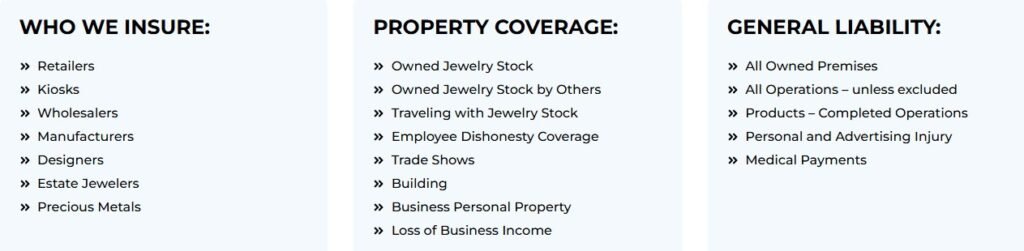
For many jewelry businesses, transit protection is folded into a broader Jewelers Block form rather than purchased as a stand-alone cargo policy. That's often practical because the same business needs protection for stock on premises, at shows, in transit, and sometimes in the custody of employees or salespeople.
The key is not the label on the package. The key is whether the transit wording accurately tracks your shipping reality. Broad cargo-style clauses inside a Jewelers Block policy can work well, but only if the endorsements, exclusions, valuations, and carrier conditions fit the way you operate.
Red Flags in Policy Wording for Jewelry Shipments
The worst coverage gap usually isn't hidden inside one dramatic exclusion. It's in the mismatch between your contracts, your shipping habits, and your insurance language.
Industry guidance notes that indemnity, additional insured, and waiver-of-subrogation terms can create uninsured exposure unless the policy wording aligns with the contract. That mismatch can exist even when a certificate of insurance has been issued, as explained in this discussion of marine contract insurance gaps and liability risks.
The paperwork mismatch
A jeweler agrees to a vendor contract, marketplace rule, trade-show requirement, or customer shipping arrangement. The contract says one thing about responsibility, but the policy says another. Everyone assumes the certificate settles it. Then a loss happens, and the policy doesn't grant what the contract demanded.
That problem shows up in several ways:
- Additional insured assumptions: The contract requires another party to be added, but the policy doesn't do it or does it narrowly.
- Waiver of subrogation language: The contract waives recovery rights, but the policy limits when that waiver is effective.
- Indemnity promises: The business agrees to absorb liabilities broader than the policy covers.
The certificate proves a policy exists. It does not rewrite the policy.
Packing and handling wording can be unforgiving
Jewelry owners often focus on theft, but transit claims also turn on how the parcel was prepared. If the wording requires certain packaging methods, approved carriers, signature protocols, or shipment controls, noncompliance can create a dispute even when the loss itself seems straightforward.
The practical lesson is simple. Your packing procedure should be documented, trainable, and repeatable. If a staff member ships a high-value item differently on a rushed day, that shortcut can become part of the claim analysis.
Sales terms can quietly move the insurance duty
Only CIP and CIF directly require the seller to provide insurance under Incoterms, while other terms leave responsibility to negotiation and contract wording. For jewelers doing cross-border work, that matters because parties often assume someone else handled the insurance obligation when nobody clearly did.
A visual reminder of what's at stake never hurts when reviewing shipment exposure. Keep a real-world shipment example nearby, even something as simple as this diamond ring transit image, and ask who bore the risk at each handoff.

Small red flags that deserve big attention
- Mysterious disappearance wording: If the policy treats unexplained loss differently, know exactly when a missing parcel qualifies.
- Data and media exclusions: Shipment records, tracking evidence, and digital documentation matter. If the policy separates data-related issues from physical goods, understand that divide.
- Territory gaps: Domestic assumptions don't automatically carry over to international routes, temporary storage, or returns.
A Jeweler's Checklist for Reviewing Your Policy
A $40,000 diamond ring can be packed correctly, scanned on schedule, and still turn into a disputed claim if the policy wording breaks against your actual shipping routine. For jewelry shipments, the hard part is rarely the declarations page. It is the fine print on transit, valuation, custody, packing, and excluded causes of loss.

The best policy review starts with a real shipment, not a marketing summary. Pull a recent memo parcel, repair return, loose stone shipment, or customer delivery. Then read the wording against what happened from packing bench to final signature.
Use this checklist:
- What property is insured? Confirm the form covers finished jewelry, loose stones, watches, memo goods, repairs, and customer property in the way your business handles them.
- When does transit coverage attach and end? A loss often happens during handoff, overnight holding, return routing, or temporary storage. Those points need to be covered clearly, not assumed.
- How is the claim valued? Cost, invoice value, selling price, and agreed value can produce very different recoveries on a one-of-a-kind piece or a custom order.
- What packing conditions are written into the policy? If the insurer requires double boxing, plain outer packaging, tamper-evident methods, or limits on labeling, treat those as claim conditions.
- Which carriers and service levels are allowed? Some policies respond only if you use approved carriers or specified methods. A rushed exception by staff can create a coverage problem.
- How does the policy handle mysterious disappearance? A parcel that stops updating in tracking can sit in a gray area if the form demands proof of theft or a clearly documented physical loss.
- What does Sue and Labour pay for? If a package is misrouted and you pay to intercept it, secure it, or prevent a larger loss, check whether those expenses are covered and whether insurer consent is required.
- How broad is the Inherent Vice exclusion? Jewelry claims can trigger this argument where the insurer says damage came from the item's own characteristics, such as a fragile setting, a vulnerable finish, or packaging that could not protect the piece under ordinary transit conditions.
- Can you prove the claim with your records? Invoices, bench notes, photos, chain-of-custody records, shipping logs, and delivery data often decide whether a disputed parcel claim gets paid.
Read the sales contract and the policy together. A Jewelers Block form may look broad, but the sales terms, vendor agreement, or carrier contract can shift risk in ways the insured did not expect. That is why a policy review should include shipping procedures, customer terms, consignee arrangements, and claim documentation standards, not just the declarations page.
An outside review can help if the wording is split between a Jewelers Block form and separate marine cargo language. A structured effective insurance policy review is useful when transit clauses, exclusions, and valuation provisions do not line up cleanly.
Keep supporting records with the policy file. If your business uses trade association programs, event shipments, or shared shipment arrangements, save those materials too, including references such as this SJTA membership logo file. In a contested claim, small details about purpose, destination, and custody can matter.

One final question belongs in writing at every renewal. Is transit coverage built into the Jewelers Block policy, or written through separate marine cargo wording with different exclusions, conditions, and claims handling steps?
That answer affects how a claim will be adjusted. I have seen jewelers assume a parcel was covered from showcase to consignee, only to find out after a loss that memo shipments, repairs, and returns followed narrower transit terms. If you want a second set of eyes on that wording, First Class Insurance can review how the policy applies to the high-value, small-parcel shipments your business sends.