
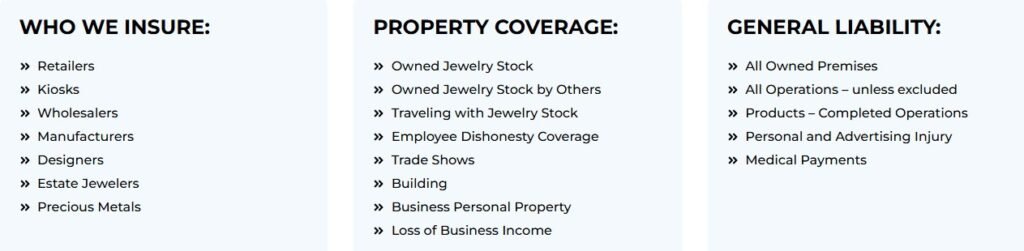
Picture this: a trusted employee uses their personal car for a quick client delivery and gets into a major pile-up. Suddenly, your jewelry business is staring down a million-dollar lawsuit. It’s a common blind spot, and your standard policies won’t touch it.
The Overlooked Risk in Your Jewelry Business
As a jeweler, managing risk is your constant companion. You’ve got state-of-the-art safes, high-def surveillance, and a rock-solid Jewelers Block insurance policy. But what about the risks that happen once someone steps out your door?
Here's the hard truth: many business owners think their general liability policy—or their employee’s personal auto insurance—will cover them if an accident happens on a work-related errand. That's a dangerously expensive assumption.
Anytime an employee drives their own car for your business, your business is on the hook. A quick run to the post office, a local client delivery, or a trip to a supplier all put you at risk. If they cause an accident, your business can be dragged into the lawsuit and held liable for damages that dwarf their personal policy limits.
The Liability Shield You're Missing
This is exactly the gap non-owned auto coverage is designed to fill. Let’s be clear: this isn’t insurance for your employee’s car. It’s a liability shield for your business. It kicks in to protect your company assets when your employee is at fault for an accident while driving their personal vehicle for work.
Think it through with this all-too-common scenario:
- An employee zips out to a specialty engraver in their own sedan.
- On the highway, they cause a multi-car accident.
- The total claims for injuries and damages hit over $1 million.
- Your employee's personal auto policy tops out at $100,000.
Without non-owned auto coverage, your business is on the hook for the remaining $900,000. It puts everything you've worked to build in jeopardy. This coverage isn't an add-on; it's a fundamental piece of your financial armor.
As a leading First Class Insurance Jewelers Block Agency, our entire focus is on finding and closing these dangerous gaps. We get the unique risks of the jewelry trade, from retail showrooms to wholesale operations. Protecting your high-value inventory is just one piece of the puzzle—protecting your business from these operational liabilities is just as critical. For more on safeguarding your valuable assets, you can learn more about protecting high-value items like diamonds with our expert guides. We’re here to make sure these unexpected events don’t become devastating ones.

What Non Owned Auto Coverage Actually Is
That quick trip your employee makes to the post office in their own car? It might be one of the biggest uninsured risks your jewelry business faces. This is where non owned auto coverage comes in, and it’s a liability shield designed specifically to protect your business—not your employee.
It kicks in when an employee, using their personal vehicle for any company business, causes an accident and your business gets dragged into the lawsuit.
Think about it. Your sales associate drives their own sedan to meet a client or an appraiser uses their SUV to drop a package at FedEx. If they cause an accident, their personal auto policy is the first to respond. But what happens when the damages are catastrophic and blow past their policy limits? You can bet the injured party’s attorneys will come after your business, arguing you’re responsible since the employee was on the clock.
This is exactly the gap non-owned auto coverage is built to fill. It acts as secondary coverage, protecting your company’s assets by picking up the liability costs that overwhelm your employee’s personal policy. It doesn't cover the damage to your employee's car; it covers the potentially ruinous legal claims aimed at your business.
The liability doesn't stop with your employee. As this diagram shows, it can climb right up the ladder to you, the business owner.

As you can see, your business is at the top of that chain. When an employee acts on your behalf, you become a prime target in a lawsuit, making this coverage essential.
Owned vs Hired vs Non Owned Auto A Quick Comparison
To really understand why non-owned coverage is so crucial, you have to see where it fits with the other types of commercial auto policies. Each policy is designed for a very specific vehicle situation. Having a gap in just one area can leave your insurance for a jewelry store dangerously exposed.
This table quickly breaks down the differences so you can see which policy applies when.
| Coverage Type | Vehicle Ownership | Primary Purpose | Jewelry Business Example |
|---|---|---|---|
| Owned Auto | Vehicles titled to the business | Provides liability and physical damage coverage for your company-owned vehicles. | The branded delivery van your business owns for local drop-offs and client appointments. |
| Hired Auto | Vehicles you rent, lease, or borrow for business use | Covers liability for accidents involving short-term rental vehicles used for work. | Renting a larger van to transport showcases and inventory to a trade show. |
| Non Owned Auto | Employee-owned vehicles used for company business | Protects the business from liability claims arising from an employee's work-related accident in their personal car. | An employee using their own SUV to run to the bank or deliver a finished piece to a customer. |
The comparison makes one thing crystal clear: without non-owned auto coverage, every single work-related errand an employee runs creates a massive, unprotected financial risk for your entire insurance for jewelry business portfolio. At First Class Insurance, we specialize in finding and closing these often-overlooked gaps, making sure your protection is truly complete.
Why Every Jeweler Needs This Specific Coverage
Let’s be direct—the moment an employee hops into their own car to run an errand for your shop, your business is on the hook. It doesn't matter if you own a single delivery vehicle. This specific risk, covered by non owned auto coverage, is a critical blind spot for every kind of jewelry business, from retail showrooms to private bench jewelers.
Think about the small, everyday tasks that keep your business running. A sales associate drops off a package at the post office. A gemologist drives to an off-site appraisal. An apprentice picks up casting supplies from a local vendor. These aren't big events; they're just part of a normal Tuesday.
But each one carries a hidden and potentially catastrophic liability. If your employee causes an accident while on that "quick trip," your business can be named in the lawsuit. Without the right coverage, you’re facing a legal and financial battle that could put you out of business.
Real Scenarios, Real Risks
It’s easy to dismiss these as minor errands, but let's break down how quickly they can escalate into major financial disasters.
Retail Jewelry Store: Your top sales associate uses their sedan to hand-deliver a custom ring to a VIP client. On the way, a moment of distraction leads to an accident that seriously injures another driver. The injured party’s medical bills and lost wages soar past your employee’s personal auto limit of $100,000. Guess who they sue for the rest? Your business.
Itinerant Salesperson: A traveling wholesaler covers a multi-state territory in their personal SUV. After a long day, they cause a pile-up on the highway. With multiple vehicles and injuries, their personal policy is wiped out almost instantly. Since they were working for you, your wholesale business is now the primary target for all the resulting lawsuits.
Custom Jeweler or Bench Shop: You send your bench jeweler to pick up some platinum from a supplier. They run a red light and T-bone another car. The problem isn't just the vehicle damage; it’s that your business is legally responsible for their actions while they were on the clock.
The core message is simple: if anyone on your payroll might use their personal vehicle for any task that benefits your business, you have a direct and tangible liability exposure.
This is precisely why a complete insurance for jewelry business plan has to include non owned auto coverage. For a deeper look at related protections, especially when third parties handle deliveries, a guide to insurance for couriers can offer valuable insights. It’s an inexpensive but essential shield against one of the most common—and devastating—risks you face.
How Non Owned Auto and Jewelers Block Insurance Work Together

Let’s get one thing straight: your Jewelers Block insurance is the absolute core of your protection. It’s built to cover your inventory—the actual gems, watches, and finished pieces—from theft, loss, and damage.
But here’s the gap so many in our industry miss. Your Jewelers Block protects what you're moving, but it does nothing to protect your business from the liability of how it's being moved.
That’s where non owned auto coverage comes into play. It’s the other half of the equation, creating a complete shield by covering the risks your team takes when they drive their own cars for your business.
A Tale of Two Coverages
Imagine one of your salespeople is driving their personal car to meet a client, carrying a case of high-value pieces. On the way, they stop for coffee, and someone smashes the window and grabs the case. That’s a job for your Jewelers Block policy. It’s designed to respond and cover the cost of the stolen goods.
Now, picture a different scenario. On that same trip, your salesperson runs a red light and causes a multi-car pileup. The injuries and property damage are severe. Who gets the lawsuit? You do. Your business is on the hook. This is precisely when your non owned auto coverage kicks in to handle the legal defense and liability claims.
This is why having both is non-negotiable for any insurance for a jewelry store. One without the other leaves you dangerously exposed.
Think of it this way: a truly secure insurance plan for your jewelry business isn’t about finding one master policy. It's about layering specialized coverages to close every possible blind spot. Pairing Jewelers Block with non owned auto coverage ensures both your valuable assets and your business itself are protected while on the move.
Layering Protection in a High-Stakes Industry
The need for non owned auto coverage has become more urgent than ever, especially as a single accident can easily lead to liability claims topping $1 million. For an independent jeweler, a hit like that is catastrophic. You can get a deeper sense of these risks by exploring key market analysis on hubinternational.com.
This is where our expertise at First Class Insurance makes all the difference. As a specialized First Class Insurance Jewelers Block Agency, we don’t just sell policies. We dig into the details of your operation, find the potential gaps between your Jewelers Block and other liability policies, and make sure they work together seamlessly.
By leveraging our strong relationships within the Lloyd's of London market and working with top underwriters, we craft a protection strategy that leaves nothing to chance.
Understanding Policy Limits and Smart Risk Management

Now for the part that really matters: the numbers and the rules. Getting a grip on what your non-owned auto coverage actually covers—and what it doesn't—is the key to protecting your jewelry business from a potentially devastating lawsuit.
Most non-owned auto policies are built for serious liability protection, and you'll often see limits starting at $1 million per occurrence. For a jeweler, whose business is automatically associated with high-value assets in the public eye, that high limit isn’t just a nice-to-have; it’s a baseline necessity.
This coverage has become an essential safeguard for modern businesses. In fact, many policies now offer per-occurrence limits up to $1,000,000 without an annual aggregate. That means if you have multiple, separate incidents in a single year, you could be covered up to that limit each and every time. You can dig deeper into commercial auto insurance market trends on gminsights.com.
Common Policy Exclusions to Know
While a high limit is your financial shield, knowing what your policy isn't designed to cover is just as important. Understanding the common exclusions helps you avoid nasty surprises and build a truly complete risk management plan for your insurance for jewelry business.
Here’s what this coverage typically won’t handle:
- Damage to the Employee's Vehicle: This is a big one. Non-owned auto coverage is purely a liability shield for your business. It will not pay for repairs to your employee's personal car—that's what their own collision policy is for.
- Intentional Acts or Damage: Just like almost any other insurance policy, it won't cover liability that stems from an employee's deliberate or malicious actions.
- Regular or Furnished Use: If you give an employee a car for their regular use (even if it's their own but you reimburse them for it), it likely falls outside this specific coverage and needs a different policy structure.
Knowing these boundaries lets you focus on what this policy does best: protecting your business from third-party liability claims that could otherwise shut you down.
Actionable Risk Management Tips
Insurance is your safety net, but smart, proactive risk management is always your first line of defense. By putting clear internal policies in place, you can dramatically reduce your exposure and put your business in a much stronger position if an accident ever happens.
The smartest way to manage risk is to assume it will happen. By verifying employee insurance, setting clear vehicle-use rules, and keeping good records, you're not just buying a policy; you're building a culture of safety that protects your entire business.
Here are three simple but powerful steps you can take right now:
- Verify Employee Insurance: Make it a rule that any employee who might drive for work must show you proof of their personal auto insurance. Don't just take their word for it—ask for a copy of their policy declaration page every single year.
- Establish Written Policies: Create a clear, written document that details exactly when and how personal vehicles can be used for business tasks. This should outline everyone's responsibilities, safety rules, and the exact procedure for reporting an accident.
- Maintain Driver Records: Keep an organized file with copies of your employees' driver's licenses and insurance information. This isn't just paperwork; it’s proof of your due diligence and helps ensure only qualified and insured people are driving on behalf of your jewelry store insurance.
Get a Quote for Jewelers Block Insurance
Let's be direct—a generic, off-the-shelf policy just doesn't work for a jewelry business. It leaves dangerous gaps. You need a specialist who lives and breathes this industry, and that's precisely what we do at First Class Insurance. With over 30 years of focus solely on jewelers, we know how to build a complete insurance solution that weaves together Jewelers Block, non owned auto coverage, and every other protection you need into one solid plan.
We understand the specific risks that any solid jewelry store insurance policy has to cover.
Our streamlined process and focused attention mean you get real protection, fast. We're not a massive, impersonal corporation. For many of our clients, we can deliver a comprehensive quote in just 24 hours, giving you the answers you need to properly safeguard your insurance for a jewelry store without frustrating delays.
Take the next step to gain peace of mind and secure your business's future. Our expert team is ready to craft a plan that addresses every facet of your jewelry operation.
Ready to see how a dedicated specialist can improve your protection? You can view our official First Class Insurance logo and branding to learn more about our commitment to the industry. Get a Quote for Jewelers Block insurance today.

Frequently Asked Questions About Non‑Owned Auto Coverage
Business insurance can feel like a minefield of confusing terms, but cutting through the noise is key to protecting your jewelry business. Let's tackle some of the most common questions jewelers have about non‑owned auto coverage.
Is Non‑Owned Auto Coverage Part of My General Liability Policy?
This is one of the biggest and most dangerous assumptions a business owner can make. The answer is almost always a hard no. It might seem like this risk should fall under a general liability policy, but it doesn't. Non‑owned auto coverage is a specific protection you have to ask for.
If you just assume you're covered, you’re leaving a massive hole in your insurance for a jewelry store. You need to specifically request it and see it listed on your policy.
What if My Employee's Personal Insurance Covers the Accident?
Your employee's personal auto policy is always the first line of defense. But what happens when a serious accident leads to damages that blow past their policy limits? That’s where your business's need for non‑owned auto coverage kicks in.
Think about it: in a major accident, lawyers will almost always name the business in the lawsuit. It's just standard practice. This coverage is what pays for your legal defense and handles any liability claims that spill over what your employee’s policy can handle. Without it, your business assets are on the line.
How Is the Premium for This Coverage Determined?
Here’s the good news. Unlike a full-blown commercial auto policy, the premium for non‑owned auto coverage is often surprisingly affordable. Insurers usually look at a few simple things:
- The number of employees who might drive for work.
- The type of jewelry business you run.
- The liability limits you select (a $1 million limit is common).
Because it’s a secondary, liability-only coverage, it gives you an incredible amount of protection for a pretty small price. Global trends highlight the need; in 2024, the auto insurance market shot past $950 billion, and business-related liabilities are a huge piece of that pie. You can read more about the growing auto insurance market on alliedmarketresearch.com.
This is one of the most cost-effective ways to shield your jewelry business from a lawsuit that could otherwise shut your doors for good.
At First Class Insurance, we specialize in building these exact layers of protection, making sure your Jewelers Block and liability coverages work together seamlessly. Don't leave your business exposed to such a common risk. Let us help you secure the right policy today. Get your comprehensive Jewelers Block insurance quote by visiting us at https://firstclassins.com.