
A jewelry store owner reviews an open-to-buy plan. One tray holds fast-moving silver pieces that keep cases active and price points accessible. Another holds a smaller platinum assortment meant for bridal, custom work, and clients who expect permanence. Both can make sense. Both can also create very different balance-sheet pressure, claims exposure, and valuation problems.
That’s where most silver vs platinum discussions fall short. Buyers usually hear about color, prestige, or price. Underwriters and experienced jewelers look at something else first: how the metal changes inventory concentration, replacement cost, repair complexity, theft attractiveness, and what happens when a piece disappears in transit or needs to be replaced after a covered loss.
For a retail showroom, silver can create broad stock exposure because there’s more of it, more styles, and more units moving in and out. Platinum creates a different problem. Fewer pieces can represent a meaningful share of value, and when supply tightens, replacing like kind and quality can become harder than the appraisal on file suggests.
Collectors face the same divide from the opposite side. Silver often fits accumulation and liquidity. Platinum tends to sit in fewer, higher-value items where valuation discipline matters more. If the insurance schedule treats them as interchangeable precious-metal jewelry, the paperwork may look tidy while the risk is badly mismatched.
Introduction Silver and Platinum Beyond the Showcase
On a typical buying day, the silver case usually argues for itself. It supports gift traffic, fashion turnover, and easier add-on sales. Platinum rarely wins on unit volume. It wins when a store wants depth in bridal, custom mountings, or heirloom-grade pieces that clients expect to keep for decades.

That choice affects more than merchandising. It affects how much capital sits in the safe, how often pieces need refinishing, how attractive they are to thieves, and how painful a claim becomes when an item can’t be replaced quickly. A silver-heavy store may manage frequent movement across many lower-ticket items. A platinum-heavy store may hold less physical inventory by count, but a much larger share of value in a handful of pieces.
The same issue shows up outside retail. Wholesalers, bench jewelers, and collectors all run into a version of the same question. Which metal fits the operation, and what risk follows from that decision?
| Factor | Silver | Platinum | Insurance impact |
|---|---|---|---|
| Typical business role | Fashion, gifting, volume stock | Bridal, custom, heirloom, prestige stock | Changes concentration and turnover patterns |
| Physical behavior | Softer, more prone to tarnish and visible wear | Denser, harder, more corrosion-resistant | Affects maintenance, handling, and repair claims |
| Market profile | Broad market and easier liquidity | Scarcer market with tighter replacement risk | Affects valuation review and claim settlement strategy |
| Underwriting concern | Large unit counts and broad exposure | High value concentrated in fewer items | Changes limits, schedules, and transit controls |
Underwriting view: silver usually creates an exposure-of-quantity problem. Platinum usually creates an exposure-of-value problem.
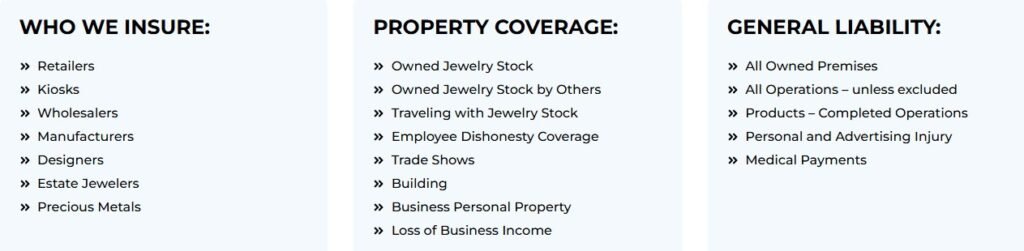
For insurance for a jewelry store, that distinction matters. A Jewelers Block policy has to match the stock you carry, not the metal story customers hear at the counter. If your inventory mix changes and the coverage doesn’t, the policy can lag behind the risk.
Fundamental Properties and Composition
A jeweler can misread white metal risk by eye alone. Two rings may present the same color in the case, yet one carries very different handling, repair, storage, and claims consequences once it goes to the bench or into transit.
The first distinction is mass. Platinum has a heavier, denser feel in hand, while silver feels lighter and more flexible in everyday merchandising. That difference affects more than customer perception. It changes how pieces wear on findings, how they sit in trays, and how much loss value can be concentrated in a small parcel.

How they age in stock and in service
Silver is softer and more reactive. In practice, that means more visible scratching, easier deformation in lighter-gauge pieces, and routine tarnish control in showcases and safes. Tarnish is not structural damage, but it still creates cost. Staff time goes into polishing, display rotation, and customer service conversations when a piece looks older than it is.
Platinum holds its color better and resists corrosion far more effectively. It still shows wear, but it tends to develop a patina rather than the dark surface discoloration common with silver. From an insurance standpoint, that usually means fewer condition disputes tied to storage environment and less day-to-day maintenance exposure for stock on display.
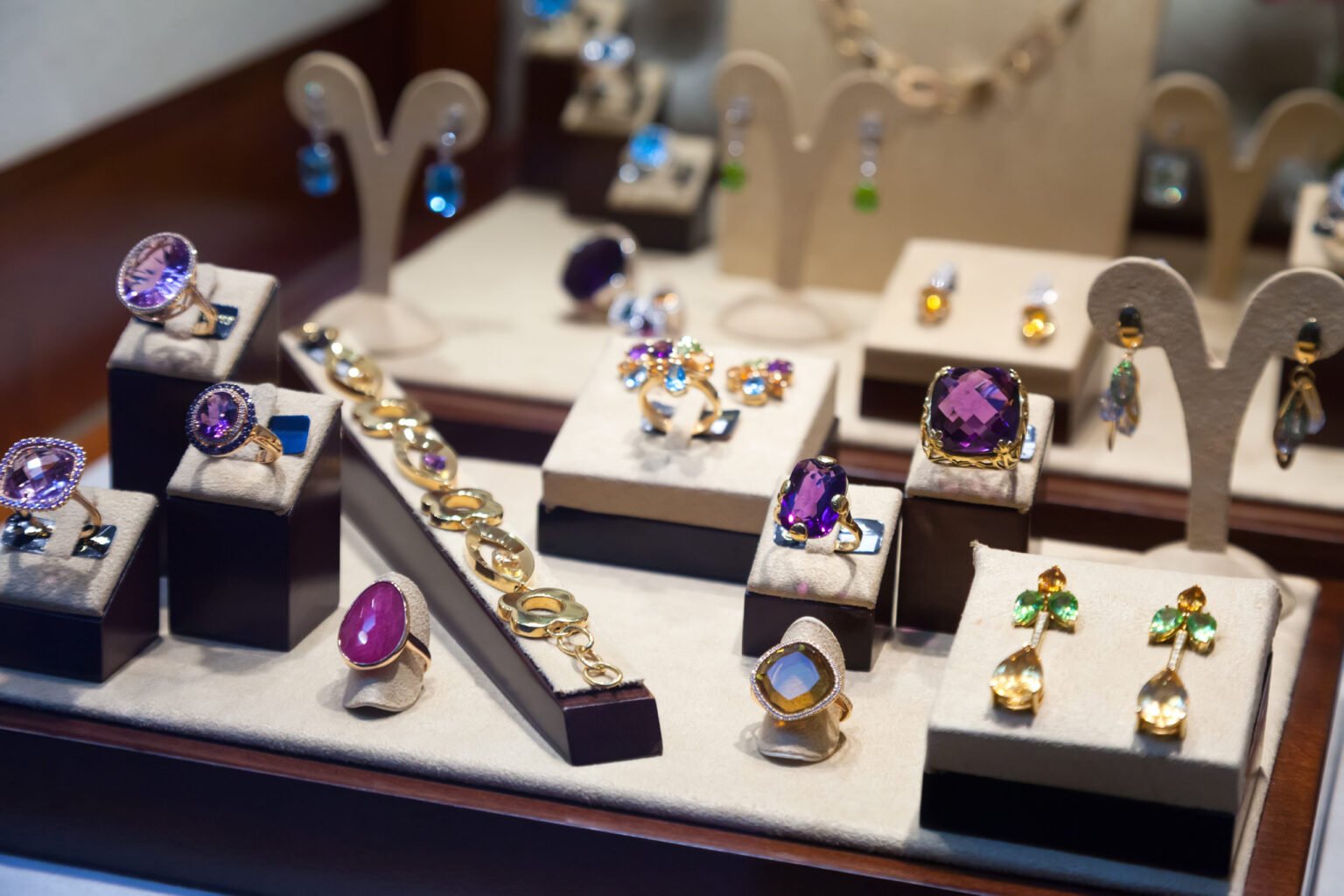
For visual reference in showroom presentation and white-metal styling, this ring display image shows the kind of merchandising setting where finish, brightness, and surface condition become noticeable fast.

Purity marks matter in claims and repair files
Silver jewelry is commonly sold as sterling, typically marked 925. Platinum jewelry is commonly marked 950 or PLAT, indicating higher precious metal content by proportion. Those marks are practical identifiers, not just selling points.
On a loss notice, hallmarking helps match a recovered item to inventory records. On a bench ticket, it sets expectations for soldering, resizing, polishing, and remanufacture. If the mark is missing or illegible, valuation and claims handling get slower because the item has to be verified by testing, construction clues, or prior documentation.
Bench work is different, and the labor difference is real
Silver is usually easier to fabricate and repair across routine commercial work. It forms readily, supports broad design variation, and keeps labor accessible for lower-ticket pieces. That makes it useful for volume inventory, promotional lines, and fast-turn custom jobs where metal cost has to stay controlled.
Platinum demands more technical discipline at the bench. Heat control, finishing standards, and sizing work all tend to be less forgiving. Jewelers who sell a meaningful amount of platinum need bench capability that matches the stock, or they end up outsourcing repairs, extending turnaround times, and increasing the chance of shipping or transit exposure between locations.
Here is the operational difference in a practical format:
| Property | Silver | Platinum |
|---|---|---|
| Surface behavior over time | Tarnishes and scratches more visibly | Keeps color well and develops patina with wear |
| Weight in hand | Lighter | Noticeably heavier |
| Typical jewelry purity mark | 925 | 950 or PLAT |
| Bench handling | Easier for routine fabrication and repair | Requires tighter process control |
| Stock care burden | More polishing and display upkeep | Less frequent cosmetic maintenance |
Those property differences carry directly into inventory management. Silver usually creates more cleaning, more minor service work, and more unit-level handling. Platinum creates fewer units with stricter repair requirements and higher value tied to each piece. For underwriters, appraisers, and collectors, composition is not a technical footnote. It is part of how loss severity, maintenance cost, and recordkeeping quality get judged.
Market Value and Investment Dynamics
A loss file gets more expensive fast when the missing item is platinum. One tray can hold a meaningful share of a store’s insured value, while a much larger silver display may create the bigger counting problem. That distinction matters to underwriters, appraisers, and collectors because market value is never just a spot-price discussion. It affects concentration, replacement timing, and how much valuation error a schedule can absorb before a claim turns contentious.
According to JM Bullion’s platinum versus silver overview, global annual production is approximately 26,000 metric tons of silver versus 180 metric tons of platinum. The same source notes that platinum often commands $900 to $1,050 per ounce, while silver has traded around $30 to $35 per ounce. In practical terms, platinum puts far more value into a smaller physical footprint. That changes storage strategy, memo exposure, shipment limits, and the amount of insurance value tied to a single saleable unit.
Scarcity gets attention, but supply concentration is the harder underwriting issue. JM Bullion notes that platinum production is heavily concentrated in South Africa, Russia, and Zimbabwe, which account for over 92% of output. If supply tightens or distribution slows, replacement cost can move before a jeweler has time to update appraisals, reorder stock, or revise limits. Silver usually gives buyers more sourcing flexibility, more substitutes, and less sensitivity to disruption from a small number of producing regions.
That matters after a claim.
If a collector loses a platinum necklace or a jeweler has a platinum bridal piece stolen in transit, the question is not only what the item was worth on the date of loss. The harder question is whether an equivalent replacement can be bought promptly, from a credible supplier, and at the value shown on the schedule. For antique or estate inventory, the problem gets sharper because metal value is only one part of the exposure, especially in pieces that resemble insured antique jewelry inventory with collector-grade replacement concerns.
Industrial demand also pulls the two metals in different directions. Silver trades with broad industrial participation, including electronics and solar. Platinum has long been more exposed to narrower industrial channels outside jewelry. For a store owner, that means platinum pricing can react to forces that have nothing to do with retail demand, bridal trends, or collector appetite. I usually advise clients to treat platinum replenishment as a timing risk as much as a pricing risk.
Historical ranges reinforce that point. JM Bullion notes price ranges of $350 to $2,276 per ounce for platinum since 1990 and $4 to $39 for silver since 1975. Those ranges do not predict the next cycle, but they do show why old invoices and stale appraisals cause bigger problems with platinum. A small quantity can throw off total insured value by a surprising amount. Silver creates a different error pattern. Owners often understate aggregate exposure because the unit cost feels manageable and the stock count grows unnoticed.
The brief called for a historical range table, but verified year-by-year figures for 2016 through 2026 were not provided in the approved source set. The safest presentation is to state that limitation clearly.
| Year | Silver Low ($) | Silver High ($) | Platinum Low ($) | Platinum High ($) |
|---|---|---|---|---|
| 2016-2026 | Verified year-by-year data not provided | Verified year-by-year data not provided | Verified year-by-year data not provided | Verified year-by-year data not provided |
For investment-minded buyers, liquidity and exit timing also differ. Silver is usually easier to move quickly because the market is broader and entry pricing is lower. Platinum can support stronger value per piece and stronger rarity appeal, but the buyer pool is smaller and replacement decisions often need more documentation. From an insurance standpoint, that means silver more often tests inventory control, while platinum more often tests valuation discipline.
Wear Maintenance and Repairability
A ring comes back from a customer six months after sale. The complaint sounds cosmetic at first. Scratches, dull finish, maybe a loose stone. At the counter, the metal choice starts driving cost, turnaround, bench risk, and, in some cases, whether the item should even stay in the shop overnight.

Silver and platinum age very differently in real use. Silver picks up dents, bends, scratches, and tarnish more readily, especially in rings, cuffs, chains, and other pieces that see frequent contact. That usually means more polishing, more cleaning, and more customer service time over the life of the piece.
Platinum tends to hold up better structurally and resist corrosion, but owners often react to its surface patina in one of two ways. Experienced buyers accept it as part of platinum ownership. Clients expecting a bright, freshly polished finish may ask for repeat refinishing, which adds labor and handling.
That distinction matters on the insurance side because maintenance frequency changes exposure. Silver usually creates more routine touchpoints. More intake tickets, more bench handling, more packaging and unpackaging, more chances for a stone issue or custody dispute. Platinum creates fewer routine maintenance events, but each repair tends to carry a higher labor cost and a higher expectation that the piece comes back exactly right.
Showroom care follows the same pattern. Silver needs tighter tarnish control, cleaner storage conditions, and more regular presentation work to stay sale-ready. Platinum is less demanding cosmetically in storage, but buyers paying for platinum usually inspect finish quality, prongs, and symmetry more closely, so quality control standards stay high.
Older and handmade pieces add another layer. Mixed-metal construction, prior repairs, worn galleries, and thin shanks can turn a simple quote into a risk decision. This antique jewelry reference image shows the kind of age, wear pattern, and craftsmanship detail that should trigger a slower intake process and better photo documentation before work begins.
Repair complexity and what doesn’t transfer well
Silver is more forgiving in many standard shop repairs. Platinum is not. Platinum work usually requires a bench with real platinum capability, disciplined heat control, and a cleaner process from start to finish. Shops that do excellent gold and silver repair can still struggle with platinum sizing, retipping, rebuilding, or work around heat-sensitive stones.
Bench rule: don’t quote platinum repair casually. Confirm the shop’s actual platinum capability before promising turnaround, finish quality, or stone safety.
That is not just a workmanship issue. It is a claims issue. If a platinum repair goes sideways, the dispute is often larger because labor is higher, replacement is harder, and the customer expected specialized handling from the start. With silver, the pattern is different. Claims tend to come from frequency. Tarnish complaints, bent components, finish dissatisfaction, or minor damage during repeated servicing.
A practical intake process helps on both metals:
- Photograph condition before work, including prongs, shank wear, and any prior solder seams
- Separate cosmetic requests from structural repairs on the ticket
- Disclose realistic finish outcomes, especially for silver and for platinum pieces with established patina
- Confirm whether the shop will perform the repair in-house or send it out, because transit and off-premises custody change the risk profile
A quick visual explainer can help teams train around these distinctions:
For jewelers block underwriting, repairability is never just a bench topic. It affects mysterious disappearance exposure, damage while in custody, shipping to outside repair specialists, and disagreements over restoration quality after a loss. Silver usually drives claim volume through repetition. Platinum usually drives claim severity through complexity.
Critical Implications for Valuation and Insurance
Silver vs platinum stops being a metal comparison and becomes a financial control issue. In underwriting, the most common mistake isn’t choosing the wrong metal. It’s carrying the right metal with the wrong valuation method.
Platinum can produce sharper underinsurance problems because a small number of items may represent a large percentage of scheduled value. Silver can produce quieter but broader exposure because the owner often focuses on unit price and misses total accumulation across showcases, back stock, repair intake, memo, and transit.
Valuation discipline has to match the metal
A silver inventory often needs strong aggregate controls. Stores add dozens of lower-value items over time, and the total rises faster than the owner feels it. Platinum needs a more surgical approach. Fewer pieces require closer review of item-level description, current replacement assumptions, and concentration by category.
That issue is more pressing because, as Moomoo’s market note on platinum and silver reports, as of mid-2025, platinum forward markets have remained in persistent spot premium conditions, signaling very tight physical supply. The same source warns that platinum inventory may become harder to replace at current valuations, which can affect claim settlements and replacement costs.
For insurance for a jewelry business, that means older platinum appraisals may fail in a very specific way. The document may still look formal and complete, but the replacement pathway behind it may have changed materially.
Underwriting concerns are not the same for each metal
An underwriter looks beyond the metal name. The key questions are where the inventory sits, how often it moves, who handles it, and how much value is concentrated in a small package.
Consider the different pressure points:
- Silver-heavy operations often need tighter stock-control procedures because broad inventory volume creates more opportunities for unnoticed shrinkage, counting errors, and handling loss.
- Platinum-heavy operations often raise concentration concerns because a few bridal rings, custom mountings, or collector pieces can carry substantial value relative to the rest of the stock.
- Mixed inventories can be harder to insure correctly if the policy language, schedules, or internal reporting treat all white-metal jewelry as one undifferentiated category.
That’s why a jewelers block policy shouldn’t rely on broad assumptions. A tray of silver chains and a tray of platinum diamond rings may occupy similar shelf space. They do not create similar underwriting exposure.
Transit and mysterious disappearance need separate thinking
Transit is where businesses often discover whether their reporting discipline is real. Silver tends to move in larger quantities. Platinum tends to move in smaller, more valuable packages. Both can generate losses, but the controls should differ.
For silver, the focus is often counting accuracy, packing logs, and reconciliation against broad lot movement. For platinum, the focus shifts toward itemized documentation, secure shipping method, chain of custody, and replacement feasibility if the exact item can’t be sourced promptly.
A similar split exists with mysterious disappearance. Silver can disappear one piece at a time and blend into normal stock movement until a count exposes the problem. Platinum loss is often noticed faster because the item value is higher, but the financial hit per item is sharper.
The claim file usually reflects the inventory discipline that existed before the loss. If the records were vague, the settlement conversation becomes harder, regardless of how obvious the loss feels internally.
For presentation standards and high-value piece documentation, this diamond ring product image reflects the kind of visual record that supports stronger item identification.

Claim settlement problems usually start before the loss
Most difficult jewelry claims begin with one of four operational mistakes:
Outdated valuation files
The appraisals exist, but they no longer reflect current replacement conditions.Weak item descriptions
“White metal ring with diamond” is not enough when the carrier needs to determine like kind and quality.Unclear inventory segmentation
Silver, platinum, memo goods, repair intake, and customer property get blended together in reporting.Transit records that don’t match stock records
The package left the premises, but the insured can’t prove exactly what was inside with confidence.
Platinum supply tightness makes the first and second mistakes more dangerous. Silver’s broader stock movement makes the third and fourth mistakes more common.
What a sound review looks like
A useful policy review for jewelry store insurance should ask practical questions, not generic ones.
| Review area | Better question |
|---|---|
| Inventory value | Are current values based on today’s replacement reality or old acquisition cost? |
| Concentration | How much total value sits in a small number of platinum pieces? |
| Repair exposure | Are customer goods and shop-owned stock tracked separately during bench work? |
| Transit | Do packing records identify exact items, not just package counts? |
| Loss scenarios | Would a mysterious disappearance claim be supported by records created before the loss? |
The core point is simple. Silver and platinum shouldn’t be insured as though they create the same pattern of risk. They don’t. One often tests your control over quantity. The other tests your control over value, replacement timing, and concentration.
Strategic Recommendations for Your Jewelry Business
If you run a retail showroom, don’t turn silver vs platinum into an all-or-nothing decision. Use each metal where it does the job best, then insure the resulting exposure as it exists.
For retail stores
Platinum belongs where durability, long ownership, and emotional significance drive the sale. Bridal, anniversary, and custom work are the obvious examples. Silver works better in fashion, gifting, trend-driven categories, and collections that need price accessibility and regular refresh.
That mix creates two management tracks. Platinum needs tighter valuation review and stronger item-level documentation. Silver needs disciplined counting and handling controls because broad movement can hide loss.
For wholesalers and distributors
Wholesalers should pay close attention to concentration and transit profile. Platinum may travel in smaller shipments by count, but each parcel can matter more financially. Silver often creates exposure through frequency and lot volume rather than single-item severity.
A practical recommendation is to separate internal reporting by metal family instead of rolling white-metal goods into one bucket. That makes variance reviews more useful and claim support stronger if something goes wrong.
For collectors and private owners
Collectors often assume platinum is “the premium white metal” and stop there. That’s not enough. APMEX’s platinum versus silver investment guide notes that platinum and silver have lower correlation with each other than with gold, and that platinum’s price had surged nearly 40% year to date as of mid-2025, while its historical crashes show a distinct risk profile. For insured collections, that means platinum pieces may need more frequent valuation attention than owners expect.
Silver collections still deserve documentation, especially where there are many pieces, designer premiums, or estate items. But platinum is where underinsurance often hides in plain sight because the owner assumes a white-metal category description is close enough.
If a piece would be difficult to replace quickly, don’t treat it like a standard metal item on the insurance schedule.
For merchandising and presentation
Photography and listing quality matter because good records support both sales and claims. When teams need consistent close-up presentation for online listings or internal documentation, tools for AI jewelry product visuals can help standardize imagery across silver and platinum pieces, especially when surface finish, prongs, and metal tone need to be documented clearly.
The stronger recommendation is straightforward. Stock silver for movement. Stock platinum for permanence and margin where your client base supports it. But don’t insure them with the same assumptions, and don’t let old valuations sit untouched just because the showcase still looks balanced.
Frequently Asked Insurance Questions
Does platinum always require higher insurance limits than silver
Not always by category, but often by item. Platinum pieces can represent far more value in fewer units, so scheduled limits and concentration review usually matter more. Silver may need more attention to aggregate stock totals because many lower-value pieces can still create a large overall exposure.
Is silver riskier because it moves faster
It can be. Faster movement means more handling, more counting events, more packaging, and more opportunities for stock discrepancies. The risk is usually operational rather than item-level severity.
Does platinum create harder claims
It can. When replacement supply is tight, a claim may become more complicated because the insured, jeweler, and carrier all need to agree on what constitutes like kind and quality. That’s why detailed descriptions and current valuations matter more than owners often realize.
Should repair shops think differently about customer-owned silver and platinum
Yes. Silver usually brings more maintenance frequency. Platinum often brings higher-stakes bench work. Shops should document intake carefully, separate customer goods from shop stock, and avoid generic repair tickets that don’t identify the metal clearly.
What’s the biggest mistake jewelry businesses make with these metals
Treating them as similar because both are white metals. In practice, they create different valuation, transit, repair, and concentration issues. Good coverage starts with recognizing that difference in your records before a loss occurs.
If you need a policy review for Jewelers Block, jewelry store insurance, or coverage for a private collection, First Class Insurance specializes in protecting jewelers and high-value assets with programs built around theft, mysterious disappearance, transit loss, and real-world replacement challenges.