

A customer walks in with a ring that matters. Sometimes it’s an engagement ring that was bought in a rush. Sometimes it’s a grandmother’s diamond. Sometimes it’s a custom piece the client already feels nervous about handing over. They say the same thing in different ways: “It’s too loose. Can you make it smaller without changing how it looks?”
That’s the moment every jeweler knows. The job sounds routine, but it isn’t routine in the way a polishing cloth is routine. Sizing down a ring is a trust job. The customer is handing over value, sentiment, and an expectation that the piece will come back safer, cleaner, and better fitting than before.
At the bench, the mechanics are familiar. At the business level, the exposure is easy to underestimate. If the ring has a thin shank, stressed prongs, old solder seams, engraving across the lower half, or stones near the shoulder, a “simple sizing” can become a remanufacturing problem very quickly. If the intake conversation is sloppy, a technically sound job can still turn into a refund, a bad review, or an insurance dispute.
That’s why experienced shops don’t treat sizing as a quick favor. They treat it as a controlled repair with documentation, limits, and clear client consent. The jewelers who stay profitable over time aren’t just the ones with the cleanest solder seam. They’re the ones who know when to proceed, when to modify the plan, and when to decline the work.
The Take-In Counter Conversation Every Jeweler Knows
The ring comes out of the box, and the customer starts talking before you’ve even set it on the pad. It spins on the finger. It slips over the knuckle too easily. They’re worried it will fall off. They’re also worried you’ll ruin it.
That first minute tells you almost everything about the job. Not the final method, but the actual assignment. You’re not only sizing down a ring. You’re evaluating structural integrity, reading the client’s risk tolerance, and deciding whether the ring should be altered at all.
A plain yellow gold solitaire with a healthy shank is one conversation. An older platinum ring with wear at the base, a previous solder joint, and small side stones is a different conversation entirely. The customer often hears “make it smaller.” The jeweler has to hear the hidden questions underneath that request: Will the stones stay tight? Will the shape stay true? Will the seam disappear? If something was already weak, who owns that risk?
What runs through a professional’s mind
At intake, the seasoned jeweler is already sorting the job into categories:
- Fit problem or measurement problem. Is the ring too large, or was the finger measured badly at another shop?
- Simple shank or design-sensitive shank. Is there plain metal available at the bottom, or does the pattern run all the way around?
- Current condition or accumulated wear. Is the ring healthy enough for alteration?
- Repair or liability trap. Are there signs of prior work, thinning, bent shoulders, loose stones, or hidden damage?
A ring can be emotionally priceless and mechanically fragile at the same time. If you ignore the second fact, the first one becomes your business problem.
The shops that handle this well slow the interaction down. They inspect under magnification. They note what’s already there before promising anything. They explain that a resizing job changes the structure of the ring, even when the result is invisible to the eye.
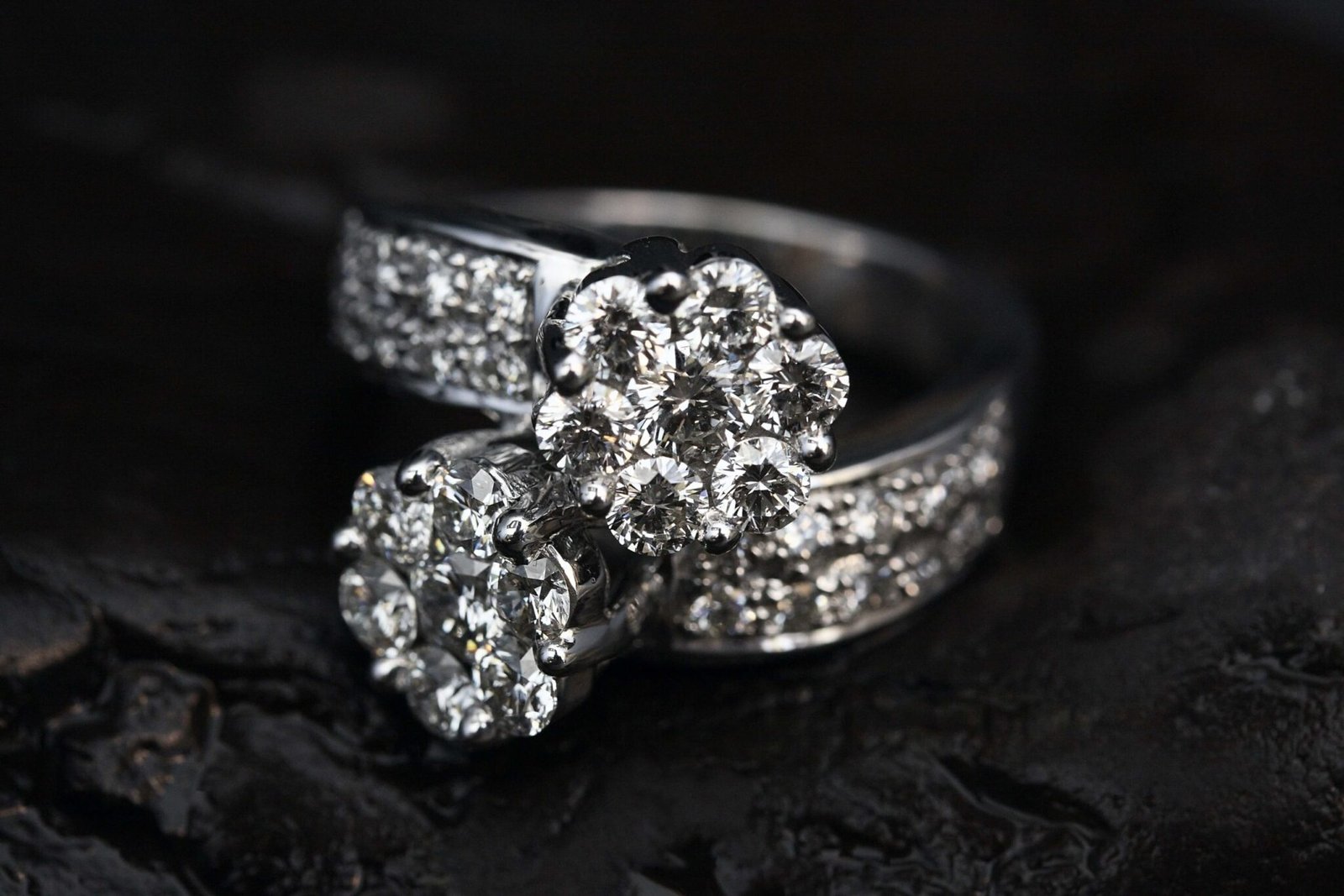
A customer may think of this as a comfort adjustment. A jeweler should think of it as a controlled alteration to a high-value object. That’s exactly why everyday repair work belongs in the same risk conversation as insured jewelry operations and protected stock handling.
The real stakes behind a small job
The financial stakes aren’t only in the ring’s retail value. They sit in labor time, remake exposure, client confidence, and store reputation. If the resize is clean, the client remembers the ring fits and looks untouched. If anything goes wrong, they don’t remember how difficult the job was. They remember that they trusted your store.
That’s why the counter conversation matters so much. A skilled bench jeweler can fix metal. It’s harder to fix unmanaged expectations.
Initial Assessment and Client Communication Scripts
Before a saw blade touches the shank, do the diagnostic work. By doing so, good shops separate a straightforward repair from a future argument.

Industry practice is clear on the safe range. Jewelers generally limit ring resizing to 1 to 2 sizes up or down to preserve structural integrity, and sizing down is usually the simpler, lower-risk direction. Go beyond that range and you increase the chance of shape distortion and weakened settings, especially on higher-value pieces, as noted by Robinson’s Jewelers’ guidance on safe resizing limits.
Start with the finger, not the ring
A surprising number of resizing problems begin with poor sizing, not poor bench work. Measure the client’s finger with calibrated sizing rings. Then confirm with the actual ring on a mandrel. If the client’s hand is cold, swollen, or coming straight from outdoor weather, slow down and talk through it before writing the repair envelope.
Use a consistent intake routine:
- Measure the wearing finger with metal gauges, not guesswork.
- Ask when the ring feels loose. Morning, evening, cold weather, after activity.
- Check knuckle-to-base difference. Some clients need retention more than a true size reduction.
- Confirm fit preference. Some want a snug fit; others want easier removal.
Wide bands, comfort-fit interiors, and top-heavy heads all wear differently. If the customer owns several rings but only one spins, the issue may be balance rather than size alone.
Inspect the ring like you expect a dispute later
Every sizing job should begin with a condition report. Don’t rely on memory. Write it down and photograph it.
Look for:
- Shank wear. Thin spots at the base, previous seams, porosity, or cracking.
- Stone security. Loose melee, worn prongs, bent channels, or movement under magnification.
- Design interruptions. Engraving, milgrain, pattern continuity, or stones extending too far down the shank.
- Metal identity. Gold alloy, platinum, mixed-metal construction, or reactive areas from earlier repairs.
- Existing damage. Out-of-round shape, dents, solder discoloration, or prior sizing scars.
If the ring has pavé or stones deep into the shoulder, the risk profile changes immediately. The customer may still want the work done, but the intake form and the verbal explanation need to catch up to reality.
Scripts that protect the job and the relationship
Clients don’t need a lecture. They need plain language and a calm explanation.
Use wording like this at the counter:
“We can probably reduce the size, but I want to inspect the shank and the settings first. On rings like this, the fit change is only part of the job. I also need to make sure the structure can handle the alteration safely.”
For design-sensitive rings:
“Because the stones and details run close to the lower half of the ring, this isn’t the same as sizing a plain band. I want to document the condition before we proceed and let you know if I recommend a different solution.”
For jobs near the edge of what’s safe:
Counter script: “If we reduce this too aggressively, the ring can change shape and the settings can come under stress. I’d rather give you a conservative answer than promise a result that puts the ring at risk.”
That kind of language does two things. It shows competence, and it shows restraint. Both matter.
What belongs on the intake form
A proper take-in form should include more than the target size. At minimum, record:
- Current and requested size
- Metal type and identifying marks
- Stone layout and any visible wear
- Pre-existing damage or previous repair evidence
- Client approval for recommended method
- Statement that resizing may affect design symmetry or existing wear points
If your shop uses before-and-after photos, attach them to the job file. If the customer declines recommended related work, note that too. A loose prong discovered during intake shouldn’t become your “new damage” after the resize is complete.
Choosing the Right Method for Sizing Down
There’s no single correct method for sizing down a ring. There’s only the right method for that ring, in that condition, for that client.
A jeweler who defaults to one approach on every job usually creates avoidable problems. Plain bands, engraved heirlooms, top-heavy solitaires, eternity-style layouts, and clients with enlarged knuckles all need different thinking.

The four methods most shops weigh
The usual decision comes down to four options: cut-and-solder, compression shrinking, sizing beads, and spring inserts or internal adjusters. Some shops also refer to laser welding as part of the execution method rather than a separate sizing category, but in practice it changes what can be done safely on delicate pieces.
Here’s the working logic.
Cut-and-solder
This is the standard bench method for meaningful size reductions. Remove a section from the lower shank, bring the ends together, solder or weld, true the ring, finish, and polish.
Best use cases:
- Plain bands
- Solitaires
- Classic three-stone designs
- Rings with enough unornamented lower shank to cut safely
What works well:
- Predictable fit correction
- Strong finished result in suitable metals
- Cleanest long-term solution when done properly
What doesn’t:
- Full-eternity styles
- Heavy engraving around the entire circumference
- Extremely thin or already compromised shanks
Compression shrinking
This method reduces size by mechanically compressing the band rather than cutting it. It has a place, but only in limited situations.
Best use cases:
- Plain, sturdy bands
- Modest reductions
- Rings without vulnerable settings or pattern continuity concerns
What works well:
- No seam introduced
- Useful when preserving an uninterrupted exterior matters
What doesn’t:
- Stone-set rings with stress-sensitive shoulders
- Intricate bands
- Rings already out of round or structurally tired
Compression is one of those methods that looks elegant until it’s used on the wrong piece. The fact that it avoids a cut doesn’t make it automatically gentler.
Sizing beads
Sizing beads are small metal beads added inside the lower shank. They’re not a true resize in the classical sense, but they solve a lot of real fit complaints.
Best use cases:
- Minor fit correction
- Top-heavy rings that spin
- Clients with larger knuckles and smaller finger bases
- Situations where you want more reversibility
What works well:
- Minimal disruption to the visible structure
- Better control for clients with fluctuating finger size
- Good stopgap when a permanent resize isn’t wise yet
What doesn’t:
- Large size reductions
- Clients who dislike internal contact points
- Very narrow shanks with limited interior room
Spring inserts and internal adjusters
These are practical when the ring must pass over a larger knuckle but sit snugly once on the finger. They’re often the smartest answer for mature hands or irregular fit patterns.
Best use cases:
- Arthritic knuckles
- Rings that fit at the knuckle but spin once seated
- Expensive or delicate pieces where full resizing would be too invasive
What works well:
- Improved retention without forcing a drastic structural alteration
- Preserves exterior design
- Often more comfortable than repeated trial-and-error sizing
What doesn’t:
- Very small bands
- Designs with insufficient inner space
- Clients expecting a completely invisible interior modification
Comparison of Ring Sizing Down Methods
| Method | Best For | Risk Level | Invasiveness | Reversibility |
|---|---|---|---|---|
| Cut-and-solder | Plain bands, solitaires, classic shanks needing a true size reduction | Moderate, depends on condition and design | High | Limited |
| Compression shrinking | Plain sturdy bands with modest reduction needs | Moderate to high on the wrong design | Moderate | Limited |
| Sizing beads | Minor fit issues, spinning rings, knuckle differences | Low to moderate | Low | Good |
| Spring inserts | Knuckle issues, irregular finger profiles, delicate high-value pieces | Moderate | Moderate | Better than full rework |
How the decision gets made in practice
The right method usually reveals itself when you ask three questions:
- Is this a true size problem or a retention problem?
- Can the ring tolerate structural alteration without compromising stones or design?
- Does the customer need permanence, reversibility, or adaptation for hand changes over time?
A plain shank that’s too large usually points toward cut-and-solder. A ring that only spins because the head is heavy may be better with beads. A client with a pronounced knuckle often needs an internal aid, not a more aggressive size reduction.
Shop rule: Don’t force a permanent bench solution onto a fit problem that really belongs to anatomy.
There’s also a business layer to this choice. A method that is technically possible may still be commercially foolish if it carries too much remake risk for too little margin. Antique pieces and older custom rings often belong in that category. A lot of expensive mistakes begin with “we can probably do it.”
The more valuable or unusual the ring, the more important it is to weigh structural safety against customer expectations. That’s especially true for heirloom and period pieces similar to antique jewelry that carries both design and replacement risk.
When the best answer is no
Every professional shop needs a refusal standard. Decline the job when:
- The lower shank is too worn to survive a proper reduction.
- Stones or design elements leave no safe cut zone.
- Prior repairs have made the metal unreliable.
- The requested size change is more aggressive than the ring should tolerate.
- The client refuses related work that is necessary to make the resize safe.
A polite refusal often protects the customer better than a heroic attempt.
The Bench Jeweler's Process from Cut to Polish
When sizing down is appropriate, cut-and-solder remains the bench standard because it gives the jeweler control. Control of the reduction. Control of roundness. Control of seam placement. Control of finish.

For a full size down, the circumference reduction is about 2.6 mm, and the jeweler typically removes about 1 to 2 mm of the shank. On simple gold or platinum shanks, success rates exceed 95%, but reducing by more than 2 sizes raises the risk sharply, with 20% to 25% structural failure reported when the job goes too far, according to Jewelry Artisans’ discussion of ring measurement and sizing limits.
Step one means more than measuring
The number on the envelope is only the starting point. Before cutting, confirm the ring is round enough to measure accurately. If it’s out of round, note that before you calculate material removal. A distorted ring can trick a rushed jeweler into taking too much or too little.
Then choose the cut location. On most rings, that’s the base of the shank, away from settings and design detail. If the ring has engraving, a previous seam, or a weak section at the bottom, the “obvious” cut point may not be the best one.
The cut has to be exact
Use a saw blade that gives you a clean, narrow kerf. Mark the removal area carefully. The goal isn’t just to remove metal. The goal is to create two ends that will come back together flush, with minimal gap and no twist.
A common rookie mistake is to focus only on the amount removed. The better focus is geometry. If the cut faces aren’t square and aligned, you’ll spend the rest of the job chasing problems in solder, roundness, and finish.
Practical bench habits help:
- Cut at the least ornate section so the seam has the best chance of disappearing.
- Remove conservatively at first if the ring is irregular and needs truing.
- Dry fit before heat to confirm the ends meet evenly.
Joining the shank without creating a future weak point
Once the segment is out, bring the ends together with proper alignment. If the ring wants to spring into an oval, correct that before joining. Don’t trust the mandrel to fix bad prep after the solder flows.
The joining method depends on the metal and the job. Traditional soldering works well on many gold pieces. Laser or platinum welding gives better control on some designs, especially where heat management matters. The point isn’t to use the fanciest method. It’s to use the method that preserves strength, avoids collateral damage, and finishes cleanly.
The seam should disappear to the eye, but it should also hold up to wear. Cosmetic success without structural success is just delayed failure.
If stones sit close to the shoulder, shield them and control heat aggressively. Every bench jeweler has seen the consequences of overheating. Burned alloys, stressed settings, and a once-simple resize that suddenly needs rebuilding.
Truing, filing, and finishing
After the join, the ring has to be trued. A correct size with a distorted shape is still a bad job. Use the mandrel to restore roundness gradually. Don’t hammer a delicate ring into compliance.
Then move to cleanup:
- File the seam carefully until the join blends with the original profile.
- Restore symmetry across the outer curve and the interior comfort edge if there is one.
- Sand through progressive grits instead of trying to skip straight to polish.
- Inspect the setting area before final finish, especially on rings with shoulder stones.
- Polish and clean only after you’re sure the structure is correct.
A visible seam usually starts earlier than the polish stage. It often comes from poor fit-up, too much solder, or careless contour restoration.
The last inspection matters as much as the first
Before the ring goes back to the front counter, inspect it under magnification. Check the seam. Check the shape. Check every nearby stone. Check whether the ring still sits level. If the ring had worn prongs or pre-existing weakness noted at intake, compare the final condition against your documentation.
The best shops don’t hand off resized rings casually. They close the loop with the same seriousness they used at intake. That discipline is what turns a repair bench into a reliable business operation.
Managing the Business and Insurance Risks of Ring Resizing
A neat seam doesn’t guarantee a good business outcome. A resize can be technically competent and still cost the store money if the intake was weak, the client wasn’t prepared, or the repair file can’t support what happened.

One of the least discussed issues in this work is coverage. When a ring is resized beyond 2 sizes, the resulting stress and distortion can be serious enough that a later stone loss may be tied back to the alteration, potentially affecting “mysterious disappearance” coverage under a standard policy, as discussed in this industry video on resizing and insurance gaps. That matters whether you run a retail store, a repair shop, or a wholesale operation that takes in customer goods.
The liability chain starts at intake
If the customer says, “The diamond was fine before,” your job file needs to answer that statement clearly. That means documentation before work, during work when appropriate, and at release.
Minimum protection looks like this:
- Photograph the ring before work from multiple angles.
- Note visible wear and prior repair evidence on the envelope or digital ticket.
- Document stone condition if there’s any sign of looseness, abrasion, or previous movement.
- Record the approved method and any risk explanation given to the client.
- Have the client acknowledge limitations when the ring is fragile or the request pushes safe bounds.
If the piece is high value, add more formality. Some shops video the intake under magnification. Others require a signed acknowledgment for delicate pavé, antique mountings, or rings with prior seam history.
Price for risk, not just labor minutes
Many stores underprice ring sizing because they think in bench time only. That’s a mistake. The actual price has to account for:
- technical difficulty
- probability of complication
- documentation time
- client communication time
- finishing and quality-control time
- remake or dispute exposure
A plain, healthy solitaire and an heirloom ring with a thin shank should never be priced as if they carry the same business risk. If the ring needs stone tightening, reshanking, or a related repair before safe sizing can happen, separate those line items and get approval in writing.
If a job can damage your reputation faster than it can make your margin, the price or the decision needs to change.
Know when to refuse or outsource
The smartest shops decline work more often than customers realize. Saying no isn’t lost revenue when the alternative is a claim, a remake, or a public dispute.
Consider refusing or outsourcing when:
- The ring needs specialist laser work you don’t perform in-house.
- The design is unusually delicate or historically significant.
- The mounting is already compromised and needs reconstruction.
- You can do the work, but not to the reliability standard your store promises.
Outsourcing needs its own controls. Log chain of custody. State who is responsible while the item is off premises. Confirm your coverage applies while customer property is in transit or at a subcontractor. A lot of jewelry store insurance problems start where paperwork gets casual.
Why insurance belongs in the resizing conversation
Resizing touches several exposure points at once. Customer property is in your care. The ring may be on the premises, at the bench, in a safe, or with a trade specialist. If something goes wrong, the issue can involve property coverage, transit, workmanship disputes, or allegations that prior damage wasn’t there before.
That’s why jewelers who handle regular repair volume need insurance for a jewelry business that matches real operations, not just showroom display risk. Strong documentation helps. It doesn’t replace proper protection. Shops that rely on memory, verbal approvals, or generic business policies usually discover the gap after a loss.
For businesses that place coverage through the specialty market, it also helps to understand the underwriting side and who stands behind many jewelers programs, including major specialty insurance capacity associated with Lloyd’s branding.

A simple protocol that saves trouble
Build one repeatable resizing policy for the whole store:
- intake inspection under magnification
- written condition notes
- pre-work photos
- method selection based on design and condition
- customer approval in plain language
- final inspection before release
- documented pickup acknowledgment
That process protects the bench, the front counter, and the business owner. It also protects the honest customer who wants a good result and a clear record of what was done.
Frequently Asked Questions about Sizing Down a Ring
Can every ring be sized down
No. Some rings shouldn’t be sized down conventionally at all. Full-eternity layouts, heavily engraved bands, brittle or previously overworked shanks, and certain alternative metals can make a traditional reduction unsafe or unattractive. In those cases, the better answer may be beads, an internal insert, reconstruction, or declining the job.
Is sizing down always safer than sizing up
It’s usually the simpler direction because you’re removing metal rather than adding it, but “safer” depends on the ring. A plain band with a healthy shank is one thing. A ring with stones low on the shoulders, prior repair seams, or heavy wear at the base can still become a high-risk sizing-down job.
What should I tell a customer who wants a dramatic size reduction
Be direct and specific. Explain that the ring may not tolerate the requested change without distortion, setting stress, or design compromise. Offer alternatives if they exist. If they don’t, decline the job rather than promise a result the ring can’t support.
“I can resize this only within what the ring can safely handle. Beyond that, I’d be guessing with your jewelry, and I won’t do that.”
How do I handle rings with sentimental value but poor structural condition
Treat sentiment as a reason for more caution, not less. Document the condition, explain the weak points, and recommend any stabilizing work before discussing a size change. If the customer only hears “but it means so much to me,” the jeweler still has to answer the mechanical question truthfully.
Should I use sizing beads instead of a true resize
Sometimes, yes. Beads are often the better solution when the ring passes over a larger knuckle but spins once seated, or when the customer’s finger size fluctuates. They’re also useful when you want a less invasive option on a valuable or delicate piece. They are not a substitute for a real resize when the ring is plainly too large throughout wear.
What’s the biggest mistake jewelers make with sizing down a ring
Taking the job for granted. Many problems come from rushing intake, skipping documentation, or assuming a familiar-looking ring is structurally simple. The bench work matters, but most expensive resizing problems begin before the torch is lit.
What should be checked before the ring is returned
At minimum, confirm the size, roundness, seam finish, polish consistency, and stone security. Compare the final ring to your intake notes and photos. If the ring had pre-existing wear, remind the customer what was documented so the release conversation is clear and professional.
If your shop handles customer repairs, stock, transit exposure, or high-value jewelry, First Class Insurance can help you evaluate Jewelers Block and broader jewelry store insurance options built for the way jewelry businesses operate. It’s a practical place to get a quote, review coverage gaps, and protect the inventory, repair work, and reputation you’ve worked hard to build.