
An estate lot lands on your counter late in the afternoon. You sort past the predictable pieces first. A silver locket that needs polishing. A few gold-filled pins. Some costume earrings that will sell if priced right. Then you hit a handful of thick, colorful bangles that look like old plastic.
That’s where many jewelers either make money or make a mistake.
Vintage bakelite bracelets sit in an awkward category if you don’t handle them often. They aren’t gemstone pieces. They don’t announce their value the way platinum does. Yet the right bracelet can be a serious collectible, and the wrong assumption can lead to underpricing, overpaying, or insuring stock incorrectly. For a store that buys estates, takes consignments, or carries vintage inventory, Bakelite isn’t a novelty category. It’s a small but very real asset class with its own authentication issues, condition traps, and loss exposure.
A jeweler who understands Bakelite can spot hidden value, avoid brittle problem inventory, and present these pieces with confidence to collectors. A jeweler who treats them like generic old plastic usually leaves margin on the table.
The Hidden Value in Vintage Plastic Bracelets
A buyer opens an estate parcel, spots a stack of carved bangles, and prices them with ordinary costume jewelry. The mistake usually is not condition. It is category.
Vintage Bakelite bracelets often carry more financial exposure than their material suggests. They can be underbought, oversold, or left on a standard stock schedule that does not reflect collector value, fragility, or theft appeal. I see that gap regularly with vintage inventory. A piece gets treated like old plastic at intake, then turns into a claim problem later because no one documented what it was, what condition it was in, or why it deserved separate treatment.
Original selling price does not control present value. In the secondary market, collector demand follows design, color, rarity, authenticity, and condition. That is why a plain-looking bangle can sit ignored in a tray while a serious collector recognizes it as the best item in the lot.
The first practical step is to stop judging these bracelets by material bias. Bakelite began as an accessible product, but today the business question is different. Can the bracelet justify individual review, targeted merchandising, and its own inventory record? In many cases, yes.
At the counter, value hides in details that generic intake procedures miss. Deep carving, laminated construction, unusual color combinations, tested age, and honest surface wear can support a very different pricing strategy from ordinary vintage costume stock. So can provenance. If the bracelet came from a known collection or sits with a matched group, the sales story and the insurable value both change.
For a jeweler, the actual screen looks like this:
- Is it authentic, or a later plastic sold under the Bakelite label?
- Is the structure sound enough for sale, shipping, and routine handling?
- Does collector demand support the capital tied up in it?
- Has it been documented well enough to defend value after loss, theft, or transit damage?
Pull any questionable piece out of the miscellaneous pile. Photograph it separately. Record measurements, color, carving, and visible wear. Tag condition issues before the bracelet reaches the case. Those habits protect margin on the front end and make valuation easier if a claim ever has to be filed.
Jewelers who handle estate goods already know this pattern from other overlooked categories. Bakelite belongs with specialty vintage inventory that needs closer review, not with low-value bracelets sold on impulse.
That is the hidden value. It sits in recognition, documentation, and risk control as much as in the bracelet itself.
From Industrial Material to Fashion Icon
A jeweler buys a chunky carved bangle out of an estate tray, prices it like ordinary vintage costume, and later learns it came from one of the first plastics that changed both manufacturing and fashion. That gap between material history and market understanding is where margin gets lost. It is also where insurance files get weak, because pieces with real collector interest are still too often described on paper as generic plastic jewelry.
Bakelite entered the trade as an industrial material before it became a design material. Developed in the early 20th century by chemist Leo Baekeland, it gave manufacturers a molded synthetic substance that was durable, workable, and suited to mass production. For jewelry, those qualities mattered because they allowed bold shapes, carved surfaces, saturated color, and repeatable forms that fit the tastes of the interwar years.

Why it took off in jewelry
Bakelite worked for the jewelry market because it sat in a useful middle ground. It was more visually ambitious than cheap throwaway novelties, but far more accessible than fine jewelry. Retailers could offer size, color, and drama at a price broad enough for department store customers, and buyers could update a wardrobe without committing to precious gemstones or gold.
That commercial role still affects present-day value. Bracelets from this period appeal to collectors who care about Art Deco styling, early synthetics, and wearable design history all at once. A dealer who understands that context writes better descriptions, prices with more confidence, and avoids underselling material that reads as low value only to people who do not know the category.
For shops that handle mixed estates, the historical story has a practical use. It explains why Bakelite turns up in volume, why certain forms were made to be worn hard, and why surviving examples with strong color and shape can still outperform more obviously decorative costume stock.
Designers and retailers broadened the market
Bakelite gained traction because fashion adopted it early and mainstream retail distributed it widely. Designers used it for its modern look, not merely as a substitute for something finer. Large retailers then put those pieces in front of ordinary buyers, which is one reason jewelers still see authentic examples in family holdings, regional estates, and unsorted costume jewelry parcels.
That broad distribution creates a trade-off. Availability keeps Bakelite from being uniformly rare, but heavy period use means clean examples with appealing design are harder to source than many new dealers expect. Wear, polishing loss, cracks, and altered surfaces thin out the saleable pool.
A good outside reference for period-object triage is this expert antique identification guide, especially if your store regularly buys across categories and needs a sharper intake filter before specialist testing begins.
Catalin and the color issue
Many bracelets sold in the trade as Bakelite are Catalin, a related cast phenolic material that became important once color options expanded. In practice, collectors and dealers often use "Bakelite" as the market term for both, but precision still matters. The more accurate your material language, the easier it is to catalog inventory, explain value, and defend a claim if a carrier asks what was lost or damaged.
This is one of those points that separates a collector conversation from a risk management conversation. If a bracelet is listed vaguely as vintage plastic, the file is weak. If it is documented as a carved phenolic bangle with noted color shift, dimensions, weight, condition observations, and period attribution, the valuation stands on firmer ground.
That is how an industrial resin became a fashion icon and then a specialty asset. The history shapes the sales narrative, but it also shapes exposure. Once a bracelet moves from junk-box assumption to documented collectible, the financial treatment has to change with it.
How to Authenticate Vintage Bakelite Bracelets
Authentication has to be disciplined because Bakelite sits next to several lookalike materials in the vintage market. A jeweler who relies on one quick test alone is asking for trouble. The safer method is layered. Start with visual and physical cues. Move to non-destructive field tests. Stop before you damage the piece.
The goal isn’t just to decide whether a bracelet is old. The goal is to decide whether you can buy it, describe it, and stand behind it.
Start with the eye and the hand
Before using any product or test, handle the bracelet like a trade object, not a curiosity. Look at color depth, finish, wear pattern, carving, and hardware if present. Listen to the sound when lightly tapped against another hard surface only if the piece appears stable. Feel the weight relative to similarly sized modern plastic.
Experienced buyers usually notice that genuine period pieces often carry age in a way modern reproductions don’t. The surface may show mellowing, minor scratches consistent with wear, and a less glassy look than newer plastics. None of that proves authenticity by itself. It shows you whether further testing is worthwhile.
Use a store-safe testing sequence
The tests most dealers rely on are the hot water smell test, the Simichrome polish test, and the 409 cleaner test. These methods are used because they can be done with less risk than invasive alternatives.
A practical in-store sequence looks like this:
Hot water first
Warm the piece with hot water, then smell it. Authentic Bakelite often gives off a formaldehyde-type odor when heated this way. Use this carefully and only on a piece that appears structurally sound.Simichrome on a discreet spot
Apply a very small amount of Simichrome to a cotton swab or soft cloth and rub a hidden area lightly. Dealers often look for color transfer associated with old phenolic material. Keep the application small and controlled.409 as a secondary check
Some dealers use Formula 409 similarly on a hidden area. It’s a backup tool, not a substitute for judgment. Wipe promptly and avoid overworking the surface.
Don’t confuse “non-destructive” with “risk-free.” Any chemical or friction test should be done on a discreet area, with minimal pressure, and only after you’ve decided the piece warrants testing.
What not to do
The classic hot pin test still gets mentioned in collector circles. For a jeweler, it’s a poor habit. If you’re evaluating inventory that may have real collectible value, pressing heat directly into the material is an unnecessary gamble. Even if the test confirms nothing, the mark can create a disclosure problem.
Also avoid aggressive polishing during authentication. Too much enthusiasm with a cloth or compound can alter the surface, strip aged character, or create shine that looks wrong for the piece.
Bakelite vs. lookalikes authentication cheat sheet
| Material | Hot Water Test (Smell) | Simichrome Polish Test | Visual & Physical Cues |
|---|---|---|---|
| Bakelite | Often gives a formaldehyde-type odor when warmed | Often shows characteristic residue response on a discreet test area | Heavier feel than many modern plastics, aged surface character, period carving and wear |
| Catalin | May produce a similar odor response because it is also phenol-formaldehyde based | Can respond similarly, so identification often depends on broader evaluation | Often associated with vivid color and cast construction in vintage pieces |
| Lucite | Typically lacks the same odor response | Usually doesn’t react the same way | Clearer, more acrylic-like appearance, often more glassy and modern-looking |
| Celluloid | Can behave differently and may feel lighter or more delicate | Less reliable match for Bakelite-style response | Often thinner, more delicate, sometimes more translucent |
| Modern reproductions | Usually inconsistent with classic Bakelite odor response | Mixed results, often inconclusive | Surface, finish, and wear can look artificial or too uniform |
Use more than one source of confidence
Authentication improves when you combine tests with market literacy. If a bracelet’s style, color, construction, and wear pattern all align, your confidence rises. If the chemistry suggests Bakelite but the carving looks machine-fresh and the piece feels wrong in hand, slow down.
For broader antique evaluation habits, including how to inspect age indicators and avoid wishful thinking, this expert antique identification guide is a useful companion resource.
The selling standard is higher than the buying standard
A jeweler can buy a piece with uncertainty if the risk is priced in. Selling is different. If you’re going to represent a bracelet as vintage Bakelite, your file should reflect how you reached that conclusion. Keep notes. Save photos. Record the tests used. If a customer asks why you believe a piece is genuine, “it looked right” isn’t enough.
That record also helps if the bracelet later becomes part of a claim, consignment dispute, or estate valuation file.
Understanding the Factors That Drive Bakelite Value
A jeweler buys a carved Bakelite bangle at what looks like a fair estate price, tags it for the case, and then notices a fine line near the inner rim under stronger light. The bracelet is still authentic. Its value has changed, its handling risk has changed, and its insurance profile has changed with it.

That is why Bakelite valuation fails so often in the trade. Dealers see color, carving, and period appeal first. The smarter appraisal starts with survivability. A bracelet can be attractive, authentic, and still be poor inventory if one ordinary try-on, one shipping impact, or one dry storage cycle could turn a salable asset into a claim file.
Condition affects price, turnover, and loss exposure
Bakelite’s manufacturing history matters because it explains why some bracelets age better than others. As noted earlier, vintage Bakelite bangles were made from cut tube stock, and that construction can leave edge and circumference areas vulnerable to permanent cracking over time (Real or Repro on Bakelite construction). In practice, that means two bracelets with similar color and carving may deserve very different values if one shows stress at the slice edge and the other does not.
That difference affects more than sticker price. It affects whether you put the piece in open display, whether staff may hand it to clients freely, and whether the margin still makes sense after you account for breakage risk.
The four value drivers that matter most
Color and visual appeal
Color still drives first interest. Marbled greens, butterscotch, cherry juice tones, and strong swirls usually get faster attention than flat or muddy examples. But market response is not the same as market safety. A vivid bracelet with edge wear or hidden weakness often sells slower once a careful buyer sees the condition report.
Online presentation can distort this category. Good lighting can make a common bangle look richer than it is, which is one reason many dealers improve your product photography before listing vintage plastics. Better photos help honest selling, but they also raise the standard for accurate disclosure.
Carving and design complexity
Carving adds value when it is crisp, period-appropriate, and supported by good condition. Deep floral carving, geometric Art Deco work, and laminated visual effects usually justify stronger pricing because the buyer is paying for scarcity and design labor, not just age.
There is a trade-off. Intricate carving creates more points to inspect for smoothing, over-polishing, old filler, and disguised repairs. I treat heavily carved bracelets as higher-effort inventory. They may bring better gross revenue, but they also take longer to catalog, photograph, explain, and defend if a dispute arises.
Structural integrity
Structural integrity is the value filter. A bracelet that cannot tolerate normal retail handling should not be priced like one that can survive inspection, careful try-on, and routine transport.
Check the full circumference, inner walls, and both edges under magnification. Look for hairlines, chips, old glue, uneven gloss, and areas where the material tone changes around a suspected repair. If the bracelet has a problem, say so plainly in your records. “Stable with visible edge wear” means something. “Excellent” on a fragile bangle creates trouble later.
For dealers building event inventory, keeping a visual file also helps. A simple show display and documentation reference image can support intake standards for pieces that will travel, be handled under spotlights, or move between showcases.
Provenance and market confidence
Provenance rarely rescues a damaged bracelet, but it can improve buyer confidence and shorten the sales cycle. Estate attribution, original groupings, old labels, and consistent acquisition records help buyers accept your pricing because uncertainty drops.
Presentation supports that confidence. Clear dimensions, wrist fit, weight, condition notes, and side-angle images reduce returns. Video also helps because it shows carving depth, polish, and edge irregularities better than a single glamour shot.
A practical valuation checklist
- Start with desirability. Decide whether the bracelet is common, above average, or a true standout for color and design.
- Check structure before final pricing. Inspect edges, interior walls, and the full circumference for cracks, chips, repairs, and weak spots.
- Price for the selling condition. A collectible bracelet with handling restrictions is not equivalent to a comparable bracelet that is stable.
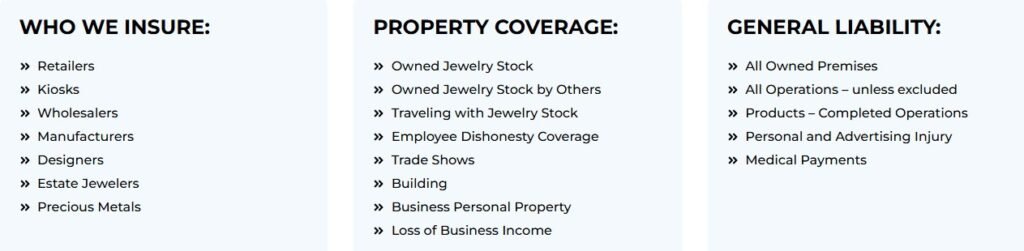
- Match value to exposure. Higher-value Bakelite deserves stronger documentation, tighter handling rules, and insurance that reflects collectible risk rather than generic stock assumptions.
- Keep a file. Photos, measurements, test notes, and condition language protect the sale and support valuation if the piece is later damaged, returned, consigned, or scheduled on a policy.
The strongest Bakelite appraisals treat value as a mix of demand, condition, and breakage exposure. That is the standard jewelers need if they want margins that hold up after the sale, not just at the moment of purchase.
Buying and Selling Bakelite A Strategic Guide for Jewelers
A lot of Bakelite mistakes happen after authentication, not before it. A jeweler confirms a bracelet is real, gets excited, and buys it without thinking about liquidity. Real doesn’t always mean easy to sell. Collectible doesn’t always mean right for your store.
That’s why vintage Bakelite bracelets need a buying strategy, not just a taste-based approach.
Buy for your market, not someone else’s
Platforms such as Etsy and Ruby Lane show broad availability, but they don’t tell you enough about regional demand or collector demographics. The market segmentation issue is outlined in this overview of Bakelite marketplace gaps, which notes that carved Art Deco pieces may move well in a coastal city while butter-yellow bangles may be slower in other regions.
That should influence how you source.
If your store has a vintage-savvy customer base, you may be able to own inventory outright and hold for the right buyer. If your local market buys primarily bridal and diamond fashion, Bakelite may perform better as curated consignment or as occasional estate-feature inventory rather than a stocked category.

Three ways to handle inventory risk
Buy outright when you know the lane
Outright purchase makes sense when the bracelet fits your store’s established customer pattern. That usually means you know which colors, profiles, and periods your clients already ask about. In that case, speed matters because good pieces don’t wait around.
Use consignment for experimental categories
If you’re testing Bakelite as a category, consignment can protect capital. It lets you learn what your market responds to without tying up too much cash in niche stock that may sit.
Build around a narrow specialty
Some jewelers do best by becoming known for a specific slice of the category. Not all Bakelite. Just bangles. Or just carved examples. Or just strong Art Deco color stories. A tighter lane creates clearer merchandising and more consistent customer expectations.
If you can’t describe your ideal Bakelite buyer in one sentence, you probably shouldn’t build depth in the category yet.
Selling depends on presentation discipline
Bakelite suffers when photographed like generic costume jewelry. The wrong lighting flattens carving and kills color. The wrong background makes every bracelet look like molded plastic from a flea market. Good photos increase confidence because buyers can study patina, edge wear, and shape.
If your team needs a refresher on lighting, angles, and surface control, this guide on how to improve your product photography is worth reviewing before listing inventory.
A strong sales file should include:
- Multiple angles that show outer wall, inner wall, and edge condition
- True color images that don’t oversaturate or shift tones
- Exact measurements for inner diameter and width
- Direct condition notes that mention chips, cracks, repairs, or uncertainty
- Category language that educates without overstating
Don’t ignore event-based demand
Vintage categories often perform best when attached to a story, a collection drop, or an event rather than left to passive browsing. In-store vintage showcases, themed estate events, and trade-show style presentations can help spotlight niche inventory in a way a standard case layout won’t. Even a visual tied to an industry setting like a jewelry show environment can remind you how much presentation changes perceived seriousness.
The practical rule is simple. Don’t stock Bakelite because it’s interesting. Stock it because you know who will buy it, how you’ll present it, and how long you’re willing to hold it.
Protecting Bakelite Assets Care Storage and Insurance
The more experience a jeweler has with Bakelite, the less casual they become about handling it. These bracelets don’t only face theft risk. They face breakage risk, surface damage risk, transit risk, and the quiet risk of being treated like ordinary fashion stock by staff who don’t know what they’re touching.
That’s why protection starts long before a claim.

Daily care that prevents avoidable loss
Bakelite should be stored and handled with restraint. Heat, harsh cleaners, rough stacking, and careless tray handling all create unnecessary exposure. A bracelet that survives decades can still fail in a store if it’s dropped into a mixed bin or pressed tightly against harder stock.
Basic care habits matter:
- Separate hard pieces. Don’t let bangles rub against metal jewelry, watches, or other rigid bracelets in storage.
- Limit chemical contact. Keep household cleaners, strong polishing compounds, and unknown solvents away from the material.
- Control handling. Train staff to support a bracelet evenly and avoid forcing it over displays that stress the circumference.
- Document pre-existing issues. Intake photos and notes reduce confusion later if a crack worsens or a customer questions condition.
Storage and transit need their own rules
Most jewelers think about showcases first. Storage is where many Bakelite losses begin. Use padded compartments. Avoid overpacked drawers. If the piece is going to a show, an appraiser, or a client review, wrap it so it can’t knock against other items in transit.
That sounds basic, but niche collectibles often get damaged during ordinary movement because the staff member packing them doesn’t recognize the category. A gemstone ring announces fragility. A plastic bracelet often doesn’t.
The dangerous phrase in a jewelry store is “it’s just costume.” That assumption changes how people pack, clean, tag, and display the piece.
Why standard coverage can fall short
Once Bakelite moves from curiosity to collectible inventory, insurance has to reflect that change. A bracelet that is authenticated, documented, and valued as collectible stock should not be treated as generic low-value accessory merchandise in your internal risk planning.
For a jewelry business, the true exposure isn’t only physical breakage. It’s the combination of theft, mysterious disappearance, damage in transit, employee handling incidents, and disputes over value after loss. Those problems become harder when inventory records are thin or when a specialty category sits inside a broad property schedule without enough detail.
Specialized insurance becomes part of sound operations, not an afterthought. Jewelers with estate inventory, vintage cases, consignments, or mixed collectible stock should review how niche items are scheduled, described, transported, and supported by documentation. The same discipline you’d apply to a diamond ring in a high-value jewelry setting should apply, in proportion, to collectible Bakelite if the piece has meaningful value and replacement complexity.

A practical protection file for each important piece
For stronger Bakelite inventory, keep a file that includes:
| Record item | Why it matters |
|---|---|
| Intake photos | Establishes condition before display or sale |
| Measurements | Helps identify the exact bracelet after loss or mix-up |
| Authentication notes | Shows the basis for representation and valuation |
| Condition disclosures | Supports claims handling and customer communication |
| Purchase source or consignment record | Clarifies ownership and acquisition details |
This file isn’t bureaucracy. It’s your defense against memory-based decision-making after something goes wrong.
Care reduces avoidable damage. Documentation reduces disputes. Proper insurance reduces the chance that one specialty loss turns into an uninsured lesson.
Frequently Asked Questions About Bakelite Jewelry
Can a cracked Bakelite bracelet be repaired, and does it hurt value
A cracked bracelet can sometimes be stabilized, but the market usually treats it as a repaired piece, not a clean example. That affects buyer confidence, resale flexibility, and claim handling if the condition was not documented before the repair.
Describe the issue plainly. Note any crack, adhesive, pinning, fill, or reinforcement in the listing and in your inventory file. For higher-value pieces, keep before-and-after photos so there is no dispute later about when the damage occurred.
Is dust from polishing or cutting Bakelite safe
Avoid breathing or spreading dust from cutting or aggressive polishing. In a jewelry shop, that means controlling the work, using proper bench safety procedures, and asking whether the job should be done at all.
For collectible Bakelite, cutting is rarely a good trade decision. You risk damaging value, creating identification problems, and turning a saleable period piece into altered stock.
How do I spot convincing modern reproductions
The better reproductions usually fail on a combination of details rather than one obvious flaw. Color may be close, but the surface looks too even. Carving may look attractive, but the wear pattern feels staged. A bracelet may pass a quick glance across the counter and still feel wrong the moment you handle it beside known period material.
Watch for a cluster of warning signs:
- Fresh, overly uniform surfaces on a bracelet represented as old
- Wear that appears evenly distributed instead of naturally developed
- Design details from different periods mixed together without consistency
- Strong claims from a seller with no supporting notes or provenance
- Hardware, spacers, or findings that do not match the age of the piece
One wrong detail does not settle the question. Several together usually do.
What’s the safest way to clean and polish Bakelite
Use the mildest method that solves the problem. Start with a soft dry cloth. If more cleaning is needed, keep it light and stop once the bracelet is presentable.
Do not chase a bright finish just because the material can take one. Many buyers want age-appropriate surface character, and aggressive polishing can strip that away. If a piece has paint, applied decoration, repaired areas, or open cracks, reduce handling and leave restoration decisions to someone who understands the risk to value.
Should I stock Bakelite if I’m not a vintage specialist
Yes, if you keep the category controlled. A small group of well-documented bracelets is easier to price, store, describe, and insure than a tray of loosely vetted estate pieces.
Start with examples you can explain confidently to a customer and to your insurer. That means clear photos, measurements, condition notes, acquisition records, and conservative descriptions. If demand grows, build procedures before you expand inventory.
What’s the biggest mistake jewelers make with vintage bakelite bracelets
They treat Bakelite as a simple costume category when it behaves like specialty property. The mistake shows up in several places at once. Weak authentication, casual condition grading, thin paperwork, and vague insurance schedules all create avoidable exposure.
Authenticity does not guarantee an easy sale. A genuine bracelet with a repair, a size issue, or weak color can sit for months, while a stronger piece with clean documentation moves faster and creates fewer disputes after the sale. Good operators buy selectively, describe carefully, and insure the better pieces according to their replacement difficulty, not just their material cost.
If your store carries vintage inventory, estate jewelry, consignments, or other high-value niche pieces, specialized coverage matters. First Class Insurance helps jewelers protect stock, shipments, showcases, and hard-to-value collectible assets with Jewelers Block insurance built for the realities of a jewelry business.