
A waiver of subrogation is a powerful handshake agreement built right into your insurance contracts. It stops your insurance company from going after a third party to get its money back after paying your claim.
Think of it as a pre-negotiated peace treaty. It’s a clause that tells your insurer to stand down and not sue a business partner—like your landlord or a trusted contractor—after a covered loss. For any jeweler managing high-value inventory, this is a cornerstone of smart risk management.

What Does This Actually Mean for My Jewelry Business?
Instead of some dry legal definition, think of it as a tool for keeping the peace. It prevents your insurance carrier from turning an accident into a messy lawsuit against a partner you rely on.
Let's say your landlord’s shoddy plumbing work causes a pipe to burst, flooding your showroom and ruining thousands in inventory. Your Jewelers Block insurance policy kicks in and covers your losses. But with a waiver of subrogation in your lease, your insurer’s involvement stops there. They are blocked from suing your landlord to recover the money they just paid you.
This single clause is a strategic move that keeps your business relationships from turning sour. The benefits are immediate and clear:
- Protects Key Partnerships: You avoid the nightmare of your insurer suing a valued landlord, vendor, or repair service you need to work with every day.
- Fulfills Contract Requirements: More and more commercial leases and vendor contracts absolutely demand you have this waiver. Without it, you might not even be able to sign the deal.
- Stops Lawsuits Before They Start: It saves you the enormous headache, time, and money of being caught in the middle of a legal fight.
This simple clause is your key to preserving the critical relationships that keep your business running. By adding it to your contracts and making sure it's endorsed on your Jewelers Block insurance policy, you’re choosing business stability over messy legal battles.
Ultimately, a waiver of subrogation is a proactive risk management tool. It prioritizes your operational continuity above all else. Understanding how it works is the first step toward building a truly resilient insurance for your jewelry business.
How a Waiver of Subrogation Works in Real Life
Let's put this into a real-world context every jeweler fears. An electrician is in your showroom upgrading the lighting, but their faulty wiring sparks a devastating electrical fire overnight.
The damage is catastrophic. Your custom showcases are gone, and millions of dollars in one-of-a-kind inventory—your most critical asset—are ruined by smoke and flames. From this point on, whether or not you have a waiver of subrogation in your contract completely changes the outcome.
Path 1: No Waiver Means Conflict and Chaos
If your contract with the electrician had no waiver, get ready for a messy, drawn-out fight.
First, you file a claim. Your Jewelers Block insurance policy pays for the damages, which is a relief. But your insurer’s job isn't done. They now have the right to subrogate, so they immediately turn around and sue the electrician to get back the money they paid you.
Now, your business is caught in the middle of a legal war. The relationship with your contractor is destroyed, and your time is wasted in depositions and court proceedings instead of focused on rebuilding.

As the diagram shows, a waiver acts as a pre-agreed peace treaty, stopping the conflict before it can derail your business relationships.
Path 2: A Waiver Ensures Smooth Recovery
Now, let's replay that same disaster, but this time you had a waiver of subrogation in your contract and it was correctly endorsed on your policy.
Your insurer pays your claim for the full value of the lost inventory and property. That’s it. The story ends there. Because of the waiver, your insurance company is legally blocked from suing the contractor. The lawsuit never even starts.
A waiver of subrogation allows all parties to rely on their respective insurance policies to cover losses, preventing costly finger-pointing and preserving vital business relationships.
This simple agreement prevents an accident from becoming a legal nightmare. You can put 100% of your energy back into what matters—restoring your showroom and serving your customers. This is absolutely critical in a business with complex supply chains, like those involving international sea freight, where you depend on multiple vendors.
The data backs this up. A 2023 report from the Construction Industry Institute found that projects with clear waiver of subrogation clauses had a 30% reduction in insurance-related disputes. In a high-stakes industry like jewelry, where legal fees can easily top $50,000 per case, that's not just a statistic—it's a massive financial shield.
Why Do My Business Partners Keep Asking for a Waiver?
If you’ve ever been handed a contract from a landlord or shipping partner with a waiver of subrogation clause, it’s easy to feel like you’re being strong-armed. But this isn't a one-sided power play. It’s actually a smart, standard way for businesses to manage risk and keep things predictable for everyone involved.
Think of it from their perspective. They want to lease you space, handle your valuable goods, or let you exhibit at their show without the constant worry that one slip-up could trigger a massive lawsuit from your insurance company. It’s all about making sure an accident doesn’t spiral into a legal and financial nightmare.
It's About Agreeing on the Rules Before the Game Starts
At its heart, a waiver of subrogation is simply an agreement made before anything goes wrong. It decides ahead of time whose insurance will foot the bill if a loss happens, which prevents a messy legal fight later.
When a partner asks for a waiver, they’re essentially saying, "Look, if something happens, let's just have our own insurance companies take care of us. No suing each other."
This gives them peace of mind. They know that if they accidentally cause damage that’s covered by your Jewelers Block insurance, your provider can’t turn around and sue them to get its money back. For anyone dealing with high-value goods like yours, that’s a huge relief. A multi-million dollar lawsuit could easily sink their business.
A waiver of subrogation protects your partners from surprise lawsuits for losses that your own insurance policy was already designed to cover. It keeps business relationships collaborative, not combative.
By settling this upfront, both you and your partner can get back to focusing on business, not on what-if legal battles.
Who Asks for a Waiver and Why?
The request for a waiver pops up in all sorts of common business arrangements. Here’s a quick breakdown of who typically asks for one and what their main motivation is.
| Requesting Party | Common Scenario | Primary Motivation for Requesting Waiver |
|---|---|---|
| Landlord | Leasing you retail or office space. | To prevent your insurer from suing them if a building issue (e.g., faulty wiring, leaky pipe) damages your inventory. |
| Contractor | Renovating your showroom or installing new security. | To avoid a lawsuit if their work inadvertently causes a fire, flood, or other damage to your property. |
| Shipping Partner | Transporting your goods via armored car or courier. | To protect themselves from a claim if your merchandise is lost or damaged while in their care. |
| Event Organizer | Setting up a booth at a trade show or exhibition. | To prevent a chain reaction of lawsuits between exhibitors' insurers if an incident occurs at the venue. |
| Security Firm | Providing guards or alarm monitoring services. | To ensure they aren't held liable by your insurer for a theft or loss that occurs on their watch. |
In each case, the goal is the same: to create a predictable financial outcome where your insurance for a jewelry store is the primary safety net.
Of course, waivers are just one piece of the contractual puzzle. You'll often see them alongside other risk-management tools like indemnification clauses, which are also designed to clearly define who is responsible for what.
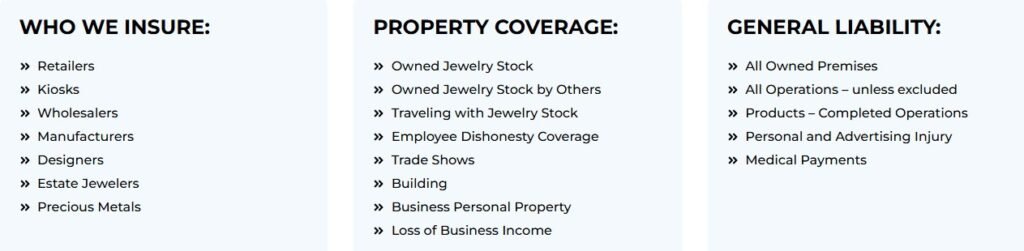
Navigating these requirements can feel complex, but you don't have to do it alone. The experts at First Class Insurance Jewelers Block Agency can review these contracts with you, making sure your insurance for jewelry business operations is correctly set up with the right endorsements.
Weighing the Pros and Cons for Your Jewelry Business
Agreeing to a waiver of subrogation isn’t just signing a piece of paper; it's a strategic business decision. When you’re dealing with insurance for a jewelry store, it means you're intentionally trading your insurer's right to sue someone for the sake of a business relationship. It's a calculated risk, forcing you to weigh the immediate perks of a solid partnership against the potential long-term hit to your claims history.
The main reason you'd do this? To keep the peace. When you grant a waiver to a landlord or a critical vendor, you're essentially promising that your insurance company won't come after them if they cause a loss. This simple act can solidify your reputation as a smart, easy-to-work-with partner, opening doors to better deals and smoother day-to-day operations.

The Advantages of Granting a Waiver
On the "pro" side, the reasons for agreeing to a waiver are powerful, especially in an industry as interconnected as the jewelry world. The benefits often directly fuel your business's growth and stability.
- Fulfills Contractual Obligations: In today's market, this is often non-negotiable. Prime retail leases, shipping contracts, and event agreements frequently demand a waiver. Refusing could mean losing out on a great location or a key partnership.
- Prevents Damaging Disputes: A waiver acts like a pre-signed peace treaty. It stops an accident from spiraling into a lawsuit that pits your insurer against a partner you rely on. You avoid the cost, stress, and distraction of getting caught in the middle.
- Strengthens Business Relationships: By taking the threat of a lawsuit off the table, you build enormous trust. Landlords and shipping partners see you as a sophisticated operator who manages risk intelligently, which can lead to better terms and a more collaborative relationship.
At its core, a waiver of subrogation puts your business relationships and operational harmony first, ahead of your insurer’s ability to recover money. It’s a deliberate choice to protect the ecosystem you operate in.
For any business handling high-value goods, from modern fine jewelry to irreplaceable antique jewelry, that network of trusted partners is everything.
Understanding the Disadvantages and Risks
On the other side of the scale, the "con" is a big one. When you sign that waiver, you’re telling your insurance company they can't go after a negligent third party to get back the money they paid you for a claim.
This means the loss stays squarely on your record. A major claim—think fire, flood, or a significant theft—is going to impact your loss history. Over time, a bad loss history can lead to much higher premiums or, in a worst-case scenario, make it difficult to get good insurance for jewelry business operations at all. You're choosing to absorb the financial risk yourself.
Don't underestimate the legal power of these waivers. Courts consistently uphold them, as seen in landmark cases like Intergovernmental Risk Management v. O’Donnell, Wicklund, Pigozzi & Peterson Architects, where a waiver clause completely blocked an insurer's attempt to recover funds. The legal system sees these as a fair, pre-agreed way for businesses to allocate risk among themselves.
Making the Right Business Decision
For most jewelers, the math is pretty clear. The value of securing a lease in a high-traffic mall or building a long-term relationship with an armored carrier almost always outweighs the potential recovery from a one-off lawsuit. The risk of torpedoing your entire operation over a single incident is just too high.
The decision to grant a waiver of subrogation is a business strategy, plain and simple. It's about weighing the concrete, immediate benefits of a partnership against the abstract, potential risk of a future premium hike. When you're navigating these kinds of trade-offs, getting an expert opinion is key. The team at First Class Insurance Jewelers Block Agency can help you evaluate your options and make sure your Jewelers Block insurance is structured to protect your long-term success.
How Waivers Impact Your Insurance Premiums
Does signing a waiver of subrogation automatically mean your insurance costs will spike? It's a common fear, but it's mostly a myth. In fact, smart insurers often see a jeweler who uses waivers as a sign of a well-run, lower-risk business.
From an underwriter’s point of view, it shows you’re more interested in stable business partnerships than in picking messy, expensive legal fights after a loss. It proves you have a solid risk management strategy, which actually makes your business more attractive to insure.
The Bigger Picture in Risk Management
Insurance carriers know the truth: chasing a third party for money through subrogation is a long, costly process with no guarantee of success. Litigation is a gamble, and it rarely recovers the full amount of the claim.
Forward-thinking insurers like First Class Insurance often view the use of a waiver of subrogation not as a liability, but as a sign of sophisticated risk management that prioritizes partnership stability over uncertain legal recovery.
By agreeing to a waiver, you shut down this legal friction before it starts. This helps keep your loss history clean, and a clean loss history is one of the biggest factors underwriters look at when pricing your insurance for a jewelry store.
It’s all about focusing on what really matters. A waiver of subrogation helps build a healthier, more predictable insurance profile for your insurance for jewelry business. The long-term stability you gain is almost always worth more than the slim chance of winning a subrogation lawsuit.
Debunking the Cost Myth
Here’s the thing: aggressive, often-failed recovery lawsuits can drive up insurance rates for everyone. Waivers help break that cycle. Even when an insurer does win a subrogation case, industry experts note they typically only get back 40-60% of what they paid out. You can find more insights on how these costs impact insurers and clients on IRMI.
That shortfall has to be covered somehow, and it's often passed on to policyholders through higher premiums. Policies that allow for pre-loss waivers—which are standard in most commercial insurance—help you avoid this problem entirely. For a jeweler who depends on good relationships with landlords and vendors, this is a huge advantage.
A Small Cost for Major Peace of Mind
While your insurer might charge a small fee to add a waiver endorsement to your policy, that cost is nothing compared to the financial and relational headaches you'll avoid.
Think of it this way. You're paying a tiny price to:
- Avoid Lawsuits: You sidestep the massive legal bills and business disruptions that come with suing a partner.
- Protect Partnerships: You keep the critical relationships with your landlord, armored carrier, or supplier intact.
- Get Predictable Premiums: You help maintain a stable loss history, which is the key to keeping your insurance costs predictable year after year.
For a jeweler, what's the value of keeping your lease in a prime mall or your contract with a trusted armored car service? It's immense. That small administrative fee for a waiver is a bargain compared to the fallout from a lawsuit.
When you need to Get a Quote for Jewelers Block insurance, make sure you discuss your contracts with an expert at First Class Insurance Jewelers Block Agency. We can structure your policy to support your business relationships while ensuring your coverage is ironclad and affordable.
Adding a Waiver to Your Jewelers Block Policy
So, you’ve decided you need a waiver of subrogation. Getting one added to your Jewelers Block insurance isn't complicated, but it’s a step you absolutely have to get right. Let's walk through exactly how to make it happen.

Your first move is to become a bit of a detective. Start by digging into your business contracts. Comb through your commercial lease, agreements with vendors, and even your shipping arrangements to see who is asking you to provide a waiver. This initial review is crucial—it maps out exactly what your contractual obligations are.
Working with Your Insurance Expert
Once you have a clear picture of what’s needed, it’s time to call your insurance professional. An expert at First Class Insurance Jewelers Block Agency can pinpoint the right endorsement for your policy. The key is to do this before something goes wrong, because a waiver can't be added after a loss has already happened.
You’ll typically run into two kinds of endorsements:
- Specific Waiver: This is tied to a single person or company named in your contract, like your landlord. It’s the perfect fit for a one-off agreement that requires a waiver.
- Blanket Waiver: Think of this as a broader shield. It automatically covers any party you have a written contract with that requires a waiver. For a jeweler juggling multiple partners, suppliers, and vendors, this is often the most practical option.
Your agent will help you decide which approach makes the most sense for your business.
When you request a waiver, your insurer doesn't just give you a verbal thumbs-up. They issue a formal amendment to your policy called an endorsement. This legally changes your coverage terms and is then listed on your Certificate of Insurance (COI) as proof for your partners.
Finalizing Your Coverage
After the endorsement is in place, you’ll get an updated Certificate of Insurance (COI). This is the document you hand over to your landlord or vendor to prove you’ve met their requirement. Always double-check that the COI clearly states the waiver and correctly names the other party (if it’s a specific waiver). This simple check can save you from a world of trouble later on.
Getting the right insurance for your jewelry business means sweating these details. That’s why it’s so important to partner with an agency that lives and breathes the jewelry industry. If you're interested in learning more about specialized coverage, you might want to look into our partnerships with top underwriters, including Lloyd's of London.
Ready to lock in the right protection? Don't leave your partnerships and inventory exposed. Contact an expert at First Class Insurance Jewelers Block Agency today to review your contracts and Get a Quote for Jewelers Block insurance that includes the waivers you need. We’ll make sure your coverage is seamless, protecting both your assets and your business relationships.
Common Questions About Waivers of Subrogation
When you get into the nitty-gritty of waiver of subrogation, a few key questions always pop up. Let's cut through the jargon and get you some straight answers to protect your insurance for jewelry business.
Is a Waiver of Subrogation Required by Law?
No, not at all. A waiver of subrogation isn't something a government body forces on you; it’s a private agreement between two parties. Think of it as a business handshake written into a contract.
A landlord might ask for one in your lease, or a contractor might require it before starting work in your store. You’re agreeing to it as part of a deal to set clear rules and head off potential lawsuits between you and your business partners.
Will My Insurer Refuse to Add a Waiver?
That's highly unlikely. Most commercial insurance companies, especially those who specialize in Jewelers Block insurance, see these requests every day. They know that waivers are a standard cost of doing business.
Your insurer will almost always add the waiver to your policy with a simple endorsement. It’s a routine administrative task, often costing little more than a small fee.
What Is the Difference Between a Waiver of Subrogation and Indemnity?
This is a big one. They often show up in the same contract and both deal with shifting risk, but they work in completely different ways. Getting the distinction right is crucial for managing your insurance for a jewelry store.
Here’s the simple version:
- A Waiver of Subrogation is like telling your insurance company, "If you pay my claim, you are not allowed to go after this specific person to get your money back." It's a shield you give to your partner.
- An Indemnity Clause is a direct promise you make to someone else. You’re saying, "If this specific thing goes wrong and you suffer a loss, I will personally pay you back." It’s a promise to cover a debt, not a block on an insurance lawsuit.
Can I Get a Waiver After a Loss Has Already Occurred?
Absolutely not. A waiver of subrogation must be in place before a loss happens. You can't put out a fire and then try to buy a fire extinguisher for it.
It's a proactive risk management tool, and it has to be formally added to your insurance policy ahead of time. This is why it’s so important to read contracts carefully and call your agent at First Class Insurance Jewelers Block Agency the moment you know a waiver is needed.
Protecting high-value inventory is about more than a basic policy—it’s about having an expert build a fortress of protection around your assets. The team at First Class Insurance specializes in crafting coverage that secures your business and strengthens your professional relationships. Don't wait until a contract demands it and puts you in a tight spot. Get a Quote for Jewelers Block insurance today and make sure your protection is airtight.