
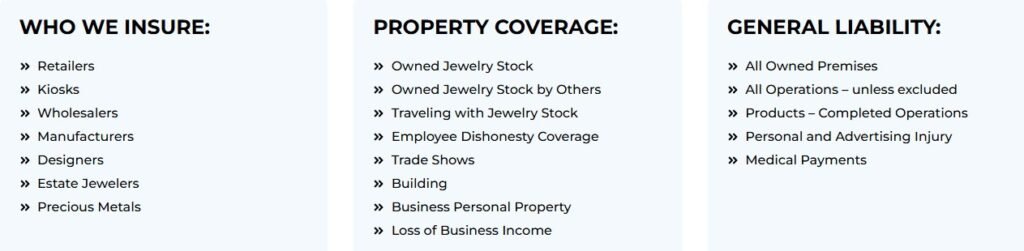
A jewelry store owner usually hears the phrase “bonded and insured” at exactly the wrong moment. A landlord adds it to a lease requirement. A consignor with a high-value estate piece asks for proof before turning over the item. A trade account wants assurance before releasing goods on terms. The owner already understands insurance. The word bonded is where the confusion starts.
In the jewelry trade, that confusion matters. You handle small, portable, high-value property. You may take in repairs, hold memo goods, manage consignments, ship inventory, and trust employees with showcases, back-room stock, and customer pieces. In that environment, “what does it mean to get bonded” isn’t a technical question. It’s a business access question.
A bond can help you qualify for opportunities that would otherwise stay closed. It can also reassure the party on the other side of the counter that there’s a financial backstop if you fail to meet a specific obligation. But a bond is not the same thing as Jewelers Block insurance, and treating it like a substitute is one of the most expensive misunderstandings I see.
An Introduction to Being Bonded in the Jewelry Trade
A common scenario goes like this. A jeweler is expanding into a better retail location, negotiating a lease, and trying to land a profitable consignment relationship at the same time. One party asks for proof of insurance. The other asks whether the business is bonded. The owner sends over a certificate of coverage and assumes that solves both issues. It doesn’t.
Being bonded means a third party is standing behind a specific obligation of your business. In practical terms, it tells a client, landlord, regulator, or trading partner that if your business fails in a way covered by the bond, there is a formal mechanism for compensation and accountability. That matters in jewelry because trust is always part of the transaction, even when the transaction looks routine.

Bonding didn’t appear by accident. The principle was formally established in the United States through legislation such as the Labor-Management Reporting and Disclosure Act of 1959, which required bonding to protect against fraudulent acts by people handling others’ funds or property, according to the U.S. Department of Labor bonding requirements guidance. The concept later became standard across many industries, including specialized professional services.
Why jewelers get asked for it
The jewelry business creates obvious concerns for anyone trusting you with value:
- Consignors want recourse if goods are mishandled.
- Landlords want financially stable, compliant tenants.
- Clients want reassurance when leaving heirloom pieces for repair.
- Regulators may require a bond for certain licensed activities.
Practical rule: If someone asks whether you’re bonded, they’re usually asking who gets protected if your business fails to do what it promised.
That’s the right lens for the rest of this discussion. A bond supports trust. Insurance supports recovery. A strong jewelry risk program usually needs both.
How a Bond Works A Three-Party Guarantee
A bond sets clear financial accountability before a problem happens. In a jewelry business, that matters when you are holding memo goods for a designer, taking in a six-figure estate piece for repair, or signing a lease that requires proof you will meet specific obligations.

The three parties in plain English
A surety bond has three parties, and each one has a distinct role.
The principal is the jewelry business that must obtain the bond. That could be a retail store, bench jeweler, wholesaler, pawnbroker, or custom design shop. The obligee is the party that requires the bond. In practice, that might be a state licensing authority, a landlord, a consignor, or a trade partner shipping goods on approval. The surety is the company that issues the bond after reviewing your business and agreeing to stand behind that promise.
For a jeweler, those labels become real fast. If you accept a tray of diamond rings on consignment, you are the principal. The consignor who wants protection is the obligee. The surety backs the obligation if your firm fails to honor the terms of that arrangement.
What happens when a claim is made
If the principal breaks the bonded obligation, the obligee can file a claim. The surety investigates. If the claim is valid under the bond terms, the surety may pay the obligee up to the bond limit, then seek reimbursement from the principal.
That reimbursement point is where jewelers often get tripped up.
A bond can satisfy a client, landlord, regulator, or trade partner who wants a guarantee. It does not relieve your store of the debt if the surety pays. That is one reason bond underwriters look closely at your credit, financial statements, operating history, and internal controls before they approve the bond.
I have seen this catch owners by surprise with employee dishonesty situations. A store owner buys a fidelity-style bond because a consignor requires it. Months later, an employee swaps out mounted diamonds or skims loose stones from repair intake. If the bond form responds, the surety can pay the harmed party first. The store may still have to reimburse that amount, depending on the bond terms and the facts of the loss.
Why jewelers need to read the obligation itself
The bond only responds to the obligation written into it. That sounds obvious, but it gets missed all the time in the jewelry trade.
One bond may be tied to a license. Another may guarantee honest handling of entrusted property. Another may be required by contract before a vendor releases high-value goods on memo. The wording controls the outcome, not the casual statement that a business is "bonded."
That is also why bond discussions often sit next to broader risk questions, including professional liability insurance explained. A jeweler who handles design errors, appraisal work, custom orders, consigned goods, and employee access to inventory usually needs several layers of protection, not a single document.
What sureties want to see from a jewelry business
Sureties prefer applicants who can show discipline. Clean financials help. So do documented intake procedures, dual control over loose stones, inventory counts, background checks for employees handling stock, and clear consignment agreements. Those details matter more in jewelry than in many other trades because the inventory is small, portable, and easy to convert.
Established specialty markets also influence how these programs are placed and evaluated, especially where high-value property and trade practices overlap with Lloyd's-related underwriting channels.

A bond is a promise backed by a surety. For a jeweler, the practical takeaway is simple. If your business causes a covered loss under the bond, the injured party may get paid first, and your business may still be on the hook afterward.
Bonding vs Insurance The Critical Difference for Your Jewelry Business
The distinction often leads to misunderstandings. A jewelry store can be insured and not bonded. It can be bonded and still be badly underinsured. Those are separate problems.
Insurance is built to protect your business from covered losses. A bond is built to protect the party that requires the bond if you fail to perform or act dishonestly within the bond’s terms. One transfers risk. The other guarantees conduct or performance.
Surety Bonds vs Jewelers Block Insurance at a Glance
| Feature | Surety Bond | Jewelers Block Insurance |
|---|---|---|
| Primary purpose | Guarantees a defined obligation | Protects the jewelry business against covered losses |
| Who is protected first | The obligee, such as a client or regulator | The insured business, subject to policy terms |
| Contract structure | Three parties | Two parties |
| If a claim is paid | The surety can seek reimbursement from the principal | The insurer generally pays covered claims under the policy terms |
| Best use in jewelry | Licensing, contractual assurance, employee dishonesty guarantees in certain forms | Stock, customer property, tools, showcases, transit exposures, and other covered operational risks |
A practical comparison
Suppose an employee steals inventory from a jewelry store. A fidelity-style bond may respond depending on the bond form and facts. But if a fire damages showcases and stock, or a package disappears in transit, that’s generally an insurance problem, not a bond problem. If a customer alleges a professional mistake in appraisal or advice, you may need a different coverage discussion entirely. A broader overview of that category is covered in this guide to professional liability insurance explained.
This is why serious owners don’t ask, “Do I need a bond or insurance?” They ask which exposures belong in each bucket.
What works and what doesn’t
What works is matching the tool to the exposure:
- Use bonds for obligations someone else requires you to guarantee.
- Use Jewelers Block insurance for the physical and operational risks of running a jewelry business.
- Use specialized policies when your work creates professional, cyber, auto, or property exposures outside the bond’s purpose.
What doesn’t work is showing a bond to satisfy an insurance requirement, or showing an insurance certificate when a contract specifically requires a bond. Those documents solve different problems. A strong jewelry business risk program recognizes that difference from the start.

Key Bond Types Every Jeweler Should Understand
A jeweler doesn’t need every bond on the market. But most jewelry businesses should understand the bond categories that show up in real operations, hiring, licensing, and importing.

Fidelity bonds for employee dishonesty
A repair shop owner may trust a bench jeweler with unsupervised access to customer pieces, loose stones, intake envelopes, and digital inventory records. That trust is necessary. It’s also a control point.
A fidelity bond is designed around employee dishonesty risk. In jewelry, that can include theft of inventory, customer property, cash, or other entrusted assets. This is one reason owners ask job candidates whether they’re bondable before placing them in sensitive roles.
Contract and performance bonds for promised work
These bonds matter when a jeweler takes on obligations that someone wants formally guaranteed. A custom manufacturer promising delivery under a major contract may be asked to back that promise with a bond. A wholesaler entering a large account relationship may face a similar demand when the other side wants stronger recourse than a handshake and invoice terms.
These bonds don’t make a weak operation stronger. They expose weaknesses faster. If your books are disorganized, your margins are unstable, or your production process is unreliable, the bond application will surface those problems quickly.
In practice, a bond often tells the other side, “This jeweler has been vetted well enough that a surety is willing to stand behind the obligation.”
License and permit bonds
Some jewelers discover bonding because a city, county, or state requires it for a license or permit. This comes up more often with businesses handling secondhand goods, regulated transactions, or operations subject to consumer-protection rules.
The key mistake here is assuming your general business license covers everything. It may not. If you buy estate jewelry, deal in pre-owned pieces, or expand into activities with separate licensing rules, bond requirements can change.
Customs bonds for importers
If you import finished jewelry, loose stones, metals, components, or findings, customs bonding becomes its own operational issue. According to Expeditors’ explanation of customs bond saturation, U.S. Customs requires a bond covering at least 10% of the duties, taxes, and fees paid over a 12-month period. The same source explains that a $100,000 customs bond supports up to $1 million in import-related fees annually.
That matters for jewelers because growth can outpace the bond on file. You increase shipments, duty volume rises, and suddenly your bond is too small for current activity. When that happens, delays, paperwork, and avoidable friction can hit the supply chain.
The right question to ask
Don’t ask, “Which bond is cheapest?” Ask:
- Who requires the bond
- What exact obligation it guarantees
- What triggers a claim
- Whether it overlaps with existing insurance or leaves a gap
That question set gets you much closer to a useful answer than shopping by premium alone.
How to Get Your Jewelry Business Bonded A Step-by-Step Process
A wholesaler agrees to send your store three memo trays for bridal appointments, but the contract requires a bond before the first shipment leaves their vault. At the same time, you are hiring a bench jeweler who will handle customer stones, repair intake, and access to back-room inventory. In jewelry, bonding usually starts when someone with money or merchandise at risk wants proof that your business can meet a specific obligation.

Step 1, identify the exact requirement
Start with the document that created the requirement. That might be a lease, a state license application, a customs filing, a vendor agreement, or a consignment contract. If the other party says, “We need you bonded,” ask for the bond form, the statute, or the contract clause.
Get four items nailed down before you apply:
- The bond type
- The bond amount
- The legal name of the obligee
- Any required wording or form
This step saves time because a janitorial service bond, a license bond, and a fidelity bond solve different problems. I have seen jewelers ask for the wrong bond only because the request came over the phone and nobody checked the written requirement.
Step 2, match the bond to the real jewelry risk
The bond should fit the exposure, not just the label. If your concern is employee theft of loose stones, repair items, or memo goods, you may be looking at a fidelity bond or employee dishonesty coverage structure. If the issue is a city or state requirement tied to secondhand dealing, you may need a license or permit bond. If you are importing finished jewelry or components, the bond requirement can come from customs rules instead.
This is also the point where owners need to stop treating a bond as a substitute for Jewelers Block. It is not. A bond addresses a defined obligation to another party. Jewelers Block addresses physical loss exposures that are common in this trade, such as theft, robbery, transit loss, or damage to stock. Good risk planning uses both when the business calls for both.
Step 3, prepare for underwriting
Sureties look for signs that you run a controlled operation and can repay the surety if a claim is paid. For a jewelry business, that review often turns on the same details a cautious consignor or landlord would want to see.
Be ready to provide:
- Business and ownership information
- Operating history
- Financial statements or business financials
- Details on the contract, license, or transaction requiring the bond
- Any prior claims, legal issues, or bankruptcies
- Information about internal controls if employees handle valuable goods
For example, if staff members check in repairs, move stones between the shop and showroom, or ship pieces out for setting, underwriters want to see that inventory custody is documented. Sloppy logs and vague job duties raise more concern in a jewelry store than they would in a lower-value retail business.
The educational material from Prestizia’s surety bond experts gives a useful overview of how specialized bond placement typically works.
Step 4, review price and approval terms carefully
Bond cost depends on the bond type, amount, and the applicant’s credit and financial profile. Strong applicants usually get better terms. Weaker files often still get approved, but at a higher cost or with added conditions.
Owners sometimes focus only on premium and miss the larger issue. A cheap bond that uses the wrong obligee name or the wrong statutory wording can hold up a license, delay a shipment, or kill a consignment relationship. In practice, speed and accuracy matter as much as price.
Step 5, check the issued bond before it goes out
Read the bond line by line before it is filed or delivered. Confirm the obligee name, legal business name, address, bond amount, effective date, and any rider or form language. One typo can force a reissue.
That matters more in jewelry than many owners expect. If you are trying to open a new location, secure a landlord approval, or satisfy a vendor before a holiday order is released, even a short delay can affect revenue.
Step 6, keep the bond current as the business changes
A bond should stay aligned with what your store does. If you add estate buying, begin importing more product, expand into wholesale, take in larger consignments, or give employees broader access to customer property, review your bond requirements again.
Keep copies of every active bond with your license records, contracts, and insurance documents. That file should be easy to reach when a mall landlord asks for proof, a regulator requests a renewal, or a trade partner wants confirmation before sending high-value goods.
The True Value and Limits of Being Bonded
Being bonded can make your business look stronger because, in the right context, it is stronger. It signals that your operation has cleared a level of outside review and that another party has a formal avenue of recourse if you fail to meet a defined obligation. In jewelry, that can help when you’re trying to secure a better lease, win a consignment relationship, qualify for a license, or take on larger trade commitments.
It also creates internal discipline. Owners who know a surety may step in and then seek reimbursement tend to pay closer attention to controls, recordkeeping, chain of custody, and employee access. That alone has value.
Where a bond helps most
A bond is especially useful when your business needs to prove reliability to someone who is taking a financial risk by trusting you. That could involve entrusted goods, a contractual promise, or compliance with a licensing requirement.
Bonding can also deter misconduct. When employees know the business has formal controls and fidelity protections in place, the environment changes. It becomes harder to treat inventory slippage, undocumented stone swaps, or missing repair items as minor problems.
Where a bond stops helping
A bond is not broad protection for your operation. It doesn’t replace jewelry store insurance. It doesn’t stand in for insurance for a jewelry store when stock disappears, a burglary occurs, a fire damages fixtures, or a shipment is lost in transit. Those are the exposures that call for dedicated insurance for a jewelry business, especially a well-structured Jewelers Block policy.
If you remember only one thing, remember this: a bond helps prove trustworthiness to others. Insurance helps your business survive covered losses.
That’s why prudent jewelers build both into the same risk plan instead of choosing one and hoping it acts like the other.
Common Bonding Questions from Jewelers and Collectors
Is being bondable the same as being bonded
No. Bondable usually refers to a person, not the business itself. The term means a candidate can pass a surety company’s background review for a fidelity bond. The Indeed explanation of bondable status notes that jewelers often care about this for employees with unsupervised access to high-value inventory, because an unbondable applicant can create a significant liability.
How can a consignor or collector verify a jeweler’s standing
Ask for direct proof. That may include a current bond document if a bond is relevant to the transaction, proof of active insurance, business license information, and a clear written consignment or intake agreement. A serious jeweler should also be able to explain who has custody of property, how items are logged, and how losses are handled if something goes wrong.
Can one bond cover every activity in a jewelry business
Usually not. A customs bond serves a different purpose from a license bond. A fidelity bond addresses a different problem from a contractual performance bond. If your business spans retail, repair, importing, memo goods, and secondhand transactions, you may need more than one solution.
What should collectors look for besides bonding
Collectors and high-net-worth clients should look at the whole risk picture. Bonding may be relevant, but it isn’t the whole story. Insurance, intake controls, shipping procedures, employee access, and trade affiliations all matter. Even industry relationships, such as visible connections to organizations represented by the SJTA membership logo, can help a client evaluate professionalism, though they don’t replace proof of coverage or proper agreements.
If you’re still sorting out what does it mean to get bonded for your specific operation, that’s normal. The right answer depends on what you sell, what you hold, who you hire, where you ship, and what promises you make in writing.
If you want a complete review of bonding needs alongside proper Jewelers Block protection, talk with First Class Insurance. They specialize in jewelry risks across retail, wholesale, repair, and high-value property, and they can help you sort out where a bond fits, where it doesn’t, and how to Get a Quote for Jewelers Block that matches the way your business operates.