

You open the silver case before a trunk show, a holiday weekend, or a key wholesale appointment, and the pieces that looked crisp last week now carry a faint yellow cast. A few chains have gone dull. A set of sterling cuffs has started drifting toward brown around the edges. Under showcase lighting, the problem looks even worse.
That’s when tarnish stops being a housekeeping issue and becomes a business problem.
For a jewelry store, wholesaler, estate dealer, or collector managing significant silver holdings, what is tarnish on silver isn’t a casual consumer question. It affects presentation, labor, valuation, and the conversation your staff has at the counter. If a client sees dull stock in the case, they don’t think about atmospheric chemistry. They think the piece is old, neglected, or less valuable than the gold and platinum inventory beside it.
The Hidden Cost of Tarnish in a Jewelry Business
The usual damage shows up in small moments first. A sales associate reaches for a sterling pendant that should be an easy close, then hesitates because the surface looks tired. A buyer reviewing memo goods starts sorting silver into a separate pile because it needs bench attention before it can go on display. A repair shop calls a client to say their pick-up will be delayed because a matching silver component needs re-finishing before it leaves the store.
None of that appears on a line item labeled “tarnish loss,” but every jeweler recognizes the drag. Tarnish slows turnover, creates preventable bench work, and makes good inventory look second-tier. It also invites risky cleaning shortcuts. Staff start over-polishing high points, rushing chains through dips, or wiping aggressively before photography. Those are exactly the habits that can turn a reversible surface film into visible wear.
There’s also a reputation issue. In a luxury environment, clients expect silver to look intentional, not neglected. Antique or oxidized styling is one thing. Random haze on fresh merchandise is another. The difference is obvious to a trained eye and often obvious to the customer too.
A lot of owners learn this the hard way right before an event. You prep the showcases, rotate key pieces, then discover that your best sterling assortment needs attention at the same time your staff should be selling. If your inventory includes estate or period material, the stakes get higher because cleaning choices can change value. That’s why many jewelers start treating silver storage and presentation with the same seriousness they give security and chain-of-custody, especially when the stock includes pieces comparable in visual impact to high-value period jewelry inventory.
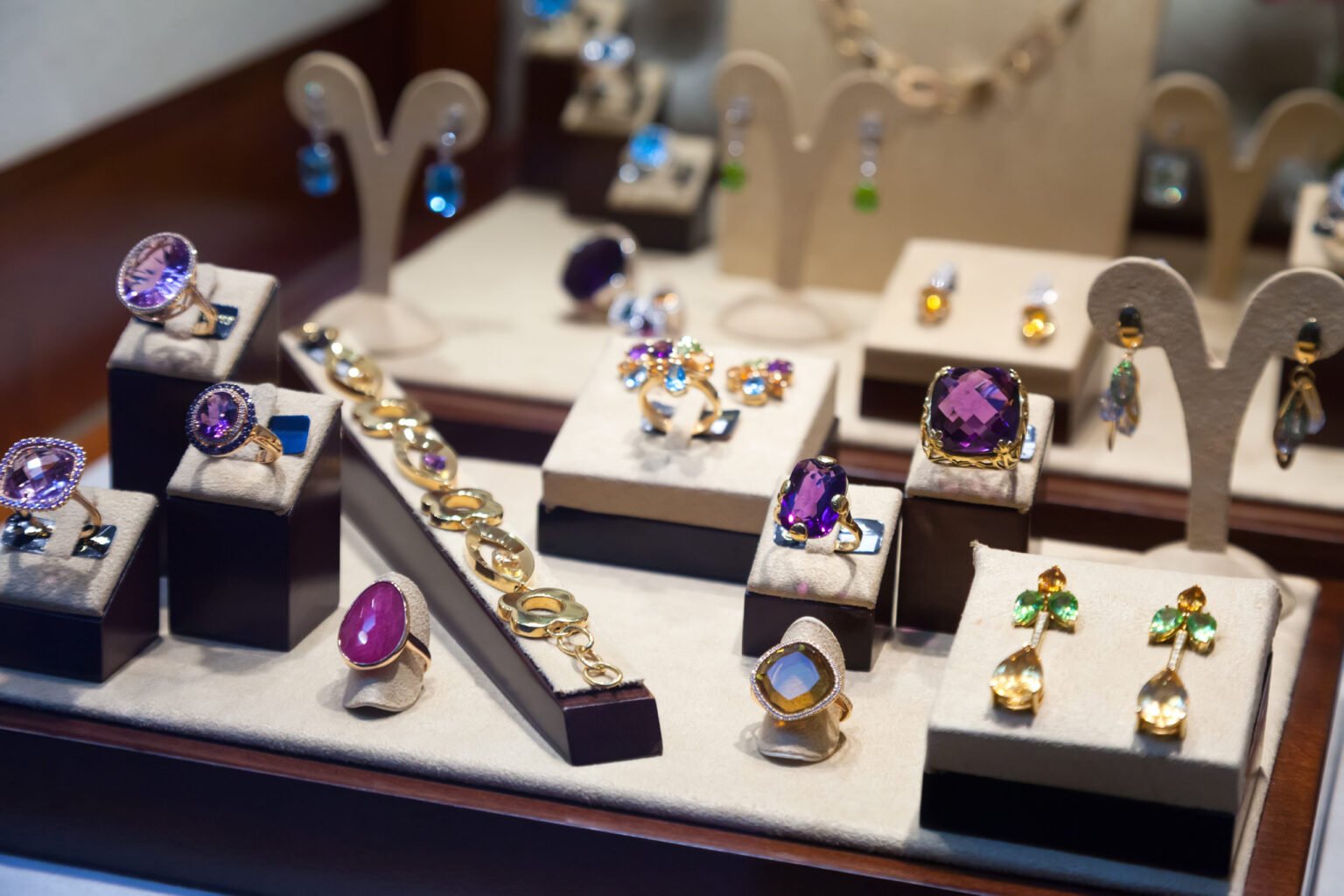
Tarnish rarely announces itself as a crisis. Staff discover it as lost selling time, delayed merchandising, and stock that no longer looks ready for a premium showcase.
The Science of Silver Tarnish Explained
Silver tarnish is not rust. It’s also not best understood as simple oxidation. In practice, silver tarnish forms primarily as silver sulfide (Ag₂S) when silver reacts with sulfur-containing gases such as hydrogen sulfide. Conservation guidance notes that this can happen even at extremely low concentrations of 86 to 600 parts per trillion in museum environments, and that the visible colors change as the tarnish film thickens from 10 to 100 nanometers, eventually turning black beyond 100 nanometers. The same guidance also notes that sterling silver is 92.5% silver and 7.5% copper, and that sterling tarnishes faster than pure silver because copper sulfide also forms on the surface (Canadian Conservation Institute guidance on silver tarnish).

What’s actually happening on the surface
Think of tarnish as a film that grows on top of the silver rather than dirt that sits loosely on it. At first, that film is very thin. Light interacts with it, and the piece may look yellow, then red-brown, then blue as the layer thickens. Once the film becomes thicker, it reads as black because that’s the true visual character of silver sulfide.
That color progression matters on the bench and in the showcase. It tells you that tarnish can start long before a piece looks black and “obviously bad.” A silver item may already be changing at a microscopic level while still looking merely warm or slightly dull to a sales associate.
Why sterling gives you more trouble
Most silver jewelry in trade channels isn’t fine silver. It’s sterling, because sterling is durable enough for rings, bracelets, chains, findings, and production settings. That durability comes from the alloy. The trade-off is reactivity.
The copper in sterling gives sulfur another path to attack the piece. So the very alloy that makes sterling practical for jewelry also makes it more vulnerable in the environments jewelers work in, including showcases, back-stock drawers, travel cases, shipping parcels, and urban air.
Bench takeaway: If two pieces have similar finish and storage history, the sterling piece usually deserves closer monitoring than the purer silver piece.
Why sulfur wins over oxygen
This is the part many people miss. Silver does form an initial oxide film in air, but sulfur converts that surface chemistry toward the more stable sulfide layer. That’s why a jeweler can keep silver in an apparently clean store and still watch it haze over. The enemy isn’t visible grime. It’s trace sulfur in the environment, plus moisture and contaminants that help the reaction along.
Once you understand that, several common myths disappear:
- “It’s just age.” No. Tarnish is chemical exposure.
- “It only happens in dirty spaces.” No. It can happen in well-kept, high-end environments.
- “Black means fake.” No. Authentic silver tarnishes.
- “A quick polish fixes the problem permanently.” No. Polishing removes the film. It doesn’t remove the conditions that formed it.
For jewelers, that distinction matters. If the cause is environmental chemistry, the solution isn’t endless polishing. It’s controlling storage, handling, and display conditions so the film forms more slowly and less often.
Identifying Tarnish Versus Other Surface Damage
At the counter, not every darkened or discolored area on silver is tarnish. Some conditions are reversible with careful cleaning. Others are manufacturing artifacts, wear issues, or outright corrosion damage. If staff confuse one for another, they can make a piece worse in minutes.
The fastest way to diagnose silver is to combine three observations. Look at the color. Look at where it appears. Then ask what happened to the piece before it came into your hands. A uniform haze on a sterling pendant in stock points in one direction. A purplish gray patch near a solder seam points somewhere else.
Quick-glance comparison
| Issue | Appearance | Cause | Reversibility |
|---|---|---|---|
| Tarnish | Yellow, brown, blue, gray, or black surface film; often uneven in recesses and low-airflow areas | Reaction between silver and sulfur compounds, often accelerated by moisture and handling | Usually reversible with appropriate cleaning |
| Fire scale | Purplish gray or shadowy discoloration, often associated with soldering or heating | Subsurface oxidation from torch work and manufacturing processes | Not a simple wipe-off issue; may require refinishing |
| Pitting corrosion | Tiny craters, rough spots, or eaten-looking surface areas | More aggressive chemical attack, often tied to contaminants such as chlorides | Permanent surface loss; cleaning won’t restore missing metal |
| Plating wear | Base metal color showing through high points, edges, ring shanks, or clasp areas | Normal wear of a plated finish from friction and use | Requires replating or repair, not polishing alone |
| Residue or grime | Smudgy, sticky, or cloudy deposits that may lift unevenly | Cosmetics, adhesive residue, skin oils, cleaners, or packaging contamination | Often removable with appropriate non-abrasive cleaning |
What tarnish usually looks like
Tarnish tends to read as a film, not a structural defect. It often starts in crevices, under galleries, around jump rings, near clasp tongues, and in the negative spaces of cast designs where air movement is limited and polishing cloths rarely reach. On smooth sterling, early tarnish can look like a loss of brightness more than a color change.
That matters because staff sometimes mistake early tarnish for “just bad lighting” or “normal silver tone.” Under magnification, tarnish usually looks like a superficial change in color rather than a broken or cratered surface.
What it isn’t
Fire scale behaves differently. It often sits below the immediate surface and won’t respond like ordinary tarnish. If a bench jeweler heated a silver piece during sizing, soldering, or assembly, a shadow may remain even after routine polishing. That’s a finishing problem, not a simple environmental film.
Pitting is another category entirely. If the surface texture is physically broken, the problem has moved past tarnish. You’re looking at metal loss, not discoloration alone. The fix may involve repair, resurfacing, or a frank conversation with the client that restoration has limits.
A plated silver-tone item brings another trap. When the bright surface has worn away at contact points, aggressive polishing can speed the damage. Staff may think they’re removing tarnish when they’re thinning what little plating remains. That’s why visual assessment should happen before anyone reaches for a cloth or dip, especially on fashion lines, vermeil, or mixed-material merchandise photographed in highly contrasty styles similar to close-up black-background jewelry presentations.

If the surface is changing color but remains intact, start by thinking tarnish. If the metal looks eaten, shadowed below the surface, or worn through at edges, stop and reassess before cleaning.
Counter questions that help
When staff aren’t sure what they’re seeing, a few practical questions usually clarify the issue:
- Was the piece recently repaired? Heat points toward fire scale or finishing residue.
- Is the discoloration mostly in recesses? That favors tarnish.
- Are high points losing color first? Think plating wear.
- Does the surface feel rough under magnification? Consider corrosion or physical damage.
- Is the item set with delicate stones or glued elements? Even if it is tarnish, cleaning options narrow immediately.
A jeweler who diagnoses correctly protects two things at once. The object itself, and the credibility of the advice given to the client.
Common Tarnish Accelerants in a Jewelry Store
Many silver problems blamed on “the air” come from the store’s own operating environment. A jewelry business creates a small ecosystem of heat, lighting, packaging, adhesives, textiles, fingerprints, and enclosed spaces. Silver reacts to all of it.
The showroom can be part of the problem
Start with the display case. If silver sits under warm lights in a case lined with materials that off-gas, the case becomes a slow reaction chamber. The piece may look protected because it’s enclosed, but enclosure without the right materials can trap the very compounds that discolor it.
Common trouble spots include:
- Display components with rubber content that can release sulfur compounds.
- Adhesives and glues used in pads, inserts, or custom fixtures.
- Felt, wool, and some fabric linings that don’t behave like inert archival materials.
- Jewelry boxes and pouches chosen for appearance first and chemistry second.
- Back-stock drawers where silver is packed tightly and forgotten until the next season.
A store can spend heavily on showcases and still create poor conditions for sterling if the build materials weren’t selected with silver in mind.
Moisture changes the pace
Relative humidity matters. The conservation guidance cited earlier notes that relative humidity below 50% slows tarnishing, while higher humidity accelerates it. In practical terms, that means silver behaves differently in an air-conditioned sales floor than it does in a stockroom, basement vault, or shipping area where moisture control drifts.
Humidity issues often show up in cycles rather than constants. A showroom may be fine during business hours, then warm and damp overnight. A vault may feel secure yet hold stale air. Shipping parcels may leave a controlled interior and sit in unpredictable transit conditions before being opened by a retailer or client.
Hands, packaging, and traffic
Jewelry stores are touch environments. Staff handle silver during intake, photography, tagging, steaming, client try-ons, and closing procedures. Clients handle pieces after lotion, sanitizer, cosmetics, or perspiration. Those residues don’t always leave visible marks immediately, but they can seed the surface for later discoloration.
The conservation data also notes that fingerprints containing sodium chloride can contribute to corrosion behavior through silver chloride formation. On the sales floor, that means clean-looking handling isn’t the same as chemically neutral handling.
The piece you polish on Monday can look tired by Friday if the display materials, humidity, and handling habits all work against you.
A practical store audit
Walk your silver program like an underwriter inspecting risk rather than a merchandiser styling a case.
- Check what touches the metal. Pads, elastic loops, foam, tissue, zip bags, and box interiors matter.
- Check where silver rests overnight. Daytime display conditions and overnight storage are often completely different.
- Check the shipping path. Parcels, trays, and memo packaging may expose stock to poor materials even if your showcases are well managed.
- Check handling habits. Staff may be polishing carefully but still handling bare-handed during transfers.
- Check dead zones. Small safes, drawer corners, and old storage cabinets often produce the worst surprises.
The point isn’t to make silver fragile or untouchable. It’s to identify where your own business is feeding the reaction.
Professional Prevention for Silver Inventory
Prevention works best when it’s built as a system. A jeweler who relies on occasional polishing is managing symptoms. A jeweler who controls storage materials, humidity, handling, display rotation, and intake procedures is protecting inventory value.

Passive habits versus active controls
Passive prevention is what most stores do by default. Keep silver in the case. Wipe it if it dulls. Bag slower movers eventually. Rotate problem pieces when someone notices them. That approach feels manageable, but it creates recurring labor and inconsistent presentation.
Active prevention is different. It starts by accepting a trade-off. You may spend more on suitable storage supplies, controlled display choices, and staff protocol, but you’ll spend less time rescuing inventory that should have stayed sale-ready.
Current guidance aimed at jewelry retailers points out an important gap. There’s broad advice on how silver tarnishes and how to slow it, but very little framework for calculating the return on better storage, climate control, or display changes. That same discussion notes that silver can tarnish within hours in high-sulfur environments and that the lack of a practical ROI framework leaves retailers to guess at the right level of investment (discussion of preventive storage ROI gaps for jewelers).
That gap is real. In the field, owners are always weighing one cost against another. Do you spend on case upgrades, archival materials, and humidity control now, or do you absorb repeated bench labor, inconsistent presentation, and avoidable stock degradation later? Serious silver programs usually answer that question the same way. Prevention is cheaper than perpetual correction, even when the accounting isn’t perfectly neat.
What strong prevention looks like
A workable prevention program usually has several layers:
- Use inert contact materials. Separate silver from questionable foams, rubbery loops, reactive papers, and decorative box interiors that haven’t proven stable.
- Control humidity where inventory is kept. The key spaces are vaults, closed showcases, drawers, and shipping containers, not just the general room.
- Reduce unnecessary handling. Gloves aren’t practical for every sales interaction, but disciplined wiping and clean transfer routines make a difference.
- Store pieces individually when appropriate. Chains, statement cuffs, and finished samples benefit from isolation that limits contact and trapped contamination.
- Create display rotation rules. Slow-moving silver should not sit untouched in a chemically active case for extended periods.
Practical rule: If a silver item has to be cleaned repeatedly just to remain showcase-ready, the storage or display protocol is failing.
Build procedures your staff will actually follow
The best anti-tarnish plan is the one your team can execute on a busy Saturday. That means simple rules, not a binder full of theory.
A practical SOP often includes intake wiping, designated storage supplies for silver, a separate handling standard for estate or patinated pieces, and a weekly visual check by category rather than random spot checks. Bridal silver accessories, men’s sterling, silver fashion chains, and estate flatware don’t all need the same routine.
Later in the workflow, training matters more than product labels. A staff member who understands why bare fingers, decorative packaging, and closed cases can accelerate tarnish will usually make better decisions than someone told only to “keep silver clean.”
This visual overview can help teams think about storage choices in a more disciplined way.
Prevention economics in the real world
Owners often ask whether better prevention is worth it for lower-ticket silver. The right question is broader. How much staff time does silver consume across receiving, cleaning, photography, merchandising, and customer service? How often do you delay displaying a piece because it needs touch-up? How often does silver look weaker than the rest of the case even when the underlying merchandise is strong?
Those are real operating costs, even without a neat formula.
What doesn’t work well is treating every tarnish event as isolated. That mindset usually leads to over-cleaning, finish loss on vulnerable pieces, and hidden labor that never gets assigned to the category. What works is a layered system that slows the reaction before the polishing cloth ever comes out.
Safe Cleaning Methods for High-Value Silver
Even with good prevention, some silver will need cleaning. The key is to match the method to the piece. In high-value inventory, the wrong cleaning method does more damage than the tarnish you were trying to remove.
Start with the least aggressive option
For light surface tarnish on plain polished silver, a soft untreated polishing cloth is usually the safest first move. It gives the jeweler control. You can stop immediately if the finish starts changing in an unwanted way, and you’re less likely to force chemistry into seams, backs, or settings.
This approach is especially useful for:
- High-polish sterling stock that only shows a light haze
- Pieces with crisp edges you don’t want to round over
- Items with intentional dark recesses where selective cleaning matters
- Estate silver where preserving original surface character is part of value
Use restraint. If you need heavy pressure, the method is probably no longer the right one.
Wet methods require judgment
Mild soap-and-water cleaning can remove grime, skin oils, and superficial contaminants, but it’s not automatically safe for every silver item. Hollow pieces, assembled components, glued elements, and certain settings can trap moisture or react poorly to soaking. The issue isn’t just silver. It’s everything attached to it.
Chemical dips work fast, which is why busy stores reach for them. They also create the most common avoidable mistakes. Dips can strip intentional patina, alter the look of oxidized silver designs, and create a flat, over-bright finish that no longer matches the maker’s intent. On pieces with porous or delicate materials, they can be a costly shortcut.
When to avoid aggressive cleaning
Stop and reassess if the silver piece includes any of the following:
- Pearls or other organic materials
- Porous stones
- Glued components
- Mixed metals
- Blackened or intentionally oxidized design details
- Antique construction with fragile joins, solder repairs, or uncertain prior treatment
A silver object can be chemically simple and still be practically complex. The metal may survive a harsh cleaner. The finish, setting, adhesive, or accent material may not.
A decision framework for the bench or back office
Use this order of operations:
- Identify the surface issue first. Confirm it’s tarnish rather than plating wear, pitting, or fire scale.
- Assess the construction. Look for stones, glue, hollow forms, patina, and fragile joins.
- Choose the gentlest effective method. Don’t start with the fastest method.
- Test in an inconspicuous area. Especially on estate pieces and designer silver with intentional finish variation.
- Stop once the piece is sale-ready. Don’t chase laboratory brightness if the object doesn’t need it.
When the right move is sending it out
Some silver shouldn’t be cleaned in-house at all. Museum-quality objects, important estate jewelry, hand-fabricated designer silver, engraved presentation pieces, and items with mixed materials deserve specialist care when the surface condition is significant. A conservator or highly experienced restoration jeweler can balance appearance, material stability, and historical value in a way routine store cleaning can’t.
That restraint protects margin too. A store can recover from a slightly dark piece held back for expert treatment. It may not recover cleanly from destroying original finish on a valuable object.
Managing Tarnish Risk with Jewelers Block Insurance
Silver tarnish usually starts as chemistry, but for a jewelry business it ends as a risk management issue. Once surface change affects how inventory presents, how it’s valued, how often it needs intervention, and where it can safely travel, it belongs in the same operational conversation as security, transit, storage, and documentation.
Tarnish changes value before it destroys metal
One reason silver causes headaches in commercial settings is that tarnish often affects sellability before it affects structure. A client may reject a sterling piece because it looks neglected even when the underlying metal is intact. A wholesaler may discount goods that need labor before photography or display. A collector may question how an item was stored if a supposedly pristine piece arrives dull.
That’s why tarnish control belongs inside broader asset protection. Chemistry is one side of the problem. Exposure, handling, storage, transit, and recovery planning are the other side.
Research on the chemistry behind silver tarnish notes that over the past 200 years, rising atmospheric sulfur has accelerated tarnishing rates, and it also reinforces that sterling’s 7.5% copper alloy makes jewelry more vulnerable because copper reacts aggressively with sulfur. That same industry discussion connects the issue directly to insurance practice, noting that Jewelers Block policies can address tarnish-related devaluation in stock, transit, and display situations where even thin films affect value (Chemistry World reporting on silver tarnish and insurance implications).

Where the exposure actually sits
For most jewelers, silver risk clusters in three places:
- Stock and display where environmental conditions slowly affect appearance
- Transit and memo movement where packaging and uncontrolled conditions introduce change
- Back-room storage where overlooked inventory can sit in poor conditions until the next season or buying cycle
A strong internal process reduces those exposures. It doesn’t erase them. Even disciplined operators can still face questions around condition, devaluation, and how inventory was protected before loss or damage was discovered.
What underwriters and owners both care about
Good risk management around silver usually includes documentation, storage controls, handling protocols, and clean valuation records. If a piece is high value, unusual, antique, or part of a significant collection, condition notes matter. So do photographs that show surface character before shipment or exhibition.
From an underwriting perspective, silver that moves often, sits in mixed storage, or cycles through unstable display setups presents a different profile than silver managed under tighter procedures. The point isn’t to turn every tarnish concern into a claim issue. It’s to treat environmental deterioration as part of inventory stewardship, not as an afterthought.
That’s also why specialized markets matter. A generic business policy may not reflect the realities of jewelry stock, memo goods, consigned property, exhibitions, and transit exposure. Jewelers need insurance designed for jewelry operations and backed by carriers that understand the category, including longstanding specialty markets such as Lloyd’s of London jewelry insurance capacity.

Silver inventory doesn’t have to be stolen to lose value. Sometimes it loses value because the business let surface condition drift until the stock no longer presented like premium merchandise.
The practical takeaway is simple. Treat tarnish control as part of total inventory protection. Good storage and handling reduce routine degradation. Good documentation protects decision-making. Appropriate Jewelers Block coverage provides a financial backstop when high-value inventory faces loss, devaluation, or damage in environments where jewelers operate.
If silver inventory, estate jewelry, memo goods, or high-value collections are part of your business, talk with First Class Insurance about Jewelers Block coverage built for jewelry stores, wholesalers, and specialized stock exposures. The right policy won’t replace disciplined storage and handling, but it can protect your balance sheet when valuable inventory is at risk in the case, in the vault, or in transit.