
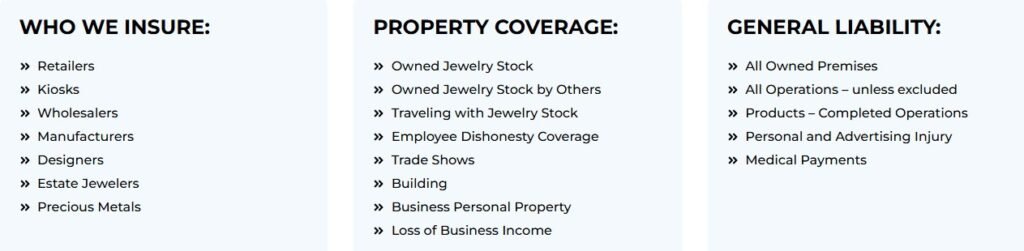
Picture this: a smash-and-grab attempt after hours. The survival of your entire business suddenly depends on one small, powerful component.
That jewelry cabinet lock isn't just a piece of hardware. It's a critical investment in your financial stability, your day-to-day security, and even your relationship with your insurance provider. Choosing the right one is one of the most important decisions you'll make.

Your First Line of Defense Against Theft
In a world of high-value, portable assets, a jewelry cabinet lock is your first and most immediate line of defense. It's the physical wall separating your valuable inventory from a catastrophic loss, standing guard against both smash-and-grab criminals and internal threats.
This single component is the silent guardian of thousands, sometimes millions, of dollars in merchandise. It's what stands between you and brute force, lock picking, and unauthorized access.
But its importance goes far beyond just stopping a thief. The type and quality of your lock system send a clear signal to your insurer about how seriously you take risk management. This perception is foundational when you’re trying to secure a Jewelers Block insurance policy—a specialized plan built for the unique risks of our industry.
The Insurance Perspective on Security
Insurers see your security measures as a direct reflection of your business's risk profile. A robust, high-security lock system is tangible proof that you’re actively working to prevent losses, not just react to them.
This proactive approach can have a direct impact on your bottom line, influencing the premiums and terms of your insurance policy.
When underwriting your policy, an agency like First Class Insurance Jewelers Block Agency will scrutinize your physical security. They aren't just checking a box that says "lock." They're evaluating its quality.
Key questions they’ll ask include:
- Resistance to Attack: How well does the lock hold up against drilling, prying, or picking?
- Access Control: Who has the keys or codes? Is that access logged and monitored?
- Compliance with Standards: Does the lock meet recognized security ratings, like those from Underwriters Laboratories (UL)?
A jeweler who invests in superior locking mechanisms is simply seen as a lower risk. This can translate directly into more favorable insurance for a jewelry store. That decision can mean the difference between a smooth claims process and a contentious dispute down the road.
The market reflects this growing focus. The global cabinet lock market is projected to hit USD 13.4 billion by 2025, and security-focused applications for jewelers are a huge part of that growth. You can explore more about these market dynamics to see just how critical this has become.
An underwriter doesn't just see a lock; they see a data point. A high-security, UL-rated lock tells them you're a responsible, low-risk client. A generic lock from the hardware store signals a potential liability.
Ultimately, your choice in a jewelry cabinet lock is a cornerstone of your business's security and financial health. It’s a decision that affects everything from daily operations to loss prevention and securing the right jewelry store insurance. By getting this one critical component right, you build a more resilient and defensible business from the ground up.
Understanding Different Jewelry Cabinet Lock Technologies
When you're choosing a jewelry cabinet lock, you're not just picking hardware. You're selecting a very specific tool for a very important job. Each lock technology strikes a different balance between security, convenience, and control. Getting that balance right is the first step toward building a defense that works for your daily operations and satisfies your insurance carrier.

This relationship between investment, security, and insurance is critical. A smart upfront choice in high-security locks doesn't just protect your assets—it can actually lead to better insurance terms down the road.
The Four Main Lock Types Under the Microscope
Let's break down the core technologies you'll be choosing from. Each has its place in a well-defended jewelry business, from the backroom vault to the front-of-house display case.
To make things easier, here's a quick side-by-side look at how they stack up.
Jewelry Cabinet Lock Technology Comparison
| Lock Type | Security Level | Typical Cost | Best For | Insurance Consideration |
|---|---|---|---|---|
| Mechanical | Moderate to High | Low to High | Backroom safes & cabinets needing no-fail reliability. | Often requires a UL 437 rating for high-value inventory. |
| Electronic | Moderate to High | Moderate | Cabinets with multiple authorized users; managing employee access. | The audit trail is a major plus for underwriters. |
| Biometric | High to Very High | High | Securing unique, high-value pieces; eliminating key/code sharing. | Seen as the gold standard for access control by many insurers. |
| Cam & Rail | Low to Moderate | Low | Front-of-house display cases & drawers for daytime deterrence. | A foundational requirement for preventing grab-and-run theft. |
As you can see, the "best" lock really depends on the specific job it's being asked to do. A lock that's perfect for your main vault might be completely impractical for a sliding display case.
H3: The Classic Mechanical Lock
Think of a good mechanical lock as the old-school vault door. It works with pins, tumblers, and a physical key—a proven system that has secured valuables for centuries. Its biggest advantage is that it’s completely self-contained. No power, no batteries, and no electronic parts that can be hacked.
Of course, that simplicity is also its one potential vulnerability. A skilled thief can pick or force a low-quality lock. For a jeweler, this means you can't just grab any mechanical lock off the shelf. You need to invest in models with serious security ratings, like UL 437, that are built to stand up to drilling, picking, and brute force.
H3: The Modern Electronic Lock
Electronic locks are the key card systems for your cabinets. Instead of a metal key, access is granted with a keypad code, a fob, or a card. Their absolute greatest strength is the audit trail. You get a clear, indisputable digital record of who opened a cabinet and precisely when they did it. This is a game-changer for tracking down internal discrepancies.
This tech also gives you incredible flexibility. You can add or remove an employee's access in seconds without the cost and hassle of changing physical locks. The tradeoff is their need for power and the fact that they introduce digital risks that need to be managed. When looking into these systems, it helps to understand the core technology; this guide to magnetic locks for doors offers a great primer on how some of these powerful mechanisms work.
H3: The Personalized Biometric Lock
Biometric locks are the ultimate in personal security. They use a fingerprint scanner, which means the only "key" is a person's unique biological trait. That key can't be lost, stolen, copied, or handed off to someone else.
For a business with multiple employees, this is a massive advantage. It completely eliminates the risk of unauthorized key duplication and provides a definitive, undeniable record of who accessed what. Underwriters for Jewelers Block insurance absolutely love to see this level of control.
While the initial cost is higher, the airtight accountability and control often justify the expense, especially for cabinets that hold your most valuable inventory. The only real drawback is the rare chance of a scanner failing or having trouble with a read, so a reliable backup entry method is a must-have.
H3: The Functional Cam and Rail Lock
Often overlooked but absolutely essential, cam and rail locks are the daily workhorses for your display cases and sliding drawers. A cam lock uses a small metal arm (the cam) that swings behind a frame to secure a door. Rail locks, also known as plunger locks, are the simple push-button locks you see on most sliding glass showcases.
Let's be clear: these aren't designed for overnight, high-security storage. Their job is deterrence. They are there to stop an opportunistic thief from a quick snatch-and-grab during business hours. While they aren't as tough as the other types, having high-quality cam and rail locks on every single display is a non-negotiable part of any layered security plan.
Security Ratings Your Insurer Actually Cares About

When you see a security rating on a jewelry cabinet lock, it’s easy to dismiss it as technical jargon. But for your insurance for a jewelry store provider, those letters and numbers are everything. They're a universal language that proves a lock can withstand a real-world attack, taking all the guesswork out of their risk assessment.
Think of it like a diamond’s GIA certificate. Without it, you’re just looking at a sparkly stone. With it, you know its exact quality and value. Security ratings do the same thing for your locks, giving underwriters the hard data they need to offer you the best possible policy.
Investing in a certified lock isn't just about security—it's a business decision. It tells your insurer you're serious about loss prevention, which can directly impact your premiums and make any future claims process much smoother.
The Gold Standard: UL 437
When it comes to high-security mechanical locks, one rating stands head and shoulders above the rest: UL 437. This standard from Underwriters Laboratories isn't a simple pass/fail test; it's a brutal, expert-led assault designed to see if a lock will break.
To earn a UL 437 certification, a lock has to survive a battery of sophisticated attacks performed by trained technicians.
These tests are no joke. They include:
- Expert Lock Picking: Simulating a skilled criminal trying to manipulate the cylinder.
- Impressioning: An advanced technique where a thief creates a working key just from the marks left on a blank.
- Forced Entry: A brute-force attack using drills, saws, and hammers to physically destroy the lock.
A UL 437-rated lock is your proof that it can stand up to a determined, professional thief. For an underwriter evaluating your insurance for jewelry business, seeing that certification is a massive green flag.
Why Ratings Make or Break Your Insurance Policy
Underwriters who specialize in Jewelers Block insurance can't afford to guess. They need cold, hard facts to measure risk, and brand names or manufacturer promises just don't cut it. A standardized UL rating provides a clear, third-party benchmark they can trust.
This is more important than ever. The market for secure jewelry cabinets has swelled to USD 1.14 billion as jewelers demand professional-grade protection. This tracks with the broader jewelry market, which hit USD 305.45 billion in global sales in 2023. As your inventory value climbs, so does the need for verifiably secure hardware. You can read the full market analysis on these trends here.
When a jeweler’s security plan includes UL 437 locks, it simplifies everything for the underwriter. It tells them the heart of your physical security is solid and independently verified, which almost always leads to more competitive premium quotes.
Having this level of security isn't just about getting a policy; it's about getting the right one. When you’re ready to get a quote for Jewelers Block, having certified locks in place makes that conversation far more productive. Top underwriters, including those from Lloyd's of London, recognize these standards across the globe.

A rated lock isn't an expense—it's a strategic asset that protects your inventory, strengthens your insurability, and secures your bottom line.
How to Choose the Right Lock for Your Business
Okay, let's move from theory to reality. It's one thing to know the technical specs of different locks and security ratings, but it's another thing entirely to apply that knowledge to the unique layout and flow of your jewelry business. Choosing the right jewelry cabinet lock isn't about chasing the strongest, most expensive lock on the market. It’s about taking a hard look at your own operation and finding the lock that solves your specific problems.
This is precisely the kind of thinking underwriters want to see when you get a quote for Jewelers Block insurance. They’re looking for proof that you've critically examined your weak points and installed targeted defenses. A lock that’s perfect for one jeweler could be a huge liability for another.
Assess Your Unique Threat Profile
First things first: you need to analyze your operational reality. Every jewelry business has its own unique threat profile, shaped by its location, layout, and day-to-day rhythm. The goal here is to match your security hardware directly to those real-world risks.
Start by asking yourself a few critical questions:
- Where am I physically located? A street-level store in a busy downtown area with high foot traffic faces a completely different set of threats than a private, appointment-only showroom tucked away in a secure office building.
- What's my daily workflow? Do your salespeople need to get in and out of display cases constantly throughout the day? Or is most of your inventory locked down in a back-office vault with very limited access?
- Who needs access, and when? How many people on your team handle the high-value pieces? Do you need a way to track exactly who opened which case and at what time?
Your answers point you directly to the right technology. That bustling retail shop probably needs a system that’s both secure and fast, making electronic locks on display cases a great fit for quick access and solid audit trails. A wholesaler, on the other hand, might prioritize a beast of a high-security mechanical or biometric lock on a stockroom safe where access is rare but has to be airtight.
Showroom Cases vs. Backroom Safes
The difference between your showroom and your backroom is night and day, and your lock strategy needs to reflect that. These two environments have completely different security needs, and mixing them up is asking for trouble.
For the display cases out front in your showroom, the main job of the lock is to deter a smash-and-grab or a quick, opportunistic theft.
In this setting, high-quality cam locks, plunger locks, or even discreet electronic locks are perfect. They have to be strong enough to stop a quick snatch, but they also need to let your staff serve customers without a hassle. The lock is part of the customer experience—it must be secure without getting in the way.
Your backroom or vault is a different world entirely. Here, you’re not just deterring—you’re aiming for absolute prevention. This is where your highest-value inventory lives, and access has to be ruthlessly controlled and logged. For these cabinets and safes, a UL 437-rated mechanical lock or an advanced biometric lock isn't just a good idea; it's non-negotiable. These are the systems built to withstand a determined, sophisticated attack, which is something any insurance for a jewelry store provider will be looking for.
Matching Locks to Inventory Value
Finally, let the value of what you're protecting guide how much you invest. This is a simple but crucial calculation that directly impacts your insurance for jewelry business. The market itself shows this is how jewelers think; the industry for jewelry trays and cabinets has hit USD 13,500.75 million, and the lockable versions make up a huge 28% of that—around USD 3.78 billion. That spending is a direct response to the $500 million jewelers lose to theft each year in the U.S. alone. You can discover more about these market insights here.
Here’s a simple rule of thumb: the more value you put in the cabinet, the higher the security rating of the lock needs to be. A display holding a few silver chains doesn't require the same Fort Knox-level protection as a safe containing one-of-a-kind custom pieces or large diamonds. By creating security tiers that match your inventory value, you're showing your insurer a smart, practical, and cost-effective approach to managing your risk.
Building a Fortress: Your Lock as Part of an Integrated Security System

A top-tier jewelry cabinet lock is a tough opponent for any thief, but it shouldn't be fighting alone. Its real strength comes out when it’s a key player in a layered, interconnected security ecosystem. Think of it less like a single gate and more like the nerve center for a network of defenses working in perfect harmony.
This approach creates a formidable barrier that criminals hate and insurance underwriters love. A lock that talks to your other systems signals a truly professional security plan—a major factor when it’s time to get a quote for Jewelers Block insurance.
Syncing Locks with Alarms and CCTV
The first step is linking your cabinet locks directly to your alarm and surveillance systems. Modern electronic and biometric locks aren’t just gatekeepers; they’re intelligent triggers.
If someone tampers with a lock, tries to force it open, or even punches in the wrong code too many times, that lock can send an immediate signal.
This isn't just about a loud siren. That signal can trigger a silent alarm straight to your security provider, getting law enforcement on the way before a thief even knows they've been caught.
At the exact same moment, that trigger can tell your CCTV system to point every camera at that specific cabinet, capturing crystal-clear video of the event. This turns your lock from a passive barrier into an active part of your response plan, giving you rock-solid evidence for both the police and your jewelry store insurance claim.
Creating an Unbreakable Audit Trail with Access Control
Beyond just stopping break-ins, integrating locks with your store’s access control system creates an audit trail that’s worth its weight in gold. This is a critical piece of any strong insurance for jewelry business strategy, as it helps you pinpoint and prevent internal losses.
Every time an employee uses their unique credential—a keycard, fob, or even their fingerprint—to open a cabinet, the system logs everything.
- Who: The specific employee's ID is recorded.
- What: The system notes exactly which display case or cabinet was accessed.
- When: A precise timestamp is created for the second it was unlocked and locked.
This builds a detailed, undeniable record of every single touchpoint with your high-value inventory. For an underwriter from First Class Insurance Jewelers Block Agency, this data is golden. It demonstrates a high level of accountability and drastically reduces the risk of "mysterious disappearance," which is one of the toughest claims to sort out. You can dive deeper into how organizations build these defenses by reviewing these essential physical security best practices.
The Insurance Advantage of an Integrated System
At the end of the day, every layer of security you add is a conversation starter with your insurer. A comprehensive, integrated system shows you’ve moved beyond the basics and are proactively managing every possible risk. This is the kind of forward-thinking approach that’s highly valued by leading industry groups like the Southern Jewelry Travelers Association (SJTA).
When underwriters review your application for insurance for a jewelry store, they see an integrated system as a powerful risk reducer. It tells them a loss is far less likely to happen, and if it does, it will be thoroughly documented. That confidence often translates into better policy terms, more competitive premiums, and a much smoother claims process. Your security ecosystem isn't just a cost—it's a tangible business asset that pays you back.
Installation, Maintenance, and Long-Term Value
A top-tier jewelry cabinet lock is a fantastic security tool, but its real power isn’t unlocked the moment you buy it. Its long-term value comes down to one thing: how well it's installed and cared for. A perfectly designed lock can be completely undermined by a single loose screw or a poorly aligned frame, creating the exact vulnerability you paid to prevent.
That’s why professional installation isn't just a suggestion—it's a must for serious security. A certified locksmith or a trusted security technician makes sure the lock is seated perfectly, that every component engages just right, and that there are no gaps or weak points an attacker could leverage. Think of it as the foundation; without a solid one, everything else is at risk.
A Simple Checklist for Lock Longevity
Just like the finely tuned engine in a luxury car, your locks need regular check-ups to perform at their best. Consistent maintenance isn't just a good habit; it’s a non-negotiable part of keeping your Jewelers Block insurance policy happy. It proves you’re doing your part and ensures your security is always ready.
Here’s a simple schedule to keep things running smoothly:
- Monthly Visual Inspection: Take a quick look at all visible parts of the lock. Are there any signs of tampering, rust, or unusual wear? Make sure all the screws are tight and the housing feels solid.
- Quarterly Function Test: Actually use every lock. Does the key turn without a struggle? Does the electronic keypad respond right away? Does the bolt slide in and out cleanly?
- Bi-Annual Lubrication: For your mechanical locks, a small puff of graphite lubricant keeps the internal pins moving freely. Stay away from oil-based products like WD-40, as they can attract dust and gum up the works over time.
- Annual Professional Service: Once a year, have a pro service your high-security locks. They have the experience to spot subtle problems you might miss and can perform the kind of deep maintenance that keeps a lock going for years.
This simple routine is what prevents unexpected failures and maintains the integrity of your entire security system.
Your Best Evidence in an Insurance Claim
Now, let's tie this directly to your bottom line. Keeping meticulous maintenance logs and access records isn't just busywork. In the event of a claim—especially for a mysterious disappearance—that paperwork becomes your most powerful tool.
Imagine a high-value piece vanishes from a case with no signs of forced entry. For an insurer, this is the toughest kind of claim to process. But if you can hand them maintenance logs showing the lock was working perfectly, backed by electronic access records detailing exactly who opened it and when, you completely change the conversation.
Your documentation provides cold, hard facts. It’s objective proof that your security protocols were sound and, more importantly, that you were following them. This can dramatically speed up the claims process for your insurance for a jewelry store. Instead of a long, drawn-out investigation shrouded in doubt, your insurer has a clear trail to follow. That simple habit of keeping good records can be the one thing that ensures a fast, positive outcome, protecting your business and your sanity.
Your Jewelry Cabinet Lock Questions Answered
When you're dealing with high-security hardware, the questions can get pretty specific. And when your entire inventory and insurance policy are on the line, you need clear, direct answers. Let's tackle some of the most common—and critical—questions jewelers ask about choosing and using a jewelry cabinet lock.
How Does My Lock Choice Affect My Insurance Premium?
Let's be direct: your lock choice is one of the first things an underwriter looks at when calculating risk for a Jewelers Block insurance policy. When you invest in high-security, UL-rated locks, you're sending a clear signal that you're serious about loss prevention. Insurers love that, and they often reward it with lower premiums—sometimes by as much as 15-20%. It’s simple: better locks mean a much lower chance of a successful theft claim.
On the flip side, sticking with standard, unrated locks can drive your premiums up. In some situations, an insurer might even add specific exclusions for certain types of loss if they feel your physical security isn't up to snuff. Your choice of lock has a direct impact on both the cost and the quality of your coverage.
Is a High-End Mechanical or a Biometric Lock More Secure?
This is a great question because they offer two different, but equally valuable, kinds of security. Think of a top-tier mechanical lock, especially one with a UL 437 rating, as a brute-force defender. It's a hardened physical barrier built to withstand drilling, picking, and other direct assaults.
A quality biometric lock, however, is all about superior access control. You can't lose, steal, or copy a fingerprint the way you can a key. This is a game-changer for preventing internal theft.
For many jewelers, the indisputable audit trail from a biometric system is a huge win. Underwriters value it highly, especially when investigating an internal loss or a mysterious disappearance. The "who" and "when" of access become undeniable facts.
Are Internet-Connected Smart Locks a Good Idea?
They can be a fantastic tool, but only if you nail the security protocols. Smart locks offer some powerful advantages, like remote monitoring, the ability to instantly revoke an employee's access, and detailed event logs—all crucial data for any insurance for a jewelry store.
But let's be realistic: any connected device is a potential target for cyber attacks. If you're going to use them, you have to do it right.
- Stick with a reputable brand known for its security track record and consistent firmware updates.
- Use a dedicated, secured network. Never, ever put it on your public or guest Wi-Fi.
- Enable two-factor authentication for any and all administrative access.
- Change all default passwords the moment you take it out of the box.
When you lock down the digital side, the operational benefits and airtight audit trails can easily outweigh the risks, making your entire security posture stronger.
Protecting your inventory starts with the right hardware and ends with the right insurance policy. First Class Insurance specializes in building coverage that understands and rewards your commitment to security. Get a quote for a Jewelers Block policy from people who actually get your business.
Visit us to learn more at https://firstclassins.com.